Iran’s Ghalibaf Mocks Trump’s Blockade as Oil Hits $120, Talks Stall
Parliament speaker ridicules US president’s threat that oil wells would explode within three days, as a second round of peace talks is canceled.

PAKISTAN —
Key facts
- Mohammad Bagher Ghalibaf is Iran’s parliament speaker and lead negotiator in the only round of direct US-Iranian talks.
- Trump imposed a naval blockade on Iran’s ports to trap oil exports and force economic pressure.
- Global oil prices rose to $120 per barrel; Ghalibaf warned $140 is the next stop.
- Trump canceled a second round of peace talks scheduled for Islamabad, ordering envoys not to attend.
- Trump wrote on Truth Social: ‘Iran can't get their act together… They better get smart soon!’
- Ghalibaf blamed Treasury Secretary Scott Bessent for ‘junk advice’ pushing the blockade theory.
- US strikes killed numerous Iranian leaders, including Supreme Leader Ayatollah Ali Khamenei.
Blockade and Mockery
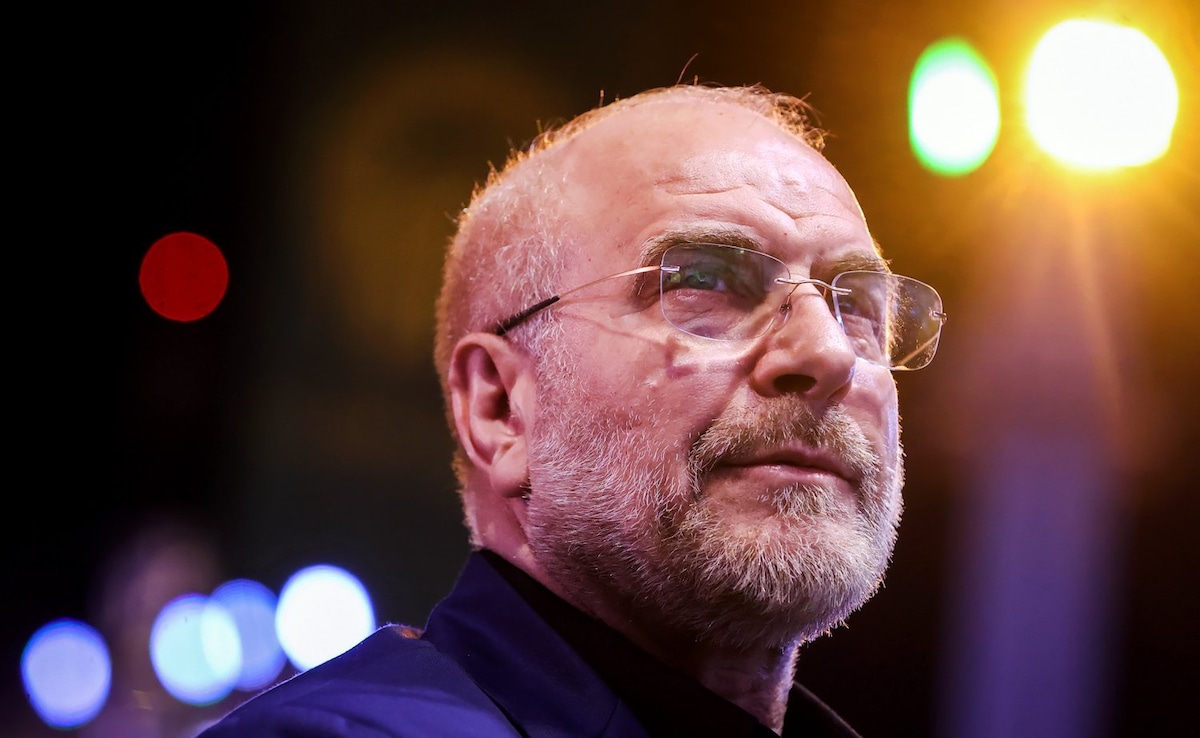
Iran’s parliament speaker, Mohammad Bagher Ghalibaf, has openly ridiculed President Donald Trump’s naval blockade in the Strait of Hormuz, after the US president predicted that Iran’s oil wells would ‘explode’ within three days. ‘3 days in, no well exploded. We could extend to 30 and livestream the well here,’ Ghalibaf wrote on X, in a sarcastic retort that underscored Tehran’s defiance. Trump had posted on Truth Social on April 26 that Iran’s oil wells would undergo a ‘very powerful’ destructive process starting in three days. As the deadline passed without incident, Ghalibaf seized the moment to highlight what he called the failure of Washington’s strategy. The blockade, ordered by Trump, aims to trap Iranian oil inside the country and force Tehran to slash production or risk infrastructure damage from clogging and over-pressurisation.
Economic Pressure Backfires
Ghalibaf blamed ‘junk advice’ from top US officials, particularly Treasury Secretary Scott Bessent, for pushing the theory of economic pressure through the blockade. He claimed the policy has instead spiked global oil prices to $120 per barrel, with $140 likely as the ‘next stop’. ‘That was the kind of junk advice the US admin gets from people like Bessent, who also push the blockade theory and cranked oil up to $120+. Next stop: 140. The issue isn't the theory, it's the mindset,’ he wrote. The blockade has cut into a key source of government revenue and hard currency by stopping or intercepting oil shipments. However, the rise in global prices partially offsets the loss, as Iran seeks alternative routes to export. Trump appears determined to keep the blockade in place until a permanent peace deal is reached, hoping to end the stalemate at the negotiating table.
Peace Talks in Disarray
A second round of peace talks, due to take place in Islamabad at the weekend, was abruptly canceled when Trump ordered his envoys not to attend. US special envoy Steve Witkoff and Jared Kushner were to head to Pakistan on Saturday for an ‘in-person conversation’ to ‘hopefully move the ball forward towards a deal,’ the White House had said on Friday. But Trump told Fox News, ‘I've told my people a little while ago they were getting ready to leave, and I said, “Nope, you're not making an 18-hour flight to go there.”’ ‘We have all the cards. They can call us anytime they want, but you're not going to be making any more 18 hour flights to sit around talking about nothing,’ he added. Trump also told Axios that the cancellation did not mean a resumption of hostilities, insisting that ‘we have not thought about it yet.’ The first and only round of direct US-Iranian talks was led by Ghalibaf, who has grown in prominence since the start of the war.
Ghalibaf’s Rising Influence
With the killing of numerous Iranian leaders in US-Israeli strikes, including Supreme Leader Ayatollah Ali Khamenei, speculation has mounted over the balance of power within the Islamic republic. Ghalibaf, a former IRGC Air Force commander and Tehran mayor from 2005 to 2017, has emerged as a key figure. He has a background in engineering and a reputation as a ‘pragmatic’ hardliner with deep roots in Iran's security apparatus. Ghalibaf is now leading Iran's negotiations with the United States regarding Middle East security and nuclear issues. On Wednesday, he said the US naval blockade aimed to create division and ‘make us collapse from within.’ He accused Trump of dividing the country into hardliners and moderates, then imposing a blockade to force submission through economic pressure and internal discord. He called for ‘maintaining unity’ as the only solution.
Trump’s Ultimatum and the Impasse
On the same day as Ghalibaf’s comments, Trump warned Iran to ‘get smart soon’ and agree to a peace deal, as efforts to end hostilities appeared to remain at an impasse. ‘Iran can't get their act together. They don't know how to sign a nonnuclear deal. They better get smart soon!’ Trump wrote on Truth Social, alongside an illustration of himself holding an assault rifle with the caption ‘No more Mr Nice Guy.’ The US president’s aggressive posture contrasts with his statement that he has not thought about resuming hostilities. The cancellation of the Islamabad talks leaves the diplomatic channel frozen, with no new date set. Ghalibaf, meanwhile, continues to project confidence, mocking Trump’s threats and blaming US officials for the economic consequences.
Wider Regional and Global Stakes
The blockade and the war have already caused significant economic fallout. Pakistan, a neighbor and potential mediator, is facing a ‘major’ economic fallout due to the Iran war.n oil prices to $120 per barrel threatens global economic stability, with further increases likely if the crisis deepens. The conflict has also reshaped Iran’s internal power structure after the loss of Khamenei and other leaders. Ghalibaf’s prominence suggests a shift toward a more pragmatic but still hardline leadership, focused on negotiation while maintaining defiance. The US, for its part, appears unwilling to make concessions, with Trump insisting that Iran must come to terms on his terms.
What Comes Next
The immediate future hinges on whether diplomatic channels can be reopened. Trump’s cancellation of the Islamabad talks and his public ultimatums suggest a preference for maximum pressure rather than negotiation. However, he has also indicated that he has not decided on military escalation. For Iran, Ghalibaf’s leadership in negotiations and his public taunts indicate a strategy of resisting pressure while keeping the door open for talks — but only if the US changes its approach. The blockade remains in place, oil prices continue to climb, and the region braces for further instability. The next move, whether diplomatic or military, will determine the trajectory of a conflict that has already claimed top leaders and reshaped the Middle East.
The bottom line
- Iran’s parliament speaker Ghalibaf has emerged as a key negotiator and public face of defiance, mocking Trump’s blockade and threats.
- Global oil prices have surged to $120 per barrel due to the blockade, with warnings of $140, undermining US economic pressure.
- A second round of US-Iran peace talks in Islamabad was canceled by Trump, who said he ‘has all the cards’ and ordered envoys not to attend.
- The killing of Supreme Leader Khamenei and other Iranian leaders has shifted power dynamics, elevating Ghalibaf as a pragmatic hardliner.
- Trump’s strategy combines a naval blockade, public ultimatums, and cancellation of talks, but he has not ruled out military action.
- The conflict has caused major economic fallout in neighboring Pakistan and threatens global stability as oil prices rise.




Cricbuzz Becomes a Major Story in Pakistan as IPL 2026 Streaming Launches for US and Canada
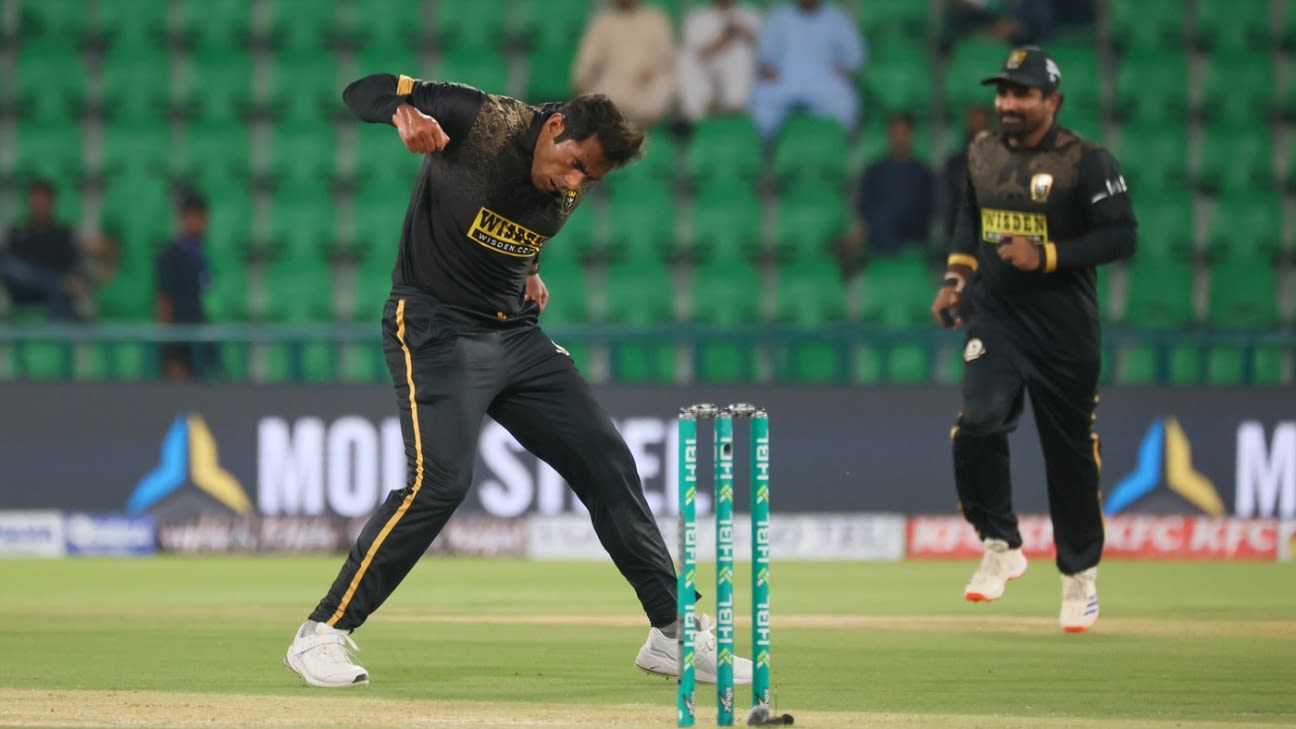
Akif Javed's Three-Wicket Haul Powers Ajman Titans to Easy Victory in Abu Dhabi T10
Labuschagne Hails Collective Effort as Hyderabad Kingsmen Rout Multan Sultans by 8 Wickets
