Mojtaba Khamenei Vows to Eliminate 'Enemy's Abuses' in Strait of Hormuz, Defend Nuclear and Missile Programs
In his first statement since becoming supreme leader, Khamenei signals a new fees regime for the strategic waterway as oil prices surge past $120 a barrel.

PAKISTAN —
Key facts
- Mojtaba Khamenei became supreme leader in early March after his father died in a bombing on 28 February.
- He has not been seen or heard since the bombing; reports say he was severely injured and is hospitalized.
- The strait of Hormuz carries about one-fifth of global oil; normal vessel traffic is 120–140 ships per day.
- Since 13 April, the US has imposed a counter-blockade on Iranian ports, seizing oil tankers.
- Oil prices have risen above $120 a barrel, nearing $125 after Trump admitted no quick resolution.
- Vessel traffic in the strait has fallen to as low as three ships per day.
- Khamenei's statement was read by a state television anchor on Persian Gulf Day.
- Iran plans to implement a new fees regime for the strait, presenting it as benefiting the region.
A Defiant First Statement from Iran's New Supreme Leader
Mojtaba Khamenei, Iran's supreme leader, has broken his silence with a defiant statement vowing to eliminate what he called 'the enemy's abuses of the waterway' and to guard the country's nuclear and missile programs. The statement, read by a state television anchor on Persian Gulf Day, marks his first public communication since he assumed power in early March following the death of his 86-year-old father in a bombing on 28 February. No recording or visual sighting of Khamenei has been broadcast since the attack, and reports indicate he was severely injured and remains hospitalized.
A New Chapter for the Persian Gulf and the Strait of Hormuz
In the statement, Khamenei declared that 'a new chapter is unfolding for the Persian Gulf and the strait of Hormuz' two months after what he described as 'the largest military deployment and aggression by the world’s bullies in the region.' He asserted that Tehran would secure the Gulf region and implement 'new management of the strait' that would bring 'comfort and progress for the benefit of all the nations of the region.' The statement also vowed that Iran would 'guard its modern technological capacities – from nano to bio to nuclear and missile – as their national capital.'
The Strait as a Strategic Leverage Point
Iran has sought to extract a price for being attacked by exerting control over the strait of Hormuz, a narrow waterway through which approximately one-fifth of global oil typically transits. Khamenei's statement suggests Tehran is determined to introduce a new fees regime for the waterway, presenting it as a belated assertion of regional sovereignty. 'Foreigners who maliciously covet it from thousands of kilometres away have no place there except at the bottom of its waters,' the statement said.
US Counter-Blockade and Soaring Oil Prices
Since 13 April, the United States has mounted a counter-blockade designed to stop oil tankers moving in or out of Iranian ports, effectively seizing up Iran's oil industry. With Pakistan-mediated talks at an impasse, there is little sign of either blockade being lifted. Oil prices have surged above $120 a barrel, and after Trump admitted on Wednesday that he knew no short way out of the impasse, prices neared $125 a barrel—levels not seen since the first weeks of Russia's full-scale invasion of Ukraine in 2022.
Dramatic Drop in Vessel Traffic
Vessel traffic levels in the strait have plummeted, sometimes reaching as low as three ships per day, compared with the normal 120 to 140 ships under typical conditions. The closure has put pressure on Trump ahead of crucial midterm elections, as oil and petrol prices have rocketed. It has also strained his Gulf allies, who rely on the waterway to export their oil and gas. the US military was still feeding Trump options to resume strikes.
Uncertainty Over Khamenei's Condition and Future Moves
Khamenei's absence from public view since the bombing that killed his father has fueled speculation about his health and ability to govern. Reports that he was severely injured and is being treated in hospital remain unconfirmed by official sources. His statement, delivered by an anchor, suggests he is still directing policy, but the lack of a visual appearance raises questions about the stability of Iran's leadership. The new fees regime for the strait, if implemented, could further escalate tensions with the US and its allies.
Regional and Global Stakes
The standoff over the strait of Hormuz has become a central flashpoint in the broader confrontation between Iran and the United States. With oil prices soaring and global energy markets under strain, the impasse carries significant economic and political consequences. Khamenei's vow to defend Iran's nuclear and missile programs signals that Tehran will not compromise on its strategic capabilities, even as the US counter-blockade cripples its oil exports. The coming weeks will test whether diplomatic channels can reopen or whether the region faces further escalation.
The bottom line
- Mojtaba Khamenei's first statement as supreme leader signals a hardline stance on the strait of Hormuz and Iran's nuclear and missile programs.
- Iran plans to impose a new fees regime for the strait, claiming it will benefit the region, but effectively asserting control over a key global oil artery.
- The US counter-blockade since 13 April has slashed vessel traffic in the strait to as low as three ships per day, from a normal 120–140.
- Oil prices have surged above $120 a barrel, nearing $125, putting pressure on Trump ahead of midterm elections and on Gulf allies.
- Khamenei has not been seen or heard since the bombing that killed his father; reports of severe injuries remain unconfirmed.
- Pakistan-mediated talks are at an impasse, with no sign of either blockade being lifted, raising the risk of further escalation.

Cricbuzz Becomes a Major Story in Pakistan as IPL 2026 Streaming Launches for US and Canada
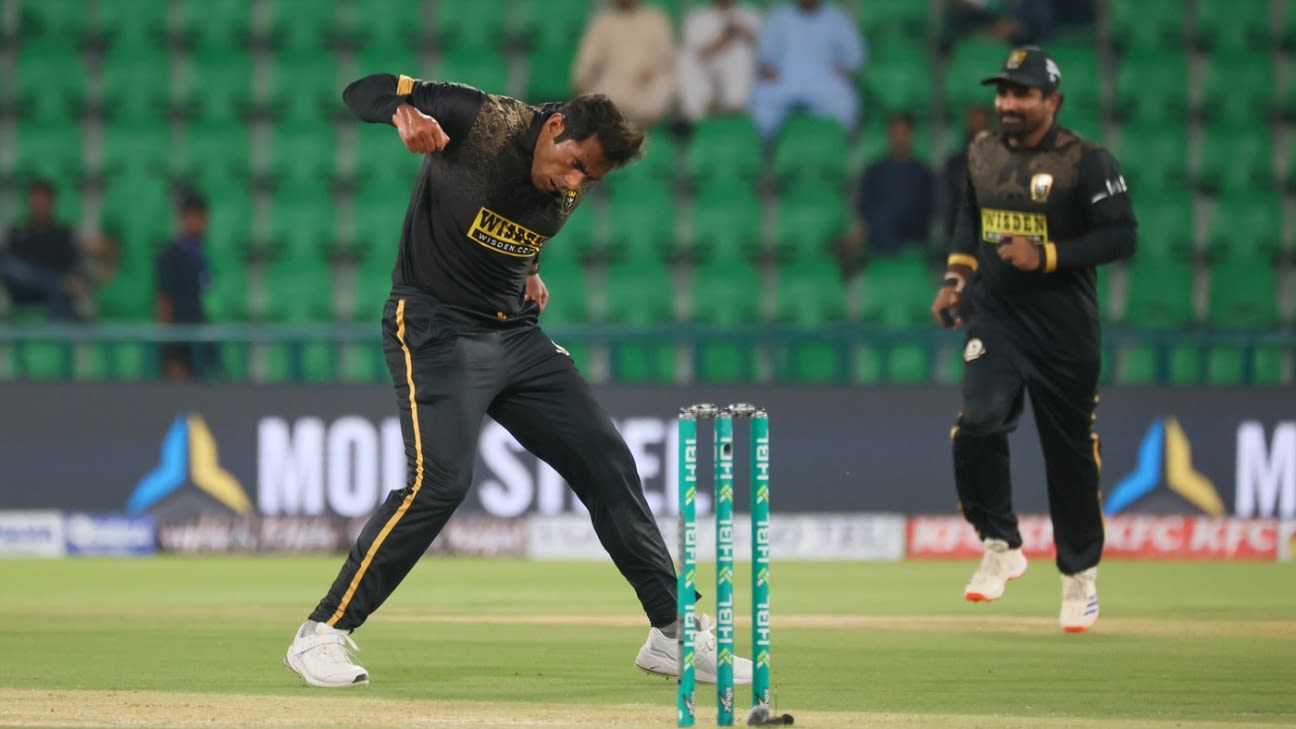
Akif Javed's Three-Wicket Haul Powers Ajman Titans to Easy Victory in Abu Dhabi T10
Labuschagne Hails Collective Effort as Hyderabad Kingsmen Rout Multan Sultans by 8 Wickets
