India Braces for ₹5 Petrol and Diesel Price Hike as Global Crude Tops $120
Government sources confirm a likely surge of up to ₹5 per litre, while a fake order claiming a ₹10-₹12.50 hike is debunked by the PIB.

PAKISTAN —
Key facts
- Petrol and diesel prices in India are likely to rise by up to ₹5 per litre, per government sources.
- International crude oil prices have climbed to $120–126 per barrel and remain above $100.
- Domestic LPG cylinders may become costlier by ₹40–50 per cylinder, the first major fuel price hike in nearly four years.
- Fuel prices are revised daily at 6:00 AM under the dynamic fuel price method introduced in June 2017.
- India imports about 80% of its oil needs, making domestic rates dependent on the Indian basket of crude oil.
- The PIB dismissed as fake a social media order claiming a ₹10 hike in petrol and ₹12.50 hike in diesel.
- Thousands of motorists thronged fuel outlets in Andhra Pradesh on April 27, 2026, fearing shortages.
- Current petrol prices: Delhi ₹94.77, Mumbai ₹103.54, Kolkata ₹105.45, Chennai ₹100.84, Bengaluru ₹102.96, Hyderabad ₹107.46 per litre.
A Looming Surge at the Pump
India is staring at a sharp increase in petrol and diesel prices, with government sources indicating a likely hike of up to ₹5 per litre amid surging global crude oil rates. The move, if implemented, would mark the first major fuel price adjustment in nearly four years and could stoke inflationary pressures across the economy. Domestic LPG cylinders are also expected to become costlier by ₹40–50 each, compounding the burden on households. The price revisions come as international crude oil has climbed to around $120–126 per barrel and remains elevated beyond the $100 mark, driven by geopolitical tensions and supply constraints.
Fake Order Debunked as Real Hike Looms
Amid the rising speculation, the Press Information Bureau (PIB) on Wednesday dismissed a social media order purportedly issued by the Ministry of Petroleum and Natural Gas that claimed a ₹10 per litre hike in petrol and ₹12.50 per litre in diesel. The PIB declared the order #FAKE, stating that the government had issued no such directive. However, official sources have confirmed that a more modest increase of up to ₹5 per litre is under consideration, reflecting the pass-through of higher crude costs to consumers. The discrepancy between the fake order and the actual plan underscores the sensitivity of fuel pricing in a country where energy costs directly affect household budgets and the broader inflation trajectory.
Daily Price Revisions and the Dynamic Fuel Pricing System
Since June 2017, India has adopted a dynamic fuel price method, under which petrol and diesel rates are revised daily at 6:00 AM by state-owned oil marketing companies—Indian Oil Corporation (IOC), Bharat Petroleum Corporation Ltd (BPCL), and Hindustan Petroleum Corporation Ltd (HPCL). The revisions are benchmarked against the international rate of the preceding 15 days. As of May 4, 2026, petrol prices across major cities show wide variation due to differing state-level taxes. In Delhi, petrol costs ₹94.77 per litre; in Mumbai, ₹103.54; in Kolkata, ₹105.45; in Chennai, ₹100.84; in Bengaluru, ₹102.96; and in Hyderabad, ₹107.46. Diesel rates also vary, with Mumbai at ₹90.01, Kolkata ₹91.81, Chennai ₹92.38, Bengaluru ₹90.98, and Delhi below ₹90 per litre.
The Crude-Dependent Calculus
India imports approximately 80% of its crude oil requirements, making domestic pump prices highly sensitive to international benchmarks. The Indian basket of crude oil, a weighted average of Oman, Dubai, and Brent grades, serves as the reference. The recent surge above $120 per barrel—a level not sustained since mid-2022—has put immense pressure on the government to either absorb costs or pass them on. Beyond crude prices, domestic fuel rates are influenced by central excise duty, state-level value-added tax (VAT), dealer margins, refining costs, and transportation expenses. The value of the rupee also plays a critical role: a weaker rupee increases the landed cost of dollar-denominated crude, amplifying the impact on retail prices. Currently, petrol and diesel are not under the Goods and Services Tax (GST) regime, leaving states free to levy their own taxes, which explains the wide price disparities across cities.
Shortage Panic Grips Andhra Pradesh and Uttar Pradesh
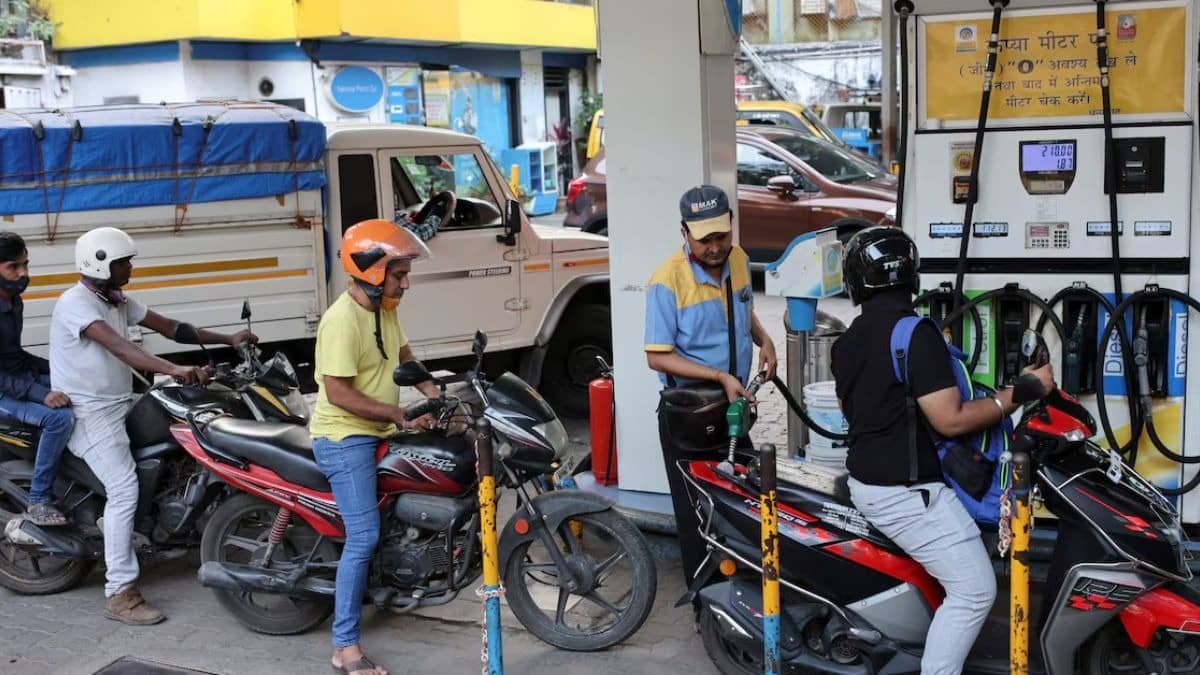
On April 27, 2026, thousands of motorists thronged fuel outlets in Andhra Pradesh, fearing a petrol and diesel shortage. The panic was fueled by rumours of supply disruptions, compounded by increased demand from the agricultural sector during the peak farming season. Similarly, in Kheri, Uttar Pradesh, long queues persisted at fuel stations as shortage rumours and farm needs kept demand elevated. The scenes of chaos highlight the fragile equilibrium of India's fuel supply chain and the public's acute sensitivity to any hint of price hikes or scarcity. While the oil marketing companies have assured adequate stocks, the psychological impact of rising global crude prices and the impending hike has already begun to manifest in consumer behaviour.
Inflationary Ripple Effects Across the Economy
Diesel is the primary energy source for transporting goods in India, and any increase in its price has a direct and immediate impact on inflation. A ₹5 per litre hike in diesel could push up the cost of everything from food grains to construction materials, as freight costs rise. The knock-on effect on the Consumer Price Index (CPI) could be significant, particularly in a country where logistics costs are a major component of final product prices. The government faces a delicate balancing act: it must manage the fiscal implications of higher crude imports while shielding consumers from the full brunt of global price volatility. The last major fuel price hike was nearly four years ago, and the current move signals a departure from that period of relative stability. Analysts will be watching for any compensatory measures, such as excise duty cuts, to cushion the blow.
Outlook: A Test of Policy Resolve
With crude oil prices showing no signs of retreat, the Indian government must decide how much of the cost to pass through to consumers. The likely ₹5 per litre hike, while significant, is far less than the ₹10–12.50 rumoured in the fake order, suggesting an attempt to manage public expectations without triggering a political backlash. Yet, the cumulative effect of higher petrol, diesel, and LPG prices could erode household disposable income and dampen economic sentiment. The coming weeks will test the government's ability to navigate the twin pressures of global energy markets and domestic political economy. For now, Indian motorists and households brace for a more expensive ride ahead.
The bottom line
- Petrol and diesel prices in India are set to rise by up to ₹5 per litre, with LPG cylinders also becoming costlier by ₹40–50.
- International crude oil has surged to $120–126 per barrel, driving the need for domestic price adjustments.
- A fake order claiming a ₹10-₹12.50 hike was debunked by the PIB, but the real hike is imminent.
- Fuel prices are revised daily under a dynamic system linked to 15-day average international rates.
- India's 80% dependence on oil imports makes it vulnerable to global crude price swings and rupee fluctuations.
- Shortage panic in Andhra Pradesh and Uttar Pradesh has already led to long queues at fuel stations.






Pakistan Braces for 37°C Heat as Rain Clears, Winds Drop

Rain Washes Out Second T20I in Chattogram, Bangladesh Clinch Series
Rain Washes Out Second T20I as Bangladesh Secures Series Lead