Samsung Galaxy S27 Ultra to Debut 200MP Variable Aperture Camera, Drop 3x Telephoto
Leaks reveal a triple-camera overhaul and a return to variable aperture technology, last seen on the Galaxy S10 series.

PAKISTAN —
Key facts
- Samsung is testing a 200MP main sensor with variable aperture for the Galaxy S27 Ultra.
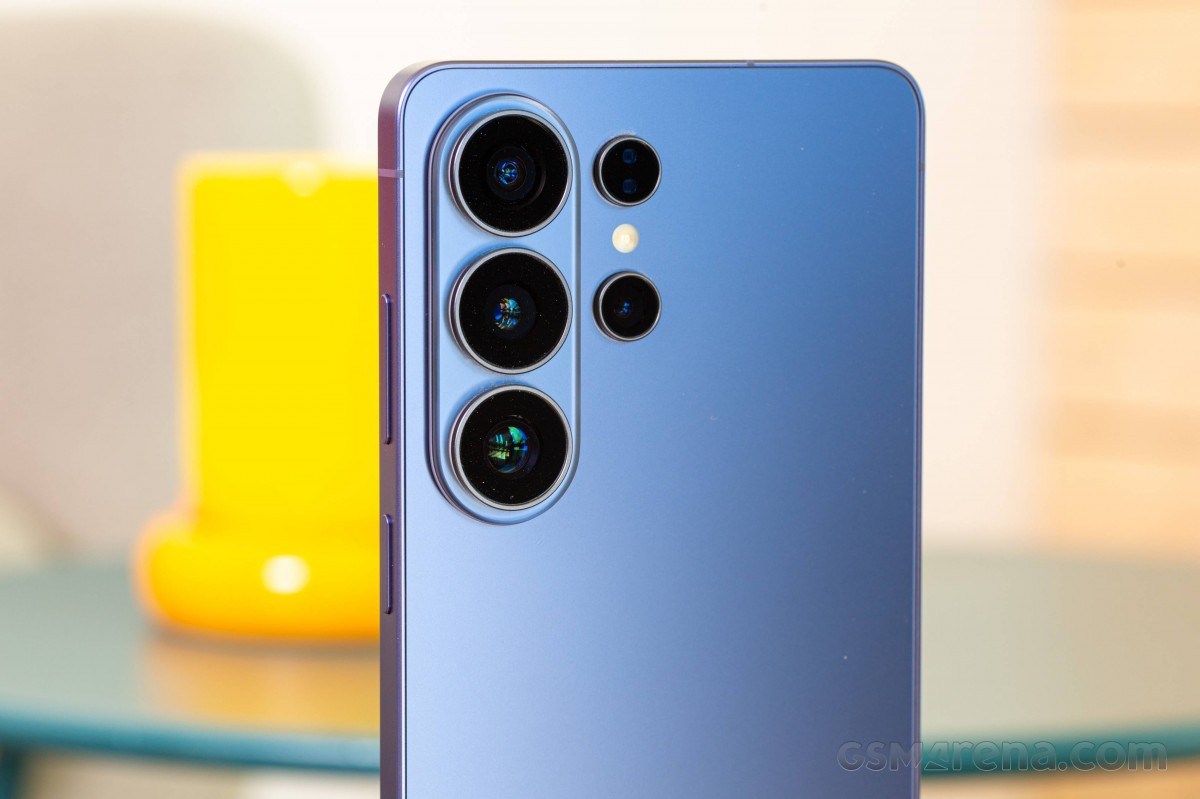
- The phone is expected to switch to a triple rear camera setup, dropping the 3x telephoto lens.
- Samsung last used variable aperture on the Galaxy S10 series, allowing physical aperture adjustment for lighting conditions.
- Apple is also rumored to introduce variable aperture on the iPhone 18 Pro series.
- The 200MP sensor is said to support LOFIC (Lateral Overflow Integration Capacitor) technology.
- The Galaxy S27 Ultra is expected to feature a near 1-inch 200MP rear camera.
- The device is codenamed 'Project Diamond' and will likely use the Snapdragon 8 Gen 6 chipset globally, ending the Exynos split.
A Return to Variable Aperture
Samsung is preparing to reintroduce variable aperture technology on its flagship Galaxy S27 Ultra, a feature absent from its smartphones since the Galaxy S10 series. According to leaks from tipster Smart Pikachu on Weibo, the company is testing a 200-megapixel main sensor with a variable aperture that can physically adjust its opening based on lighting conditions. This mechanism improves performance in both bright and low-light scenarios, offering a significant upgrade over current fixed-aperture cameras. The move marks a strategic shift for Samsung, which abandoned variable aperture after the Galaxy S10 line. Apple is also rumored to adopt a similar variable aperture rear camera on its upcoming iPhone 18 Pro series, signaling a broader industry trend toward hardware-driven computational photography. The Galaxy S27 Ultra’s camera system is expected to be a key differentiator in the premium smartphone market.
Triple Camera Overhaul and Dropped Telephoto
Recent leaks suggest that the Galaxy S27 Ultra will feature a redesigned rear camera island with a triple-camera setup, a departure from the quad-camera configurations of recent Ultra models. The 3x telephoto lens, a staple of the Ultra lineup, is reportedly being dropped. Instead, the phone will rely on a 200MP main sensor with LOFIC (Lateral Overflow Integration Capacitor) technology, which enhances dynamic range by capturing more light without saturation. The decision to reduce the number of cameras reflects a focus on sensor quality over quantity. The 200MP sensor is said to approach a 1-inch format, promising improved low-light performance and detail. This overhaul aligns with Samsung’s goal to compete with rivals like Xiaomi and Oppo, which have been praised for their camera innovations in non-Ultra models.
3nm Chipset and Unified Snapdragon Architecture
The Galaxy S27 Ultra will be powered by the Snapdragon 8 Gen 6 chipset, built on Samsung Foundry’s second-generation 3-nanometer Gate-All-Around (GAA) process. This represents a 20% improvement in power efficiency and a 15% performance boost over current 4nm chips. The move to a unified Qualcomm processor across all regions is expected to end the controversial Exynos-Snapdragon split, providing consistent performance and a unified Neural Processing Unit (NPU) architecture. The NPU, capable of 45 trillion operations per second (TOPS), is designed to support Samsung’s Galaxy AI suite, which includes real-time video translation and generative photo editing. Running these AI tasks on-device rather than in the cloud addresses privacy concerns and reduces latency, particularly in low-connectivity areas. The chipset’s thermal efficiency is critical for markets like Kenya, where high temperatures cause screen dimming and throttling in current models.
Pricing and Market Dynamics in Kenya
The Galaxy S27 Ultra is expected to launch at $1,199 (approximately KES 155,870), but Kenyan consumers may face a retail price exceeding KES 200,000 due to a weakening shilling and higher import levies on electronics. This has fueled a secondary market for refurbished and grey-market devices in Nairobi’s Luthuli Avenue and on platforms like Jumia. The high price point puts Samsung in direct competition with OnePlus, which is preparing a '15T' performance refresh aimed at mobile gamers in emerging markets by stripping features like wireless charging and telephoto lenses to lower costs. Google’s Pixel 10, meanwhile, is expected to undercut Samsung by at least $200 through aggressive price cuts achieved by manufacturing in India and Vietnam. The Kenyan high-end phone market has grown 12.4% year-on-year, making it a key battleground for premium devices. Samsung’s ability to justify the $1,000+ price tag will depend on the real-world benefits of on-device AI and improved thermal performance.
On-Device AI as the Core Justification
The Galaxy S27 Ultra’s most significant innovation may be its software rather than hardware. Samsung is betting on local AI execution, running large language models (LLMs) directly on the device to enable features like document translation and meeting summarization without an active internet connection. This 'edge computing' approach addresses privacy and latency issues, particularly for users in rural areas with limited connectivity. The 5,200 mAh battery with 65W charging is designed to support the increased computational demands of AI tasks. The 3nm GAA process is critical to achieving the thermal efficiency needed to sustain AI workloads without overheating. For Samsung, the success of the Galaxy S27 Ultra hinges on convincing consumers that these AI capabilities are worth the premium price, especially as hardware improvements in screens and cameras reach diminishing returns.
What Comes Next
The Galaxy S27 Ultra is still far from its official debut, but the early leaks paint a picture of a device that aims to redefine smartphone photography and AI performance. Samsung’s decision to drop the 3x telephoto and return to variable aperture suggests a willingness to take risks in a mature market. The adoption of a unified Snapdragon chipset globally could simplify supply chains and improve developer support. However, the company faces stiff competition from Apple’s rumored variable aperture camera, OnePlus’s performance-focused strategy, and Google’s aggressive pricing. The ultimate test will be whether the Galaxy S27 Ultra’s combination of a 200MP variable aperture sensor, 3nm chipset, and on-device AI can justify its premium price tag in markets like Kenya, where value for money is paramount. The industry will be watching closely as Samsung prepares to unveil its next-generation flagship.
The bottom line
- Samsung is testing a 200MP main sensor with variable aperture for the Galaxy S27 Ultra, a feature last seen on the Galaxy S10 series.
- The phone will switch to a triple rear camera setup, dropping the 3x telephoto lens that has been a staple of Ultra models.
- The Snapdragon 8 Gen 6 chipset, built on a 3nm GAA process, will power the device globally, ending the Exynos-Snapdragon split.
- On-device AI capabilities, including real-time translation and generative photo editing, are central to Samsung’s strategy to justify the $1,199 price.
- Kenyan consumers may face prices over KES 200,000 due to import levies and currency weakness, driving demand for grey-market devices.
- Competitors like OnePlus and Google are targeting the same market with performance-focused or lower-priced alternatives.






Pakistan Braces for 37°C Heat as Rain Clears, Winds Drop

Rain Washes Out Second T20I in Chattogram, Bangladesh Clinch Series
Rain Washes Out Second T20I as Bangladesh Secures Series Lead