Singapore Airlines Delays Cabin Upgrade Amid Supply Chain Woes
Rollout of new first and business class seats on Airbus A350 fleet pushed to 2027.
SINGAPORE —
Key facts
- Singapore Airlines has delayed its next-generation cabin seat rollout.
- New first and business class seats now expected in Q1 2027.
- Original launch date was Q2 2026.
- Delay attributed to industry-wide supply chain constraints.
- Certification issues for one new seat also cited.
- The upgrade impacts 41 Airbus A350-900 aircraft.
- The airline is investing S$1.1 billion (US$863 million) in the program.
Cabin Refresh Pushed Back
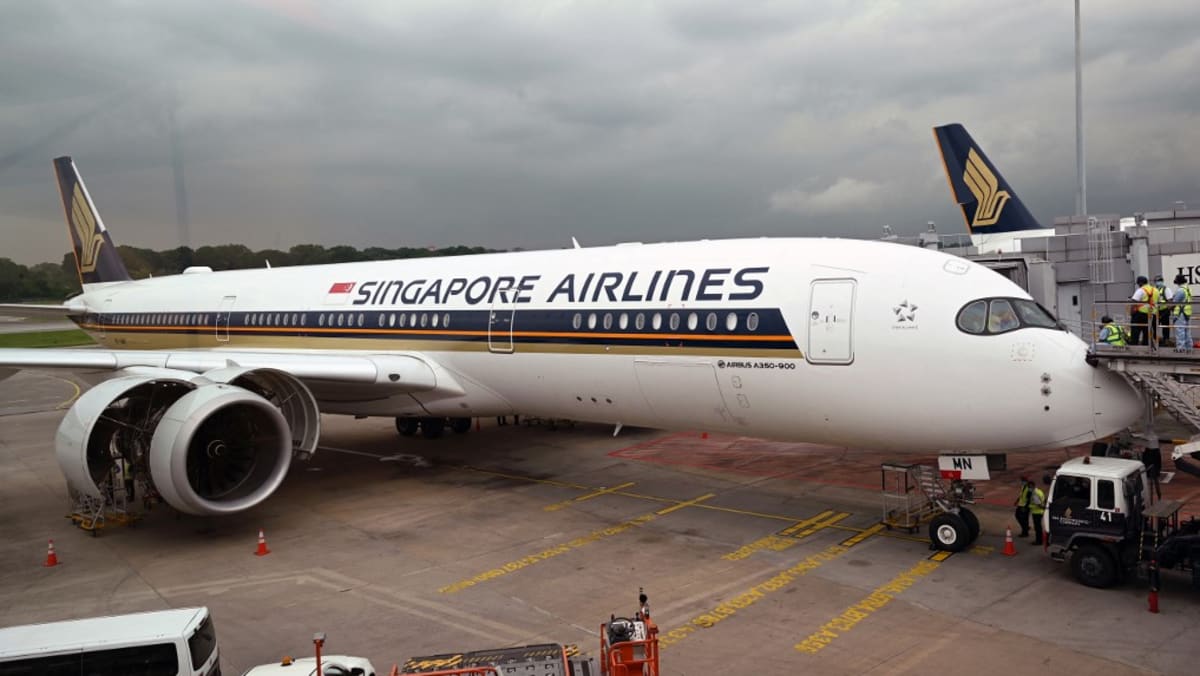
Singapore Airlines' highly anticipated upgrade to its first and business class cabins, featuring next-generation seats on its Airbus A350-900 aircraft, will now enter service in the first quarter of 2027. This marks a significant delay from the previously scheduled launch in the second quarter of 2026. The revised timeline, confirmed by the airline on Wednesday, impacts a fleet of 41 Airbus A350-900 long-haul and ultra-long-range (ULR) aircraft. The ambitious cabin overhaul is central to the carrier's strategy to maintain its premium market position. The decision to postpone the rollout underscores the persistent challenges facing global aviation manufacturers and suppliers. The airline's spokesperson pointed to "industry-wide supply chain constraints" as a primary reason for the shift.
Certification Hurdles and Supply Chain Strain
Beyond broader supply chain disruptions, a specific delay in the certification process for one of the new seat designs has contributed to the revised schedule. This dual challenge highlights the complex interdependencies in modern aircraft manufacturing and cabin outfitting. The upgrade program, initially announced in November 2024, represents a substantial investment of S$1.1 billion (US$863 million). The comprehensive refit aims to install all-new long-haul cabin products designed for spaciousness and ergonomic comfort, catering to a wide range of passenger needs. SIA Engineering Company in Singapore is undertaking the retrofit work. The airline has stated that the entry-into-service of the retrofitted A350-900 is subject to regulatory approvals, with further updates on the ultra-long-range variants to be provided at a later date.
Fleet Configuration and Design
The cabin overhaul encompasses not only first and business class but also premium economy and economy class cabins. The airline had previously indicated that the new products were designed from the ground up, emphasizing spacious layouts and ergonomic elements. While specific cabin configurations vary across the fleet, the seven A350-900ULR variants are slated to feature four first-class seats, 70 business-class seats, and 58 premium economy seats. In contrast, the 34 A350-900 long-haul aircraft will be configured with 42 business-class seats, 24 premium economy seats, and 192 economy seats. A teaser image released in 2024 offered a glimpse of the new business-class product, suggesting the inclusion of privacy doors, a feature reminiscent of Qatar Airways' Qsuite, signaling a commitment to enhanced passenger privacy and luxury.
Broader Industry Context
The delays experienced by Singapore Airlines are symptomatic of wider issues affecting the aerospace sector. Manufacturers and airlines globally are grappling with extended lead times for components and materials, exacerbated by geopolitical events and a surge in demand as air travel recovers. This situation affects not only new aircraft deliveries but also cabin modification programs. Airlines investing heavily in fleet upgrades face the challenge of balancing ambitious timelines with the realities of production and supply chain bottlenecks. The strategic importance of these cabin upgrades for carriers like Singapore Airlines cannot be overstated. In a competitive premium travel market, enhanced onboard products are a key differentiator, influencing passenger choice and brand loyalty. The extended timeline for this particular upgrade means competitors may have a longer window to capture market share with their existing offerings.
Economic Impact and Investment
The S$1.1 billion investment underscores Singapore Airlines' commitment to its premium product offering, even in the face of operational challenges. This significant capital expenditure is intended to secure the airline's competitive edge on long-haul routes, where cabin comfort and amenities are paramount. The retrofitting process, managed by SIA Engineering Company, also represents a substantial undertaking for the airline's MRO (Maintenance, Repair, and Overhaul) division. Ensuring the quality and timely completion of such extensive cabin modifications requires meticulous planning and execution. While the delay is a setback, the airline's continued investment signals confidence in the long-term demand for premium air travel. The focus remains on delivering a superior passenger experience once the new cabins are finally introduced.
Outlook for Premium Travel
The delayed introduction of Singapore Airlines' next-generation cabins highlights the intricate planning and external factors that shape airline product development. The airline's commitment to the upgrade, despite the setbacks, suggests a strategic imperative to enhance its premium offering. Passengers awaiting the new seats will need to exercise patience as the airline navigates supply chain complexities and certification processes. The eventual rollout, now slated for early 2027, is expected to reaffirm Singapore Airlines' position as a leader in cabin innovation. The success of this extensive retrofit program will be a key indicator of the airline's ability to adapt to evolving industry challenges while delivering on its promise of a superior travel experience.
The bottom line
- Singapore Airlines' next-generation first and business class seats will now debut in Q1 2027, a delay from Q2 2026.
- The postponement is attributed to industry-wide supply chain constraints and a certification delay for one seat type.
- The upgrade affects 41 Airbus A350-900 aircraft, with a total investment of S$1.1 billion (US$863 million).
- Specific cabin configurations vary, with ULR variants featuring more premium seats than standard long-haul versions.
- The airline's MRO arm, SIA Engineering Company, is handling the retrofitting work in Singapore.
- The delay underscores broader challenges within the aerospace sector impacting production and delivery timelines.





Crypto.com Launches Hybrid IRAs, Merging Stocks and Digital Assets in Tax-Advantaged Retirement Accounts

Knicks and 76ers Renew Rivalry in East Semifinals as Embiid Seeks Redemption

Singapore Crackdown Seizes Thousands of Illegal Health Products
