US Strikes Iran After Naval Clash in Strait of Hormuz
Centcom confirms strikes on Iranian military sites following an exchange of fire, while President Trump asserts a ceasefire remains intact.

SINGAPORE —
Key facts
- US forces intercepted Iranian attacks and responded with self-defense strikes in the Strait of Hormuz on Thursday.
- Iran accused the US of violating a fragile ceasefire by striking an Iranian tanker.
- President Donald Trump stated the US-Iran ceasefire remains in effect, describing the strikes as 'just a love tap'.
- CENTCOM targeted Iranian military facilities including missile and drone launch sites, command and control locations, and ISR nodes.
- The exchange occurred as US Navy destroyers transited the strait, a critical global oil-shipping route.
- Iran reportedly launched missiles, drones, and small boats toward the US ships.
- Trump warned of more violent future attacks if Iran does not sign a nuclear deal quickly.
Hostilities Flare in Critical Waterway
The United States and Iran exchanged fire in the Strait of Hormuz, a vital artery for global oil transport, raising fresh concerns over a fragile ceasefire agreement. Central Command (CENTCOM) stated its forces intercepted unprovoked Iranian attacks and responded with self-defense strikes as three U.S. Navy destroyers navigated the strait late Thursday. Earlier, Iran accused the U.S. of breaching the two nations' delicate truce by targeting multiple locations within and around the chokepoint. This renewal of hostilities further jeopardizes a ceasefire already strained by repeated allegations of violations from both sides. The incident unfolded as Iran was reportedly considering a U.S. proposal aimed at ending the ongoing war and paving the way for further nuclear negotiations.
US Forces Detail 'Self-Defense Strikes'
CENTCOM's statement detailed that Iranian forces initiated the confrontation by launching multiple missiles, drones, and small boats as the U.S. vessels were en route to the Gulf of Oman. In response, U.S. forces "eliminated inbound threats and targeted Iranian military facilities responsible for attacking U.S. forces." These targeted facilities included missile and drone launch sites, command and control locations, and intelligence, surveillance, and reconnaissance nodes. CENTCOM emphasized its objective was not escalation, stating, "CENTCOM does not seek escalation but remains positioned and ready to protect American forces." An Iranian military official, however, presented a different narrative, asserting in a translated statement to state news outlets that the "aggressive, terrorist, and bandit American army" violated the ceasefire by attacking an Iranian tanker moving from its coastal waters toward the strait.
Trump Affirms Ceasefire Amidst Exchange
President Donald Trump, addressing the situation, asserted that the ceasefire between the U.S. and Iran remains in effect. He characterized the U.S. strikes as "just a love tap" during a call with an ABC News reporter. Later, in a Truth Social post, Trump claimed the U.S. had "completely destroyed" the Iranian assets involved in the exchange, which he described as small boats and drones that fell "ever so beautifully down to the Ocean, very much like a butterfly dropping to its grave!" He reiterated a warning that Iran would face significantly more forceful retaliation in the future if a nuclear deal is not swiftly agreed upon. "Just like we knocked them out again today, we'll knock them out a lot harder, and a lot more violently, in the future, if they don't get their Deal signed, FAST!" Trump wrote.
A Fragile Truce Under Strain
The exchange in the Strait of Hormuz represents a significant challenge to the existing ceasefire, which has been under considerable pressure. Repeated accusations of breaches from both Washington and Tehran have already weakened the agreement. The U.S. military's actions, framed as self-defense, underscore the volatile security environment in the region. The strait itself is a critical chokepoint, with approximately one-fifth of global oil consumption passing through it annually. CENTCOM's statement on the status of the ceasefire was notably absent, leaving ambiguity about its current standing amidst the renewed hostilities.
Broader Geopolitical Stakes
This latest flare-up occurs against a backdrop of complex geopolitical maneuvering, including review of a U.S. proposal intended to end the war and facilitate further nuclear talks. The outcome of these discussions remains uncertain. President Trump's linkage of future military actions to the signing of a nuclear deal highlights the intertwined nature of security and diplomatic efforts. The U.S. stance, as articulated by CENTCOM, is to protect its forces while not actively seeking further escalation. However, the cyclical nature of accusations and retaliatory actions in this strategic waterway poses a persistent threat to regional stability and global energy markets.
The bottom line
- A U.S.-Iran exchange of fire occurred in the Strait of Hormuz on Thursday, involving naval vessels, drones, and missiles.
- The U.S. military conducted self-defense strikes on Iranian military facilities it claims were responsible for initiating attacks.
- President Trump maintains that the U.S.-Iran ceasefire remains in effect, despite the military engagement.
- Iran accused the U.S. of violating the ceasefire by targeting an Iranian tanker.
- The incident has further strained an already fragile ceasefire agreement between the two nations.
- President Trump issued a warning of more severe future consequences for Iran if a nuclear deal is not signed promptly.


Mother’s Day Observance Dates and Origins Trace to Early 20th Century

Sheng Siong Raises Profit 12.6% as Analysts Lift Targets on Store Expansion Runway
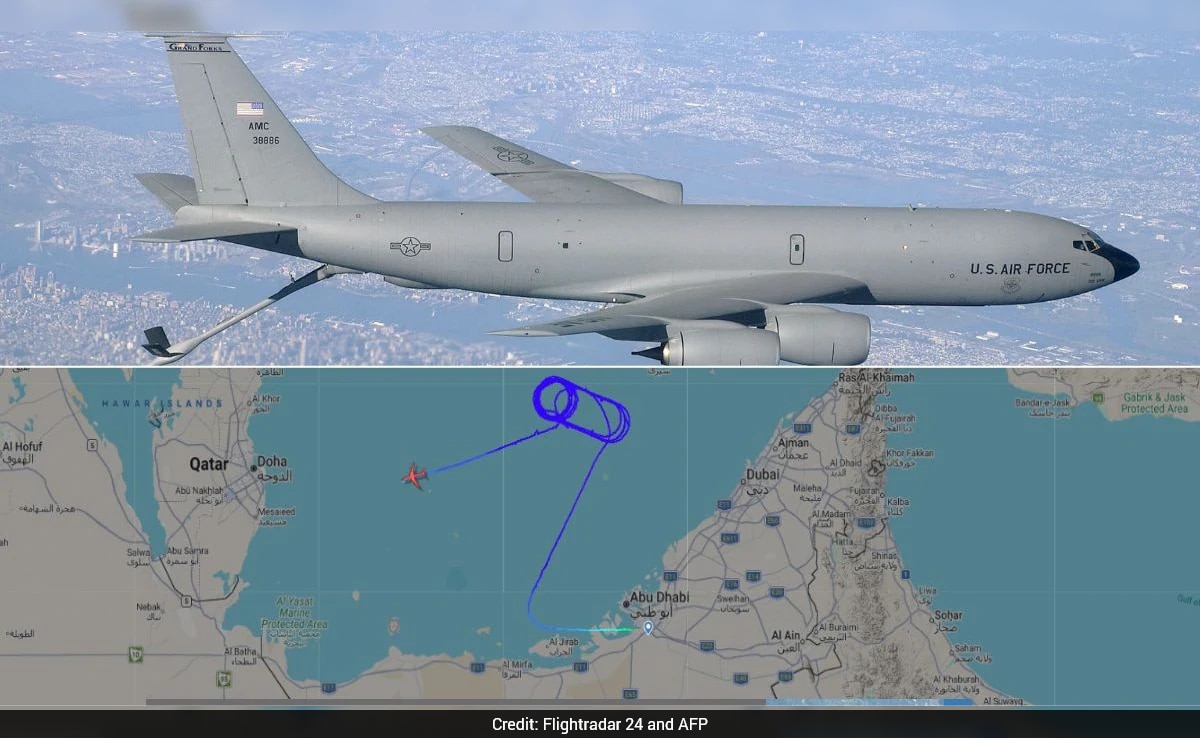
US KC-135 Stratotanker Vanishes Over Qatar After Broadcasting Distress Signal
