Japan warns of increased megaquake risk after 7.7-magnitude temblor
The Japan Meteorological Agency issued a rare special advisory for a potential magnitude 8 or stronger quake in the coming week, as thousands evacuated coastal areas.
SINGAPORE —
Key facts
- A 7.7-magnitude earthquake struck off Iwate prefecture at a depth of 10 km on Monday.
- The Japan Meteorological Agency warned of a 1% chance of a megaquake in the next week, up from 0.1% normally.
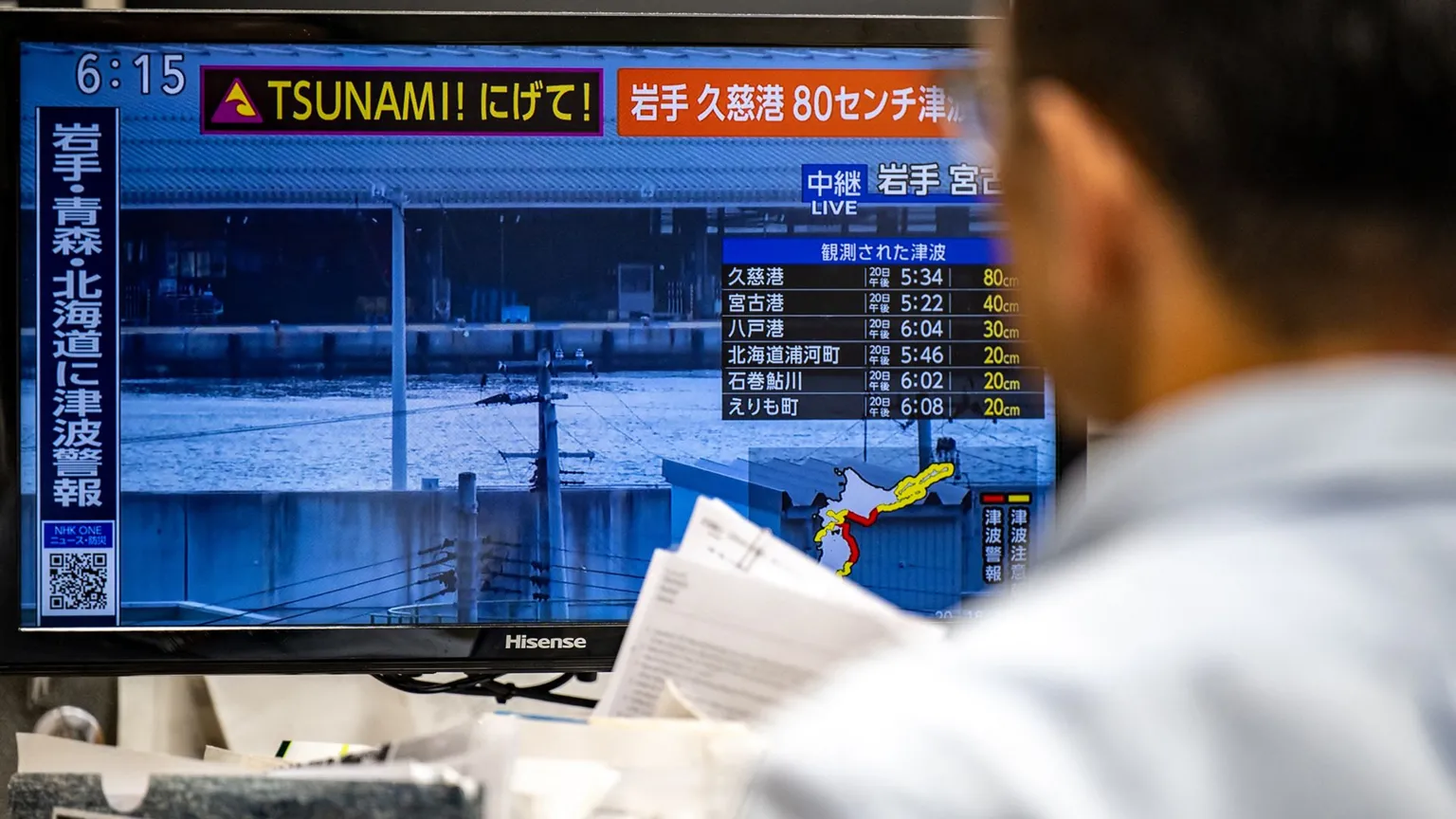
- Tsunami warnings of up to 3 m were issued; the largest wave measured 80 cm.
- Over 170,000 people across several prefectures were ordered to evacuate.
- No major damage or injuries were reported.
- The quake revived memories of the 2011 Tohoku earthquake and tsunami that killed over 18,000 people.
- Misinformation about the quake spread on social media, prompting the communications ministry to call for countermeasures.
Rare advisory for stronger quake
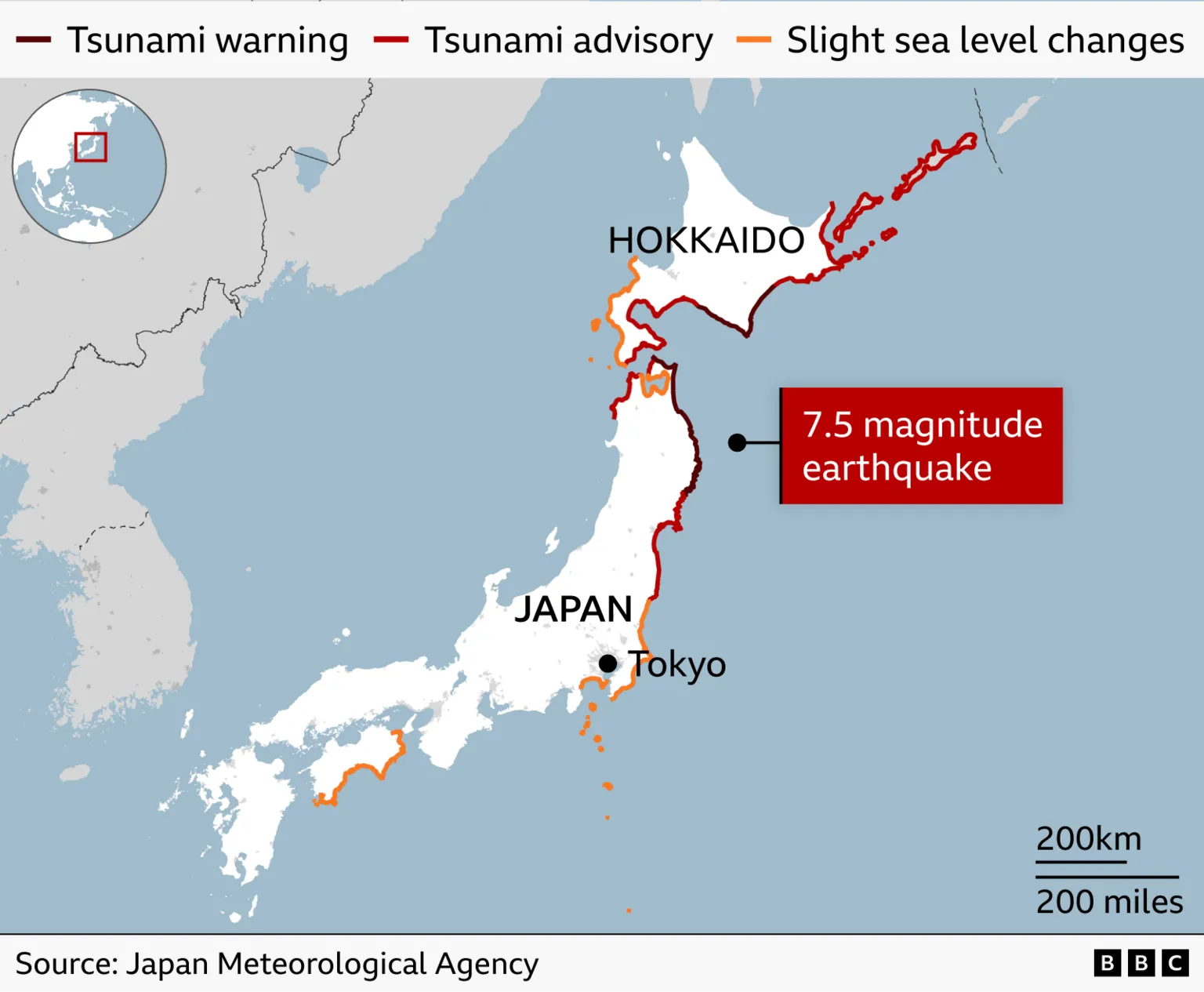
Hours after the 7.7-magnitude earthquake struck off Japan's north-east coast, the Japan Meteorological Agency issued a special advisory warning of a slightly elevated risk of a temblor with a magnitude of 8 or stronger in the coming days. The agency said there was a 1 per cent chance of a megaquake, compared with 0.1 per cent at other times. Authorities stressed that the risk of a quake measuring 8.0 magnitude or higher was "relatively higher than during normal times". The warning is a risk assessment rather than a prediction, the agency emphasised.
Evacuations and tsunami alerts
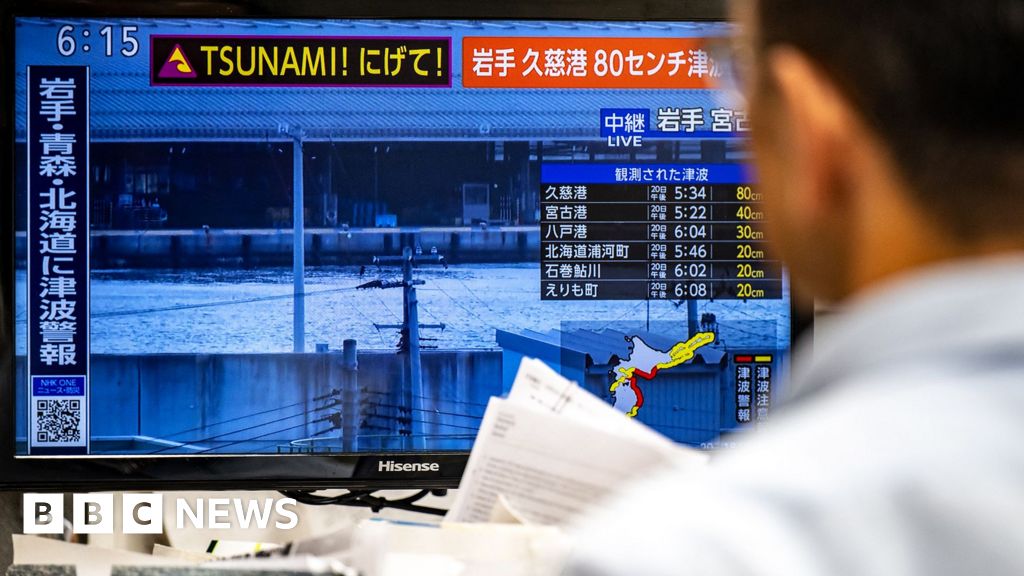
Thousands of people were told to leave coastal areas for higher ground after the quake in waters off Iwate prefecture, 530 km north of Tokyo. More than 170,000 people across several prefectures were ordered to evacuate after tsunami warnings were issued across parts of Japan's east coast. The biggest tsunami waves measured 80 cm. Tsunami warnings and advisories were lifted hours after the quake on Monday. In Hokkaido, tsunami alerts remained in place hours after the quake struck at 16:52 local time.
Tremors felt in Tokyo; bullet trains affected
Tremors were felt as far away as Tokyo. A number of bullet trains were affected, and 100 homes were without power, Japan's Cabinet Secretary Minoru Kihara told reporters. of major damage or injuries. Train services resumed on Monday night. Chaw Su Thwe, a Myanmar national living in Hokkaido, told the BBC: "As soon as we heard the earthquake alert, everyone ran downstairs. However, this time the shaking was relatively mild." She added that local authorities were using loudspeakers to warn people about a possible tsunami and that office workers had been allowed to leave work early.
Wider context: megathrust risk and Bali warnings
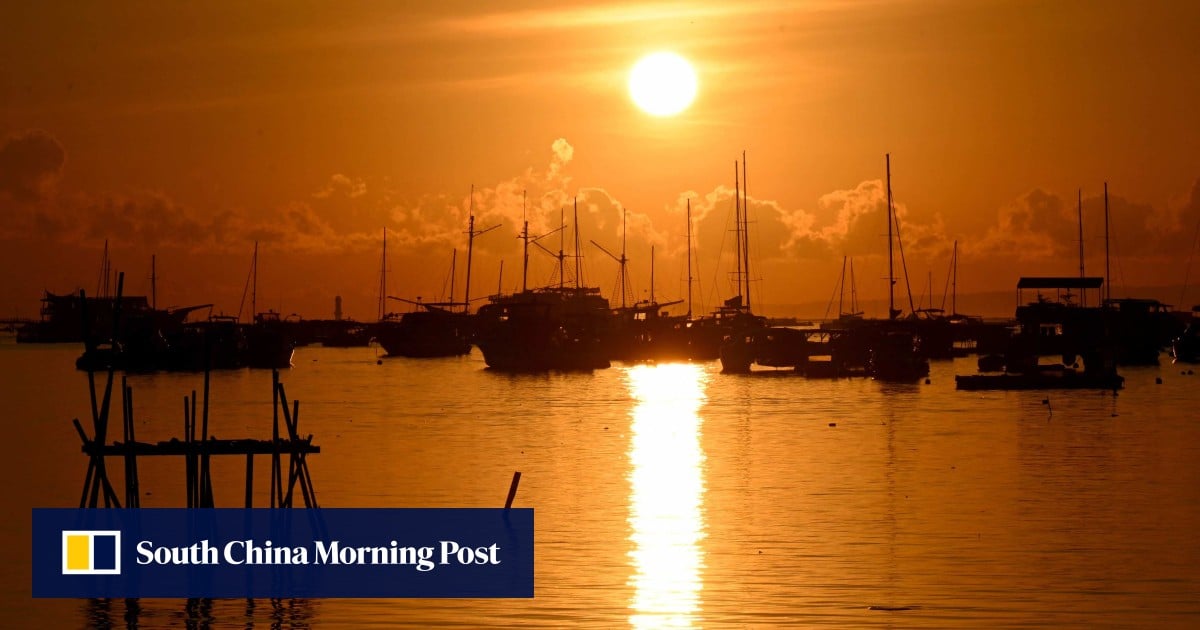
Monday's temblor came just days after the Bali Meteorology, Climatology, and Geophysics Agency (BMKG) issued a fresh round of warnings about the risk of a megathrust earthquake with a magnitude of 9.0 hitting the island. Bali, Sumba and the Flores Islands are expected to be the worst hit from a megathrust earthquake in the Sumba fault. According to the US Geological Survey, a megathrust occurs when a stuck tectonic plate along a fault slips under its neighbour, resulting in giant earthquakes. Other more frequent smaller earthquakes also occur within the lower plate or the crust of the upper plate. The BMKG stressed that the warnings were a risk assessment rather than a prediction.
Memories of 2011 disaster and misinformation
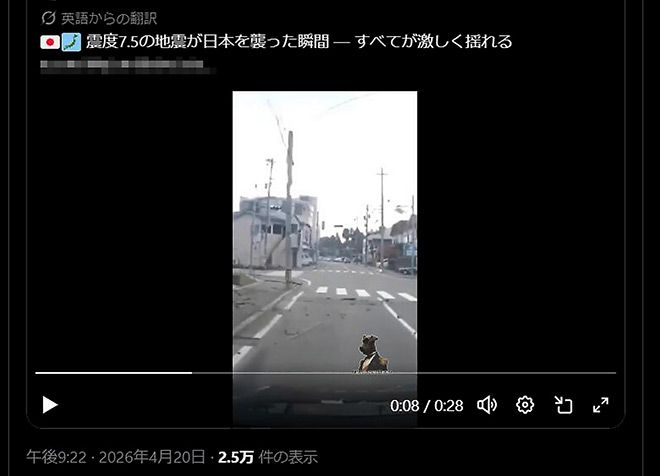
People in Japan are still scarred by memories of a huge quake in 2011 that triggered a tsunami which killed more than 18,000 people and caused a meltdown at the Fukushima nuclear plant. The 2011 disaster remains a stark reminder of the potential devastation. After Monday's quake, posts containing misinformation and blatant lies flooded social media, leading the communications ministry to call for countermeasures. A translated post from April 20 showed a video taken at the time of the Noto Peninsula earthquake in 2024, falsely presented as footage from the latest event.
Outlook: heightened alert and preparedness
The Japan Meteorological Agency has warned that quakes "causing even stronger shaking" could occur in the next week, producing bigger waves. Authorities are urging residents to remain vigilant and prepared for potential aftershocks or a larger event. While no major damage or injuries have been reported so far, the rare advisory underscores the persistent seismic threat facing Japan. The government continues to monitor the situation closely, with evacuation orders still in effect for some areas.
The bottom line
- Japan's meteorological agency issued a rare special advisory for a potential magnitude 8 or stronger earthquake in the next week.
- A 7.7-magnitude quake triggered tsunami warnings and evacuations of over 170,000 people, but caused no major damage or injuries.
- The largest tsunami wave measured 80 cm, far below the initial warnings of 3 m.
- The event revived memories of the 2011 Tohoku disaster that killed over 18,000 people.
- Misinformation about the quake spread on social media, prompting government calls for countermeasures.
- Separate warnings about a potential megathrust earthquake in Bali highlight broader regional seismic risks.

Single Ticket Wins S$12.8 Million Toto Jackpot in Singapore Cascade Draw

Trump Warns Iran Will Be 'Blown Off the Face of the Earth' as Strait of Hormuz Crisis Escalates

Magnitude 4 Quake Strikes Nara Prefecture; No Tsunami Risk