UAE Hit by Iranian Missiles and Drone as Fragile Ceasefire Unravels
Tehran strikes at the United Arab Emirates for the first time since early April, as Washington pushes to reopen the Strait of Hormuz and the wider truce frays.
SINGAPORE —
Key facts
- Iran launched four cruise missiles at the UAE; three were shot down, one fell into the sea.
- An Iranian drone sparked a fire at a key oil facility in Fujairah, the UAE's biggest oil storage hub.
- Three Indian citizens were injured in the Fujairah attack and taken to hospital.
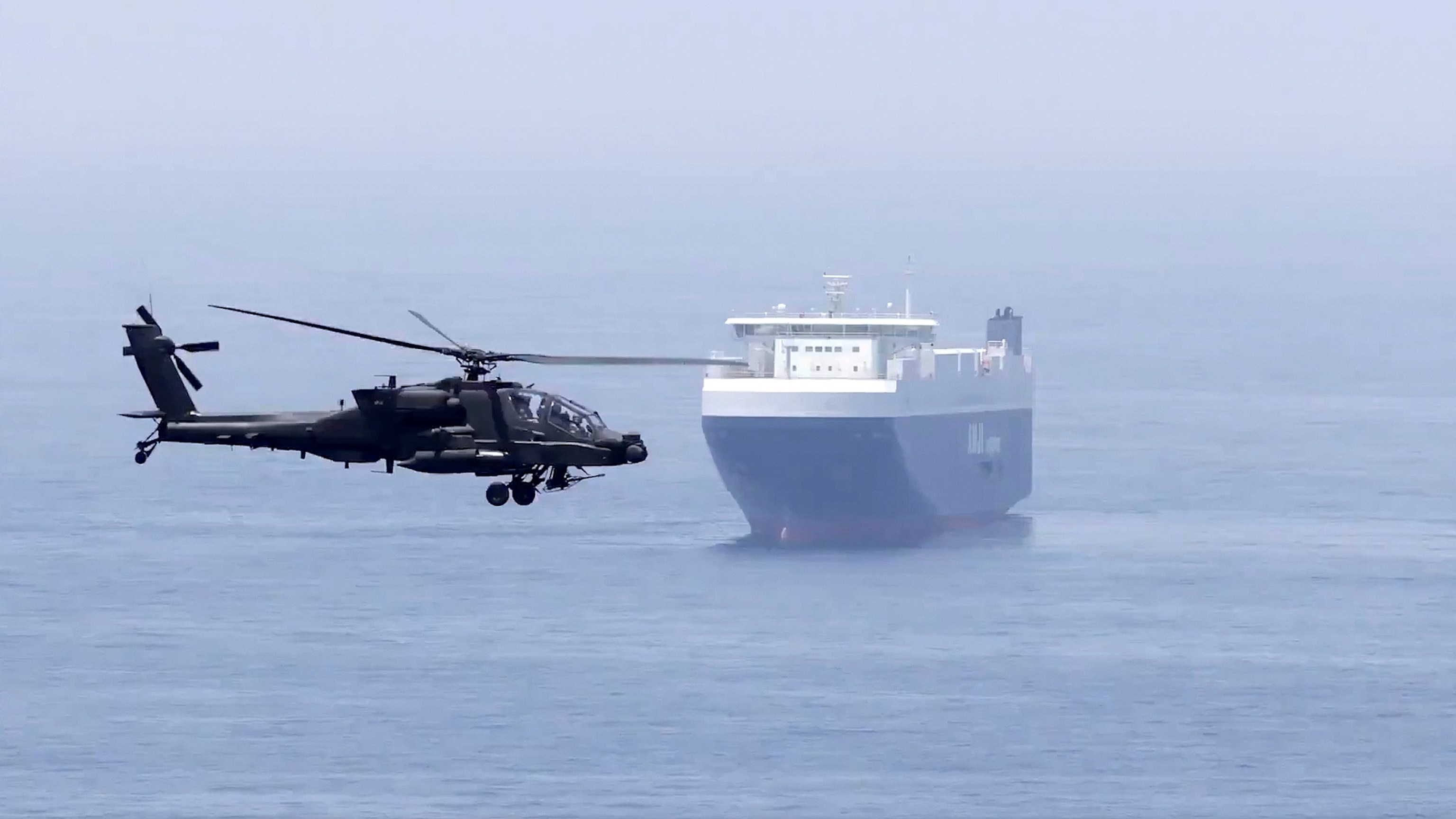
- two cargo vessels ablaze off the UAE coast.
- The U.S. military sank six Iranian small boats during efforts to reopen the Strait of Hormuz.
- Two U.S.-flagged merchant ships successfully transited the strait under the new 'Project Freedom' initiative.
- Iran's Revolutionary Guard Corps denied any commercial vessels had crossed the strait, calling U.S. claims 'baseless lies.'
- Israel has continued daily air strikes in southern Lebanon, killing at least 100 people in four days.
First Iranian Attack on UAE Since Ceasefire
The United Arab Emirates said Monday it came under Iranian attack for the first time since a fragile ceasefire took hold in early April, marking a dangerous escalation that threatens to unravel the truce. The UAE foreign affairs ministry described the strikes as 'a dangerous escalation and an unacceptable transgression,' reserving its 'full and legitimate right to respond.' The attacks appeared to be a direct response to U.S. President Donald Trump's latest push to reopen the Strait of Hormuz, a critical waterway for global energy that Iran has effectively controlled since the war began. Iran fired four cruise missiles, with three intercepted and one crashing into the sea, while an Iranian drone ignited a fire at a key oil facility in the eastern emirate of Fujairah.
U.S. Launches 'Project Freedom' to Break Iranian Chokehold
President Donald Trump announced 'major combat operations' against Iran on February 28, with massive joint U.S.-Israeli strikes targeting military, government and infrastructure sites. After a two-week ceasefire was declared, initial U.S.-Iran talks in Pakistan in April failed to produce a peace deal, leading Trump to extend the ceasefire indefinitely while maintaining a U.S. blockade until negotiations conclude 'one way or the other.' On Monday, the U.S. military launched 'Project Freedom,' a new initiative to restore traffic through the Strait of Hormuz. Admiral Brad Cooper, head of U.S. Central Command, confirmed that two American-flagged merchant ships successfully transited the strait with U.S. assistance. The U.S.-led Joint Maritime Information Center is now advising ships to cross through an 'enhanced security area' in Oman's waters.
Iran Denies U.S. Success, Threatens to Attack
Iran's Revolutionary Guard Corps flatly denied that any commercial vessels or tankers had crossed the strait, calling U.S. claims 'baseless and complete lies' via the Tasnim news agency. A senior Iranian commander separately warned that Iran would attack any U.S. forces operating in the Strait of Hormuz. The White House did not immediately respond to questions about the UAE attacks and their implications for the ceasefire. When asked about the strikes during a 'Project Freedom' briefing, Admiral Cooper told reporters he would 'refer to the UAE on that.' Iran's foreign ministry spokesperson, Baghaei, confirmed that Tehran had received a U.S. counter-proposal to end the war, while Trump said negotiations were going 'very well.'
Economic Shockwaves: Oil Prices, Inflation, and a Shuttered Airline
Iran's effective closure of the Strait of Hormuz has caused a spike in worldwide fuel prices and rattled the global economy. Inflation in Europe hit 3 percent, driven by the oil price shock from the war. Spirit Airlines shut down, blaming the cost of fuel due to the Middle East conflict. The U.S. blockade has increasingly threatened Iran's oil industry, which is already battered by months of internet shutdown that has crushed businesses. Breaking Iran's chokehold on the strait would ease global economic concerns and deny Tehran a major source of leverage in talks, but such efforts also risk reigniting full-scale fighting.
Ceasefire Frays on Multiple Fronts: Lebanon and Syria
In southern Lebanon, the ceasefire remains 'in name only,'.sraeli air strikes have continued daily, killing at least 100 people in the last four days alone, including civilians. New evacuation warnings have been issued for villages outside the region currently occupied by the Israeli military. Hezbollah has responded by attacking Israeli troops in Lebanon and northern Israel with rockets and drones, saying it is retaliating for Israel's violations. Lebanese authorities hope direct talks with Israel will lead to a negotiated solution, but Hezbollah has rejected those efforts, making lasting peace unlikely without the group's consent. Meanwhile, war-battered Syria is now marketing itself as a safe corridor amid the regional conflict.
U.S. Troop Withdrawal from Germany and NATO's Growing Role
The United States announced it will withdraw 5,000 troops from Germany over the next six to twelve months, fulfilling Trump's earlier threat. As the U.S. reduces its footprint in Europe, European allies see a need for a bigger role within NATO. Secretary of State Marco Rubio plans to visit the Vatican this week amid rising tensions between Trump and the Pope. The hearings of Defense Secretary Pete Hegseth in Congress since the start of the Iran war have provided additional insights into the administration's strategy.
Stakes and Outlook: A Precarious Path Forward
The UAE attacks represent the first significant Iranian assault on a Gulf country since the ceasefire took hold, raising the specter of a broader regional conflict. The success of 'Project Freedom' in reopening the Strait of Hormuz remains uncertain, with Iran denying any progress and threatening to attack U.S. forces. Diplomacy has so far failed to stop the war, and the fragile ceasefire is under strain on multiple fronts. The coming days will test whether the U.S. can maintain its blockade and negotiate an end to hostilities without triggering a full-scale resumption of fighting that could further destabilize the Middle East and the global economy.
The bottom line
- Iran struck the UAE for the first time since the April ceasefire, using cruise missiles and a drone that set fire to a key oil facility.
- The U.S. launched 'Project Freedom' to reopen the Strait of Hormuz, with two American-flagged ships transiting, but Iran denied any success and threatened to attack U.S. forces.
- The UAE reserved its right to respond, while the White House did not comment on the implications for the ceasefire.
- The war has driven up global fuel prices, pushed European inflation to 3%, and forced Spirit Airlines to shut down.
- The ceasefire is fraying in Lebanon, where Israeli strikes killed over 100 people in four days and Hezbollah continues attacks.
- The U.S. will withdraw 5,000 troops from Germany, prompting European allies to seek a larger NATO role.



Seattle Braces for Record-Breaking 80°F Heat as Cold Water Shock and Fire Risks Escalate
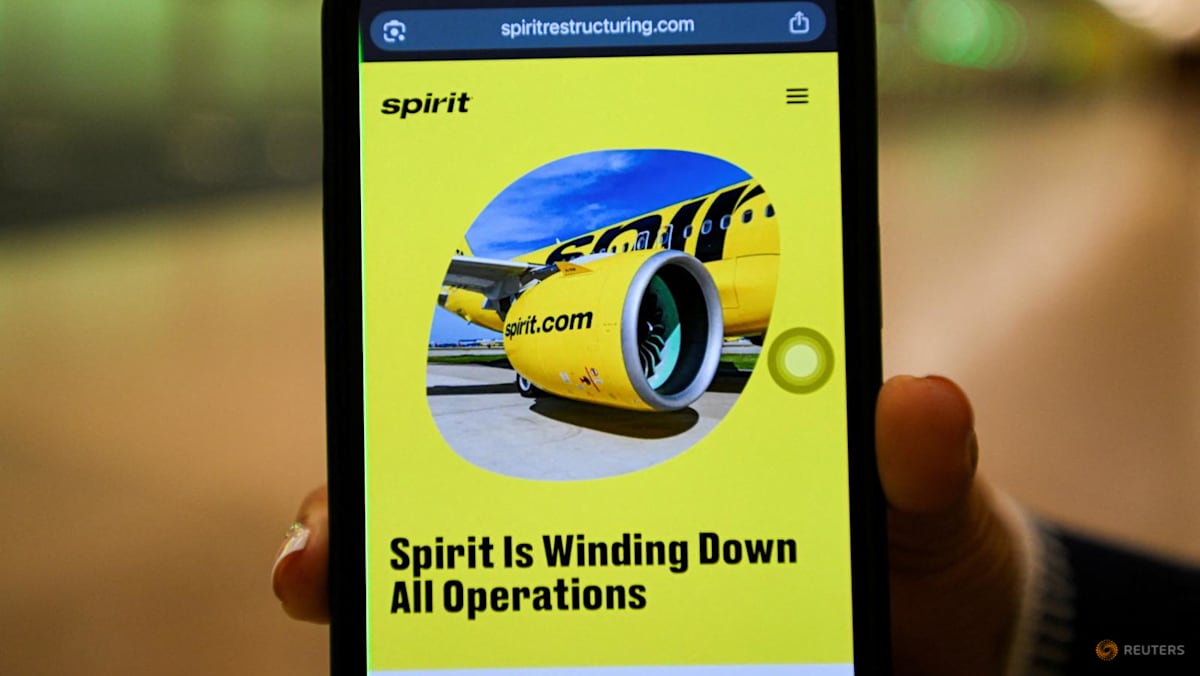
Spirit Airlines Collapses After Failed $500 Million Bailout, First Casualty of Iran War Fuel Crisis

Japan Intervenes to Prop Up Yen After Currency Hits 1-Year Low of 160.72
