UDF Sweeps Kerala, Ends Decade of Left Rule as BJP Breaks Through
Congress-led alliance wins 102 seats in 140-member assembly, while Pinarayi Vijayan trails in his own constituency and BJP secures three seats.
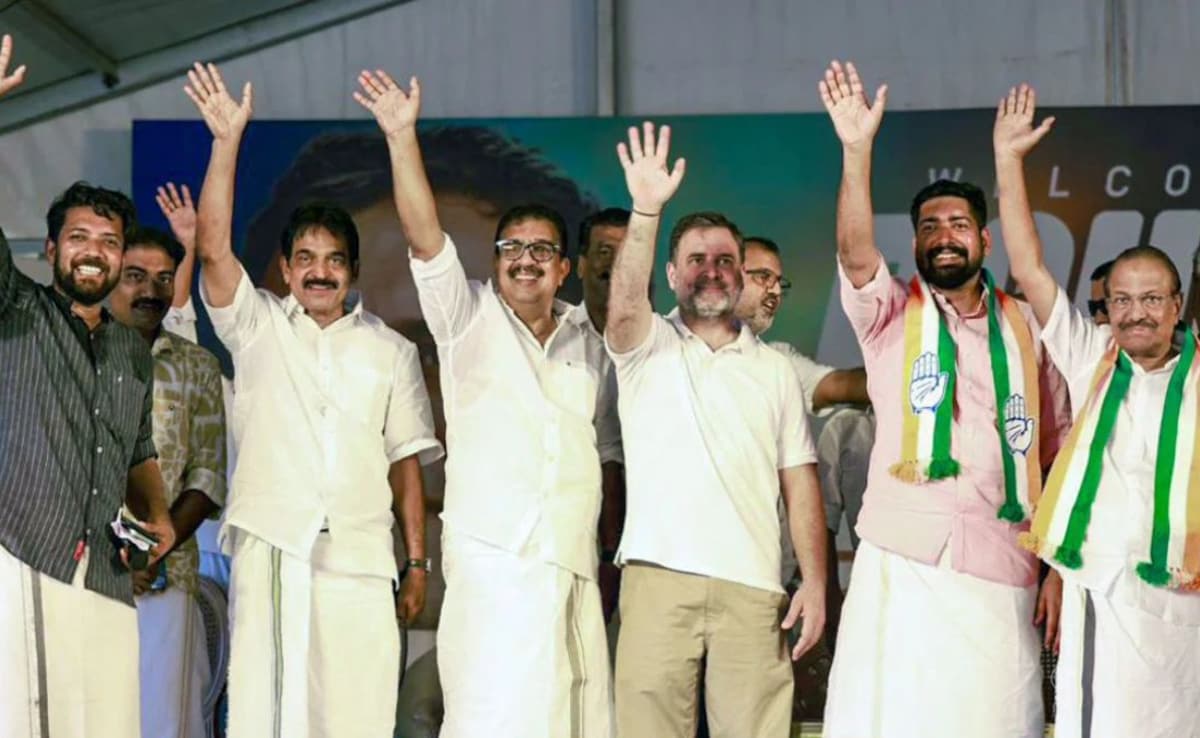
SINGAPORE —
Key facts
- UDF won 102 seats, LDF 35, BJP 3 in 140-seat Kerala assembly.
- Counting began at 8:00 am at 140 centres across 43 locations.
- Voter turnout in April 9 polls reflected strong anti-incumbency.
- CM Pinarayi Vijayan trails in Dharmadam constituency.
- Senior Congress leader AK Antony called it an 'anti-government cyclone'.
- BJP broke its electoral drought in Kerala by winning three seats.
- Congress now rules three southern states: Karnataka, Telangana, Kerala.
A Decisive Mandate Against Incumbency
Kerala voters delivered a sharp political reset on Monday, ending a decade of Left Front rule and handing the Congress-led United Democratic Front (UDF) a commanding majority. The UDF swept 102 seats in the 140-member assembly, while the ruling Left Democratic Front (LDF) managed only 35. The Bharatiya Janata Party (BJP) broke its long-standing electoral drought in the state by winning three seats. The outcome marks the first time since 2016 that the Congress will govern Kerala, adding it to its roster of southern states alongside Karnataka and Telangana. Counting of votes from the April 9 polls began at 8:00 am across 140 centres in 43 locations, with strongrooms opened at 6:30 am under Election Commission supervision.
Anti-Incumbency Wave Sweeps State
Senior Congress leader and former Chief Minister AK Antony described the result as an 'undercurrent of anti-government cyclone' that worked against the LDF. 'A third term for the LDF would have been a disaster for Kerala,' Antony told reporters, accusing the Left government of failing to address public concerns over ten years. The anti-incumbency wave appeared broad-based, with voters across sections consolidating behind the UDF. Chief Minister Pinarayi Vijayan, who had led the LDF for two consecutive terms, was trailing in his own constituency of Dharmadam, underscoring the scale of the rejection.
BJP Breaks Through After Decades
The BJP's three-seat haul, while modest, represents a historic breakthrough in a state where the party had never won a single assembly seat until now. The NDA alliance, led by the BJP, had campaigned aggressively, focusing on issues of national security and development. The result signals a gradual shift in Kerala's political landscape, traditionally dominated by the Congress and Left fronts. Analysts noted that the BJP's gains came at the expense of both major alliances, particularly in regions with significant Hindu and migrant populations. The party's performance in Bengal, where it surpassed the 204-seat mark, contrasted with its Kerala showing but still marked a milestone.
Congress Faces New Challenges Despite Victory
While the UDF's sweeping win is a major boost for the Congress nationally, the party now faces the headache of managing a diverse coalition and delivering on campaign promises. The victory in Kerala, combined with its existing governments in Karnataka and Telangana, positions the Congress as a dominant force in southern India. However, internal factionalism and the need to balance regional aspirations could test the party's unity. In Tamil Nadu, the TVK party led by actor Vijay stunned the state by winning a significant number of seats, and Vijay has written to the Governor seeking two weeks to prove a majority. The Congress's performance in Kerala will be closely watched as a bellwether for its national revival strategy.
Close Contests Defined UDF's Sweep
The UDF's victory was built on a series of close contests across the state, with many seats decided by narrow margins. the UDF's 102 seats came from a vote share that reflected a consolidation of anti-incumbency sentiment rather than a massive swing. The LDF's 35 seats were concentrated in its traditional strongholds, but the party lost ground in urban and semi-urban constituencies. The BJP's three seats were won in constituencies where it had built strong local organizations. The overall turnout on April 9 was high, indicating intense voter engagement. The results highlight a fragmented electorate but a clear verdict against the LDF.
What Comes Next for Kerala's New Government
The UDF is expected to stake claim to form the government in the coming days, with a new chief minister to be chosen from among its legislators. The Congress leadership will need to navigate coalition dynamics, including demands from regional allies. The new government faces immediate challenges: reviving an economy hit by the pandemic and floods, addressing unemployment, and managing fiscal constraints. For the LDF, the defeat triggers a period of introspection. The party's decade-long rule, once seen as a model of left governance, ended with voters citing corruption and lack of development. The BJP's breakthrough, though small, suggests a realignment that could reshape Kerala's politics in the long term.
A Political Reset with National Implications
Kerala's election results send ripples beyond the state's borders. The Congress's victory in a third southern state strengthens its claim as the primary opposition to the BJP nationally. For the BJP, winning seats in Kerala validates its strategy of expanding beyond its northern heartland. The LDF's loss leaves it as the only left government in India, a diminished force. The close contests and high turnout underscore the volatility of Indian elections, where anti-incumbency can topple even entrenched regimes. As Kerala prepares for a new government, the state's political landscape has been fundamentally redrawn.
The bottom line
- UDF won 102 seats, LDF 35, BJP 3 in a decisive anti-incumbency verdict.
- CM Pinarayi Vijayan trailed in his own constituency, highlighting the scale of defeat.
- BJP won its first-ever assembly seats in Kerala, marking a historic breakthrough.
- Congress now governs three southern states, boosting its national standing.
- Close contests defined the UDF's sweep, with many seats decided by narrow margins.
- The new government faces economic and coalition challenges despite its strong mandate.

TVK Surges Ahead in Tamil Nadu, Stalin Loses Kolathur Seat

Singapore Airlines Delays Dubai Return to August 2026, Drops A380 for Winter

TVK Surges in Tamil Nadu Count, DMK and AIADMK Trailing in Early Trends