Singapore Parliament Validates Past Fees Amidst Opposition Concerns
Lawmakers pass a bill to formalize charges collected by four agencies, but opposition MPs demand greater transparency on affected individuals and sums.
SINGAPORE —
Key facts
- Parliament passed the Statutes (Miscellaneous Amendments) Bill on Thursday, May 7.
- The bill validates past fees collected by four Ministry of National Development (MND) agencies.
- The agencies involved are the Building and Construction Authority, Housing and Development Board, National Parks Board, and Urban Redevelopment Authority.
- Workers' Party MPs opposed the bill, citing a lack of data on affected individuals and sums collected.
- Senior Parliamentary Secretary Syed Harun Alhabsyi described the amendments as "largely technical and operational."
- Fees included expedited building inspections, temporary occupation permits, and animal permits.
- Non-Constituency MP Andre Low drew a parallel to a 2023 debate on retrospective legislation.
Parliament Approves Fee Validation Bill
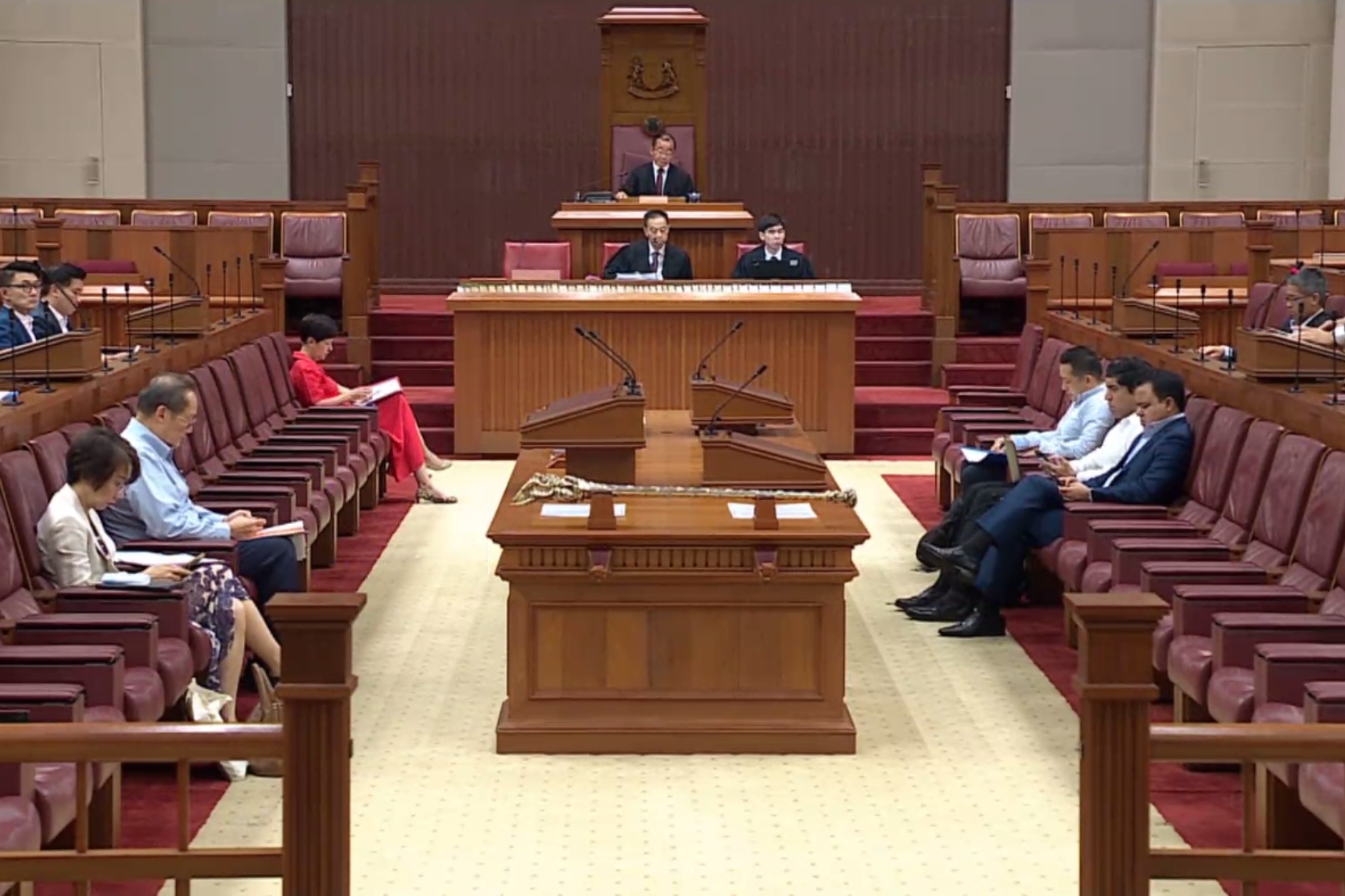
Singapore's Parliament has passed a Bill to validate past fees collected by four government agencies, a move that formalizes charges previously treated as administrative. The Statutes (Miscellaneous Amendments) Bill, passed on Thursday, May 7, aims to ensure that certain fees and charges imposed by bodies under the Ministry of National Development (MND) are now prescribed in legislation. These amendments, described by Senior Parliamentary Secretary for National Development Syed Harun Alhabsyi as "largely technical and operational in nature," address fees originally collected as administrative charges for specific services or enforcement activities. An internal review, however, advised that these should have been legislated from the outset. The Bill's passage means that fees already collected by the Building and Construction Authority, Housing and Development Board, National Parks Board, and Urban Redevelopment Authority will be formally recognized as having been provided for in law, while also establishing a legislative basis for future collections.
Opposition Raises Data Deficiencies
The Workers' Party (WP) voiced strong opposition to the Bill, primarily due to what they described as a significant lack of data regarding the sums collected and the number of individuals affected. MPs from the WP repeatedly pressed the government for comprehensive figures, arguing that parliament could not adequately scrutinize legislation that both validated past collections and extinguished potential claims without such information. MP Fadli Fawzi questioned the necessity of the validation, suggesting that the proposed change implied that fee collection had operated for years on a legally questionable basis. He highlighted the unusual nature of such a gap occurring across four agencies and multiple parent acts without detection for an extended period. Mr. Fawzi further inquired whether a cross-government review had been initiated upon the discovery of this legislative gap, emphasizing the need for accountability and understanding the scope of the issue.
Questions on Retrospective Legislation
Non-Constituency MP Andre Low drew a parallel to a 2023 parliamentary debate concerning retrospective provisions for President Tharman Shanmugaratnam's international appointments. In that instance, the argument for backdating was that no party was prejudiced by the change. Mr. Low contended that this same test for the appropriateness of retrospective legislation could not be applied in the current case. This was because, he stated, the government had not provided information on who was affected by these fee collections, the amounts involved, or the duration of the practice. "I am not asserting that large numbers of people suffered serious harm. Neither does this House because the government has not said," Mr. Low remarked, underscoring the information deficit that hampered parliamentary oversight.
Scope of Fees and Services Affected
The fees in question encompass a range of services provided by the four MND agencies. These include charges for expedited building inspections, the processing of temporary occupation permits, and various animal permits and species certifications. These charges were originally implemented as administrative fees linked to specific services or enforcement actions. The government's internal review concluded that, for legal certainty, they should have been formally prescribed within legislation from the outset. The validation under the Bill ensures that all fees collected under this administrative basis are now legally sound, preventing potential challenges to past charges. It also establishes a clear legislative framework for these fees moving forward.
Government's Stance on Data Availability
In response to the opposition's demands for detailed figures, the government stated that comprehensive data, including the precise number of people affected by the past fee collections, was not readily available. Senior Parliamentary Secretary Syed Harun Alhabsyi maintained that the amendments were primarily technical and operational in nature. This assertion by the government was met with skepticism by WP MPs, who argued that the absence of such data hindered their ability to fulfill their parliamentary duty of scrutiny. They emphasized that validating past actions and extinguishing potential claims without full disclosure represented a significant departure from normal legislative practice. The government's position on data availability leaves a key question unanswered: the true extent of the financial impact on individuals and businesses that paid these fees over the years.
Future Implications and Scrutiny
The passage of the Statutes (Miscellaneous Amendments) Bill ensures that the fee structures of these four MND agencies are now on a firm legislative footing. This provides clarity and legal certainty for both the government and the public regarding these charges. However, the debate has highlighted ongoing tensions regarding transparency and data disclosure in parliamentary proceedings. The opposition's concerns, though unsuccessful in blocking the Bill, may inform future demands for greater accountability when retrospective legislation is proposed. The incident underscores the importance of robust internal reviews and adherence to legislative requirements to avoid such situations where past actions require ex-post facto validation, potentially eroding public trust and parliamentary oversight.
The bottom line
- Singapore Parliament passed a Bill to validate past fees collected by four MND agencies.
- The Workers' Party opposed the bill, citing a lack of data on affected individuals and sums.
- The government stated comprehensive figures on those affected were not readily available.
- The legislation addresses fees for services like expedited building inspections and permit processing.
- Opposition MPs questioned the necessity of validation and the legality of past fee collection methods.
- The Bill ensures future fee collections by the agencies will be legislatively prescribed.






Ong Ah Heng, Former PAP MP and Union Leader, Dies at 84

Amazon Singapore Cuts Jobs, Shifts Focus to International Stores

Stalin's DMK Faces Setback as Chief Minister Loses Seat
