Google Launches Fitbit Air, a Screenless Health Tracker
The new affordable wearable pairs with the Google Health app for in-depth wellness insights.

THAILAND —
Key facts
- Fitbit Air is a new screenless, lightweight health tracker.
- It offers 24/7 health monitoring, including heart rate and sleep.
- The device syncs with the Google Health app for detailed insights.
- Battery life extends up to a week with fast charging capabilities.
- Pre-orders start at $99.99 and include a three-month Google Health Premium trial.
- The device was teased on Instagram with a May 7, 2026, launch date.
- Fitbit Air is positioned as an affordable alternative to bulky or complex wearables.
A New Era of Screenless Wellness Tracking
Google has unveiled the Fitbit Air, a novel screenless wearable designed to offer continuous health monitoring with a minimalist approach. This new device aims to provide users with deep health and wellness insights through seamless integration with the Google Health app, marking a significant step in making advanced fitness tracking more accessible and less intrusive. The Fitbit Air is positioned as Google's smallest and most affordable tracker to date, emphasizing comfort for 24/7 wear. Its screenless design is intended to keep users focused on their lives rather than on constant notifications, allowing them to access detailed health data on their smartphones at their convenience. This launch signifies Google's commitment to expanding its wearable technology offerings, addressing a market segment that finds existing devices too cumbersome, complicated, or expensive. The Fitbit Air seeks to bridge this gap by offering simplicity, affordability, and comfort, unlocking the potential of personal health insights for a broader audience.
Core Features and Functionality
At its heart, the Fitbit Air is engineered for comprehensive health tracking. It monitors key metrics such as heart rate and sleep patterns, providing users with a holistic view of their well-being. The device automatically detects common workouts, syncing this data seamlessly with the Google Health app, where users can review their progress and receive personalized advice. Designed for an active lifestyle, the Fitbit Air boasts an impressive battery life of up to a week, coupled with fast charging capabilities that can provide a full day's power in just five minutes. This ensures minimal disruption for users juggling work, exercise, and rest. Users can also leverage the Google Health Coach for guided workouts or even manually log their activities. Advanced features allow for logging workouts by snapping a photo of equipment or a whiteboard routine, further simplifying the tracking process and personalizing the user experience.
Design and Affordability
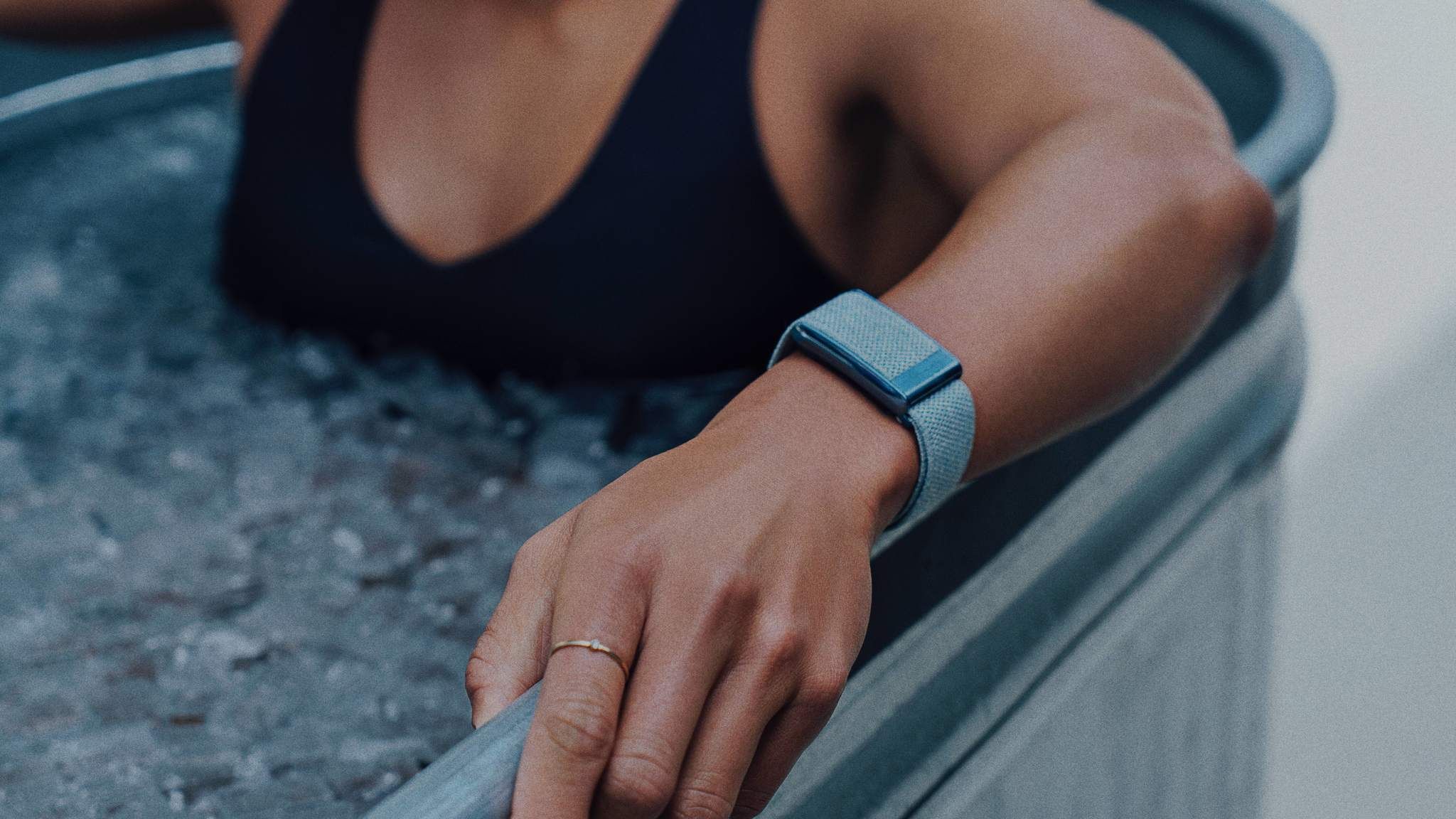
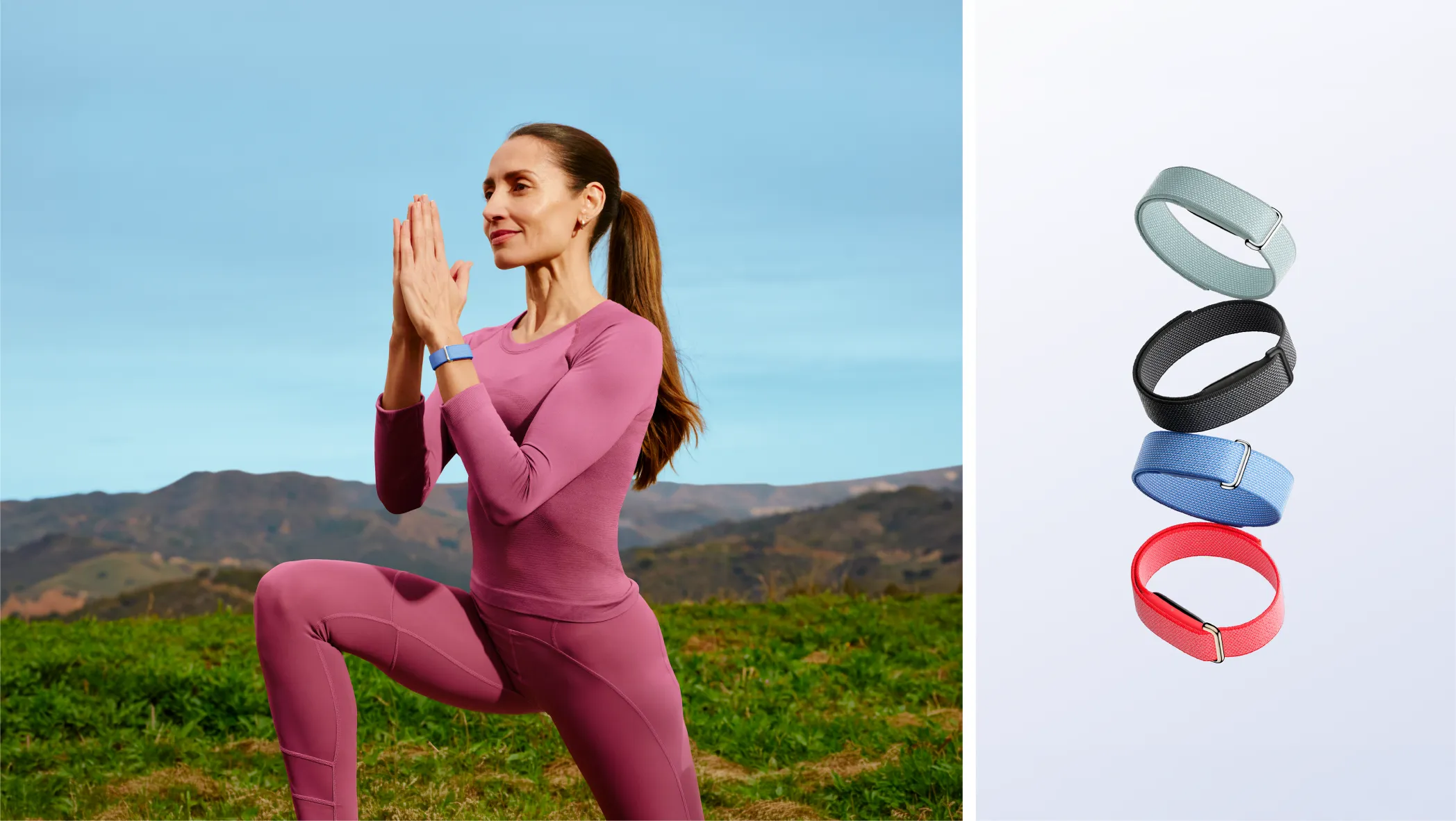
The Fitbit Air presents a discreet, pebble-like form factor that is designed to be unobtrusive and comfortable for continuous wear. It comes with interchangeable bands, similar to the Pixel Watch, allowing users to customize its appearance to match their style. The pricing strategy places the Fitbit Air at an accessible entry point, with pre-orders starting at $99.99. This price point includes a three-month trial of Google Health Premium, offering users an incentive to explore the device's full capabilities. This focus on affordability and a user-friendly design aims to democratize access to advanced health tracking technology, making it a viable option for individuals who have been hesitant to adopt wearables due to cost or complexity.
Launch Strategy and Market Positioning
The Fitbit Air's debut was preceded by a series of teasers, including an Instagram post from Fitbit's official account on May 7, 2026, hinting at the launch date. This strategic timing appears designed to give the new wearable its own spotlight ahead of larger events like Google I/O. Reports suggest the device is a competitor to existing screenless trackers like Whoop, aiming to capture a growing segment of the wearable market. The approach of collecting data throughout the day and presenting insights via a smartphone app differentiates it from traditional smartwatches. There are also indications that Google may be consolidating its wearable software under a unified 'Google Health' brand, although this remains unconfirmed. The company's prior beta testing of its Gemini-powered personal health coach further suggests an integrated and intelligent approach to user wellness.
Expert and User Perspectives
The concept of screenless trackers has long appealed to tech enthusiasts, with a persistent desire for devices that offer meaningful insights rather than just raw data. The potential integration of Gemini's advanced AI capabilities with Fitbit's tracking prowess has generated anticipation for a truly informative fitness band. One tech writer noted that while liking the idea of screenless trackers, previous iterations felt incomplete. The prospect of Google combining robust tracking with actionable AI-driven insights could finally deliver a device that provides genuinely useful guidance. This sentiment underscores the market's readiness for a wearable that not only collects data but also interprets it effectively, offering personalized recommendations that can lead to tangible health improvements.
The bottom line
- The Fitbit Air is Google's latest wearable, focusing on a screenless design for unobtrusive, 24/7 health monitoring.
- It syncs with the Google Health app, offering advanced fitness, sleep, and heart rate tracking.
- Priced at $99.99, it includes a three-month Google Health Premium trial, making it an affordable option.
- The device features a week-long battery life and fast charging, designed for convenience.
- Its launch on May 7, 2026, positions it as a direct competitor to other minimalist fitness trackers.
- Google's integration of AI, potentially through Gemini, aims to provide personalized health insights beyond simple data display.



Original Star Fox Designer Comments on New Nintendo Switch 2 Character Art

Thai Drama 'Saod Sroi Mala' Episode 5 Airs May 6

RCB Seeks Explosive Start Against LSG Amidst Top-Order Shuffle