Hantavirus Outbreak on Cruise Ship Triggers Global Contact Tracing
Authorities race to locate passengers who disembarked from the MV Hondius, facing a rare human-to-human transmission risk.
THAILAND —
Key facts
- Three passengers have died from hantavirus on or after a cruise ship voyage.
- Eight cases, including three confirmed and five suspected, have been identified among ship passengers.
- The Andes strain of hantavirus, known for rare human-to-human spread, is implicated.
- Passengers potentially exposed have travelled to the UK, South Africa, the Netherlands, the US, and Switzerland.
- 101 hantavirus infections since June 2025, double the previous year's caseload.
- The mortality rate for hantavirus pulmonary syndrome in Argentina has risen to nearly one-third of cases.
- The World Health Organization emphasizes the low risk to the general public.
Global Health Alert Over Cruise Ship Hantavirus Cases
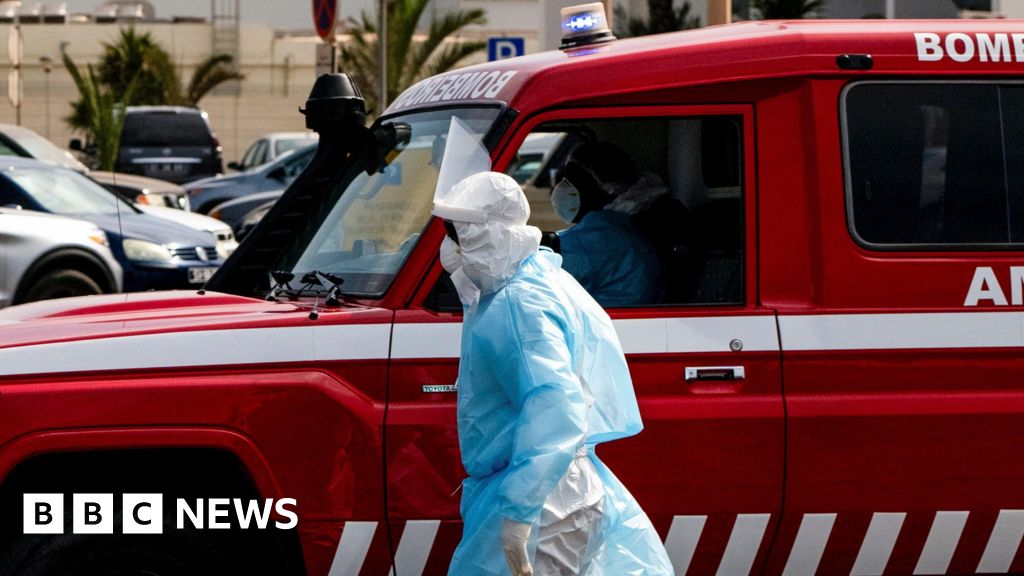
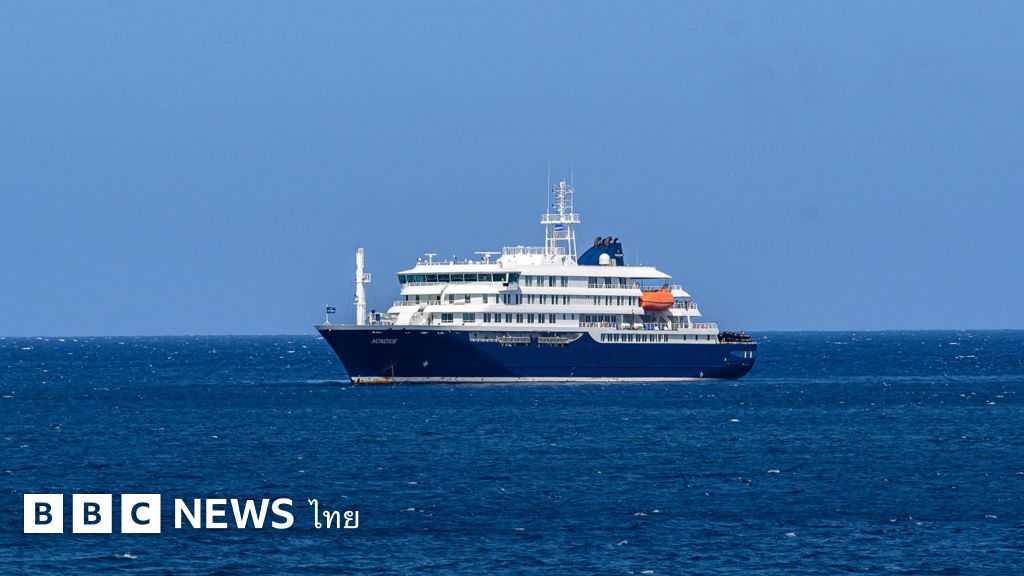
A month-long cruise aboard the MV Hondius has become the focal point of a global health alert, as authorities work to trace passengers potentially exposed to a deadly hantavirus. Three individuals have succumbed to the virus, either on board the vessel or after disembarking, prompting an urgent international effort to identify and monitor those who may have come into contact with the pathogen. Four other passengers have required medical evacuation for treatment, underscoring the severity of the situation. The outbreak, involving the Andes strain of hantavirus, is being monitored with extreme seriousness by health organizations worldwide. While the risk to the broader public is considered low, the potential for human-to-human transmission, though rare, necessitates a comprehensive approach to contact tracing. This involves reaching passengers who have already flown to numerous countries, including the United Kingdom, South Africa, the Netherlands, the United States, and Switzerland. Health experts are quick to distinguish this outbreak from more widely contagious diseases. "This is not Covid, this is not influenza, it spreads very, very differently," stated Dr. Maria Van Kerkhove of the World Health Organization (WHO) on Thursday. The Andes strain, unlike highly infectious diseases such as measles, does not spread easily between people. However, the close quarters and shared environments typical of a cruise ship can facilitate transmission, especially with prolonged physical proximity.
Argentina Grapples with Hantavirus Surge and Cruise Ship Link
Officials and experts in Argentina are urgently investigating whether the country is the origin of the hantavirus outbreak that has affected passengers on the MV Hondius. Argentina, a nation consistently reporting the highest incidence of this rare, rodent-borne disease in Latin America according to the WHO, is currently experiencing a significant surge in cases. This surge is being attributed by many local public health researchers to the accelerating effects of climate change. Warmer temperatures are believed to be expanding the range of rodents that carry the hantavirus, allowing them to thrive in more diverse ecosystems. This environmental shift, coupled with the typical transmission route through exposure to rodent urine, droppings, or saliva, has led to a sharp increase in infections. 101 hantavirus infections between June 2025 and the present, a figure that is approximately double the caseload recorded during the same period the previous year. The Andes virus, a specific strain found in South America, can cause a severe and often fatal lung disease known as hantavirus pulmonary syndrome. The mortality rate for this syndrome has climbed dramatically, reaching nearly one-third of cases in the past year, a stark increase from the average rate of 15% in the five years prior.
The Human Cost: A Family's Tragedy in San Andrés de Giles
The devastating impact of the hantavirus outbreak is tragically illustrated by the story of 14-year-old Rodrigo Morinigo. His parents, Daisy Morinigo and David Delgado, initially mistook his symptoms of fever and body aches for the flu. Doctors in their hometown of San Andrés de Giles, Argentina, initially sent him home with advice to rest and medication. However, Rodrigo's condition rapidly deteriorated. On January 1, his parents rushed him to intensive care, where he died just two hours after a hantavirus test returned a positive result. The family's rural home in San Andrés de Giles, where Rodrigo lived before contracting the illness, now stands as a somber reminder of the virus's lethal potential. His parents have recounted their harrowing experience, with David Delgado speaking through tears about the loss of his son. Their account highlights the critical importance of early and accurate diagnosis for hantavirus, a disease that can progress with alarming speed from initial symptoms to a fatal outcome. The family's grief underscores the human toll behind the statistics of this unfolding health crisis.
Tracing the Virus: A Global Contact Tracing Operation
The complex logistics of tracing passengers who have already dispersed across the globe are now underway. Health authorities are working to identify individuals who were on board the MV Hondius and may have been exposed to the Andes strain of hantavirus. This extensive operation aims to mitigate further spread by ensuring potentially infected individuals are monitored and, if necessary, treated. Argentina has pledged support to several European and African nations by sending genetic material of the Andes virus and testing equipment. This assistance is intended to aid Spain, Senegal, South Africa, the Netherlands, and the United Kingdom in their efforts to detect the virus among returning passengers. The collaborative international response reflects the interconnected nature of modern travel and the challenges posed by transboundary health threats. Experts emphasize that while human-to-human transmission of the Andes strain is possible, it typically requires very close and prolonged physical contact. The WHO has reiterated that the risk of widespread global infection remains low, a sentiment echoed by health officials managing the contact tracing efforts. Nevertheless, the meticulous work of identifying and reaching every potentially exposed passenger is paramount.
Understanding Hantavirus: Rodents, Environment, and Transmission
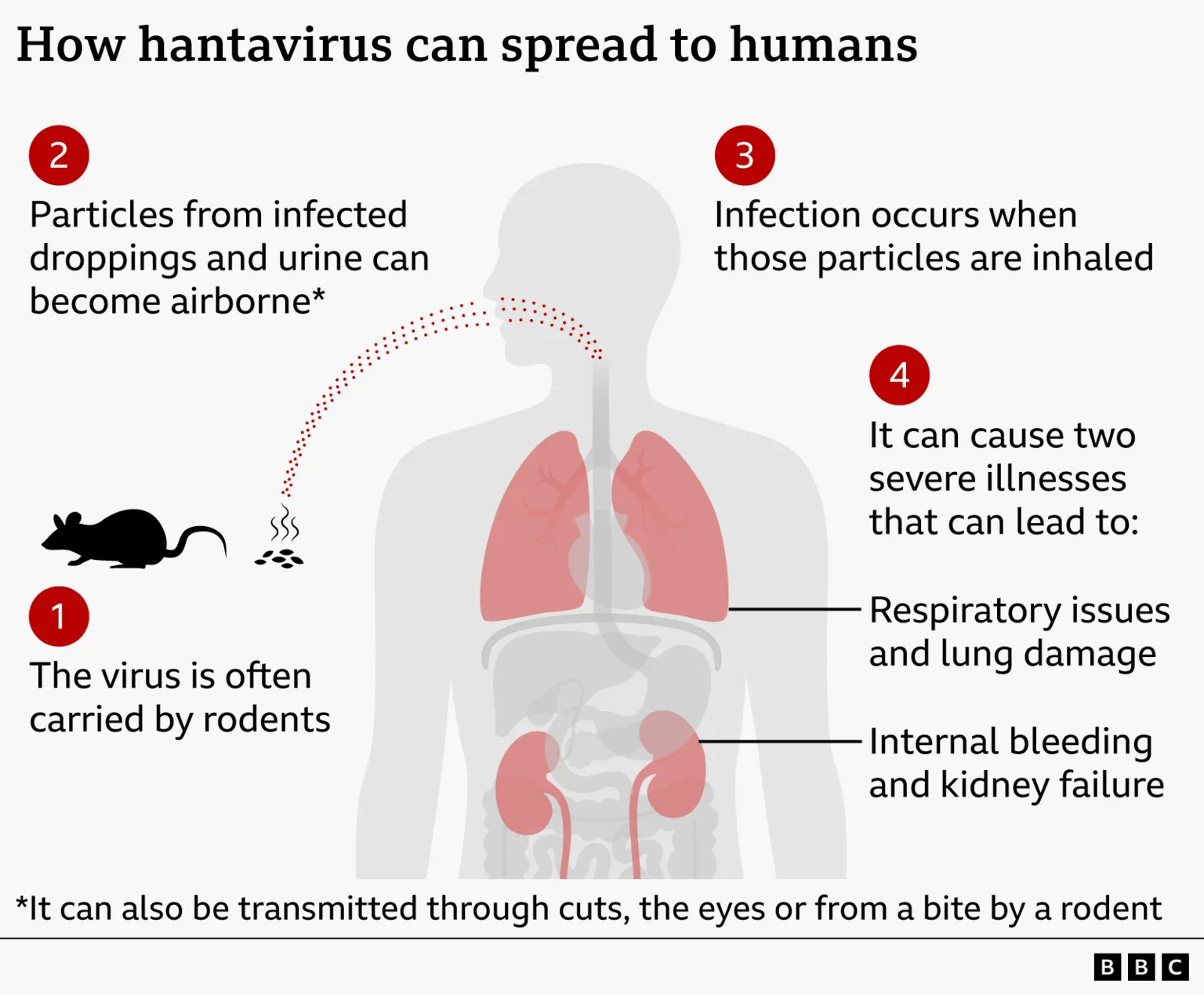
Hantaviruses are a group of viruses primarily carried by rodents, which serve as their natural reservoir. Humans typically contract the virus through inhalation of aerosolized particles from rodent urine, droppings, or saliva. The virus can remain infectious in the environment for extended periods, particularly in dry conditions. The cruise passengers could have encountered the virus in remote wildlife areas visited by the MV Hondius, or potentially before boarding the ship. The Andes strain, specific to South America, is notable for its capacity to spread between humans, a characteristic observed in previous outbreaks. This person-to-person transmission occurs through very close contact, a scenario that can arise in the confined living spaces of a ship, such as shared cabins and dining areas. Public health experts stress that hantavirus is not as contagious as airborne viruses like influenza or the common cold. Unlike measles, which spreads through respiratory droplets with relative ease, hantavirus requires more direct or sustained exposure. However, the severity of hantavirus pulmonary syndrome, with its high mortality rate, demands vigilance and a thorough approach to containment and prevention.
Climate Change and Rodent Borne Diseases
The current hantavirus surge in Argentina is increasingly being linked by researchers to the impacts of climate change. As global temperatures rise, ecosystems are altered, creating conditions more favorable for rodent populations that carry the virus. This expansion of rodent habitats into new areas inevitably increases the potential for human exposure. Experts point to warmer weather as a key factor enabling rodents to thrive in previously inhospitable regions. This environmental shift is seen as a significant driver behind the doubling of hantavirus cases in Argentina over the past year. The phenomenon highlights a growing concern among scientists about the potential for climate change to exacerbate the spread of zoonotic diseases. The implications extend beyond Argentina, suggesting that similar patterns could emerge in other regions experiencing climatic shifts. The interconnectedness of environmental health and human health is becoming increasingly apparent, as changes in the natural world directly influence the prevalence and spread of infectious diseases.
The bottom line
- A hantavirus outbreak on the MV Hondius cruise ship has led to three deaths and prompted global contact tracing.
- The Andes strain of hantavirus, capable of rare human-to-human transmission, is responsible for the outbreak.
- Argentina is experiencing a surge in hantavirus cases, with researchers linking it to climate change and increased rodent populations.
- The mortality rate for hantavirus pulmonary syndrome in Argentina has nearly doubled in the past year.
- International cooperation is underway, with Argentina providing testing materials to several countries.
- Health experts maintain that the risk of widespread global infection remains low, despite the serious nature of the outbreak.
Hantavirus Outbreak on Cruise Ship Claims Three Lives

Fathers Die Preventably in First Years of Child’s Life, Study Finds

RCB Seeks Explosive Start Against LSG Amidst Top-Order Shuffle