Hantavirus Outbreak on Cruise Ship Claims Three Lives
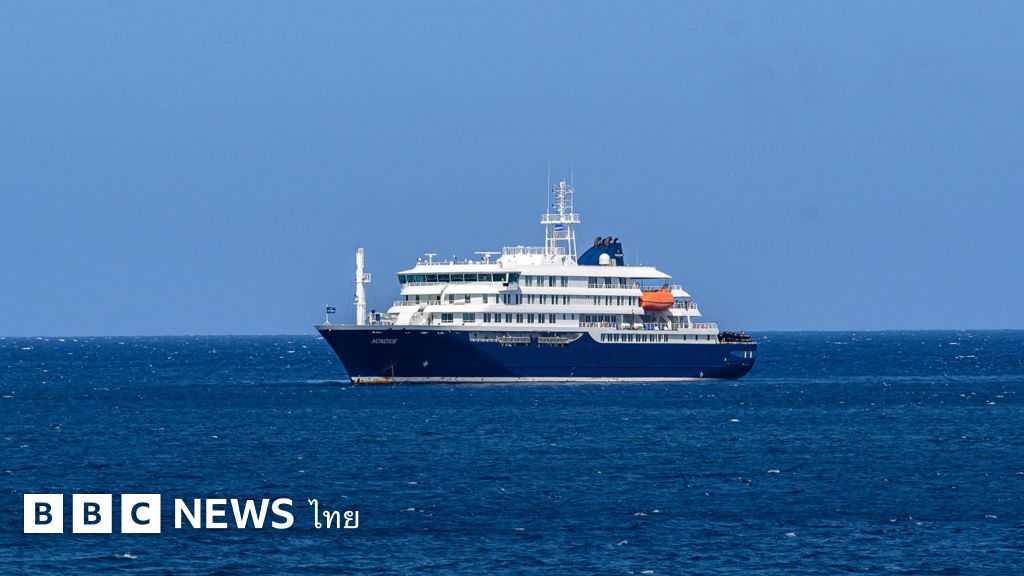
Authorities in Cape Verde evacuate infected passengers from a vessel awaiting clearance to dock amid growing concerns.
THAILAND —
Key facts
- At least three people have died following a suspected hantavirus outbreak on a cruise ship.
- Authorities in Cape Verde have begun evacuating infected passengers from the vessel.
- The ship remains offshore, awaiting permission to dock.
- The World Health Organization is investigating the deaths linked to the cruise ship.
- Over one hundred passengers are still aboard the ship.
- The situation aboard the ship is described as one of great uncertainty by a passenger.
Uncertainty Grips Passengers Aboard Stricken Vessel
A sense of profound uncertainty pervades the atmosphere for more than a hundred souls still confined to a cruise ship currently adrift off the coast of Cape Verde. The vessel has become the focal point of an international health alert, suspected to be the site of a hantavirus outbreak that has already claimed at least three lives. Passengers describe a state of limbo, their fate hanging precariously as authorities deliberate the next steps. The ship, unable to dock, represents a floating microcosm of fear and anxiety, with those aboard grappling with the unknown consequences of the escalating health crisis. This unfolding drama highlights the stark realities of infectious disease containment at sea, where decisions about docking, disembarkation, and medical treatment carry immense weight and complexity.
Cape Verde Authorities Intervene Amidst Fatalities
In response to the grim toll, officials in Cape Verde have initiated the evacuation of passengers confirmed to be infected with the hantavirus. The operation aims to transfer the affected individuals from the cruise ship to shore-based medical facilities for urgent treatment. The decision to evacuate underscores the severity of the situation and the potential for further spread. The ship, now a site of intense medical scrutiny, remains anchored offshore, its passengers caught between the desire for safe harbor and the risks associated with disembarking. The World Health Organization has confirmed its involvement, launching an investigation into the cluster of deaths that have raised alarms about the pathogen's presence and virulence.
Hantavirus: A Potent Threat
Hantaviruses are a group of viruses known to cause severe respiratory and hemorrhagic illnesses in humans. While often associated with rodent populations, certain strains can pose a significant risk to human health, particularly in enclosed environments where transmission can be rapid. The incubation period for hantavirus infections can vary, but symptoms typically emerge one to eight weeks after exposure. Initial signs often resemble influenza, including fever, chills, muscle aches, and headache, but can rapidly progress to more severe conditions like Hantavirus Pulmonary Syndrome (HPS) or Hemorrhagic Fever with Renal Syndrome (HFRS). Public health agencies worldwide monitor for hantavirus activity, with outbreaks often linked to environmental factors that increase human contact with infected rodents or their excreta. The current situation on the cruise ship, however, raises questions about potential person-to-person transmission or environmental contamination within the vessel itself.
Navigating the Logistical and Health Complexities
The logistical challenges of managing an outbreak on a cruise ship are considerable. Decisions regarding the ship's docking, the quarantine of healthy passengers, and the medical care for the ill require careful coordination between the ship's operator, national health authorities, and international bodies like the WHO. Each day the vessel remains offshore presents new risks, from the potential for the virus to spread further among those on board to the humanitarian concerns for all passengers and crew. The uncertainty described by one passenger encapsulates the anxiety of being isolated with a deadly pathogen. As the evacuation process unfolds, the focus will shift to comprehensive testing, contact tracing, and ensuring adequate medical resources are available to manage the infected individuals. The ultimate goal is to contain the outbreak and prevent further loss of life.
Global Health Scrutiny Intensifies
The involvement of the World Health Organization signals the global significance of this event. Investigations into the origins of the outbreak and the specific strain of hantavirus involved are likely underway. Understanding how the virus entered the ship and spread among passengers is crucial for preventing future occurrences. This may involve examining the ship's recent itineraries, passenger and crew health records, and any potential environmental factors on board. The incident serves as a stark reminder of the interconnectedness of global health and the persistent threat posed by emerging infectious diseases, even in the modern era of travel and communication.
The bottom line
- A hantavirus outbreak has resulted in at least three fatalities aboard a cruise ship.
- Authorities in Cape Verde are evacuating infected passengers from the vessel.
- Over one hundred passengers remain on the ship, which is currently off the coast.
- The World Health Organization is actively investigating the incident.
- The situation has created significant uncertainty and anxiety for those on board.
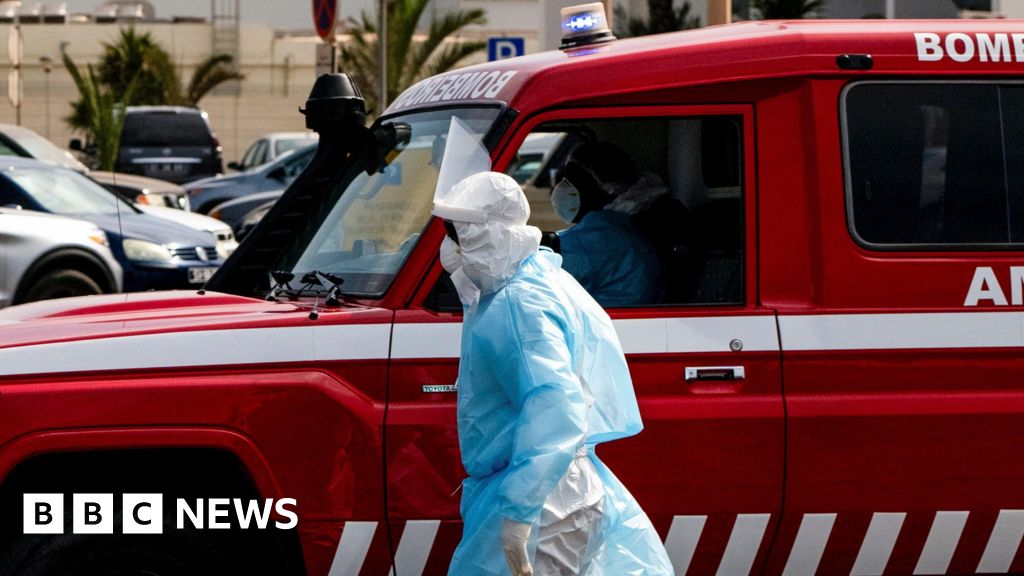
Hantavirus Outbreak on Cruise Ship Triggers Global Contact Tracing

Fathers Die Preventably in First Years of Child’s Life, Study Finds

Snoop Dogg, Tori Kelly Join Forces for RGG Studio's 'Stranger Than Heaven'
