Hantavirus Outbreak on Atlantic Cruise Ship Leaves Three Dead, Two Crew Stranded Off Cape Verde
A Dutch couple and a third Dutch national have died; a British man is in intensive care in Johannesburg as authorities debate disembarkation.
THAILAND —
Key facts
- Three Dutch nationals have died: a 70-year-old man, his 69-year-old wife, and a third person whose body remains on board.
- A 69-year-old British national is in intensive care in Johannesburg with a confirmed hantavirus infection.
- Two crew members on the MV Hondius are sick and require medical care but have not been allowed to disembark in Cape Verde.
- The World Health Organization confirmed three deaths on May 4, 2026, and is coordinating with member states and the cruise operator.
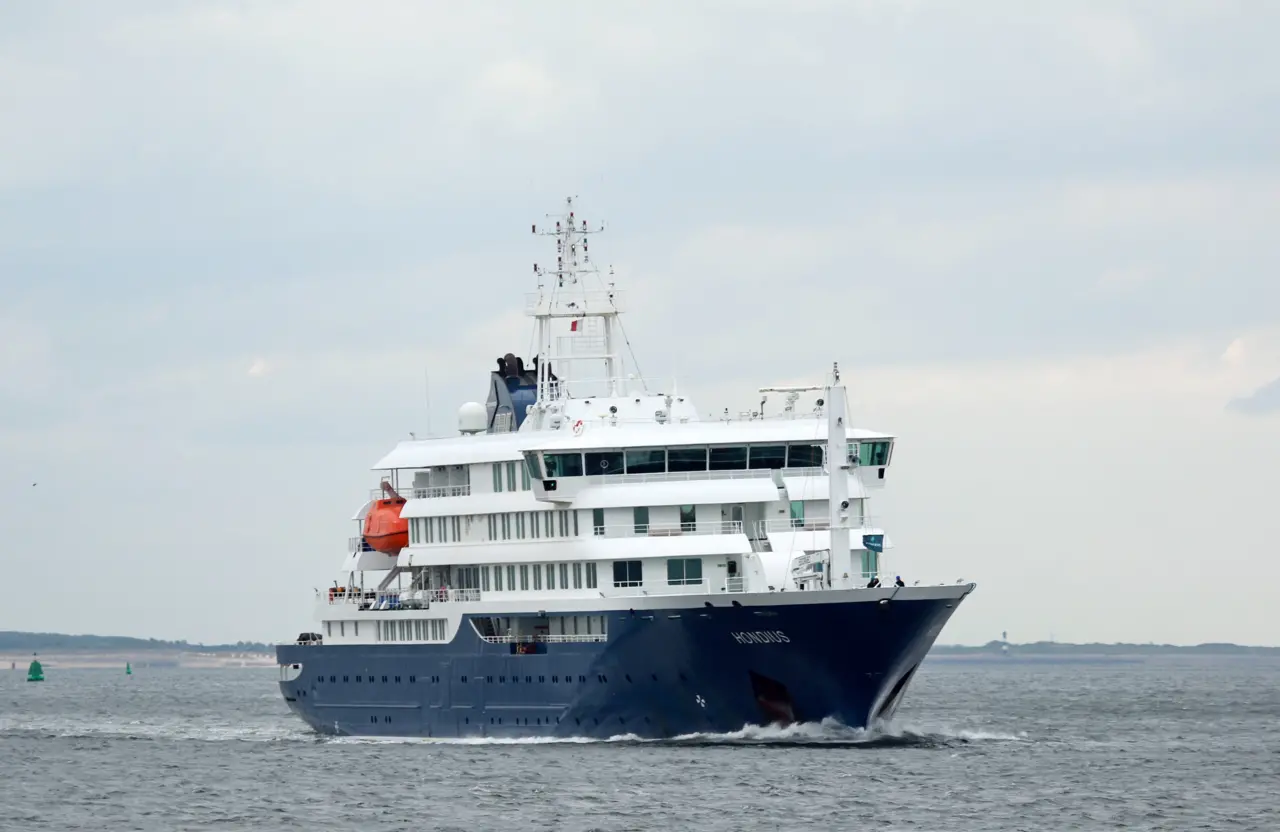
- The MV Hondius, operated by Oceanwide Expeditions, is a 107.6-meter polar cruise ship with capacity for 170 passengers and 57 crew.
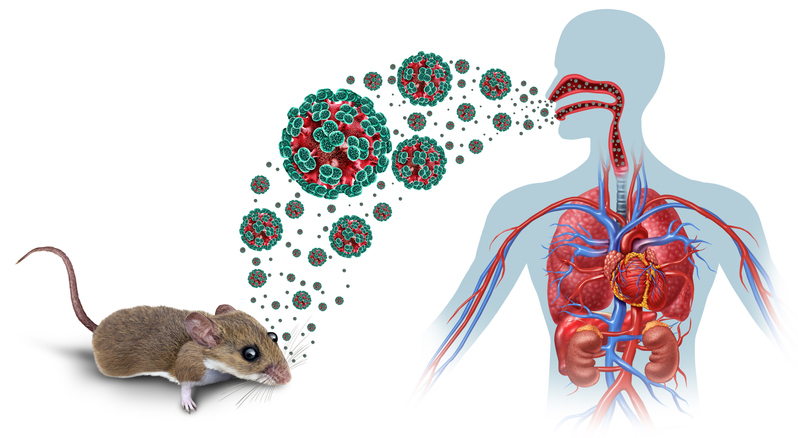
- Hantavirus is primarily transmitted through inhalation of aerosolized rodent excreta; human-to-human transmission is rare except for the Andes virus strain.
- There is no specific antiviral treatment for hantavirus; care is supportive and preventive measures are critical.
A Deadly Voyage Across the Atlantic
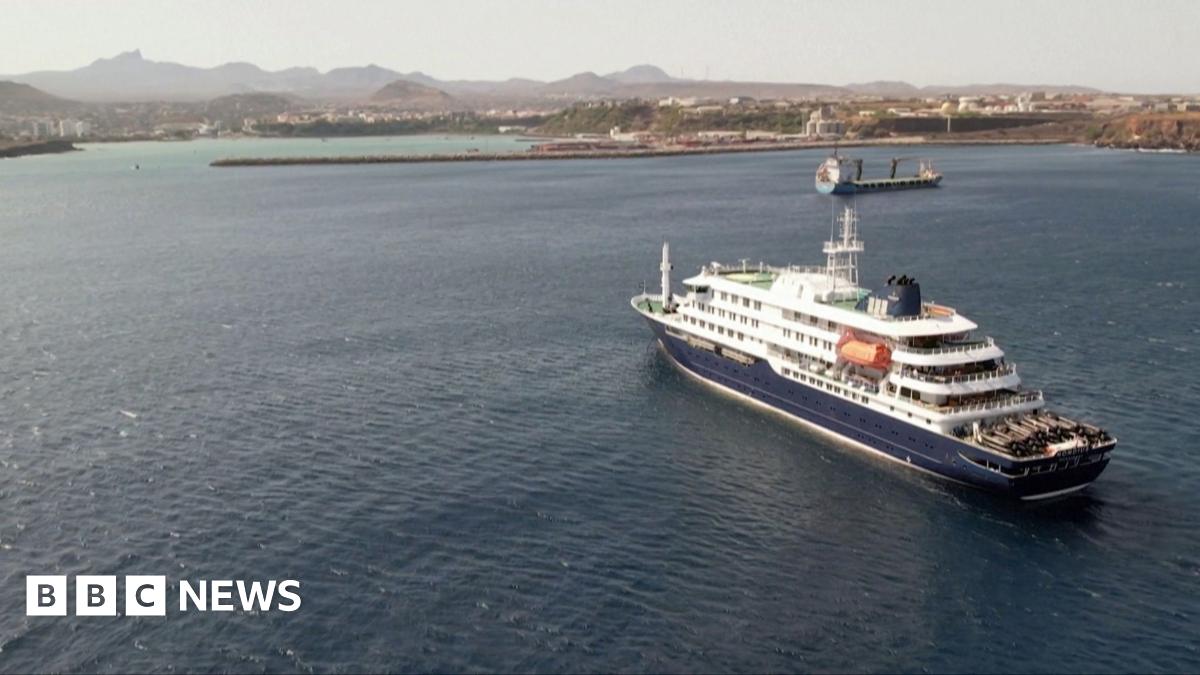
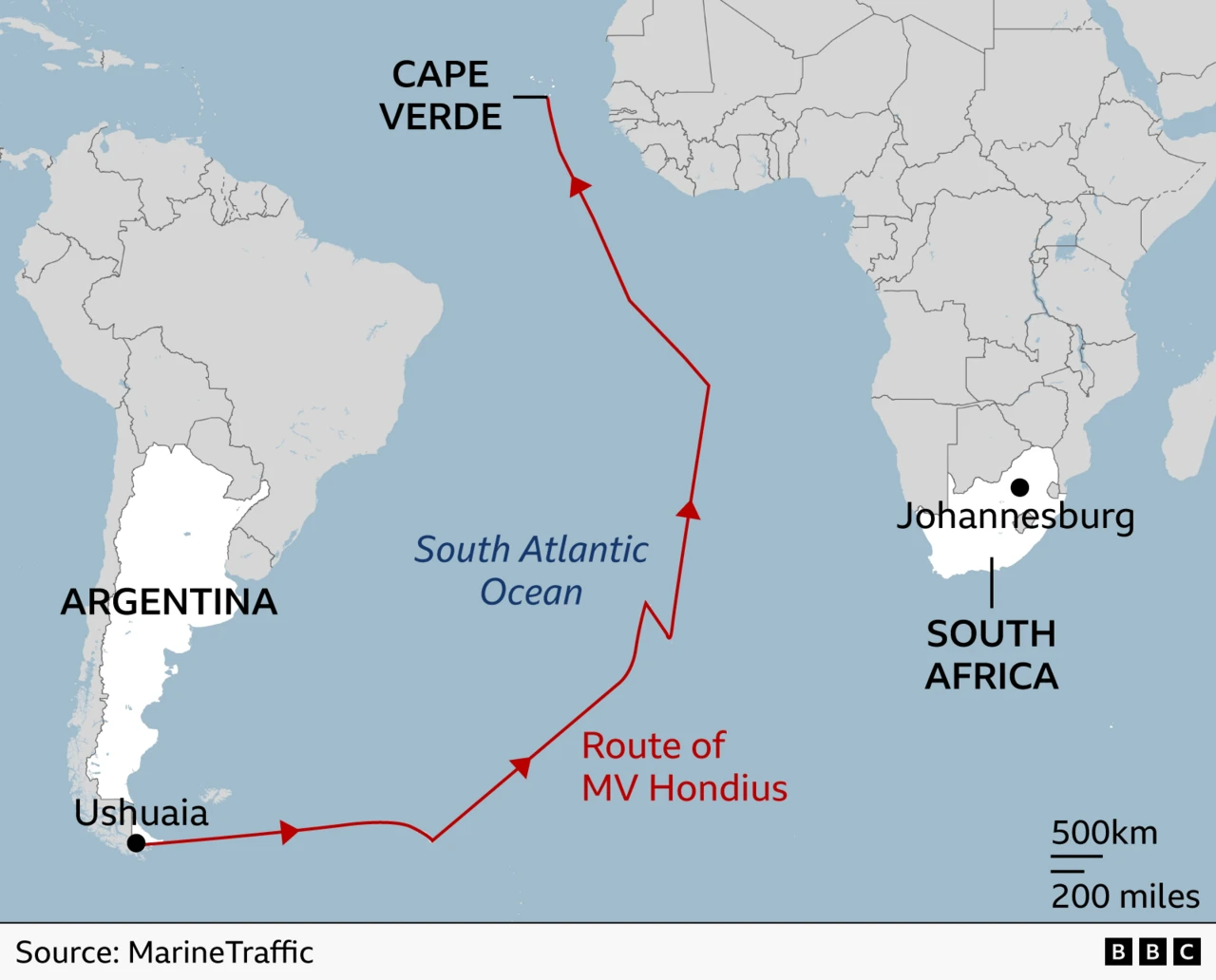
A suspected hantavirus outbreak aboard the cruise ship MV Hondius has claimed three lives and left two crew members stranded off the coast of Cape Verde, as authorities debate whether to allow them to disembark. The vessel, operated by Dutch company Oceanwide Expeditions, was en route from Argentina to Cape Verde when passengers began falling ill. The first victim, a 70-year-old Dutch man, died upon arrival at the British territory of St Helena in the South Atlantic. His 69-year-old wife also became ill on board and was evacuated to South Africa, where she died in a Johannesburg hospital. A third Dutch national has died, and their body remains on the ship, according to sources cited by AFP.
A British National in Intensive Care
A 69-year-old British national is now in intensive care at a private health facility in Sandton, Johannesburg, after being transferred from a hospital on Ascension Island. The South African Department of Health confirmed that he has a confirmed case of hantavirus. The and stands ready to assist its citizen. Foster Mohale, spokesperson for the South African Department of Health, said the man became ill while the ship was traveling from St Helena to Ascension Island. He was initially treated on Ascension before being airlifted to South Africa for specialized care.
Two Crew Members Awaiting Medical Evacuation
Oceanwide Expeditions has confirmed that two crew members on board are sick and require medical attention. The ship has been positioned off the coast of Cape Verde for at least 24 hours, but local authorities have not granted permission for them to disembark. Sources told AFP that discussions are ongoing to decide whether to transfer the two ill crew to a hospital in Cape Verde. The World Health Organization is coordinating between member states and the cruise operator to facilitate evacuation and conduct a full public health risk assessment. The ship is expected to continue to the Canary Islands, Spain, after the situation is resolved.
Timeline of the Outbreak
The outbreak unfolded as the MV Hondius sailed from Argentina toward Cape Verde. The first death occurred on arrival at St Helena, a British overseas territory. Shortly after, the woman was evacuated to South Africa but died in Johannesburg. A third death was later confirmed, with the body remaining on board. On May 4, 2026, the World Health Organization disclosed the three fatalities to the BBC. At that time, one case had been confirmed positive, and five others were suspected pending test results. The British national was among the suspected cases and later confirmed.
Understanding Hantavirus: Transmission and Risks
Hantavirus is not a single virus but a family of RNA viruses carried by rodents. Humans typically become infected by inhaling aerosolized particles from rodent urine, feces, or saliva. Dr. Emily Abdoler, an assistant professor at the University of Michigan Medical School, noted that most cases occur in areas with poor sanitation or rural homes with heavy rodent infestations. Human-to-human transmission is extremely rare, except for the Andes virus strain found in South America, which has been documented to spread between people. The incubation period ranges from one to eight weeks. Early symptoms resemble influenza: body aches, headache, and fever. As the disease progresses, it can cause acute respiratory distress, leading to pulmonary and cardiac failure.
Prevention and the Challenge of Cleanup
There is no specific antiviral treatment for hantavirus; care is supportive, focusing on managing symptoms. Professor Sabra Klein from the Johns Hopkins Bloomberg School of Public Health emphasized that prevention is paramount. Experts warn that when cleaning areas contaminated by rodents, brooms and vacuum cleaners must never be used, as they can aerosolize the virus. Instead, wet cleaning methods are recommended to avoid stirring up infectious dust. The outbreak on the MV Hondius highlights the particular danger in confined spaces like a cruise ship, where rodent control and hygiene are critical. The WHO is conducting a full risk assessment and providing support to those still on board.
What Comes Next: Stakes and Open Questions
The immediate priority is the medical evacuation of the two sick crew members, pending authorization from Cape Verde. The ship's next port of call is the Canary Islands, but it remains unclear whether all passengers will be allowed to disembark there. The WHO continues to coordinate among the affected countries—the Netherlands, the United Kingdom, South Africa, and Cape Verde—to manage the public health response. The incident raises broader questions about cruise ship sanitation and the protocols for handling infectious disease outbreaks at sea. With no specific treatment available, the focus remains on containment and prevention. For now, the families of the deceased await repatriation, and the world watches as a rare but deadly virus disrupts a voyage across the Atlantic.
The bottom line
- Three Dutch nationals have died in a suspected hantavirus outbreak on the MV Hondius; a British man is in ICU in South Africa.
- Two crew members remain stranded off Cape Verde awaiting permission to disembark for medical care.
- Hantavirus is transmitted via aerosolized rodent excreta; human-to-human spread is rare except for the Andes virus strain.
- No specific antiviral treatment exists; prevention through proper cleaning—avoiding brooms and vacuums—is critical.
- The WHO is coordinating evacuation and risk assessment; the ship is expected to continue to the Canary Islands.


Rockets Force Game 6, Push Lakers to Brink of Historic Collapse
Rockets Force Game 6 After 99-93 Win; Lakers Face Historic Collapse

May 2026 Brings Two Full Moons: Flower Moon and Rare Blue Moon