IBM and Dallara Train AI to Simulate Race Car Aerodynamics in Seconds, Cutting CFD from Thousands of Hours
The Gauge-Invariant Spectral Transformer neural operator can model an LMP2 prototype on a single CPU, offering a potential breakthrough for motorsport teams constrained by strict testing limits.
TAIWAN —
Key facts
- IBM and Dallara published research on training AI surrogates to run aerodynamic simulations in seconds.
- The AI model, Gauge-Invariant Spectral Transformer (GIST), was fed CFD data on a simulated LMP2 sports prototype.
- Traditional CFD requires tens of thousands of core-hours; GIST completed the task in seconds on a single CPU.
- Formula 1, the World Endurance Championship, Formula E, and NASCAR all restrict on-track and wind tunnel testing.
- F1 limits wind tunnel use to 60% scale models and caps CFD simulation hours.
- Neural Concept, a startup, helps at least four F1 teams use machine learning for aerodynamics and battery cooling.
- Pierre Baqué, CEO of Neural Concept, said AI enables going from 100 or 1,000 CFD runs to 1 million data points.
AI Surrogate Cuts Aerodynamic Simulation from Thousands of Hours to Seconds
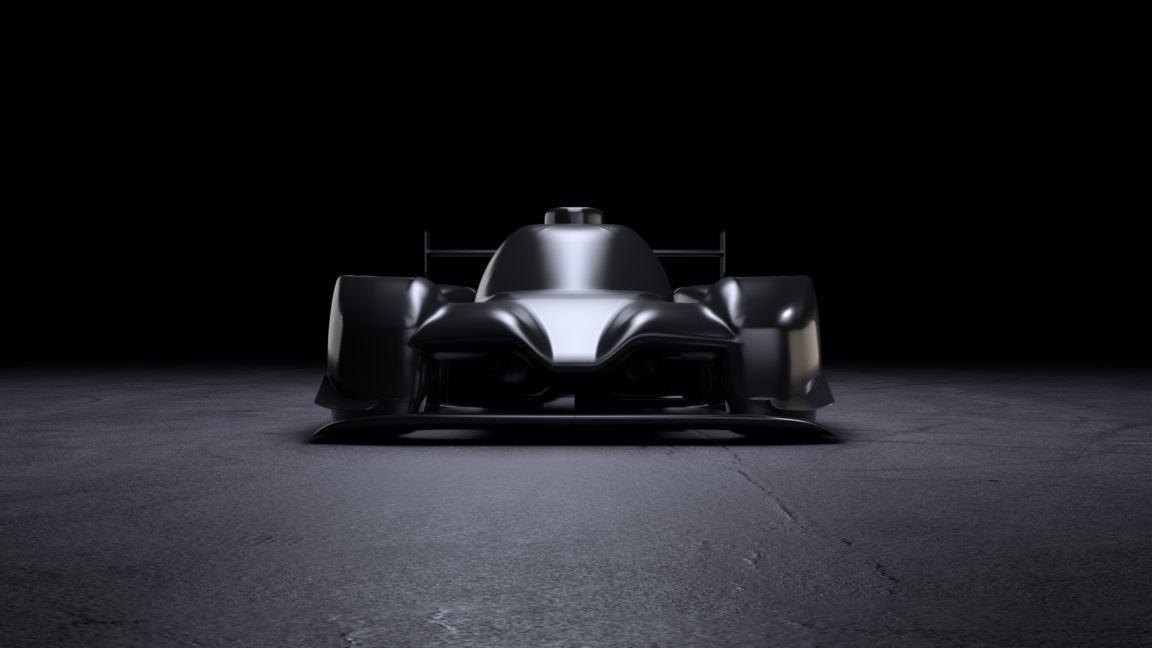
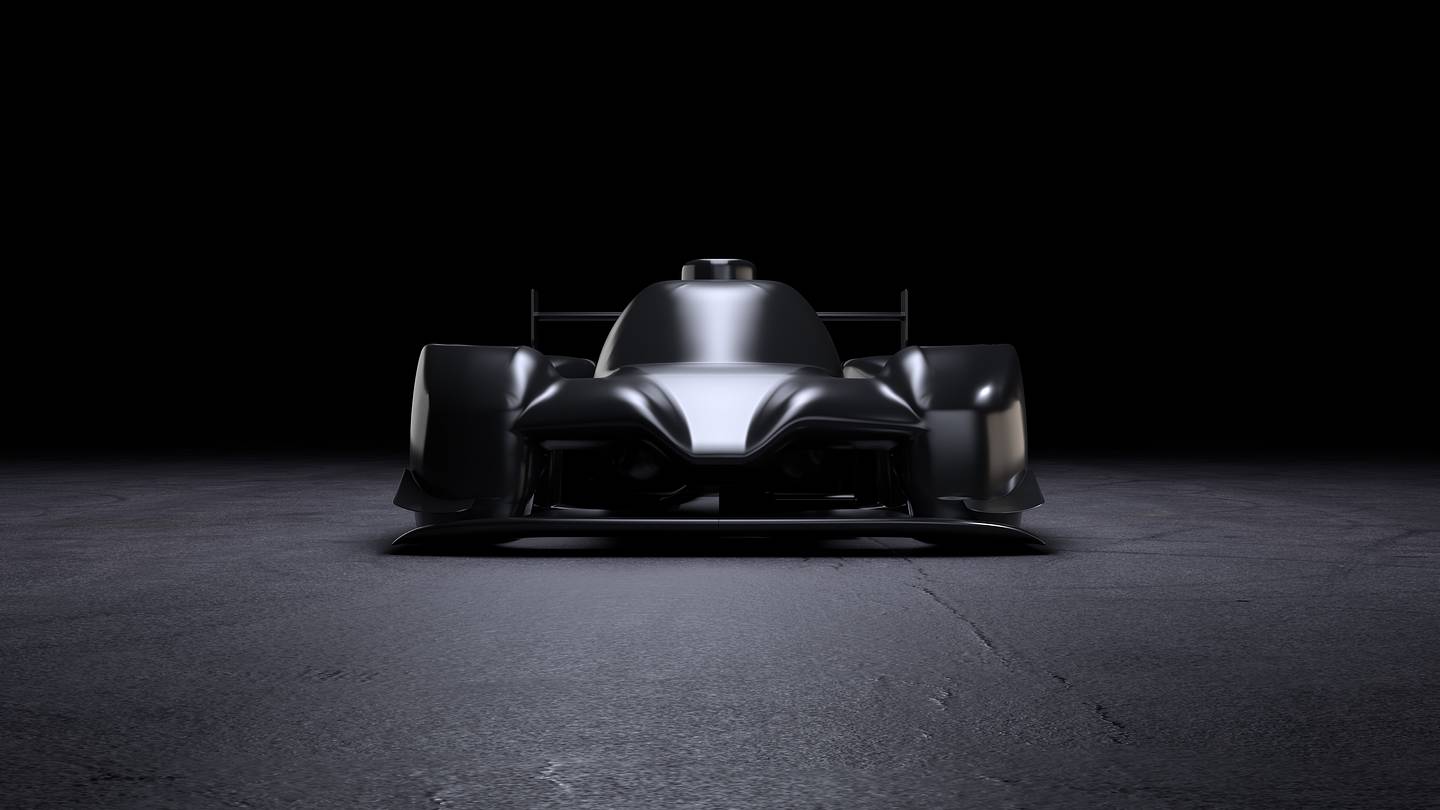
IBM and Dallara have published new research demonstrating that an artificial intelligence model can simulate the aerodynamics of a race car in seconds, a task that traditionally requires tens of thousands of core-hours of computational fluid dynamics. The breakthrough hinges on the Gauge-Invariant Spectral Transformer, or GIST, a neural operator trained on a vast dataset of CFD simulations of a simulated LMP2 sports prototype, the second-fastest class at Le Mans. According to the researchers, GIST was able to produce results in seconds on a single CPU, “compared to the tens of thousands of core-hours an equivalent CFD campaign would require.” The error margins were comparable to conventional methods, suggesting that AI surrogates could become a practical tool for teams operating under strict testing limits.
Motorsport’s Regulatory Squeeze Drives Adoption of AI
Since the introduction of wings to racing cars in the mid-1960s, airflow has been the dominant factor in performance. Early designers like Jim Hall at Chaparral and Colin Chapman at Lotus realized that wings could push the car onto the track, increasing grip and cornering speed. Wind tunnels became essential, but as costs soared, series including Formula 1, the World Endurance Championship, Formula E, and NASCAR began restricting on-track testing to help teams cut budgets. Today, early design work is done in silico before being validated with scale models in a wind tunnel. F1 now strictly limits the number of hours a team can use a wind tunnel—which can be only 60 percent scale—as well as the number of hours of CFD simulations. These constraints have pushed teams to seek computational shortcuts.
Formula 1 Teams Already Leverage Machine Learning
In the rarefied world of F1, the use of AI to boost CFD work has been underway for several seasons. Teams like Red Bull have turned to Neural Concept, a startup that helps at least four F1 teams use machine learning to model aerodynamics and tackle challenges such as cooling the cells in a hybrid power unit’s battery pack. Pierre Baqué, CEO and founder of Neural Concept, explained the value: “But yeah, it’s really a way to go from 100 or 1,000 CFD runs to be able to have 1 million data points at the end of the day.” IBM itself has steadily expanded its presence in sports through partnerships focused on data, AI, and fan engagement, including its work in Formula 1 with Ferrari. The new research with Dallara extends that footprint into the engineering core of motorsport.
From Slippery Shapes to Data-Driven Downforce
Before the aerodynamic revolution, the focus was on making a car as slippery as possible; less drag meant more top speed on the straights. The shift to using wings for downforce transformed vehicle dynamics but also multiplied the complexity of design. Wind tunnel work became even more critical when F1 began restricting on-track testing, forcing teams to rely on simulations and scale models. A single CFD simulation of a modern race car can take thousands of hours of processor time, and exploring variables such as pitch and yaw requires tens of thousands more. The GIST model’s ability to deliver results in seconds on a single CPU represents a dramatic reduction in computational cost, potentially allowing teams to explore far more design permutations within regulatory limits.
Implications for the Wider Automotive and Energy Sectors
While the immediate application is in motorsport, the underlying technology has broader implications. IBM’s work with the UK Atomic Energy Authority on a nuclear fusion plasma AI model, and its introduction of the AI software development assistant Bob for enterprise automation, signal a company-wide push to deploy AI in complex physical simulations. The GIST approach could be adapted to other domains where CFD is used, such as automotive design, aerospace, and energy. For Dallara, the partnership with IBM positions the Italian chassis manufacturer at the forefront of AI-driven engineering. As motorsport’s regulatory environment continues to tighten, the ability to run millions of virtual experiments within fixed CFD budgets could become a decisive competitive advantage.
The Outlook: AI as a Multiplier for Limited CFD Resources
The research from IBM and Dallara suggests that AI surrogates can multiply the value of limited computational fluid dynamics resources. Instead of being restricted to a few hundred or thousand CFD runs, teams could effectively generate millions of data points, enabling more thorough exploration of the design space. This could accelerate development cycles and reduce reliance on physical testing, which is both costly and constrained. As Pierre Baqué of Neural Concept noted, the goal is to expand the data set from hundreds to millions of points. With the GIST model demonstrating comparable error margins to conventional CFD, the path to production use appears plausible. The next step will be integrating such surrogates into the design workflows of teams and manufacturers, potentially reshaping how race cars—and other vehicles—are engineered.
The bottom line
- IBM and Dallara’s GIST neural operator simulates race car aerodynamics in seconds on a single CPU, versus tens of thousands of core-hours for traditional CFD.
- Motorsport series like F1 strictly limit wind tunnel and CFD hours, creating demand for AI surrogates that can explore more design permutations.
- At least four F1 teams already use machine learning via Neural Concept to model aerodynamics and battery cooling.
- The GIST model was trained on CFD data of an LMP2 prototype and produced results with error margins comparable to conventional methods.
- IBM’s broader AI push includes partnerships in nuclear fusion and enterprise software, indicating a strategic focus on physical simulation.
- AI surrogates could enable teams to generate millions of data points instead of hundreds, transforming design optimization under regulatory constraints.



統一超砸20.54億入股日本LOPIA台灣事業,取得零售超市51%股權
Sony Confirms One-Time Online Check for Digital PlayStation Games After 30-Day Timer Sparks Outcry

Copy Fail: New Linux Kernel Flaw Gives Root Access via 732-Byte Python Script