U.S. Gas Prices Hit Record $4.23 as Iran War and Strait Blockade Tighten Energy Squeeze
The nationwide average surges past a fresh milestone amid a dual blockade of the Strait of Hormuz, with Brent crude climbing to $114.60 and retailers warning of an unprecedented margin squeeze.
TAIWAN —
Key facts
- U.S. average gas price reached $4.23 per gallon on Wednesday, a new record since the Iran war began.
- Brent crude stands at $114.60, up nearly 25% from its April 17 low and close to the recent high of $118.
- AAA recorded the largest single-day increase in over a month on Tuesday, with prices rising $0.07.
- Gasoline prices have climbed $1.25 per gallon (over 40%) since the war started in late February.
- The U.S. and Iran have imposed a dual blockade on the Strait of Hormuz, a key chokepoint for Persian Gulf oil transit.
- Bank of America analysts found that only lower-income households have seen significant budget impact so far.
- Consumer confidence remains below pre-pandemic levels and below post-election readings from November 2024.
- The Conference Board index ticked up in May, likely tied to the Iran ceasefire announcement earlier in the month.
A New Record at the Pump
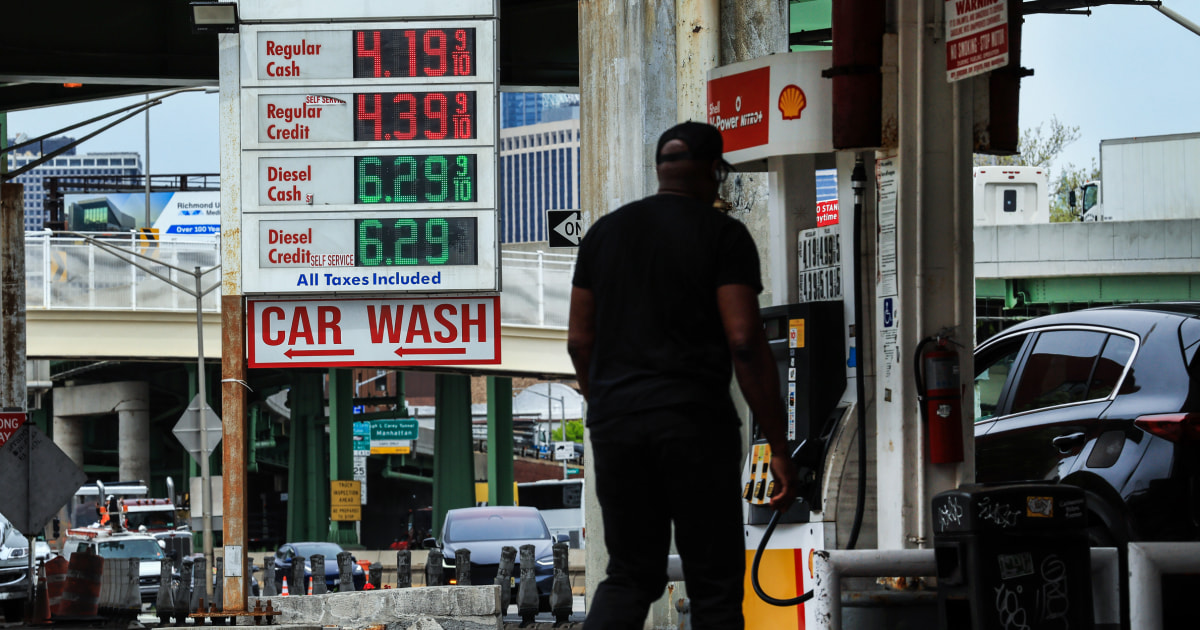
The average price of a gallon of regular gasoline in the United States hit $4.23 on Wednesday, surpassing the previous record set earlier this year and marking the highest level since the Iran war erupted in late February. The milestone, reported by AAA, comes as oil prices have surged over the past week amid a dual blockade by the United States and Iran of the Strait of Hormuz, the narrow waterway through which a substantial portion of the world's crude and petroleum products transit. Brent crude, the international benchmark that influences U.S. gasoline prices, now stands at $114.60 per barrel, up nearly 25% from a recent low on April 17 and just a few dollars shy of the $118 peak recorded earlier in the conflict. The relentless climb has compounded the usual seasonal price increases as refineries undergo spring maintenance and the summer driving season begins.
The Biggest Single-Day Jump in a Month
On Tuesday, AAA recorded the largest single-day increase in more than a month, with prices rising by $0.07. Since the war began in late February, gasoline prices have surged $1.25 per gallon, an increase of more than 40%. The spike reflects the dual blockade of the Strait of Hormuz, which has tightened global supply and sent crude prices soaring. Tom Kloza, chief energy adviser to Gulf Oil, said many gas stations have been artificially keeping prices below the $4 threshold by reducing their own profit margins. But he warned that retailers cannot sustain such suppressed margins for long. “This is the most serious squeeze, in terms of margin suppression, we’ve seen for retailers since 2020,” Kloza said.
Household Budgets Under Strain, but Only for Some
A report from Bank of America, whose data was largely compiled before the recent run-up, found that so far only lower-income households have experienced a significant impact on their budgets from higher gas prices. Despite the surge, households overall are still spending a smaller share of their budgets on gasoline than during the peaks of 2008, 2011 and 2012. However, the analysts cautioned that those buffers will erode if higher fuel costs begin to seep into other necessities. “A significantly bigger risk arises if higher gasoline and oil prices leak into other necessities such as grocery and utility prices — though so far there is little evidence for this,” they wrote. They added that while some households may rely on credit card borrowing to ride out the shock, that capacity is limited, particularly for lower-income families.
Consumer Confidence Remains Subdued
Consumer confidence continues to languish well below both pre-pandemic levels and the readings seen in the weeks following President Donald Trump’s second electoral victory in November 2024. On Tuesday, an uptick in its principal index, a move analysts attributed to the Iran ceasefire announced earlier in the month, which briefly sent stock prices to record levels. Yet the index remains depressed, reflecting the persistent uncertainty over the war and its economic fallout. The ceasefire, while offering a glimmer of hope, has not translated into sustained relief at the pump or in broader consumer sentiment.
The Dual Blockade and Its Global Consequences
The Strait of Hormuz, a 21-mile-wide chokepoint between the Persian Gulf and the Gulf of Oman, has become the epicenter of the energy crisis. Both the United States and Iran have imposed blockades, effectively halting the transit of crude and petroleum products from the region. The standoff has driven oil prices higher and exacerbated the supply crunch that began with the war's onset. The blockade has also heightened fears of a prolonged conflict, with peace talks stalled as the war enters its third month. The global energy crisis shows no sign of abating, and the dual blockade continues to tighten its grip on markets.
What Comes Next: The Risk of Broader Inflation
The immediate outlook hinges on whether the ceasefire holds and whether the Strait of Hormuz can be reopened to normal traffic. If the blockade persists, oil prices could breach the $118 high and push gasoline prices even higher. Analysts warn that the longer the squeeze continues, the greater the risk that higher fuel costs will spill over into other sectors, driving up grocery and utility prices. For now, the burden falls disproportionately on lower-income households, who have less financial cushion to absorb the shock. As Kloza noted, retailers are already feeling the strain, and the margin suppression cannot last indefinitely. The coming weeks will test whether the buffers that have so far shielded most Americans will hold.
The bottom line
- U.S. gas prices hit a new record of $4.23 per gallon, driven by the Iran war and a dual blockade of the Strait of Hormuz.
- Brent crude rose to $114.60, up 25% from its April low, with prices approaching the war's peak of $118.
- Gasoline prices have increased over 40% since the war began, with a single-day jump of $0.07 on Tuesday.
- Retailers are suppressing margins to keep prices below $4, but the squeeze is the most severe since 2020.
- Only lower-income households have seen significant budget impact so far, but broader inflation risks loom if fuel costs leak into other necessities.
- Consumer confidence remains below pre-pandemic and post-election levels, despite a slight uptick tied to the ceasefire.

IBM and Dallara Train AI to Simulate Race Car Aerodynamics in Seconds, Cutting CFD from Thousands of Hours

統一超砸20.54億入股日本LOPIA台灣事業,取得零售超市51%股權

Sony Confirms One-Time Online Check for Digital PlayStation Games After 30-Day Timer Sparks Outcry