Iran Executes Three Men Amid 65-Day Internet Blackout as War Strains Clerical Unity
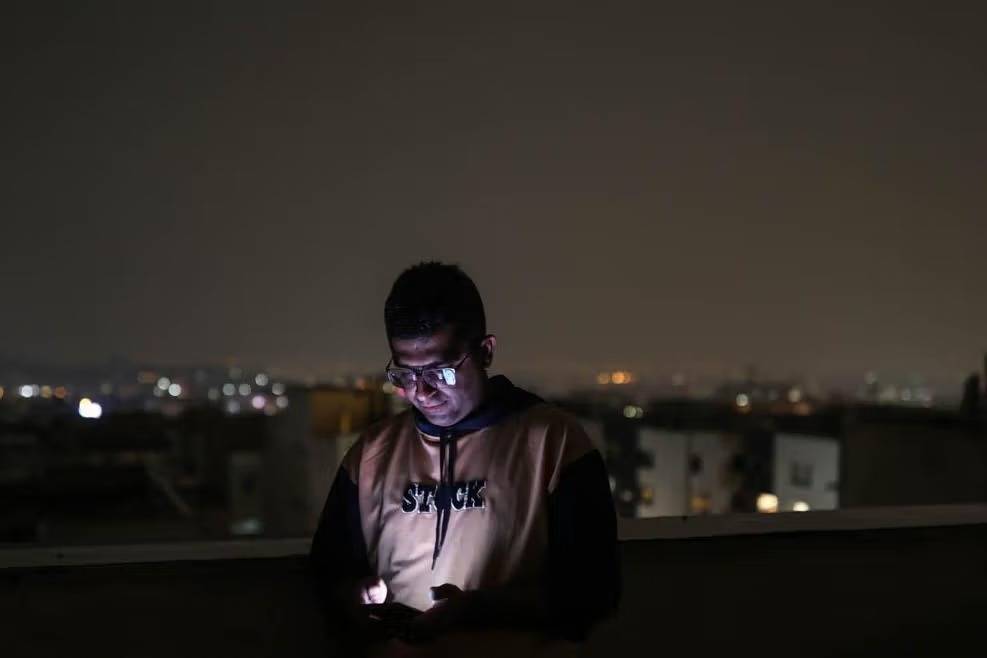
Tehran's dual crises—a systematic digital shutdown and a widening conflict—trigger internal divisions and a new wave of migration for internet access.

TANZANIA —
Key facts
- Iran has experienced a systematic disruption of international internet for 65 days.
- Three men executed in Mashhad for involvement in unrest and an alleged Israel-linked plot.
- Political prisoner Mehrab Abdollahzadeh executed in Urmia prison on Sunday.
- Two men executed Saturday after Supreme Court upheld death sentences for spying for Israel.
- Nobel laureate Narges Mohammadi transferred to hospital after losing consciousness twice.
- Hesam Alaeddin, 40, died after being beaten for using Starlink to bypass the blackout.
- Iran launched first missile and drone attack on UAE since April 8 ceasefire.
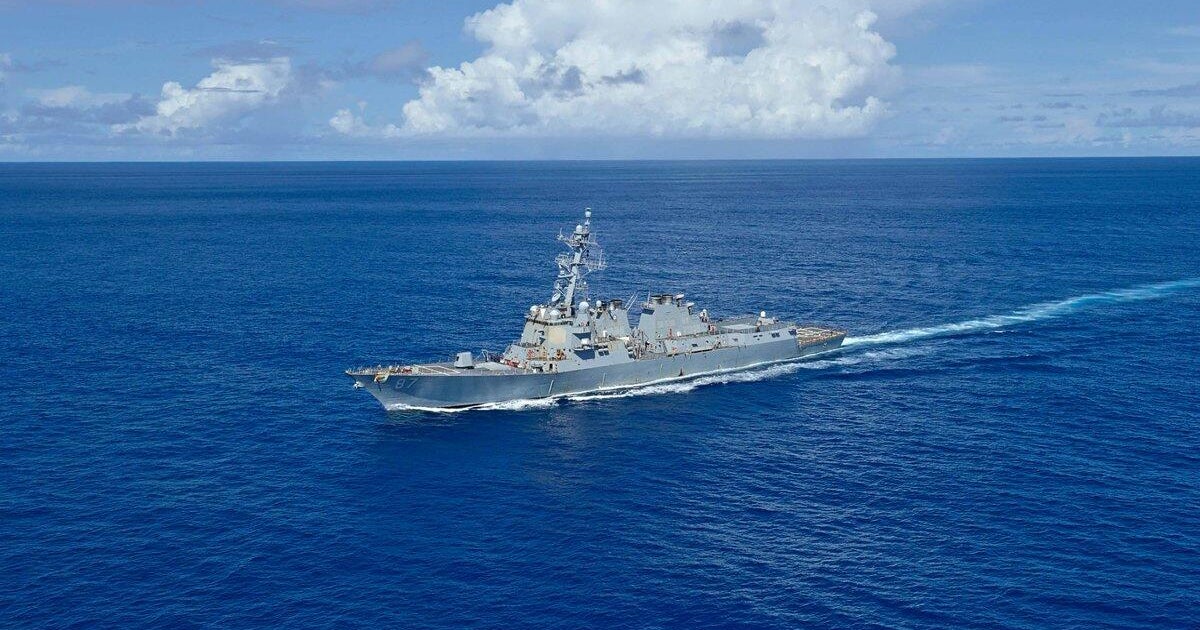
- U.S. destroyed six Iranian small boats in Strait of Hormuz; Iran denies losses.
Executions Continue Amid Digital Siege
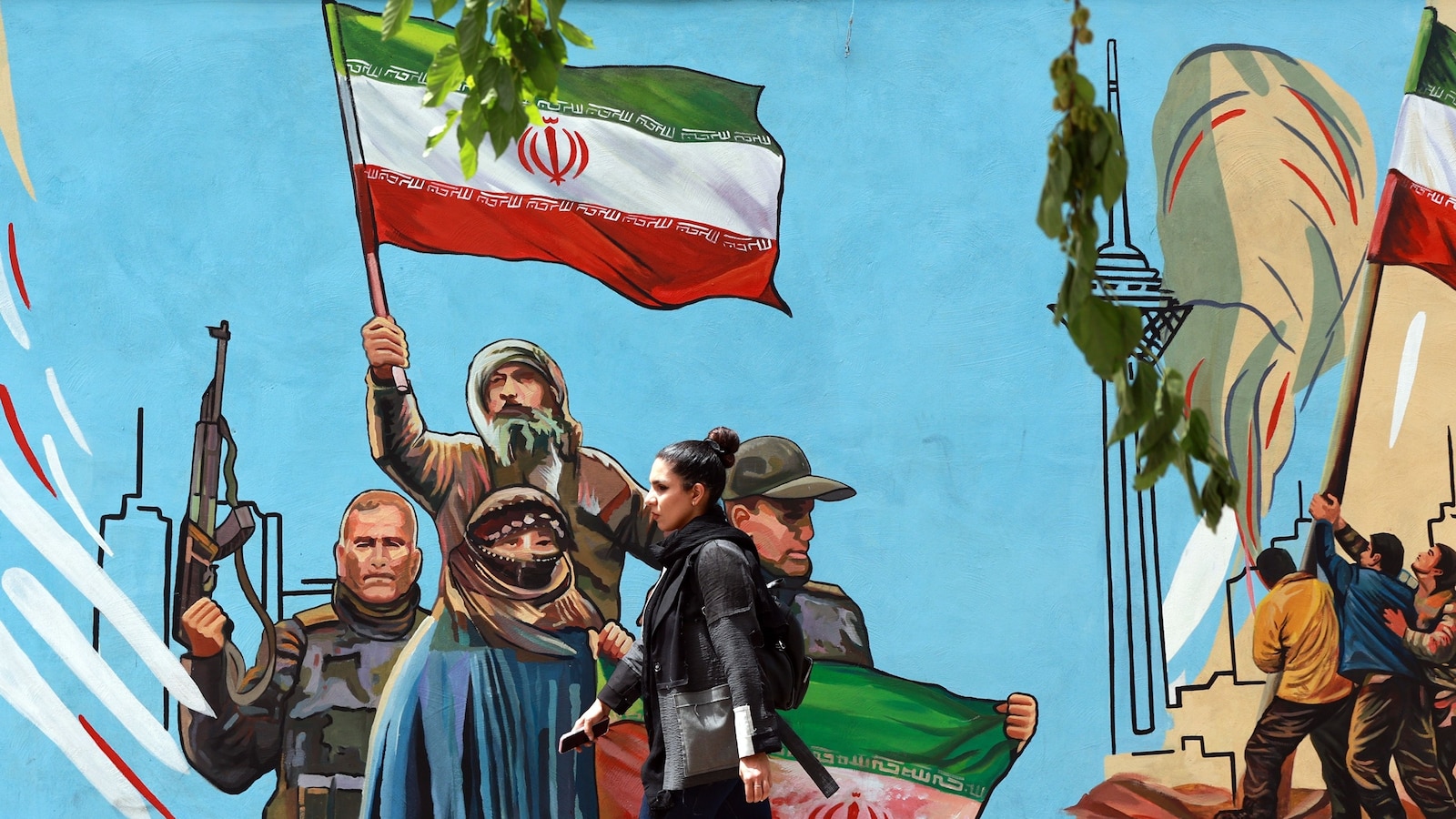
Iran executed three men early Monday morning in Mashhad, state media reported, accusing them of involvement in unrest and an alleged plot linked to Israel. The hangings came as the country marks 65 consecutive days of a systematic disruption of international internet, a blackout that activists say has turned access to information into a luxury and a symbol of structural inequality. On Sunday, the judiciary reported the execution of political prisoner Mehrab Abdollahzadeh in Urmia prison. Two more men were put to death on Saturday after the Supreme Court upheld their death sentences for spying for Israel and cooperating with the Mossad intelligence service. The steady pace of executions, a senior official noted, continues regardless of war, diplomacy, or domestic crisis.
Strait of Hormuz Clashes Escalate
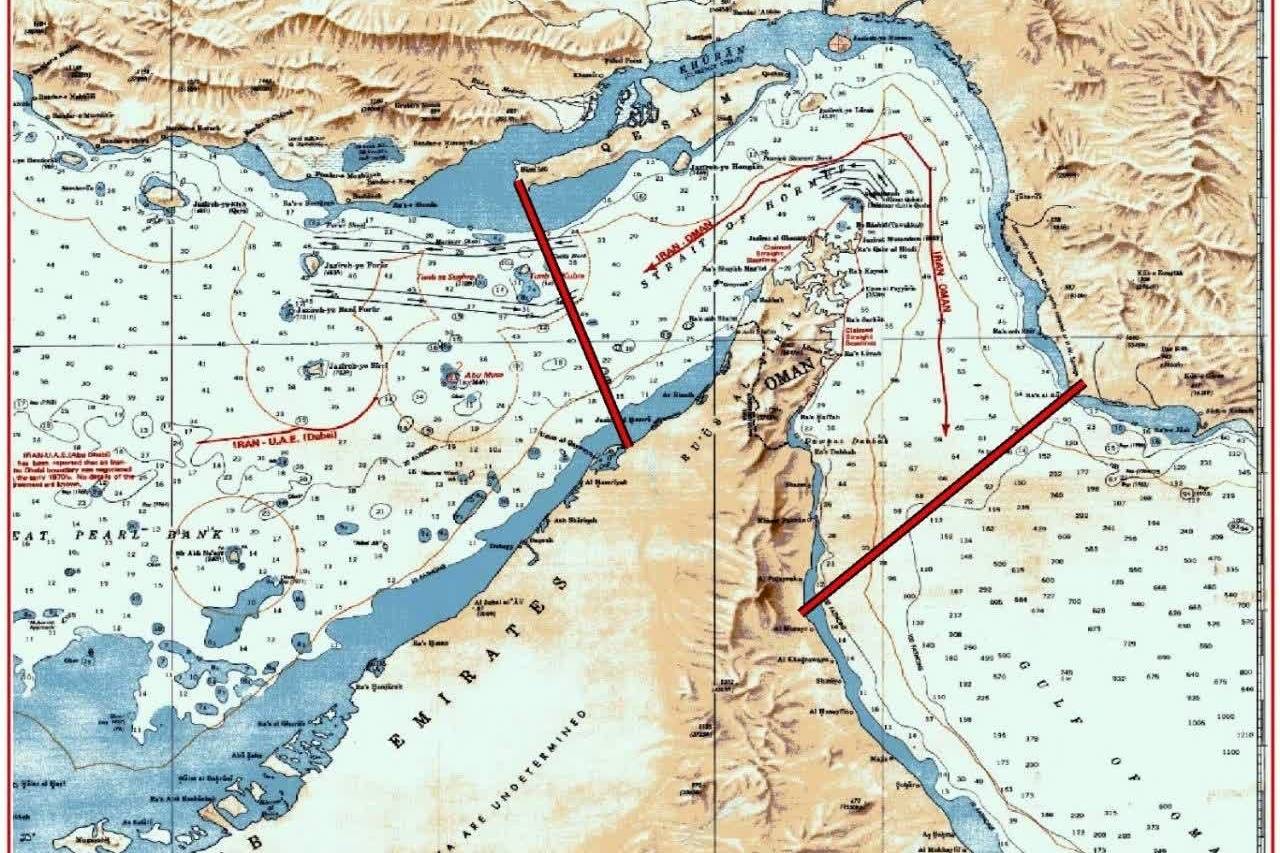
The U.S. military said it destroyed six Iranian small boats Monday after they attempted to interfere with commercial vessels in the Strait of Hormuz. U.S. Navy Admiral Brad Cooper, commander of Central Command, confirmed that Iran launched cruise missiles, drones, and small boats targeting U.S. commercial and military ships earlier in the day. Iran's state-run IRNA news agency rejected the assertion, claiming none of its fast boats were destroyed. Two U.S.-flagged commercial vessels safely transited the strait under Project Freedom, an initiative President Donald Trump announced Sunday for the U.S. military to guide ships through the waterway. Iranian authorities insist the strait is closed and only vessels with explicit permission from its military will be allowed to pass. U.S. Treasury Secretary Scott Bessent insisted Monday that the U.S. has full control over the waterway.
UAE Under Fire for First Time Since Ceasefire
Iran launched its first missile and drone attack on the United Arab Emirates since a ceasefire with the U.S. took effect on April 8, UAE authorities said Monday. A fire broke out at the Fujairah Oil Industry Zone following suspected Iranian drone attacks. The UAE's Ministry of Defense said it was intercepting ballistic missiles, cruise missiles, and drones, marking the first significant attack on a Gulf country since the ceasefire. Multiple flights headed to the UAE diverted to Muscat, Oman.s United a cargo ship on fire off the coast of the UAE, though the cause was not confirmed. Captain Raman Kapoor warned that no vessel would attempt to exit the Strait of Hormuz without assurance of safety.
Internal Divisions and Economic Pressure Mount
The war with the United States and Israel has exposed unusually open divisions within Iran's clerical establishment, with hardline calls for escalation clashing with warnings over the cost of continued conflict. Iranian lawmakers proposed a plan to permanently bar Israeli vessels from the Strait of Hormuz and allow ships from the U.S. and its allies only if they pay war reparations, placing the waterway under Iranian management. Iran has begun curbing oil production as the U.S. naval blockade tightens, with exports plunging, storage filling, and tankers gathering near the main export hub, Bloomberg reported. Dozens of residents in Tehran displaced by the 40-day war said municipal authorities ordered them to vacate temporary hotel housing despite unsafe homes and limited aid, according to interviews published by Etemad newspaper.
Peace Talks Stalled as Trump Demands Higher Price
Iran said it received a U.S. counter-proposal to its latest 14-point peace proposal, which it says is aimed at ending the war, not extending the current ceasefire. President Trump said over the weekend he would likely reject the Iranian proposal, stating that 'they have not paid a big enough price.' Initial U.S.-Iran talks in Pakistan in April failed to reach a peace deal after the announcement of a two-week ceasefire. Trump later announced an open-ended extension of the ceasefire and the continuation of a U.S. blockade until negotiations are concluded 'one way or the other.' Any settlement that leaves the Revolutionary Guards in control, analysts warn, would preserve the Islamic Republic's core of power and risk turning a military advantage for the U.S. and Israel into a strategic defeat.
Human Toll: Deaths, Displacement, and a Nobel Laureate's Health Crisis
Nobel Peace Prize laureate Narges Mohammadi was urgently transferred from Zanjan Prison to a hospital on Friday after losing consciousness twice and suffering a severe deterioration in her health, her lawyer and the Narges Foundation said. Hesam Alaeddin, a 40-year-old man detained in Tehran over his alleged use of Starlink satellite internet equipment to bypass the digital blackout, died after being severely beaten by government agents, a source familiar with the matter told Iran International. The Canadian opposition accused the government of bypassing its own rules after an IRGC-linked Iranian football official was granted special permission to enter the country despite being inadmissible. The next phase of the Iran–U.S. standoff, observers say, may be decided not on the battlefield, but by how much economic pressure each side can withstand.
The bottom line
- Iran executed at least six people in three days, including three for alleged Israel-linked plots, amid a 65-day internet blackout.
- U.S. destroyed six Iranian small boats in the Strait of Hormuz; Iran denies losses and insists the waterway is closed.
- Iran launched its first attack on the UAE since the April 8 ceasefire, hitting the Fujairah Oil Industry Zone.
- Internal clerical divisions over war strategy are widening, with hardliners pushing for escalation and critics warning of costs.
- Peace talks remain stalled as Trump rejects Iran's 14-point proposal, demanding a higher price for ending the conflict.
- Human rights crises deepen: Nobel laureate Narges Mohammadi hospitalized, a Starlink user killed in custody, and displaced Tehran residents evicted from shelters.



Putin’s inner circle wired for surveillance as coup fears grip Kremlin

Ballard's Hair-Pull Red Card Costs Sunderland as Wolves Earn 1-1 Draw
Napoli Held 0-0 at Como, Handing Inter Serie A Title Advantage
/https%3A%2F%2Fsportsmole-media-prod.s3.gra.io.cloud.ovh.net%2Fuploads%2F2025%2F11%2Ffotojet-2025-11-27t215402-118-6928badb5884b880676874.jpg)