Narges Mohammadi Hospitalized After ‘Catastrophic’ Health Deterioration in Iranian Prison
The Nobel Peace Prize laureate suffered two episodes of unconsciousness and a severe cardiac crisis, her foundation said, as family and rights groups call for urgent specialized care.

TANZANIA —
Key facts
- Narges Mohammadi, 54, was transferred to a hospital in Zanjan, northwestern Iran, on Friday after a catastrophic health decline.
- She suffered two episodes of complete loss of consciousness and a severe cardiac crisis while in Zanjan Prison.
- Mohammadi had a suspected heart attack in late March, according to her lawyers who visited her days later.
- Her hospitalization came after 140 days of systematic medical neglect since her arrest on December 12, her foundation said.
- Prison doctors determined her condition could not be managed on-site, despite standing recommendations for treatment by her specialized team in Tehran.
- Mohammadi has a history of cardiac arrhythmia, pulmonary embolism, and has undergone three angioplasties and stenting.
- Her brother Hamidreza Mohammadi, based in Oslo, said he fears she is dying and accused the Iranian regime of deliberately blocking medical care.
- The head of the Nobel Peace Prize committee, Jorgen Watne Frydnes, said Mohammadi's life is at risk.
Lede: A Sharp Decline Behind Bars
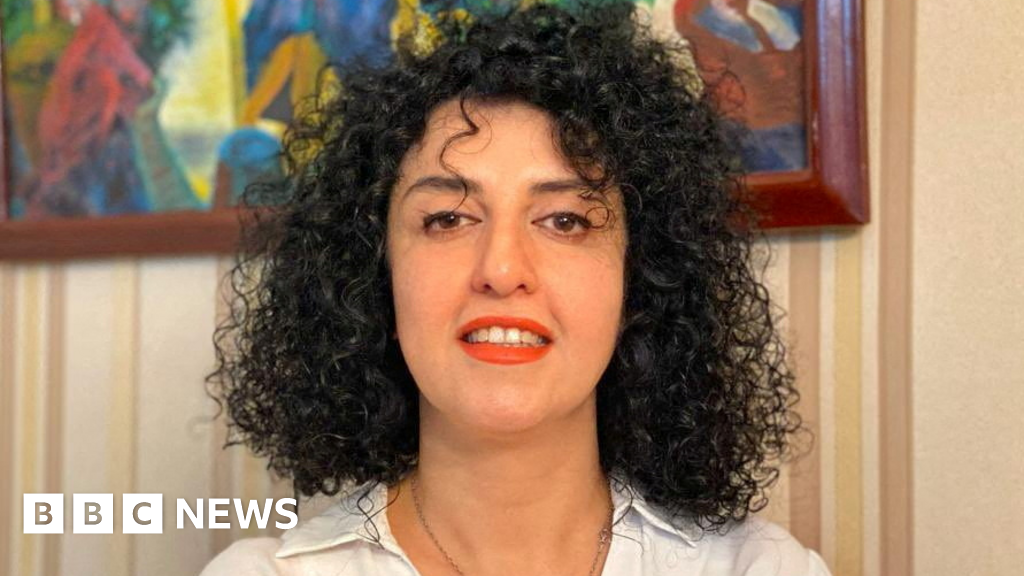
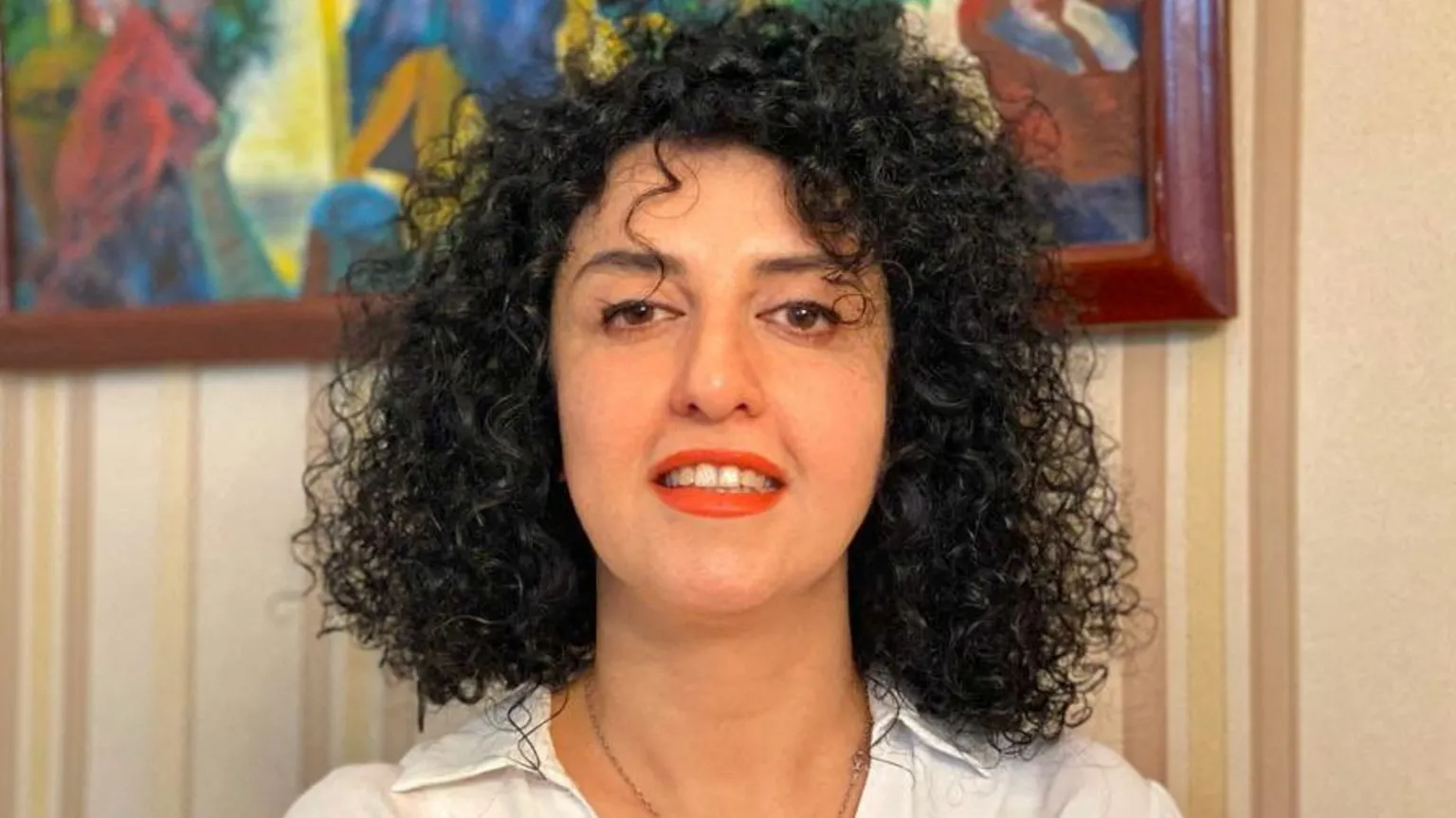
Iran’s imprisoned Nobel Peace Prize laureate Narges Mohammadi was rushed to a hospital in northwestern Iran on Friday after what her foundation described as a “catastrophic deterioration” of her health, including two episodes of complete loss of consciousness and a severe cardiac crisis. The transfer came after 140 days of what the Narges Mohammadi Foundation called “systematic medical neglect” since her arrest on December 12. Prison doctors ultimately concluded they could not manage her condition on-site, despite longstanding medical recommendations that she be treated by her specialized team in Tehran. Her family described the move as a “desperate, ‘last-minute’ action that may be too late to address her critical needs.”
A Suspected Heart Attack and Fainting Episodes
Earlier on Friday, Mohammadi fainted twice in Zanjan Prison, according to the foundation. She had already suffered a suspected heart attack in late March, her lawyers said after visiting her a few days later. At that time, she appeared pale, underweight and needed a nurse to help her walk. fellow inmates found her unconscious on March 24. A doctor at the prison clinic later told her she had probably had a heart attack. She had been experiencing chest pain and breathing difficulties since that incident. Her lawyer Mostafa Nili wrote on X that she had long suffered from cardiac arrhythmia before her sudden collapse. “She had severe chest pain, and her condition then deteriorated critically,” he said.
Family and Nobel Committee Demand Urgent Transfer to Tehran
Mohammadi’s brother Hamidreza, who lives in Oslo, Norway, said in an audio message shared by the foundation that her family is “fighting for her life.” He told the BBC’s Newshour program that he wakes up “waiting for the worst call” he could get. He said his sister’s previous conditions, including a pulmonary embolism and having undergone stenting and angiography, made “any treatment by the doctors in Zanjan effectively impossible.” He called for her to be transferred to a hospital in Tehran so that her own specialists could take over her care. Jorgen Watne Frydnes, head of the Nobel Peace Prize committee, echoed the call, telling Reuters that Mohammadi’s life was at risk. The foundation also demanded that all charges against her be dropped and that all sentences imposed for her peaceful human rights work be unconditionally annulled.
Systematic Denial of Medical Care
The foundation stated that the hospital transfer came “after 140 days of arbitrary detention and the persistent denial of specialised healthcare.” Her legal representative in France, Chirinne Ardakani, said earlier that Mohammadi had been denied transfer to the hospital or to visit her cardiologist. A prison official was present throughout the brief visit by her lawyers. Hamidreza Mohammadi accused the Iranian government of deliberately preventing his sister from getting the medical help she needed. “I have no doubt that the regime has decided to just get rid of people like Narges and other activists,” he said. The family’s call for adequate medical facilities had been ongoing for weeks. The foundation, quoting her family, said her transfer Friday was a last-minute action that might be too late.
A History of Persecution and Activism
Narges Mohammadi was awarded the 2023 Nobel Peace Prize for her advocacy of women’s rights and freedom, and for opposing the death penalty. Her activism has led to repeated imprisonment by Iranian authorities. She is currently serving a new prison term of seven and a half years. Her health problems are longstanding. She has undergone three angioplasties, procedures to widen narrowed or obstructed arteries or veins. Her brother noted that her history of cardiac, lung and blood pressure problems made any treatment by local doctors effectively impossible. Mohammadi’s case has drawn international attention, with rights groups and the Nobel committee calling for her immediate release and access to proper medical care.
Outlook: A Race Against Time
As Mohammadi remains hospitalized in Zanjan, her family and supporters are pressing for her transfer to Tehran, where her own specialists can treat her. The Nobel committee’s head has publicly stated that her life is at risk. The Iranian authorities have not commented on the demands for her transfer or on the allegations of deliberate medical neglect. The foundation’s statement described the hospitalization as an “unavoidable necessity” after prison doctors determined her condition could not be managed on-site. Whether the transfer to a local hospital will be sufficient to stabilize her condition remains uncertain. Her brother’s words capture the gravity: “My family in Iran is doing everything they can. But the prosecutors in Zanjan are blocking everything.”
The bottom line
- Narges Mohammadi, 2023 Nobel Peace Prize laureate, was hospitalized after a catastrophic health decline in Zanjan Prison, including two fainting episodes and a severe cardiac crisis.
- Her foundation and family say she suffered systematic medical neglect for 140 days since her arrest on December 12, with prison doctors initially refusing to transfer her despite her history of heart problems.
- Mohammadi had a suspected heart attack in late March and has undergone three angioplasties; her brother said her conditions make treatment in Zanjan effectively impossible.
- Her brother and the Nobel committee head have called for her immediate transfer to Tehran for specialized care, accusing the Iranian regime of deliberately blocking medical help.
- The family has demanded all charges be dropped and all sentences annulled, but Iranian prosecutors in Zanjan are reportedly blocking efforts to secure her transfer.
- The case highlights the ongoing repression of human rights activists in Iran, with Mohammadi’s life now at immediate risk.


Iran Executes Three Men Amid 65-Day Internet Blackout as War Strains Clerical Unity

Cremonese Slips Further Toward Relegation After 2-1 Home Loss to Lazio

Doku's Late Stunner Rescues Point for City but Title Race Tilts Toward Arsenal
