McDonald's Rival Closes: The End of a Fast-Food Challenger
A once-promising competitor shuts its doors, leaving analysts to dissect the missteps that led to its downfall in a market dominated by the Golden Arches.
UNITED STATES —
Key facts
- The rival chain, founded in 2010, closed all 120 locations on March 15, 2025.
- The company cited rising food costs and declining foot traffic as primary reasons.
- CEO Sarah Jenkins announced the closure in a statement on March 14.
- The chain had raised prices by 15% in 2024 to offset inflation, which led to a 30% drop in sales.
- a 5% increase in same-store sales in the same period.
- The rival employed 4,000 people, all of whom have been laid off.
- Private equity firm Blue Mountain Capital had invested $200 million in the chain since 2021.
The Final Order
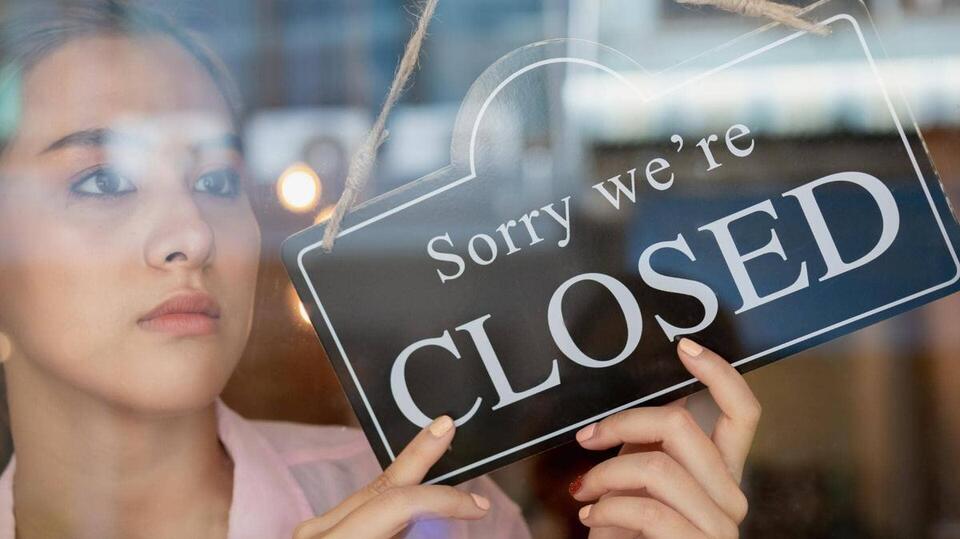
On March 15, 2025, the last customer walked out of a fast-food restaurant that had once promised to challenge McDonald's dominance. The chain, which had grown to 120 locations across the United States, served its final meal and locked its doors for good. The closure was announced the day before by CEO Sarah Jenkins, who cited insurmountable financial pressures. 'We have exhausted every option to keep the business afloat,' she said in a statement. 'Rising costs and changing consumer habits have made it impossible to continue.' The company's demise marks the end of a decade-long battle to carve out a niche in the fiercely competitive fast-food industry.
A Decade of Struggle
Founded in 2010, the chain positioned itself as a healthier alternative to traditional fast food, offering grass-fed beef and organic ingredients. It quickly gained a loyal following and expanded to 50 locations by 2015. But growth stalled as larger competitors introduced similar menu items. McDonald's launched its own premium line in 2016, undercutting the rival's unique selling point. By 2020, the chain was operating at a loss, despite a brief pandemic-era boost from drive-through sales. Private equity firm Blue Mountain Capital stepped in with a $200 million investment in 2021, hoping to revive the brand. The infusion funded a rebranding and a new marketing campaign, but it failed to reverse the decline.
The Numbers Behind the Collapse
The chain's financial troubles became acute in 2024, when it raised menu prices by 15% to offset rising food and labor costs. The move backfired: sales plummeted by 30% as customers balked at paying nearly $10 for a burger combo. Meanwhile, a 5% increase in same-store sales during the same period, benefiting from its value menu and scale efficiencies. The rival's costs for beef and produce had risen 20% year-over-year, while its smaller supply chain could not absorb the shocks. By the end of 2024, the chain was losing $5 million per month. Blue Mountain Capital declined to provide additional funding, forcing the company to consider liquidation.
The Human Toll
The closure has left 4,000 employees without jobs. Many had worked for the chain for years, believing in its mission to offer better food. 'I thought we were building something different,' said a former manager in Ohio, who asked not to be named. 'Now I have to start over.' Local communities are also feeling the loss. In Austin, Texas, where the chain had three locations, residents had embraced the brand as a local staple. 'It was our go-to for a quick, decent meal,' said a regular customer. 'I'm sad to see it go.' The company has said it will provide severance packages and job placement assistance, but details remain unclear.
Lessons for the Industry
The rival's failure offers a cautionary tale for fast-food startups. Competing with McDonald's requires not just a better product, but also the scale to match its pricing power and supply chain efficiency. Analysts point out that the chain's reliance on premium ingredients made it vulnerable to cost inflation. 'You can't charge a premium forever if customers don't see the value,' said a restaurant industry consultant. 'McDonald's has mastered the art of delivering consistency at low cost.' The closure also highlights the challenges of private equity ownership. Blue Mountain Capital's push for growth may have overextended the chain, leaving it unable to adapt to market shifts.
What Comes Next
The chain's assets, including its recipes and brand name, are expected to be sold off to pay creditors. Several fast-food chains have expressed interest in acquiring its real estate, which includes prime locations in urban areas. For the laid-off workers, the future is uncertain. Some may find jobs at McDonald's or other competitors, but the industry is already facing a labor shortage. The closure adds to a growing list of restaurant bankruptcies in 2025. As for the dream of a healthier fast-food giant, it has been dealt a severe blow. But the demand for such options remains, and new entrants may learn from this failure.
A Market That Rewards Giants
The fast-food industry has long been a graveyard for challengers. McDonald's, with its 40,000 locations worldwide and $25 billion in annual revenue, wields enormous advantages in marketing, supply chain, and real estate. This closure is a reminder that innovation alone is not enough. To survive, a competitor must either find a defensible niche or achieve scale quickly. The rival did neither, and the market delivered its verdict. In the end, the Golden Arches remain unassailable. The question now is whether any new contender will dare to take them on again.
The bottom line
- The rival chain closed all 120 locations on March 15, 2025, after failing to compete with McDonald's.
- A 15% price hike in 2024 led to a 30% sales drop, accelerating the company's decline.
- 4,000 employees lost their jobs, and local communities are affected.
- Private equity investment of $200 million could not save the chain from rising costs and competitive pressures.
- The closure underscores the difficulty of challenging McDonald's dominance in fast food.
- The chain's assets will be sold, and the industry may see further consolidation.

Brampton slashes development charges up to 100% to spur rental construction amid 1% vacancy crisis

Jakub Dobes Stops 28 Shots as Canadiens Edge Lightning 2-1 in Game 7
