SpaceX Launches 45 Satellites, Including Long-Delayed South Korean Earth-Observer
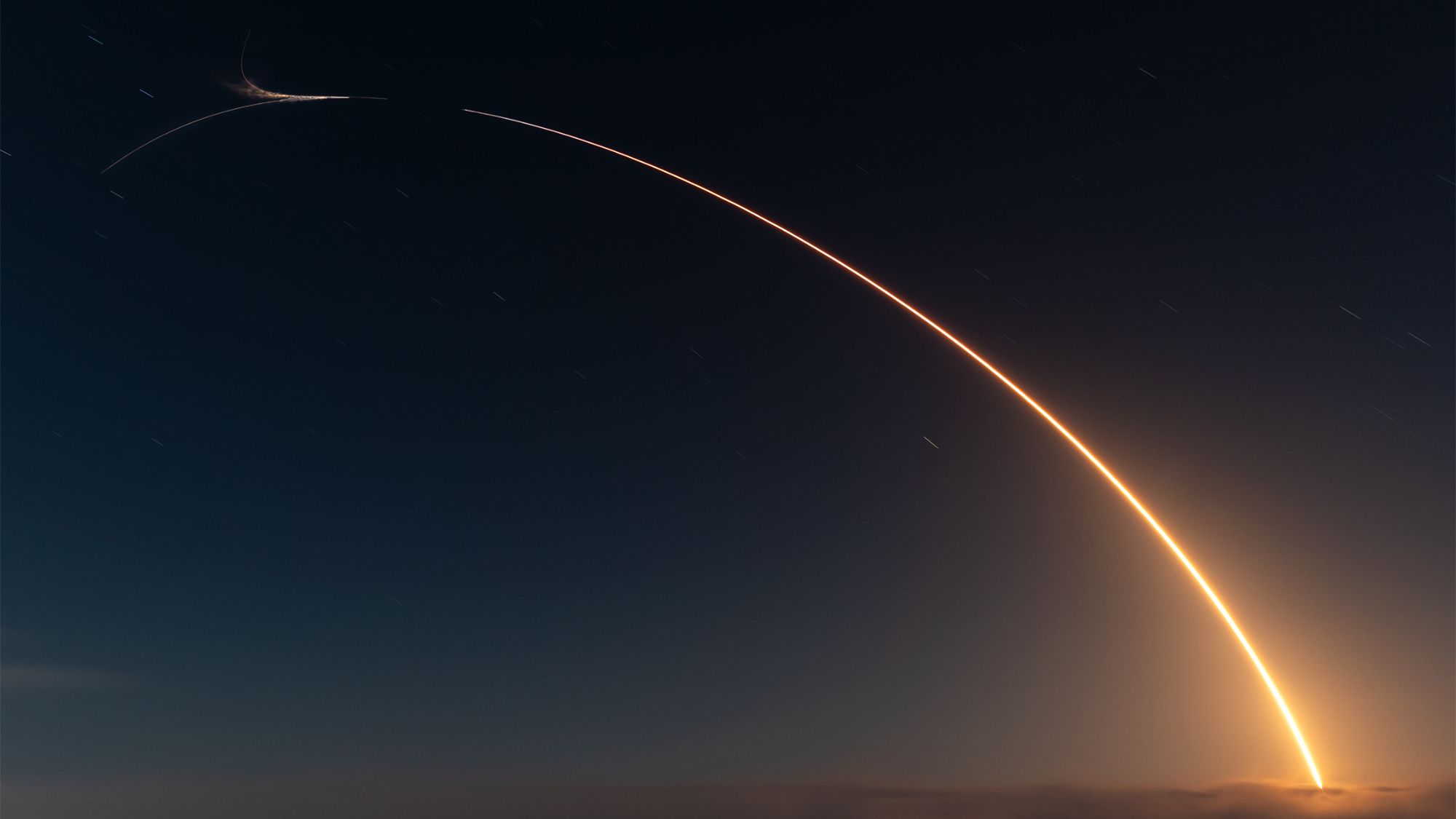
A Falcon 9 rocket lifted off from Vandenberg early Sunday, deploying the CAS500-2 satellite that had been grounded since 2022 due to the Ukraine war.
UNITED STATES —
Key facts
- Falcon 9 launched 45 satellites from Vandenberg Space Force Base on May 3 at 3:00 a.m. EDT.
- Primary payload was CAS500-2, a South Korean Earth-observation satellite developed by KARI.
- CAS500-2 was originally scheduled to fly on a Russian Soyuz in 2022 but was shelved after Russia's invasion of Ukraine.
- The Falcon 9 first stage landed back at Vandenberg 7.5 minutes after liftoff, its 33rd launch and landing.
- Booster B1071 is one flight short of SpaceX's reuse record set in late March 2026.
- The launch was SpaceX's 54th of 2026; all but one have been Falcon 9 missions.
- CAS500-2 deployed first, about 60 minutes after liftoff; the other 44 satellites followed over 90 minutes.
A Pre-Dawn Liftoff Ends a Long Hiatus for South Korea's CAS500-2
SpaceX launched 45 satellites to orbit from California early Sunday morning, May 3, at 3:00 a.m. EDT (0700 GMT; midnight local time). The mission, designated CAS500-2, carried a South Korean Earth-observation satellite that had been grounded for nearly four years after Russia's invasion of Ukraine derailed its original launch plan. The Falcon 9 rocket lifted off from Vandenberg Space Force Base under clear skies, marking the 54th SpaceX launch of 2026. All but one of those missions have been flown by Falcon 9; the exception was a Falcon Heavy flight earlier this year.
The Satellite That Waited: CAS500-2's Journey From Soyuz to Falcon 9
The primary payload, CAS500-2, is part of South Korea's Compact Advanced Satellite 500 program, which aims to operate five satellites in low Earth orbit. These spacecraft collect data for disaster monitoring, crop observation, and other applications. CAS500-1 launched on a Russian Soyuz rocket in March 2021, and CAS500-3 rode a South Korean Nuri vehicle into orbit in November 2025. CAS500-2 was originally booked to fly on a Soyuz in 2022. However, Russia's invasion of Ukraine in February of that year severed the international partnership, forcing the satellite into storage. SpaceX eventually secured the contract, and the satellite finally reached orbit on Sunday.
A Diverse Rideshare: 44 Additional Payloads From Global Operators
Alongside CAS500-2, the Falcon 9 carried 44 other satellites from a wide array of operators. the payloads came from Argotec S.r.l, Exolaunch, Impulso.Space, Loft-EarthDaily, Lynk Global, True Anomaly, and Planet Labs, among others. The satellites varied in purpose, from communications and Earth observation to technology demonstrations. The diverse manifest underscores SpaceX's role as a leading provider of rideshare launches, offering frequent and relatively low-cost access to space for small satellite operators worldwide.
Booster B1071 Nears Reuse Record With 33rd Landing
The Falcon 9's first stage, designated B1071, returned to Vandenberg about 7.5 minutes after liftoff, touching down successfully. This was the 33rd launch and landing for this particular booster, placing it just one flight shy of the company's reuse record, set in late March 2026 during a Starlink broadband-satellite mission. SpaceX has steadily pushed the boundaries of rocket reusability, a key factor in reducing launch costs. B1071's performance on Sunday demonstrates the reliability of the Falcon 9 platform, which has become the workhorse of the commercial launch industry.
Deployment Sequence and Mission Success
CAS500-2 was the first satellite to deploy from the Falcon 9's upper stage, approximately 60 minutes after liftoff. The remaining 44 payloads were released over the next hour and a half, with all deployments proceeding as planned. The mission was declared a success, with SpaceX confirming that all satellites were placed into their intended orbits. The company updated its mission status shortly after 10:10 a.m. ET on May 3, noting the successful launch and rocket landing.
Wider Context: SpaceX's Dominance and the Shifting Geopolitics of Space
Sunday's launch highlights two broader trends: SpaceX's increasing dominance in the global launch market and the geopolitical disruptions that continue to reshape space partnerships. The CAS500-2 satellite, originally slated for a Russian rocket, ultimately flew on an American vehicle, reflecting how the Ukraine war has realigned international space collaboration. South Korea's CAS500 program now has three of its five planned satellites in orbit, with two more expected in the coming years. The program's reliance on foreign launch providers—first Russia, then its own Nuri rocket, and now SpaceX—illustrates the complex calculus nations face in securing reliable access to space.
What's Next for SpaceX and the Falcon 9 Fleet
With 54 launches completed in the first four months of 2026, SpaceX is on pace to far exceed its previous annual records. The company continues to rely heavily on the Falcon 9, which handles the bulk of its commercial, government, and Starlink missions. Booster B1071 will likely fly again soon, potentially tying or breaking the reuse record. Meanwhile, the success of the CAS500-2 mission reinforces SpaceX's reputation as a reliable partner for payloads that have faced delays or lost their original ride. As geopolitical tensions persist, the company may see increasing demand from nations seeking alternatives to Russian or Chinese launch services.
The bottom line
- SpaceX launched 45 satellites on a single Falcon 9 flight, including South Korea's CAS500-2 Earth-observation satellite.
- CAS500-2 was originally scheduled for a Russian Soyuz launch in 2022 but was delayed indefinitely after Russia's invasion of Ukraine.
- The Falcon 9 first stage B1071 landed for the 33rd time, one shy of SpaceX's reuse record.
- The launch was SpaceX's 54th of 2026, demonstrating the company's rapid launch cadence.
- The rideshare mission included payloads from seven different operators, highlighting SpaceX's role in the small satellite market.
- Geopolitical shifts continue to influence launch contracts, with former Russian customers turning to American providers.

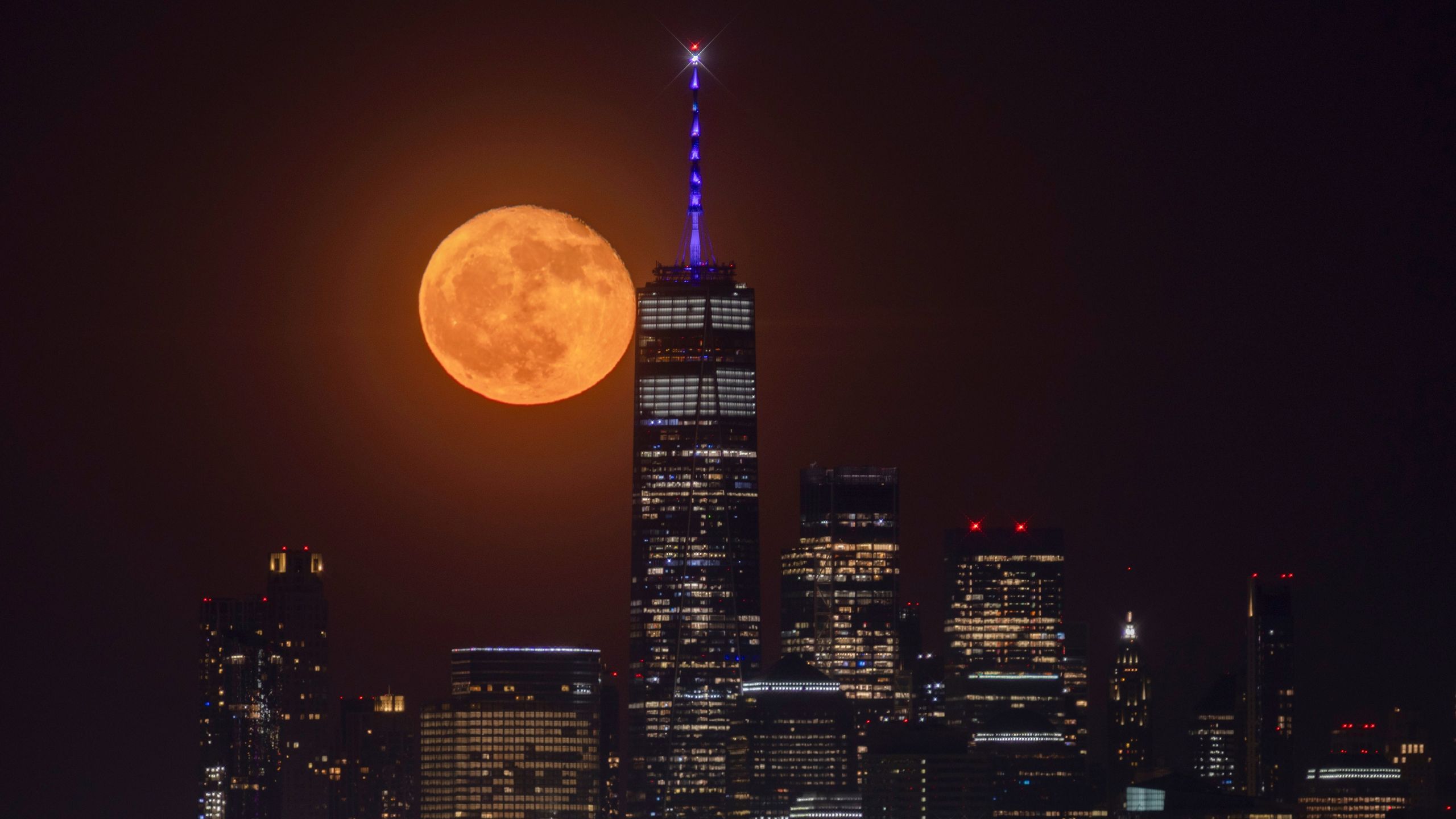
May's Flower Moon Rises Tonight, Setting Stage for Rare Blue Moon on May 31

Reed Sheppard's Game 5 Heroics Keep Rockets Alive and Gift Thunder Extra Rest
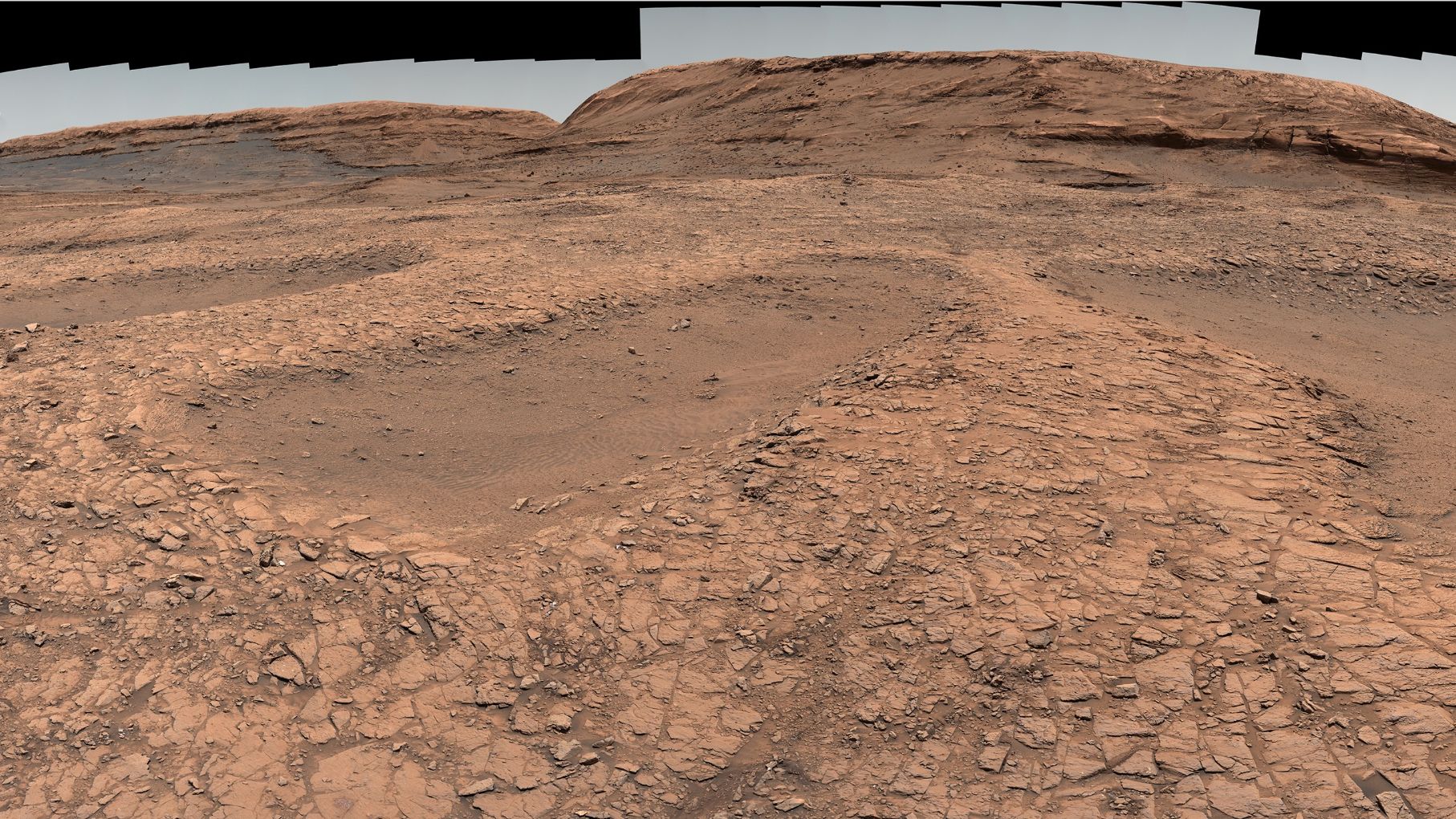
NASA’s Twin Rovers Unveil Mars’ Dueling Geologic Histories in Stunning 360-Degree Panoramas