U.S. Navy Shepherds Maersk Ship Through Strait of Hormuz as Iran Strikes UAE
Project Freedom moves two U.S.-flagged vessels under fire, while Iranian missiles hit the Emirates and Trump warns Tehran will be 'blown off the face of the earth.'

UNITED STATES —
Key facts
- Maersk's Alliance Fairfax, a U.S.-flagged vessel operated by Farrell Lines, transited the Strait of Hormuz under U.S. military protection on Monday.
- Iranian drones and missiles struck the United Arab Emirates on Tuesday, threatening a fragile U.S.-Iran ceasefire.
- two U.S.-flagged merchant vessels successfully crossed the strait as part of Project Freedom.
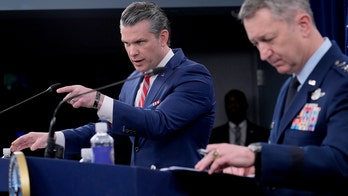
- CENTCOM Commander Adm. Brad Cooper said U.S. forces destroyed six Iranian small boats and intercepted cruise missiles and drones.
- President Trump warned on Fox News that Iran would be 'blown off the face of the earth' if it targets U.S. ships.
- Iranian Foreign Minister Abbas Araghchi stated there is 'no military solution to a political crisis' and called Project Freedom 'Project Deadlock.'
- Approximately 20% of global oil and gas transits the Strait of Hormuz, but traffic has virtually halted since the war began on Feb. 28.
- The U.S. operation involves guided-missile destroyers, over 100 aircraft, unmanned systems, and roughly 15,000 service members.
A Ceasefire Under Strain as Ships Move Under Fire
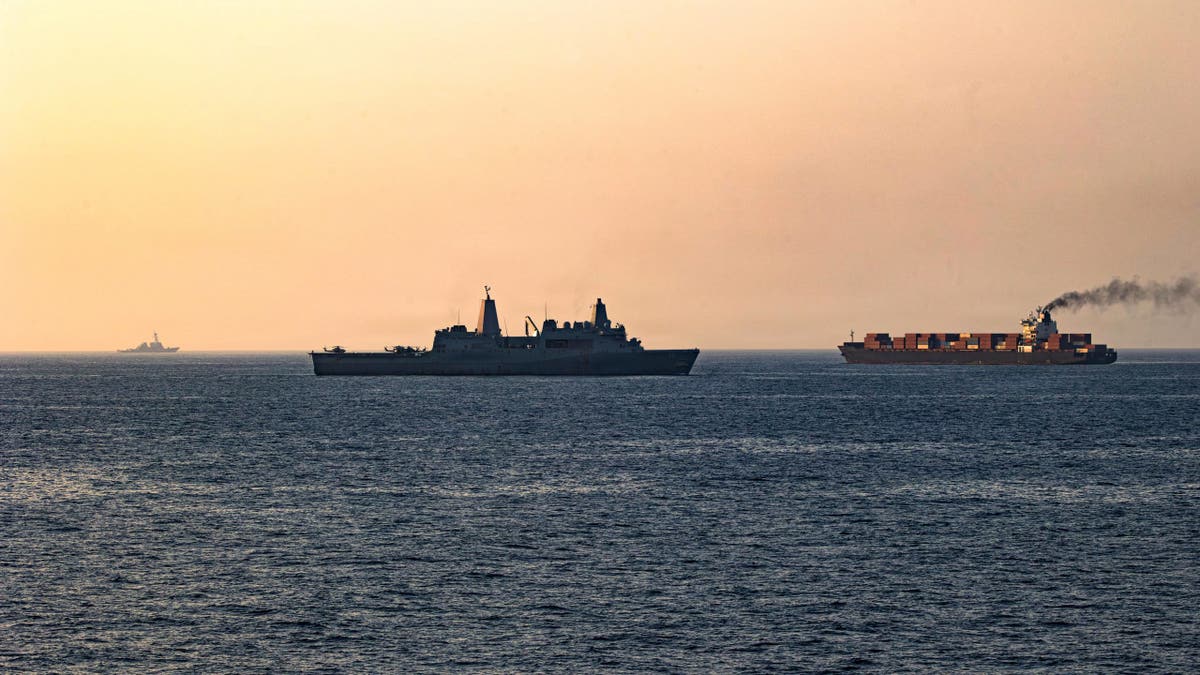
A fragile ceasefire between the United States and Iran appeared close to unraveling on Tuesday after Iranian drones and missiles struck the United Arab Emirates, even as the U.S. Navy began shepherding commercial vessels through the Strait of Hormuz under President Donald Trump's 'Project Freedom' initiative. Danish shipping giant Maersk confirmed that one of its commercial vessels, the Alliance Fairfax—a U.S.-flagged ship operated by Farrell Lines, a subsidiary of Maersk Line Limited—successfully transited the strategically vital waterway on Monday under U.S. military protection. All crew members are safe and unharmed, the company said in a statement. The ship had been stranded at sea since the U.S.- and Israeli-led war against Iran erupted on Feb. 28, Maersk added. The transit marks the first tangible success of Project Freedom, a plan to free vessels trapped by Iran's closure of the strait, a narrow chokepoint connecting the Persian Gulf to the Gulf of Oman.
U.S. Forces Intercept Attacks, Destroy Iranian Boats
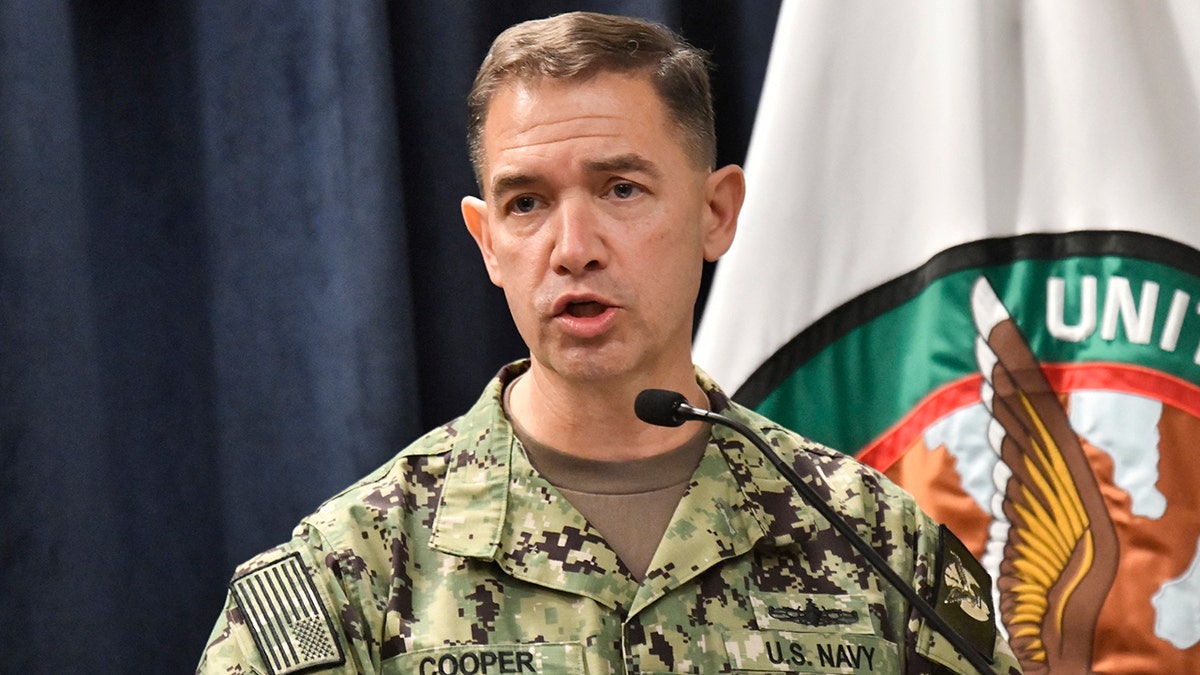
U.S. Central Command (CENTCOM) said two U.S.-flagged merchant vessels have now successfully transited the strait under the operation, even as Iranian officials rejected the claim as 'baseless' and warned that any foreign military presence would be attacked. CENTCOM Commander Adm. Brad Cooper told reporters that Iranian forces launched cruise missiles, drones, and small boats at vessels under U.S. protection as the operation began, targeting primarily commercial shipping as well as some U.S. Navy ships. U.S. forces responded by intercepting the attacks and destroying six Iranian small boats, Cooper said, adding that American forces 'defeated each and every one of those threats.' He noted that the two U.S.-flagged ships transited the strait 'uneventfully' and that additional vessels are expected to begin moving to take advantage of the passage. The operation involves a large U.S. military presence, including guided-missile destroyers, more than 100 aircraft, unmanned systems, and roughly 15,000 service members.
Trump's Apocalyptic Warning and Iran's Defiance
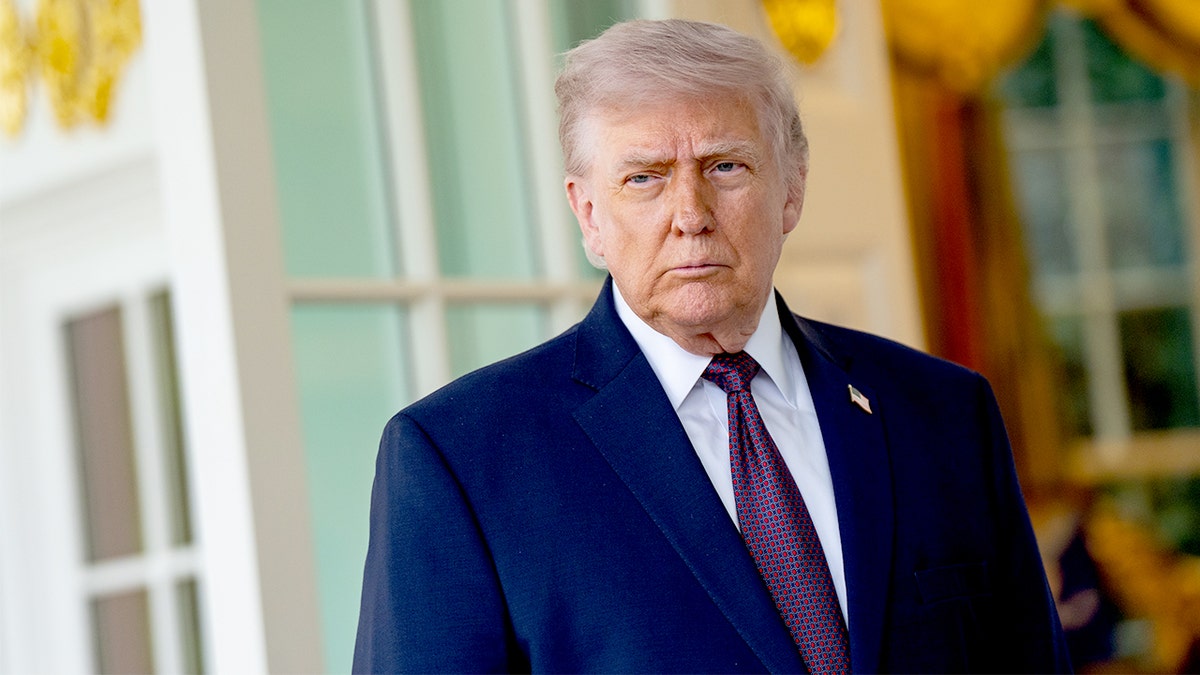
Speaking to Fox News on Monday, President Trump warned that Iran would be 'blown off the face of the earth' if it targeted U.S. ships safeguarding commercial traffic through the strait. In a post on Truth Social, Trump said Iran had taken 'shots at unrelated Nations' during the operation, including a South Korean cargo ship, and suggested allies could join the effort: 'Perhaps it’s time for South Korea to come and join the mission!' Iranian Foreign Minister Abbas Araghchi countered in a social media post that recent events in the strait 'make clear that there's no military solution to a political crisis.' He added: 'As talks are making progress with Pakistan's gracious effort, the U.S. should be wary of being dragged back into quagmire by ill-wishers. So should the UAE. Project Freedom is Project Deadlock.' A senior Iranian commander separately warned that American forces would be targeted if they 'approach and enter' the strait, raising the stakes for a direct confrontation.
Global Trade Barometer Maersk to Report Earnings Amid Crisis
Maersk, widely regarded as a barometer of global trade, is scheduled to report its first-quarter earnings on Thursday. The company's decision to move a vessel through the strait under military escort underscores the high economic stakes. Typically, about 20% of the world's oil and gas passes through the Strait of Hormuz, but shipping traffic has virtually halted since the war began. The successful transit of the Alliance Fairfax may signal a gradual reopening, but the continued attacks and threats suggest a protracted standoff. The U.S. Navy's guided-missile destroyers remain on station in the region, CENTCOM confirmed via social media on Monday, as the operation continues under fire.
Wider Regional Fallout and the Path Ahead
The Iranian strike on the UAE marks a significant escalation, targeting a nation that had not been directly involved in the conflict. The attack came despite ongoing diplomatic efforts, with Araghchi noting that talks were 'making progress with Pakistan's gracious effort.' The situation has quickly turned into a direct test of control over the strait, with U.S. forces moving ships under fire while Iran threatens to strike any foreign presence—a clash that could pull the two sides deeper into open conflict. Retired Marine colonel and analysts have warned that key threats remain as Iran continues attacks in the strait. For now, the fragile ceasefire hangs by a thread, and the success of Project Freedom depends on whether the U.S. can sustain its military escort operations without triggering a wider war.
The bottom line
- Maersk's Alliance Fairfax successfully transited the Strait of Hormuz under U.S. military protection on Monday, marking the first major test of Project Freedom.
- Iranian drones and missiles struck the UAE on Tuesday, threatening the U.S.-Iran ceasefire and escalating regional tensions.
- U.S. forces destroyed six Iranian small boats and intercepted multiple attacks during the operation, CENTCOM reported.
- President Trump warned of overwhelming force against any Iranian strike on U.S. vessels, while Iran vowed to target any foreign presence in the strait.
- Approximately 20% of global oil and gas transits the Strait of Hormuz, but traffic has been virtually halted since the war began on Feb. 28.
- Diplomatic efforts, including talks mediated by Pakistan, continue but face severe strain as military operations intensify.


Pistons Rally from 24-Point Deficit to Force Game 7 Against Magic

Tornado Watch Blankets Central Florida as Cold Front Brings Severe Weather Threat

UAE Intercepts Iranian Missiles, Condemns 'Dangerous Escalation' After Drone Strike Injures Three
