UAE Intercepts Iranian Missiles, Condemns 'Dangerous Escalation' After Drone Strike Injures Three
Abu Dhabi reserves right to respond as four cruise missiles are shot down over territorial waters and a drone attack sets fire to the Fujairah oil zone.

UNITED STATES —
Key facts
- UAE air defenses intercepted three cruise missiles over territorial waters; a fourth fell into the sea.
- A drone attack from Iran struck the Fujairah Oil Industry Zone, injuring three Indian nationals.
- Iranian drones targeted an ADNOC oil tanker in the Strait of Hormuz; no injuries reported.
- UAE Ministry of Foreign Affairs condemned the attacks as 'treacherous Iranian terrorist attacks.'
- UAE official Anwar Gargash slammed the tanker attack as a 'dangerous escalation.'
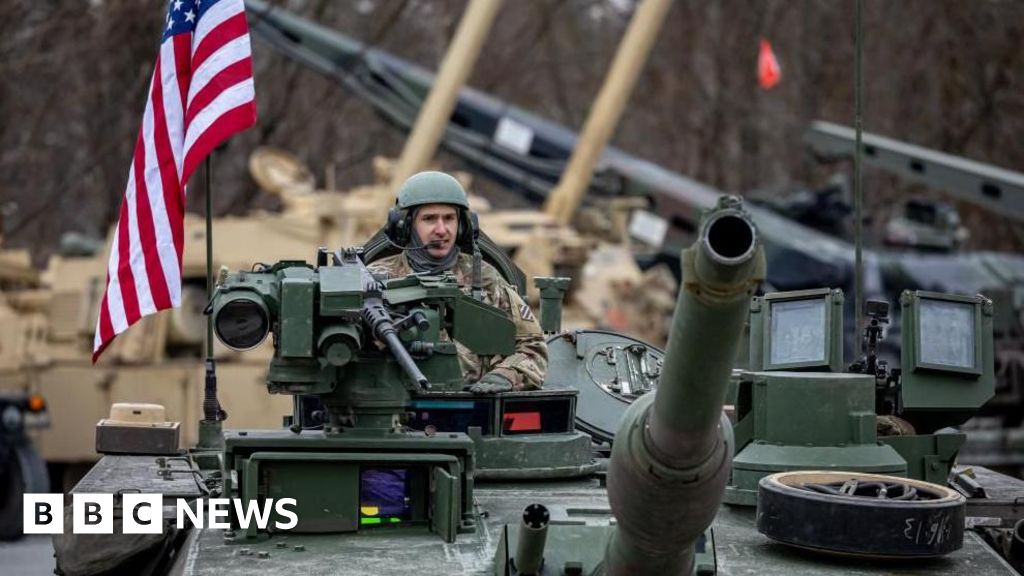
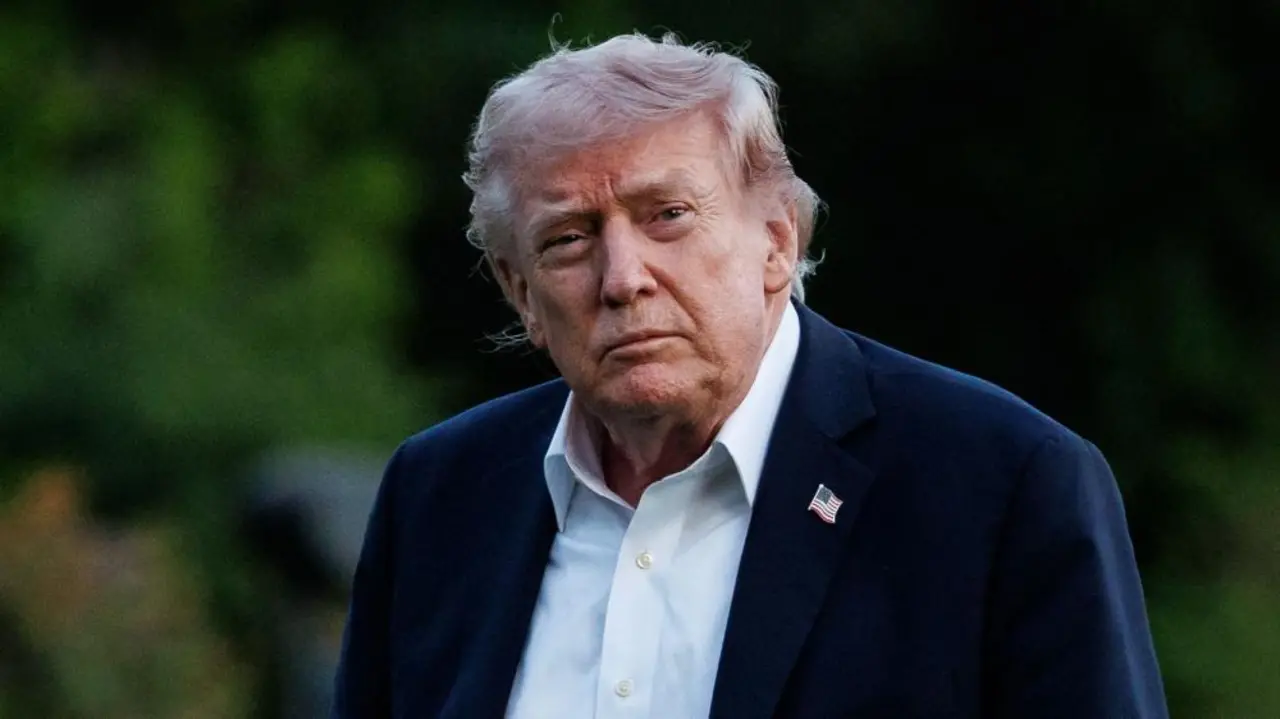
- US President Donald Trump said US forces struck seven Iranian small boats near the Strait of Hormuz.
- Trump urged South Korea to join the US-led mission to secure commerce in the region.
- Defense Secretary Pete Hegseth and Joint Chiefs Chairman Gen Dan Caine will brief the press.
Missiles and Drones Over the Emirates
The United Arab Emirates came under direct fire from Iran on Monday evening, as air defense systems engaged a volley of cruise missiles and drones that targeted civilian sites and oil infrastructure. The National Emergency Crisis and Disaster Management Authority confirmed that four cruise missiles were detected around 7 p.m. local time, three of which were intercepted over the country's territorial waters while the fourth crashed into the sea. Simultaneously, a drone originating from Iran struck the Fujairah Oil Industry Zone, the UAE's largest oil storage hub, sparking a fire that civil defense teams are still working to contain. The attack wounded three Indian nationals, who were rushed to a hospital in Fujairah. No other casualties have been reported.
Abu Dhabi Condemns 'Treacherous' Aggression
The UAE Ministry of Foreign Affairs issued a strongly worded statement denouncing the 'renewed treacherous Iranian terrorist attacks' that used missiles and drones against civilian sites. The ministry explicitly reserved the UAE's right to respond to what it called a 'dangerous escalation.' Senior diplomat Anwar Gargash separately slammed the assault on an ADNOC tanker in the Strait of Hormuz, describing it as a provocation that threatens regional stability. Iran has not yet commented on the incidents. The attacks mark the first time Iranian projectiles have struck Emirati territory since the 2019 drone and missile strikes on Saudi Aramco facilities, which were also attributed to Iran.
Trump Orders Strikes on Iranian Boats, Calls for Allied Help
US President Donald Trump announced that American forces had struck seven Iranian 'small boats' that were attempting to open the Strait of Hormuz, a critical chokepoint for global oil shipments. In a social media post, Trump also noted that Iran had 'taken some shots at unrelated nations,' including a South Korean vessel, and urged Seoul to 'come and join the mission.' Trump said Defense Secretary Pete Hegseth and Joint Chiefs Chairman Gen Dan Caine will hold a news conference on Tuesday morning to provide further details. The White House is framing the strikes as part of a broader effort to secure commerce in the region, though critics warn that the US escalation risks a wider confrontation.
Three Indians Injured in Fujairah Fire
Fujairah authorities confirmed that the fire at the oil zone was caused by a direct drone hit. The three injured Indian nationals were working at the facility when the drone struck. Local civil defense teams are continuing to battle the blaze, and the situation has been declared safe enough for residents to resume normal activities with caution, according to official advisories. The Fujairah Oil Industry Zone is a strategic storage and bunkering hub, holding millions of barrels of crude and refined products. Any prolonged disruption could affect global oil supply chains, though the UAE has not yet announced any production or export curtailments.
A Pattern of Escalation in the Strait of Hormuz
Monday's attacks are the latest in a series of confrontations in and around the Strait of Hormuz, where Iran has periodically harassed commercial shipping and targeted oil infrastructure. The UAE, which normalized relations with Israel in 2020 and has sought to de-escalate tensions with Tehran, now finds itself directly in the crosshairs. The strikes come amid heightened US military posture in the Gulf, with the Trump administration having recently dispatched additional naval assets. The UAE's condemnation and its reserved right to respond signal a potential shift in its posture, from diplomatic engagement to possible military retaliation.
What Comes Next: Diplomacy or Retaliation?
The UAE has not yet announced any specific retaliatory measures, but its statement reserving the right to respond leaves the door open for a range of options, from diplomatic protests to military action. The involvement of US forces and Trump's call for allied contributions suggest that the incident could accelerate a broader coalition effort to secure the Strait of Hormuz. Iran's silence leaves open the question of whether the attacks were authorized by the central government or carried out by proxy forces. The international community, including the UN Security Council, is likely to weigh in, but no emergency session has been scheduled yet. The coming days will test whether the UAE chooses to retaliate unilaterally or coordinate with the US-led coalition.
A Regional Tinderbox
The UAE-Iran confrontation adds a volatile new dimension to an already tense region. The Trump administration's decision to strike Iranian boats, combined with the UAE's direct experience of attack, could embolden other Gulf states to take a harder line against Tehran. Yet the risk of miscalculation is high: any retaliatory strike by the UAE could trigger a broader cycle of escalation. For now, the UAE has called for calm, advising residents to resume normal activities while remaining vigilant. But the sight of cruise missiles over Abu Dhabi and drones over Fujairah has shattered the sense of invulnerability that the Emirates has long cultivated. The question now is whether this is a one-time breach or the opening salvo in a new phase of Gulf instability.
The bottom line
- The UAE intercepted three Iranian cruise missiles and suffered a drone strike on its main oil storage facility, injuring three Indian workers.
- Abu Dhabi condemned the attacks as 'treacherous' and reserved the right to respond, signaling a possible shift from diplomacy to retaliation.
- US President Trump announced strikes on seven Iranian boats and called on South Korea to join the mission to secure the Strait of Hormuz.
- Iran has not commented, leaving uncertainty about whether the attacks were state-directed or carried out by proxies.
- The incident marks the first direct Iranian strike on UAE soil since 2019 and could escalate into a broader regional confrontation.
- Global oil markets are watching closely, as any disruption at Fujairah could affect supply chains through the Strait of Hormuz.


Pistons Rally from 24-Point Deficit to Force Game 7 Against Magic

Tornado Watch Blankets Central Florida as Cold Front Brings Severe Weather Threat

San Antonio Flooding Forces School Closures and Road Shutdowns as Storms Linger