Virginia Supreme Court Nullifies Voter-Approved Redistricting Plan
A 4-3 ruling voids a Democratic-backed congressional map, citing procedural violations and impacting midterm election dynamics.
UNITED STATES —
Key facts
- The Virginia Supreme Court struck down a voter-approved Democratic congressional redistricting plan on Friday.
- The court ruled 4-3 that the legislature violated procedural requirements by placing the amendment on the ballot.
- Voters had narrowly approved the redistricting amendment on April 21.
- The ruling renders the results of the April 21 vote meaningless.
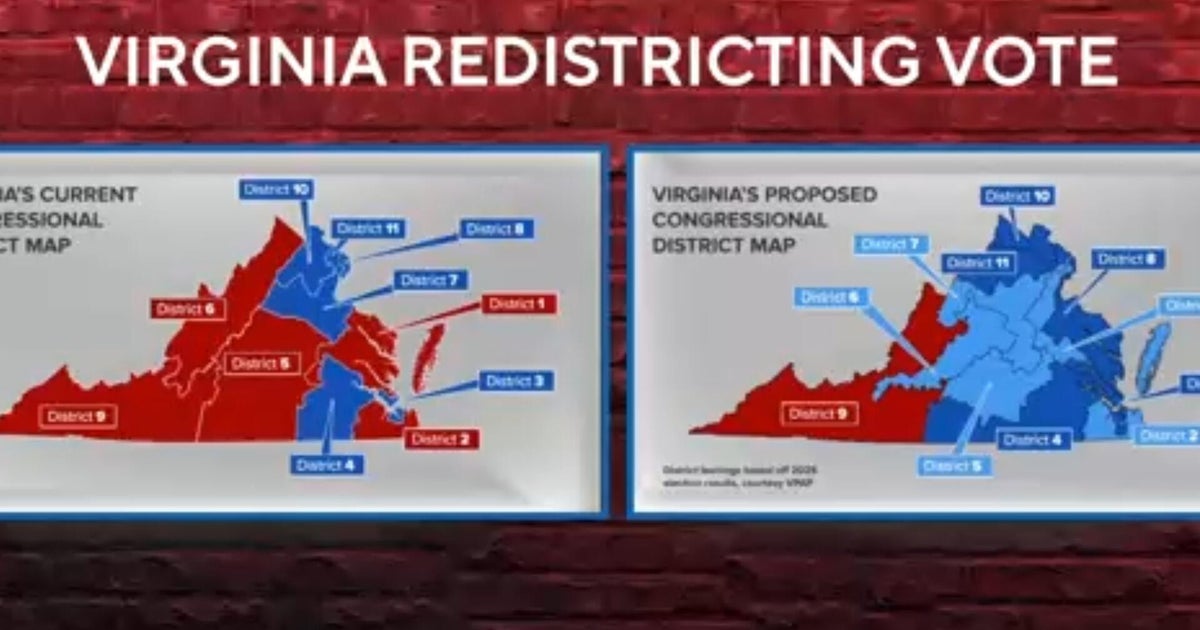
- The invalidated map could have given Democrats up to four additional U.S. House seats.
- State Senate Minority Leader Ryan McDougle and former President Donald Trump praised the court's decision.
- Democratic Speaker Don Scott and DCCC Chair Suzan DelBene criticized the ruling for overturning voters' will.
Court Overturns Referendum on New Congressional Map
The Virginia Supreme Court has invalidated a congressional redistricting plan that had been approved by voters, delivering a significant setback to Democratic aspirations in the lead-up to the midterm elections. The court's Friday decision, a 4-3 majority ruling, found that the Democratic-led legislature had failed to adhere to proper procedural requirements when submitting the constitutional amendment for a statewide vote. This judicial intervention nullifies the outcome of a referendum held on April 21, where citizens had narrowly endorsed the new map. The decision means the existing congressional districts, which currently favor Republicans six to five, will remain in place. The ruling is a major blow to Democrats, who had hoped the new map would secure them as many as four additional seats in the U.S. House of Representatives. These gains were seen as a crucial countermeasure against Republican-driven redistricting efforts in other states, particularly those spurred by former President Donald Trump.
Procedural Violations Cited in Court's Opinion
The core of the court's majority opinion, authored by Justice Arthur Kelsey, centered on the manner in which the proposed constitutional amendment was brought before the voters. The court determined that the legislative process employed was "in an unprecedented manner," violating Article XII, Section 1 of the Constitution of Virginia. "This violation irreparably undermines the integrity of the resulting referendum vote and renders it null and void," the opinion stated, emphasizing that the constitutional breach could not be rectified. The court concluded that the process by which the referendum reached the ballot did not comply with constitutional mandates. This legalistic interpretation of the process, rather than a review of the map's fairness, formed the basis of the challenge. As one legal observer noted, the issue was a "very legalistic definitional issue around what happened and the process by which it happened."
Democrats Denounce Ruling, Republicans Applaud
Democratic leaders expressed dismay at the court's decision, viewing it as an affront to the democratic process and the will of the electorate. Don Scott, the Democratic Speaker of the Virginia House of Delegates, stated that while he respected the court's opinion, the voters had spoken clearly in favor of the new map, intending to "fight back against the Trump power grab." Suzan DelBene, chairwoman of the Democratic Congressional Campaign Committee, criticized the court's majority for "cast[ing] aside the will of the voters." She asserted that the ultimate say would come in November, when voters would "power Democrats to the House majority." Conversely, Republican figures celebrated the ruling. State Senate Minority Leader Ryan McDougle remarked that the court affirmed "you cannot violate the Constitution to change the Constitution." Richard Hudson, chairman of the National Republican Congressional Committee, framed the decision as a sign of GOP momentum, declaring, "We’re on offense, and we’re going to win."
A National Redistricting Battleground
The Virginia Supreme Court's decision unfolds against a backdrop of intense nationwide redistricting battles, often influenced by partisan objectives. Following Republican-led redistricting efforts in Texas at the urging of former President Trump, several states have engaged in redrawing congressional maps. California and Utah have seen their state courts impose new maps that benefit Democrats. Meanwhile, Republicans stand to gain from revised districts in Florida, Missouri, North Carolina, Ohio, and Tennessee. The current Virginia congressional delegation is split, with six Democrats and five Republicans, a balance the overturned map could have dramatically shifted. This trend of mid-decade redistricting, typically occurring only once a decade after a census, has become a significant factor in the ongoing struggle for control of the U.S. House of Representatives.
Future Legal Challenges Loom
The legal landscape surrounding redistricting in Virginia and across the country remains contentious. Experts have predicted that further legal battles are likely, regardless of specific court rulings. The complexity of election law and the high stakes involved in controlling legislative bodies ensure that disputes over process and fairness will persist. Attorney General Jay Jones voiced concerns that the court had "put politics over the rule of law," suggesting the decision "silences the voices of the millions of Virginians who cast their ballots" and fuels fears about the state of democracy. The implications of such rulings extend beyond Virginia, potentially influencing how electoral maps are drawn and contested in future cycles. With the referendum struck down, the congressional map will revert to its current configuration, maintaining the existing six-to-five Democratic-to-Republican split. The broader political context, however, suggests that the fight over electoral boundaries is far from over.
The bottom line
- The Virginia Supreme Court invalidated a voter-approved congressional map due to procedural errors in its submission to the ballot.
- The 4-3 ruling means the current congressional map, favoring Republicans six to five, remains in effect.
- Democrats had hoped the overturned map would yield them up to four additional U.S. House seats.
- The decision is part of a broader national trend of partisan redistricting battles following the 2020 census and subsequent political initiatives.
- Republican leaders and former President Trump praised the court's decision, while Democratic officials criticized it as overturning the will of the voters.
- Legal experts anticipate continued litigation over redistricting processes in various states.





How the Houston Rockets' Rejection of James Harden Paved the Way for the Cleveland Cavaliers' Playoff Push

Comey Indictment Followed 11-Month Investigation, Prosecutors Say

Maverick Act Could Return F-14 Tomcat to U.S. Skies
