Africa Splitting Faster Than Thought as Turkana Rift Crust Thins to 13 km
New seismic data shows the East African Rift has entered a critical 'necking' phase, making a continental breakup all but inevitable within a few million years.
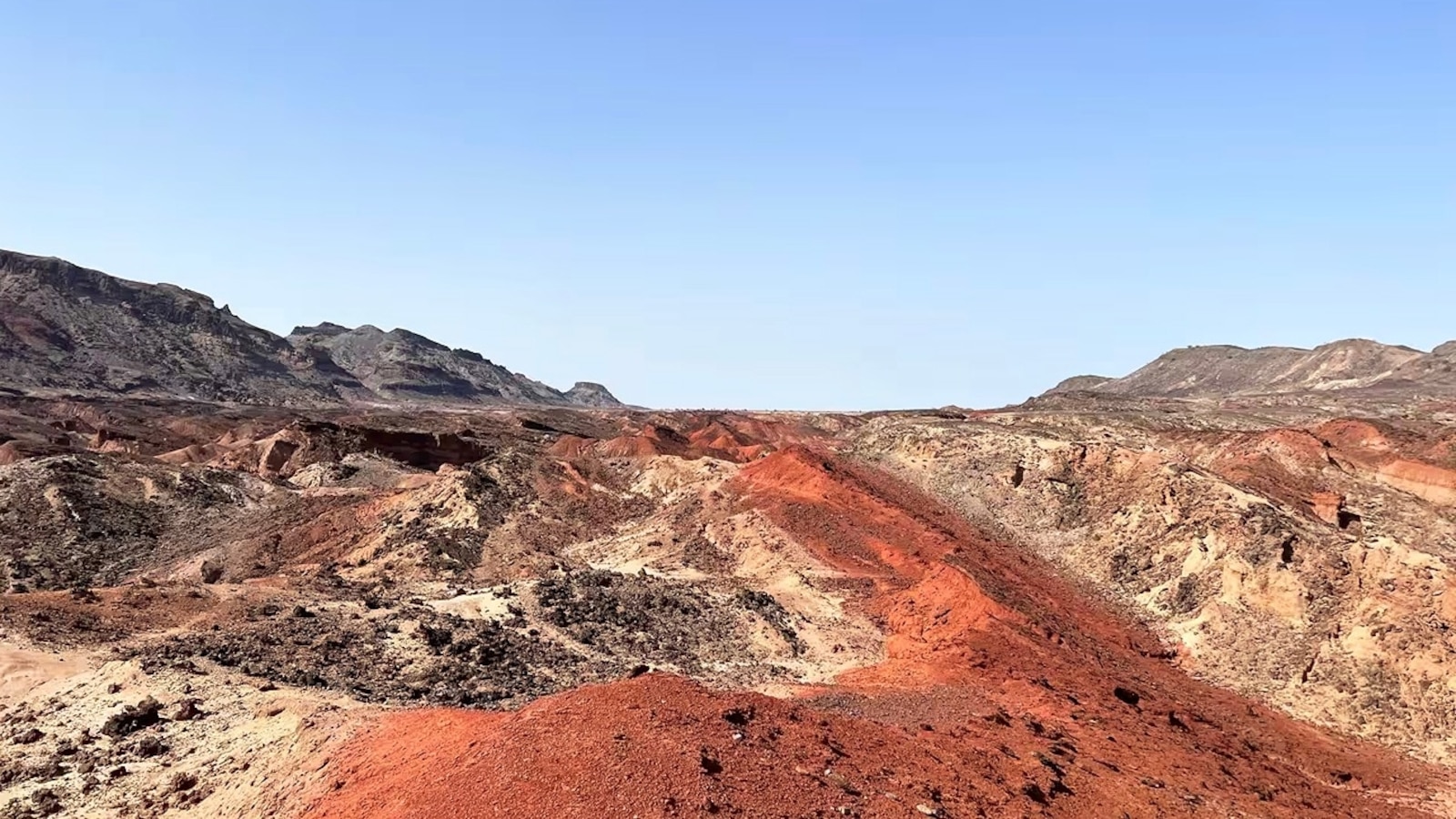
SOUTH AFRICA —
Key facts
- The Turkana Rift stretches 500 km across Kenya and Ethiopia.
- Crust thickness at the rift center is only 13 km, versus over 35 km at the edges.
- The African and Somali plates are separating at 4.7 mm per year.
- Necking began about 4 million years ago, driven by widespread volcanic eruptions.
- The rift is the only active one on Earth exhibiting necking, a precursor to ocean formation.
- The Afar region to the north already shows early oceanic crust.
- Pangea's breakup formed the Atlantic Ocean hundreds of millions of years ago.
A Continent on the Verge of Splitting
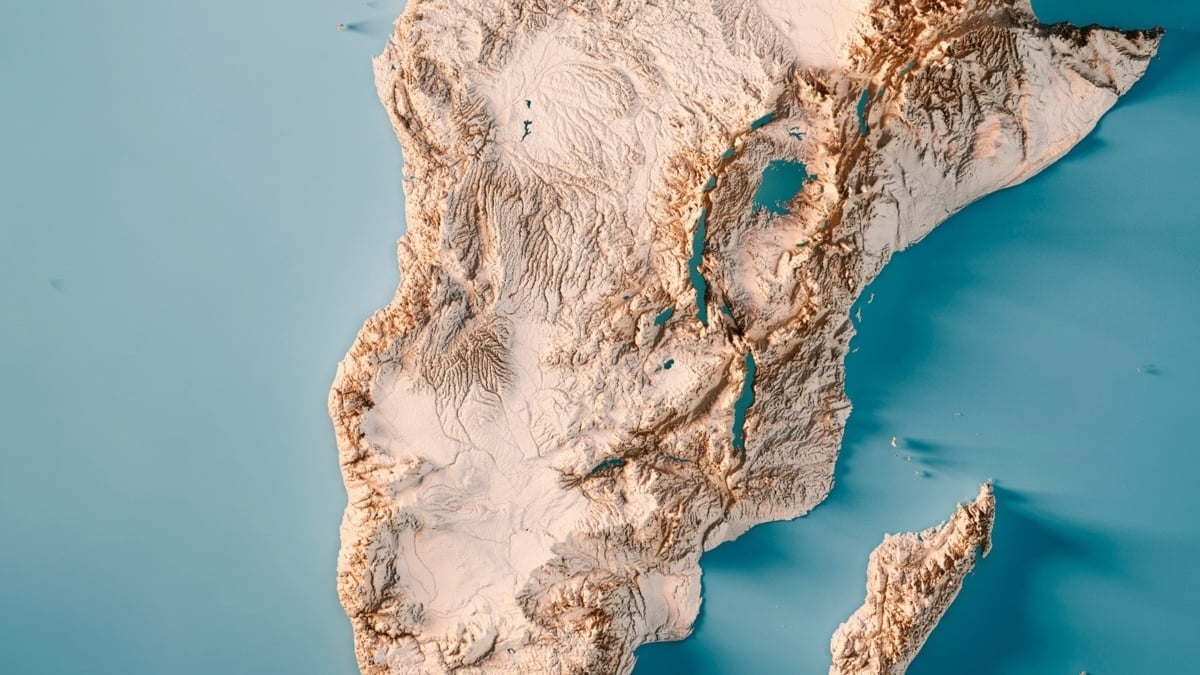
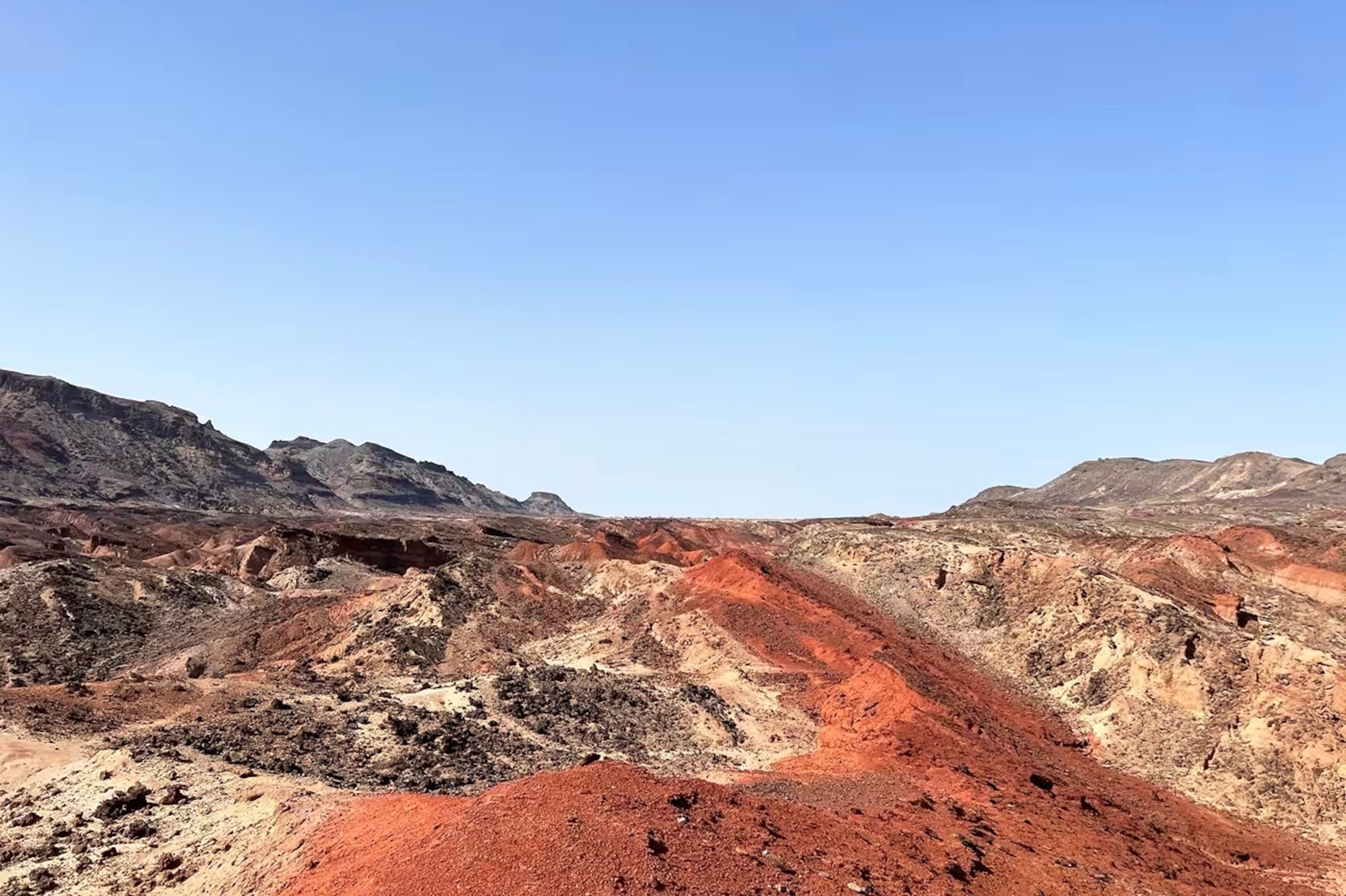
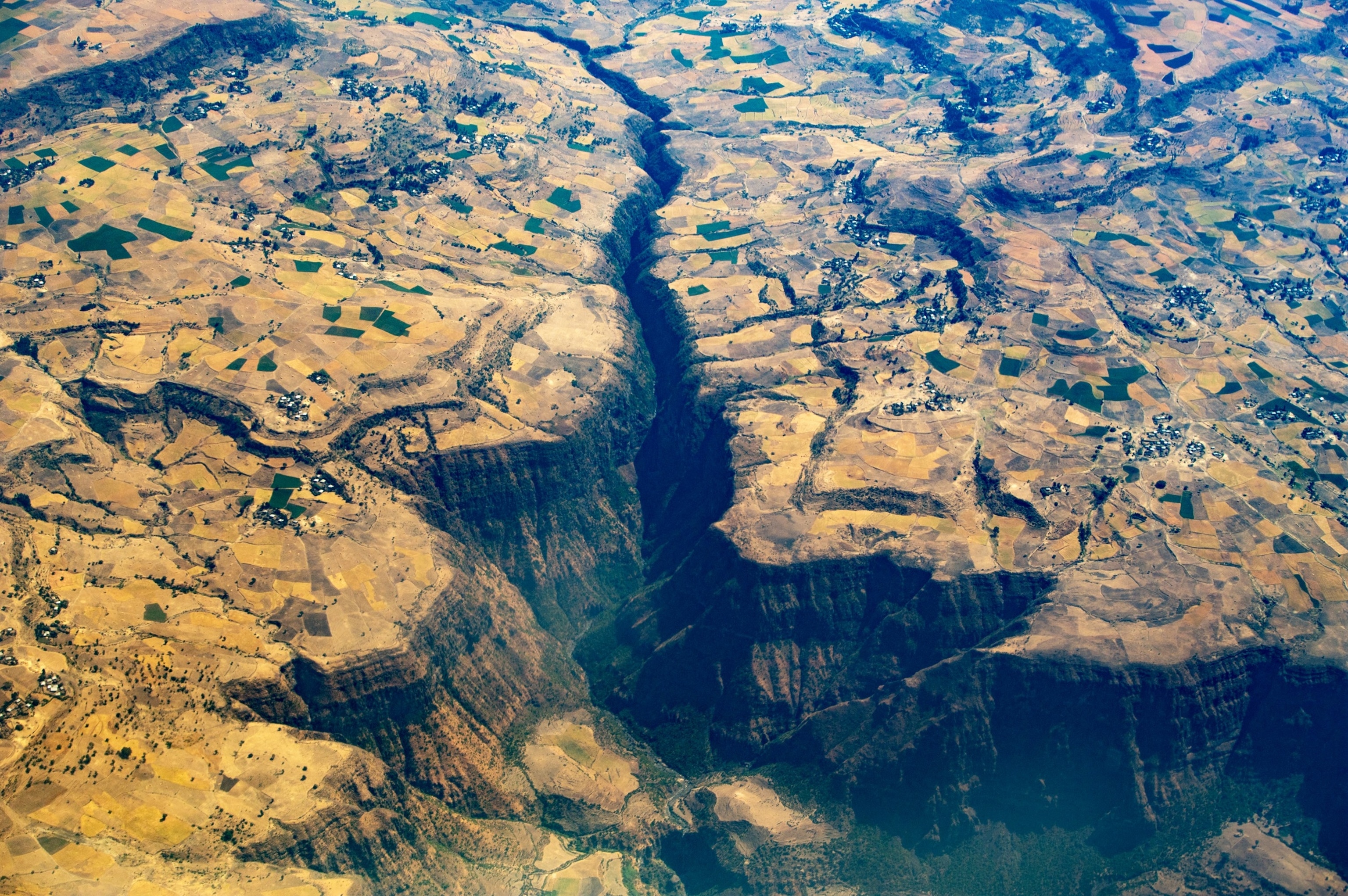
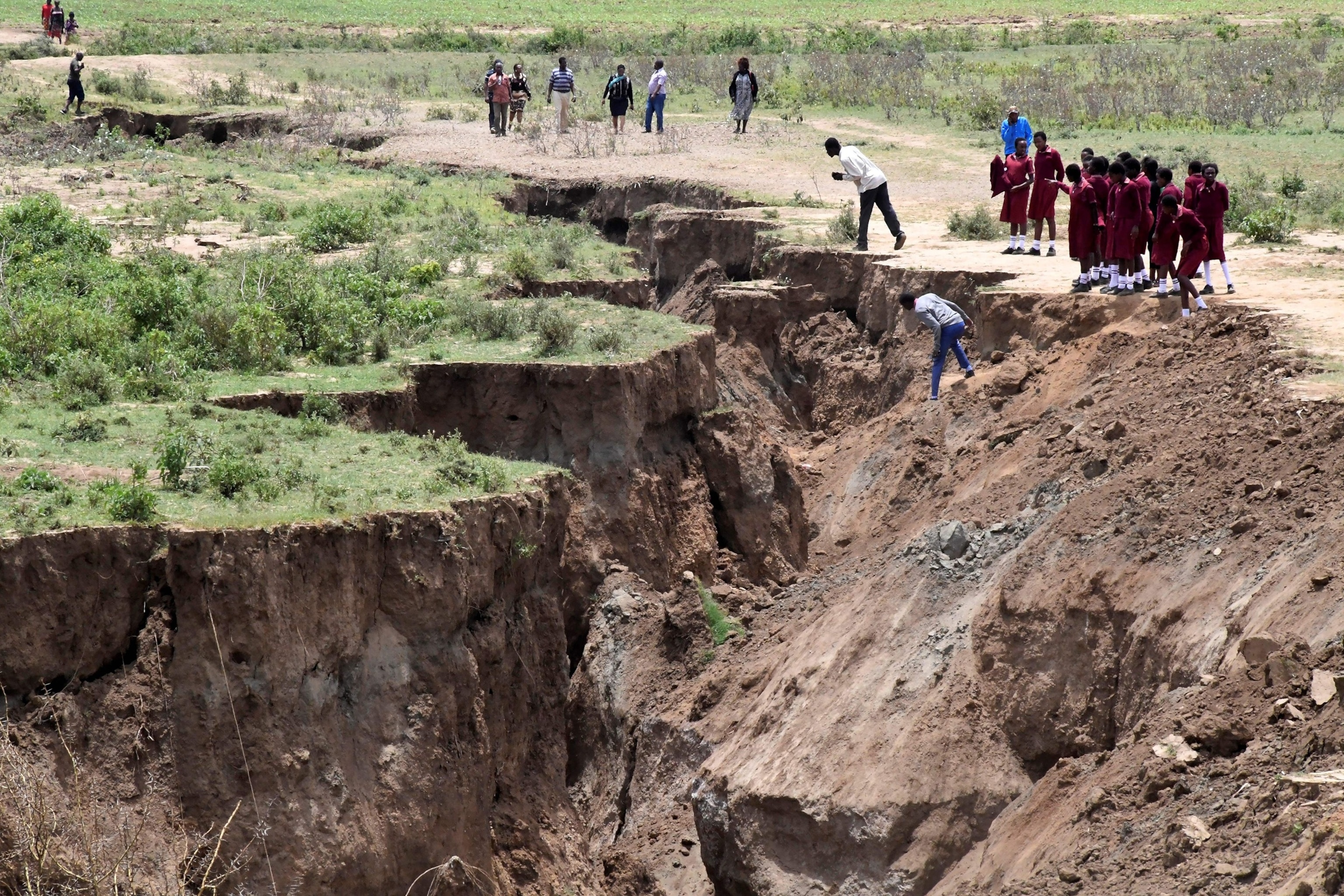
The African continent will one day break in two, with a new ocean filling the void between the separated landmasses, scientists say. New research reveals that the process is more advanced than previously recognized, with the Turkana Rift zone in Kenya and Ethiopia nearing a critical breakup stage. The findings, published in Nature Communications, show that the crust beneath the Turkana Rift has thinned to only about 13 kilometers in its center—far less than the 35 kilometers or more along the rift's edges. This dramatic thinning indicates that the rift has entered a phase called 'necking,' where continental breakup becomes all but inevitable.
The Necking Process: How Continents Birth Oceans
Continental rifting occurs when the Earth's crust extends, fractures, and subsides, creating a rift system. When the crust thins beyond about 15 kilometers, it enters the necking phase, similar to the narrowed 'neck' that forms when a piece of saltwater taffy is pulled apart. As the crust becomes thinner, it weakens, promoting continued rifting. "The thinner the crust gets, the weaker it becomes, which helps promote continued rifting," said Christian Rowan, a Ph.D. candidate at Columbia University's Lamont-Doherty Earth Observatory and lead author of the study. Once the crust breaks completely, new oceanic crust can form, giving rise to a new ocean basin.
Turkana Rift: A Unique Geological Laboratory
The Turkana Rift is part of the larger East African Rift System, which extends from the Afar Depression in northeastern Ethiopia to Mozambique. This massive system separates the African tectonic plate from the Arabian and Somali plates. In the Turkana region, the African and Somali plates are moving apart at about 4.7 millimeters per year. Turkana is the only active rift on Earth currently exhibiting necking, faulting, and sedimentation are localized in one area, causing the crust to thin dramatically. The Afar region to the north is already showing early versions of oceanic crust, indicating it is "basically almost breaking up there," Rowan said.
A Timeline of Rifting: 45 Million Years in the Making
The Turkana Rift began pulling apart about 45 million years ago, but the necking phase is estimated to have started only about 4 million years ago, triggered by widespread volcanic eruptions. The researchers analyzed a rare set of high-quality seismic data collected with industry partners and in collaboration with the Turkana Basin Institute, founded by the late paleoanthropologist Richard Leakey. By examining how sound waves traveled through underground layers and combining those results with other imaging methods, the team mapped sediment structures and determined the crust's depth. "We found that rifting in this zone is more advanced, and the crust is thinner, than anyone had recognized," Rowan said. "Eastern Africa has progressed further in the rifting process than previously thought."
Implications for Human Evolution: Preservation, Not Origin
The Turkana Rift is rich in early hominin fossils, leading many to consider it a key location for human evolution. However, the new findings suggest a different interpretation: the same geological processes that are splitting the continent may have created favorable conditions for fossilization, rather than the region being a unique cradle of humanity. "The most intriguing thing about the find is its implications for our own history," Rowan noted. Instead of being the birthplace of humanity, Turkana may simply be where the story was best preserved. The intense volcanic activity and rapid sedimentation associated with rifting can quickly bury and preserve remains, offering a vivid record of early human ancestors.
What Comes Next: A New Ocean in the Making
While the breakup is inevitable on geological timescales, it will still take a few million years for a new ocean to fully form. The researchers emphasize that 'soon' is relative—a blink of an eye in Earth's history. The East African Rift System will continue to widen, eventually separating the Somali plate from the Nubian plate. This process mirrors the breakup of the supercontinent Pangea, which formed the Atlantic Ocean hundreds of millions of years ago. Earth's continents are always moving, albeit extremely slowly, and the current arrangement is just a snapshot in time. The Turkana Rift offers a rare window into how continents split and oceans are born.
The bottom line
- The Turkana Rift's crust has thinned to 13 km, entering a necking phase that makes continental breakup inevitable.
- Eastern Africa is splitting from the rest of the continent along the East African Rift System, with plates moving 4.7 mm per year.
- The Afar region already shows early oceanic crust, indicating advanced rifting.
- The same geological forces may explain the region's rich fossil record by creating ideal preservation conditions.
- A new ocean will eventually fill the rift, but the process will take millions of years.
- The Turkana Rift is the only active rift on Earth currently exhibiting necking, providing a unique natural laboratory.
King Charles III and Queen Camilla Conclude US State Visit Amid Diplomatic Outreach
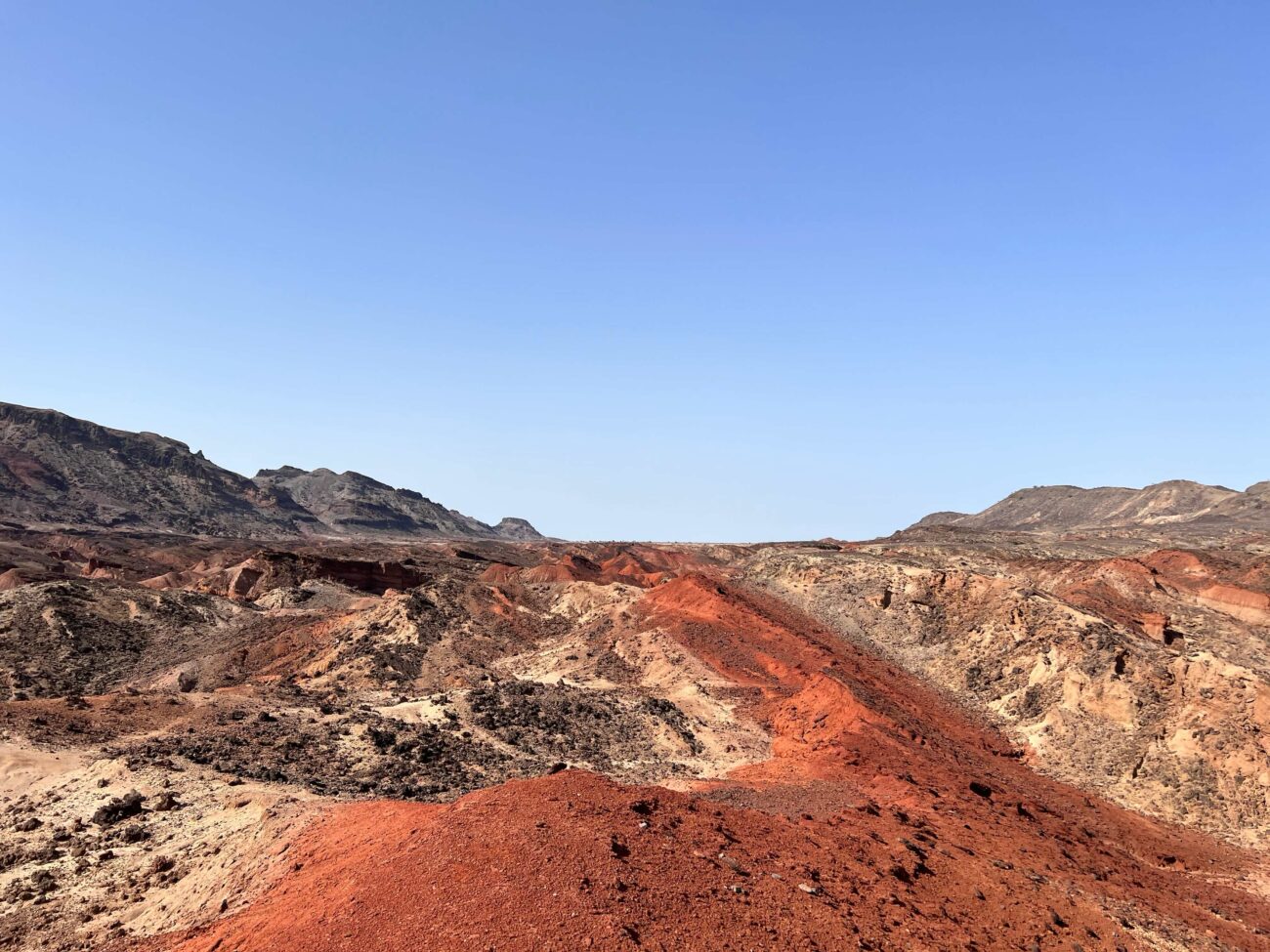
African Continent Edges Closer to Splitting as Turkana Rift Crust Thins to 13 km
Caterpillar Posts 22% Revenue Surge to $17.4 Billion in First Quarter, Record Backlog