iPhone 18 Pro Max to Feature Smaller Dynamic Island, 2nm A20 Pro Chip, and Aggressive Pricing
reveal a 35% reduction in the Dynamic Island, a 2nm A20 Pro chip with up to 30% performance boost, and Apple's strategy to hold base prices steady while raising costs for higher-tier models.

SOUTH AFRICA —
Key facts
- Dynamic Island size to shrink by 35% on iPhone 18 Pro and Pro Max, per leaked CAD renders.
- A20 Pro chip built on TSMC's 2nm process using WMCM packaging, promising up to 30% performance and 15% efficiency gains.
- Apple's in-house C2 modem to replace Qualcomm, enabling 5G satellite connectivity and mmWave.
- iPhone 18 Pro Max battery capacity estimated at 5,100–5,200 mAh, the largest ever in an iPhone, but weight may reach 240g.
- Analyst Jeff Pu cites 'aggressive pricing' for Pro models; Ming-Chi Kuo suggests base prices remain $1,099 and $1,199 in the US.
- Four new colors rumored: Light Blue (Pantone 2121), Dark Cherry (Pantone 6076), Dark Gray (Pantone 426C), and Silver (Pantone 427C).
- Triple 48MP rear cameras and a 24MP front camera expected, with a variable aperture main camera for improved depth-of-field control.
A Smaller Dynamic Island Arrives as Under-Display Face ID Is Delayed
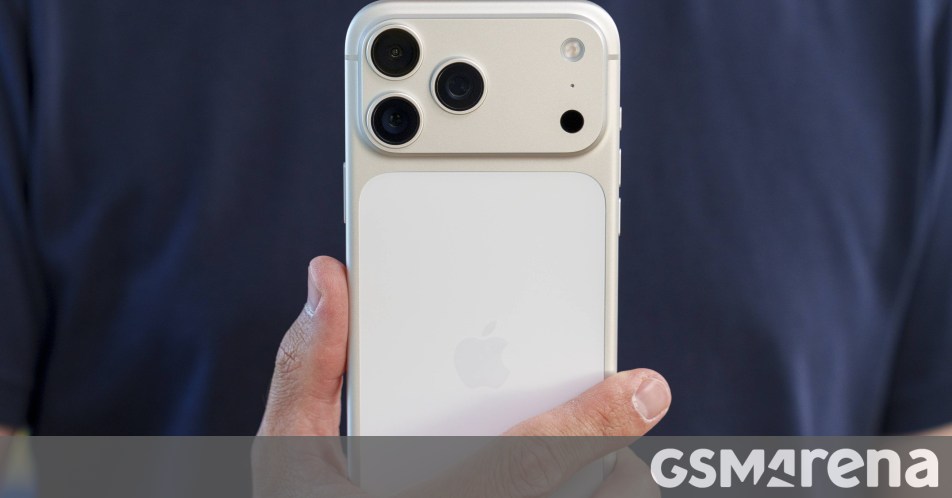
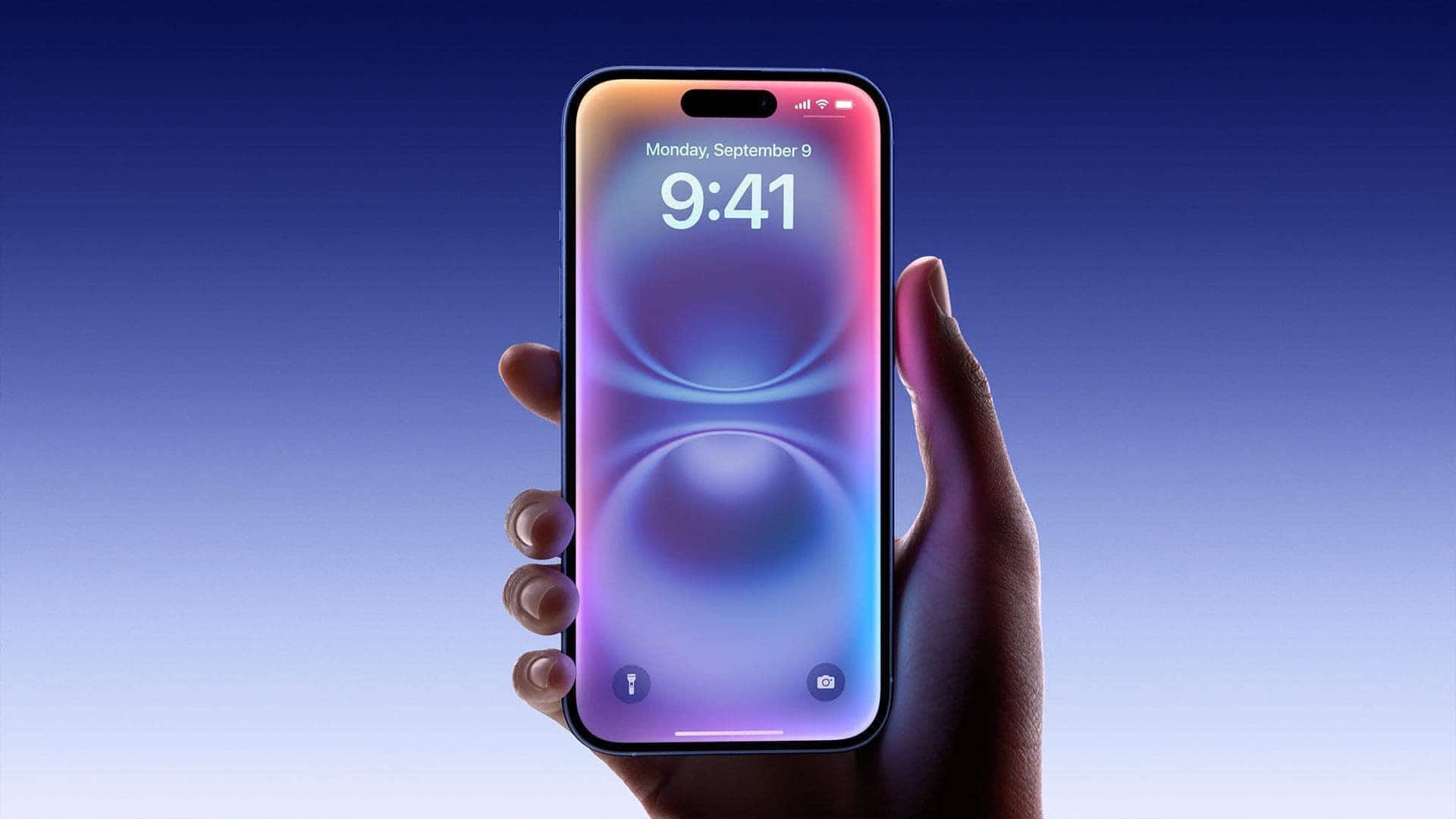
Leaked CAD renders shared on X depict the iPhone 18 Pro Max with a noticeably smaller, pill-shaped Dynamic Island, a design change that sources say could reduce the display cutout by as much as 35%. The reduction is made possible by moving Face ID components beneath the screen, though full under-display Face ID technology is not yet ready and is now expected to debut on the 20th anniversary iPhone next year. Apple is not planning major design overhauls for the iPhone 18 Pro lineup, but the smaller Dynamic Island, combined with a unified rear finish that blends aluminum and glass areas, is intended to refresh the look after the polarizing two-tone design of the iPhone 17 Pro. The company is also testing four new colors: Light Blue, Dark Cherry, Dark Gray, and Silver, though final choices remain unconfirmed.
A20 Pro Chip: A 2nm Leap in Performance and Efficiency
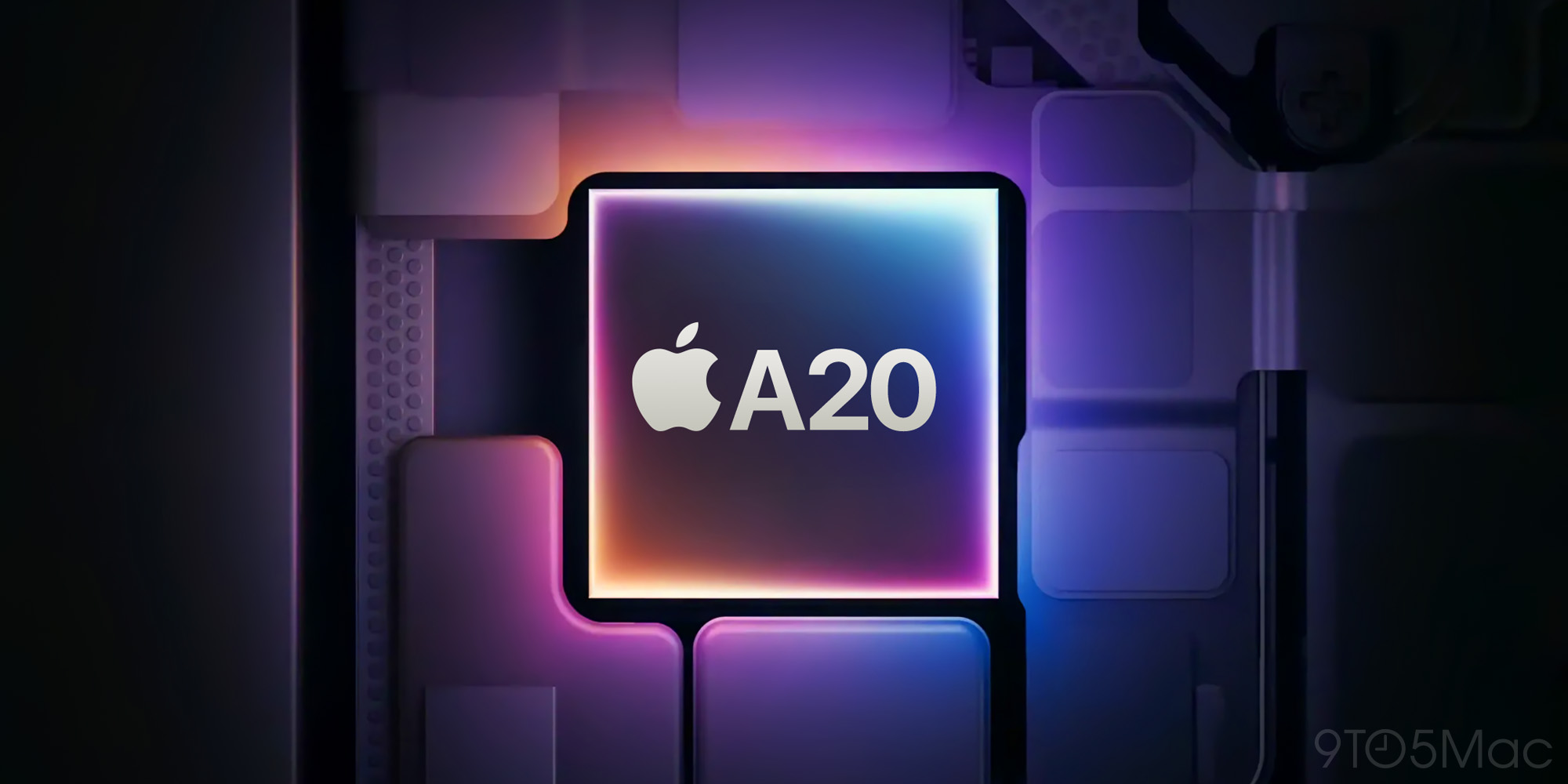
The iPhone 18 Pro and Pro Max will be powered by the A20 Pro chip, Apple’s first processor built on TSMC’s 2nm process and utilizing Wafer-Level Multi-Chip Module (WMCM) packaging. These advancements are expected to deliver a performance boost of up to 30% and efficiency gains of up to 15% compared to the A19 Pro chip in the current generation. The new chip architecture is designed to excel in artificial intelligence tasks, building on Apple’s growing focus on on-device machine learning. The combination of 2nm fabrication and WMCM packaging represents a generational leap that analysts say will enable faster processing and longer battery life than typical year-over-year improvements.
Aggressive Pricing Strategy Amid a Global RAM Crisis
Apple is pursuing an unusual pricing strategy for the iPhone 18 Pro and Pro Max, according to a research note from analyst Jeff Pu. While Pu did not specify exact figures, he described the approach as “aggressive pricing.” from analyst Ming-Chi Kuo indicate that the base models will start at the same prices as their predecessors: $1,099 for the iPhone 18 Pro and $1,199 for the iPhone 18 Pro Max in the United States. However, higher storage tiers are likely to see price increases, a move that Apple hopes will mask the impact of rising RAM costs while maintaining the perception of stable entry-level pricing. The global RAM crisis, driven by supply constraints and increased demand, is expected to push up component costs across the smartphone industry, but Apple appears determined to absorb some of the burden on base models while passing costs to premium configurations.
Camera Overhaul: Variable Aperture and 48MP Sensors Across the Board
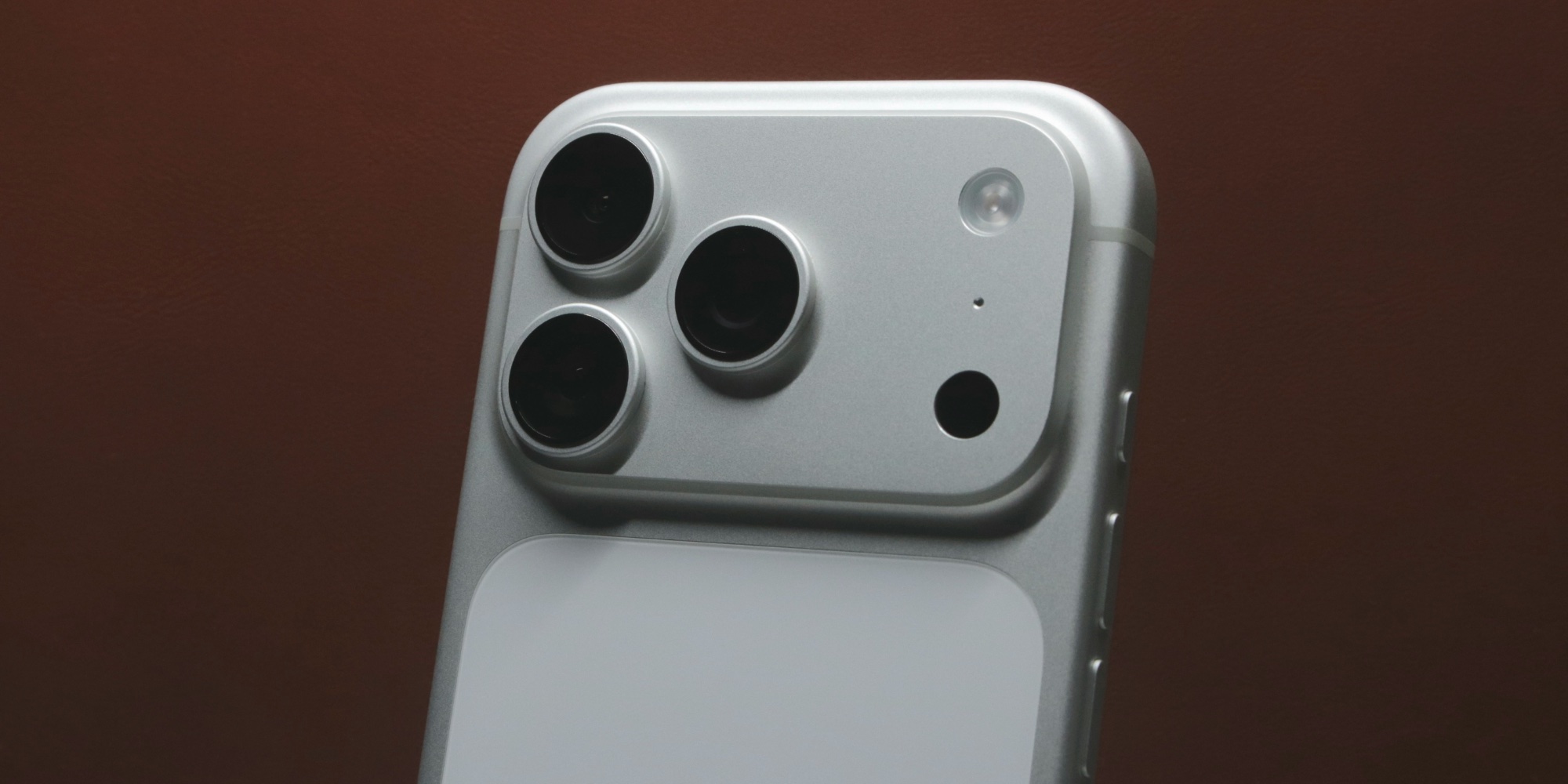
The iPhone 18 Pro lineup will feature a triple-camera system with three 48-megapixel sensors on the rear and a 24-megapixel front-facing camera, a significant upgrade from previous generations. The main camera is expected to include a variable aperture, giving users manual control over depth of field and improving low-light performance. A wider aperture telephoto lens is also rumored, complementing the variable aperture main camera to enhance portrait and zoom capabilities. These changes represent Apple’s continued focus on computational photography and professional-grade controls, aiming to close the gap with dedicated cameras.
In-House C2 Modem and Record Battery Capacity
Apple will replace Qualcomm modems with its own C2 modem in the iPhone 18 Pro series, enabling 5G satellite connectivity and full internet access over satellite, as well as mmWave 5G support. The C2 modem is expected to offer performance comparable to Qualcomm’s solutions while adding features like emergency SOS via satellite. The iPhone 18 Pro Max is rumored to pack a 5,100 to 5,200 mAh battery, the largest ever in an iPhone, though the increased capacity may make the device heavier, with an estimated weight of 240 grams. Battery life improvements are also expected from the efficiency gains of the A20 Pro chip and the new modem.
Outlook: A Foldable iPhone and the 20th Anniversary Model Loom
While the iPhone 18 Pro and Pro Max are set for a fall launch, Apple is also preparing a foldable iPhone, dubbed the iPhone Ultra, which remains on track for a September 2026 debut. The 20th anniversary iPhone, expected in 2027, will reportedly feature a quad-curved display and the delayed under-display Face ID technology. For now, the iPhone 18 Pro lineup represents a careful balancing act: incremental design refinements, a major chip architecture shift, and a pricing strategy that aims to keep entry-level costs stable while extracting more revenue from power users. Whether these moves will satisfy consumers in a competitive market remains to be seen, but the combination of a smaller Dynamic Island, a 2nm chip, and aggressive pricing signals Apple’s intent to defend its premium position.
The bottom line
- The iPhone 18 Pro and Pro Max will have a 35% smaller Dynamic Island, with Face ID components moved under the display but full under-display Face ID delayed until 2027.
- The A20 Pro chip, built on TSMC's 2nm process, offers up to 30% faster performance and 15% better efficiency than the A19 Pro.
- Apple is holding base prices at $1,099 and $1,199 in the US but may raise prices for higher storage tiers to offset RAM costs.
- The Pro models will feature a variable aperture main camera, three 48MP rear sensors, and a 24MP front camera.
- Apple's in-house C2 modem will replace Qualcomm, enabling 5G satellite connectivity and mmWave support.
- The iPhone 18 Pro Max battery could reach 5,200 mAh, the largest ever, but the device may weigh 240g.
- A foldable iPhone Ultra is expected in September 2026, and a 20th anniversary model with under-display Face ID in 2027.



OpenAI Shifts ChatGPT Ads to Cost-Per-Click After Launch Pricing Collapses

Jet fuel prices surge over 100% at South African airports, airlines add surcharges
LeBron James Faces Biggest Underdog Test of 23-Year Career as Lakers Enter Thunder Series as 15.5-Point Outsiders
