Fitbit Air Launches as Screenless, Affordable Health Tracker
Google's new wearable aims for 24/7 health monitoring with a week-long battery and deep app insights.

SOUTH AFRICA —
Key facts
- The Fitbit Air is a new screenless fitness tracker.
- It is priced at $99.99.
- The device offers up to a week of battery life.
- It automatically detects and tracks workouts.
- The Fitbit Air syncs with the Google Health app.
- A three-month trial of Google Health Premium is included with purchase.
- The tracker monitors heart rate and sleep patterns.
A New Approach to Wearable Health
Google has unveiled the Fitbit Air, a novel fitness tracker designed for continuous, unobtrusive health monitoring. This new device eschews a screen, aiming to blend seamlessly into the wearer's life while providing comprehensive health insights. Its introduction marks a strategic move to offer a more accessible and comfortable entry point into advanced wellness tracking. The core philosophy behind the Fitbit Air is simplicity and affordability, targeting individuals who may find existing wearables too bulky, complex, or expensive. The company emphasizes its commitment to making sophisticated health technology available to a broader audience through thoughtful design and accessible pricing. This screenless wearable is positioned as a lightweight, comfortable companion for 24/7 health tracking. It is designed to be worn constantly, from daily activities to sleep, without causing distraction or discomfort. The aim is to allow users to remain present in their activities while still gathering valuable health data.
Screenless Design, Deep Insights
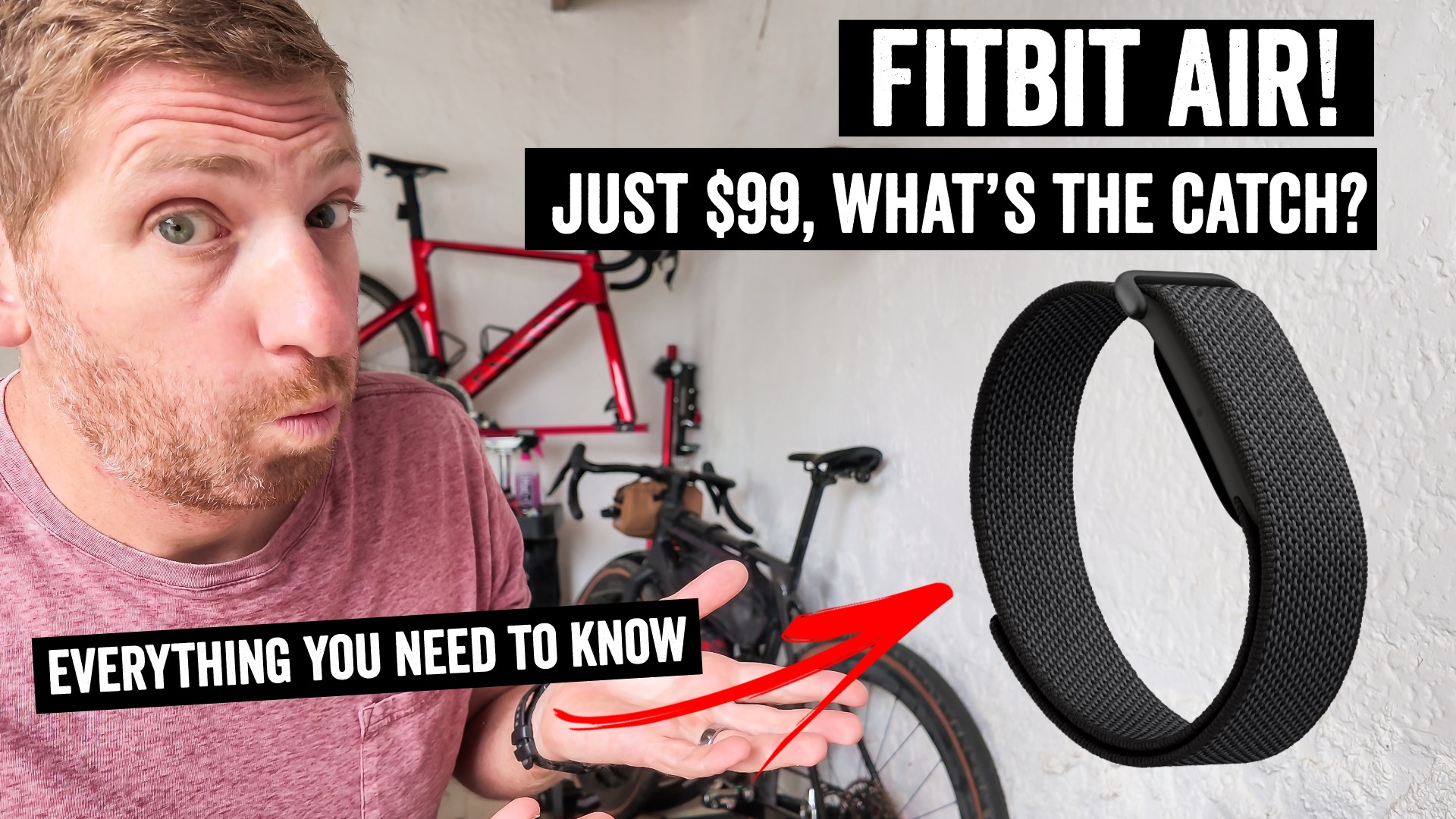
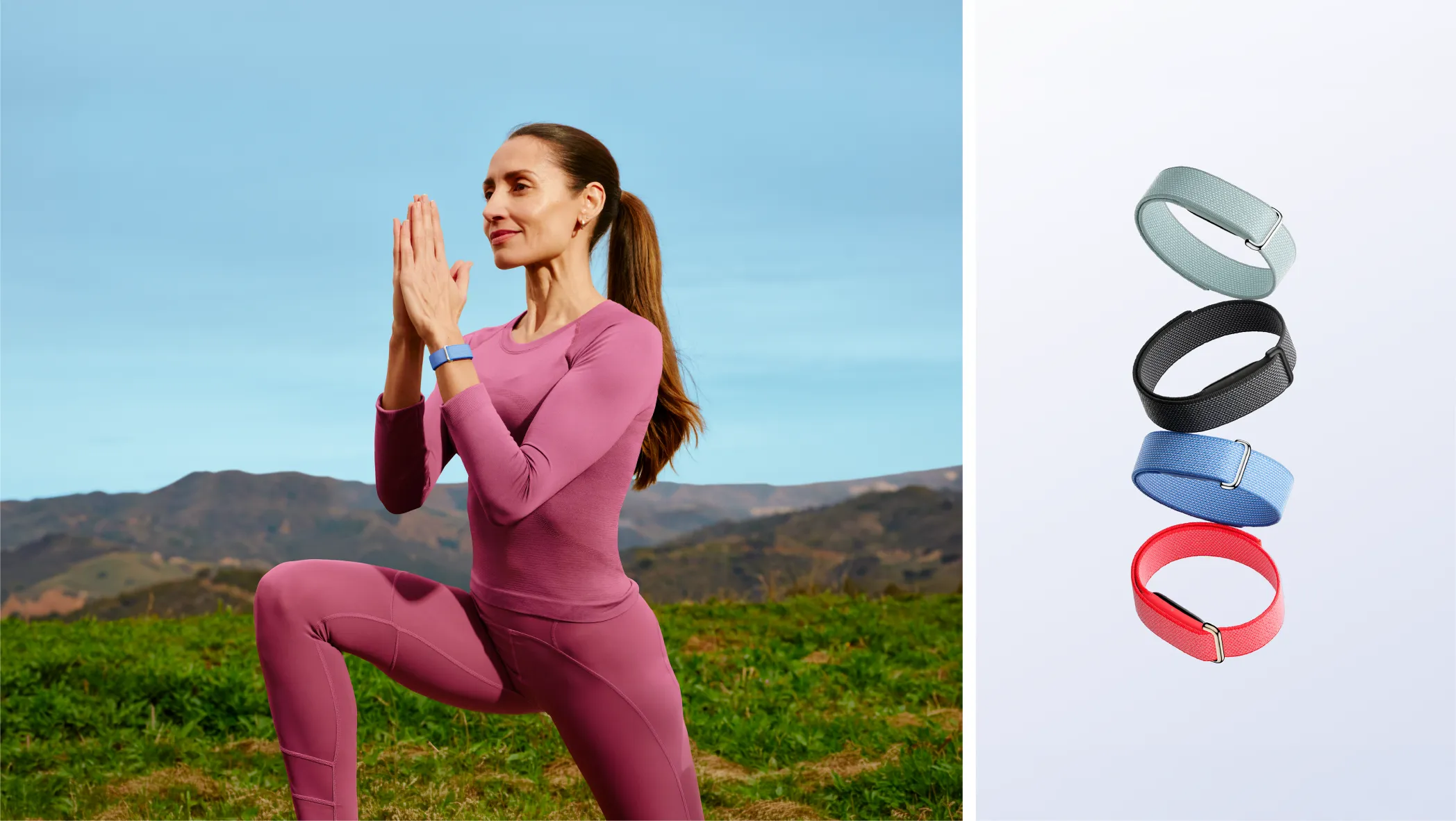
The Fitbit Air distinguishes itself with a screenless, pebble-like design, emphasizing a minimalist approach. This form factor is intended to keep users focused on their lives rather than on device notifications. All health data and personalized advice are accessed through the companion Google Health app on a smartphone. Despite its compact size and lack of a display, the Fitbit Air is equipped to track key health metrics. These include heart rate, sleep patterns, and various fitness activities. The device automatically detects common workouts, offering a seamless tracking experience that improves and personalizes over time. Users can also manually log workouts or utilize features within the Google Health Coach, such as photographing exercise equipment or routines to aid in logging. This integration aims to make activity tracking as effortless and comprehensive as possible, adapting to individual user needs and preferences.
Battery Life and Connectivity
A significant feature of the Fitbit Air is its extended battery life, promising up to a full week of use on a single charge. This addresses a common pain point for wearable users, ensuring the device remains operational through busy schedules and overnight sleep tracking. For added convenience, the tracker supports fast charging. A brief five-minute charge is sufficient to provide a full day's worth of power, minimizing downtime for users on the go. This rapid charging capability is designed to accommodate demanding lifestyles. The device synchronizes data effortlessly with the Google Health app, providing users with a centralized hub for their health information. This seamless connectivity ensures that the data collected by the Fitbit Air is readily available for analysis and review, enhancing the overall user experience.
Pricing and Platform Integration
The Fitbit Air is launched at a competitive price point of $99.99, making it one of the more affordable options in the advanced fitness tracker market. The purchase price includes a complimentary three-month trial of Google Health Premium, offering users an extended period to explore the service's advanced features. Functionally, the Fitbit Air is described as closely mirroring the capabilities of the Fitbit Charge 6, but without the integrated display. This means that much of the underlying technology and feature set are familiar to those acquainted with Fitbit's existing hardware. The device is available with several band options, categorized into three distinct styles. While initial offerings do not include a bicep band, a common accessory for similar competitor devices, Google has indicated that more band choices will be made available later in the year. The design is also expected to be compatible with a wide range of third-party bands.
The Google Health App Ecosystem
The importance of the accompanying app is paramount for a screenless device like the Fitbit Air. Google has been actively overhauling its Fitbit application, which has now been rebranded as Google Health. This platform is designed to integrate data from various sources, extending beyond Fitbit hardware. The Google Health app is noted for its sophisticated use of AI-driven insights and coaching. It offers a depth of analysis and personalized recommendations that are considered by some observers to be leading the industry. The app's interface provides detailed explanations and data metrics, catering to users who seek comprehensive understanding of their health. While the app's extensive nature can sometimes feel overwhelming, its ability to leverage AI for fitness and health guidance is a key differentiator. This comprehensive digital ecosystem aims to provide users with actionable insights derived from their tracked data, supporting a holistic approach to wellness.
Market Positioning and Future Outlook
The Fitbit Air enters the market as a direct competitor to devices like Whoop, particularly appealing to users seeking a less intrusive and more budget-friendly alternative. Its screenless design and focus on app-based insights position it as a distinct offering in the crowded wearables landscape. Google's strategy appears to be centered on expanding its reach within the health and wellness technology sector by offering a product that is both accessible and feature-rich through its software platform. The emphasis on affordability and continuous tracking suggests a long-term vision for integrating users into its health ecosystem. As the Fitbit Air becomes more widely available and user feedback is gathered, its long-term success will depend on the continued evolution of the Google Health app and the introduction of further hardware and accessory options. The company's commitment to enhancing AI-driven insights and user experience will be crucial in solidifying its position in the market.
The bottom line
- The Fitbit Air is a new screenless fitness tracker from Google, priced at $99.99.
- It offers up to a week of battery life and fast charging capabilities.
- The device automatically detects workouts and syncs data to the Google Health app.
- Users receive a three-month trial of Google Health Premium with their purchase.
- Its screenless design prioritizes unobtrusive, 24/7 health and sleep monitoring.
- The tracker competes with other subscription-free wearables by focusing on app-based insights and affordability.



Baby Denied UK Entry Over Passport Rules After Family Holiday

Ulster and Stormers Share Thrilling 38-38 Draw After Late Penalty Try
/file/attachments/orphans/grootes_430534.jpg)
Woolworths Faces Scrutiny Over Beyers Chocolates Collapse