May Brings Two Full Moons: Flower Moon and Rare Blue Moon to Grace the Sky
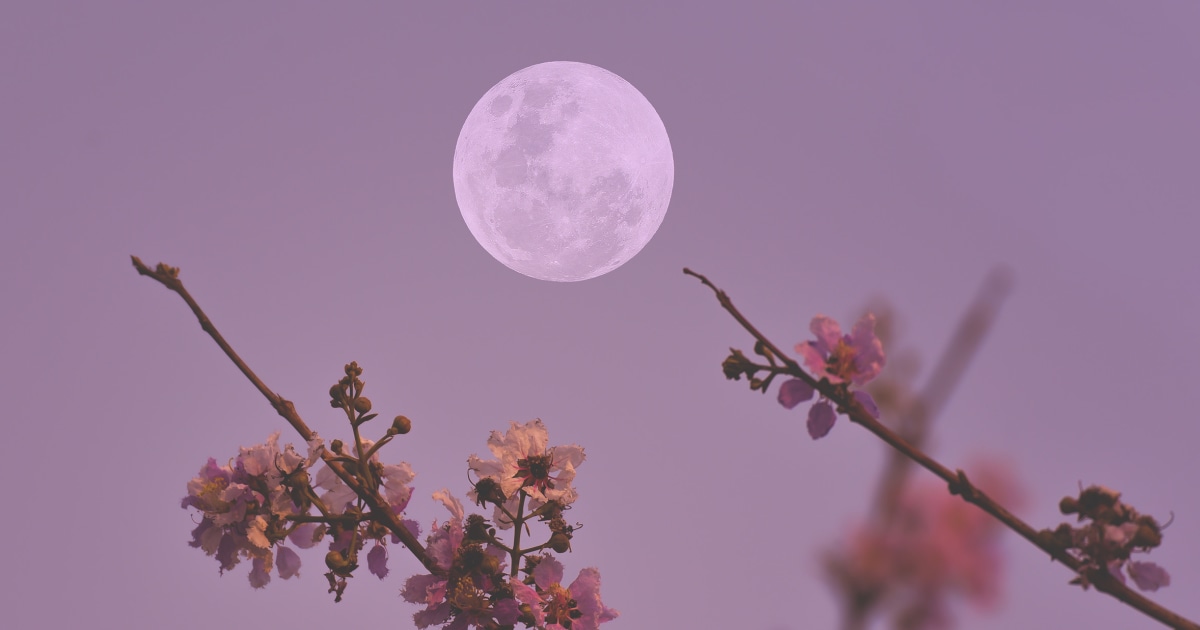
The first full moon of the month, known as the Flower Moon, peaks on May 1, while a calendrical Blue Moon will appear on May 31, offering a rare double lunar event.
SOUTH AFRICA —
Key facts
- The Flower Moon reaches peak fullness at 1:23 p.m. ET on May 1.
- The Blue Moon will peak at 4:45 a.m. ET on May 31.
- Both full moons are micromoons, occurring near apogee, with the moon about 249,180 miles from Earth.
- A calendrical Blue Moon happens when two full moons occur in a single calendar month, an event that occurs seven times every 19 years.
- The Flower Moon is named after the blooming of spring flowers in North America, with names from various Indigenous tribes including Budding Moon, Frog Moon, and Planting Moon.
- The Blue Moon will appear 6% to 7% smaller than an average full moon and 12% to 14% smaller than a supermoon.
- The Flower Moon coincides with May Day, the midpoint between the March equinox and June solstice.
A Rare Celestial Double Feature
Skywatchers across the globe are in for a rare treat this May as two full moons will illuminate the night sky, a phenomenon that occurs only once every two or three years. The month opens with the Flower Moon on May 1 and closes with a Blue Moon on May 31, marking the first time since 2023 that a calendar month hosts two full moons. The term "once in a blue moon" captures the infrequency of such an event, which has inspired everything from a classic song to the nickname of a famous baseball pitcher. For astronomers and casual observers alike, the double full moon offers a unique opportunity to observe the lunar cycle in action.
The Flower Moon: A Symbol of Spring
The first full moon of May, known as the Flower Moon, reaches its peak illumination at 1:23 p.m. ET on May 1, according to astronomer Catherine Pilachowski. Although the exact moment of fullness occurs during daylight hours in the Eastern Time Zone, the moon will appear 99% illuminated on the nights of May 1 and May 2, providing excellent viewing conditions after moonrise. The name "Flower Moon" originates from the Algonquin peoples, as noted by The Old Farmer's Almanac, and reflects the abundance of blooming flowers across North America during this time. Indigenous tribes have bestowed a variety of other names, including Budding Moon (Cree), Frog Moon (Cree), Egg Laying Moon (Cree), Moon of Shedding Ponies (Oglala), and Planting Moon (Dakota, Lakota). The Comanche tribe also use the term Flower Moon, while the Potawatomi and Shawnee call it the Strawberry Moon, and the Choctaw and Creek refer to it as the Mulberry Moon, aligning with the ripening of strawberries and mulberries.
Viewing the Flower Moon: Timing and Tips
For optimal viewing, astronomers recommend heading out at sunset on May 1, when the moon rises low in the east. It will reach its highest point around midnight and set in the west before sunrise on May 2. Noah Petro, project scientist for the Artemis III mission, advises avoiding bright streetlights, tall buildings, and trees to get the best view. "It's going to rise right around sunset," Petro said, "so just have a little bit of patience and you'll be treated to the spectacular view." As the moon rises, it may appear a distinctive yellow-orange hue due to Rayleigh scattering, where sunlight reflected off the lunar surface is filtered through the densest part of Earth's atmosphere. Bright stars such as Spica and Arcturus will be visible above the moon, while Venus and Jupiter glow on the western horizon. Cloud coverage could obscure views in parts of the West Coast, the South, and the East Coast, according to the National Weather Service as of April 30.
A Micromoon: Smaller but Still Striking
Both the Flower Moon and the subsequent Blue Moon are classified as micromoons, occurring when the moon is at apogee, its farthest point from Earth in its elliptical orbit. The Flower Moon will be 249,180 miles (401,017 kilometers) away, compared with the average distance of 238,855 miles (384,399 kilometers), it will appear about 6% to 7% smaller than an average full moon and 12% to 14% smaller than a supermoon, Pilachowski noted. The moon's angular size will be approximately 29.72 arcminutes, slightly less than the average 31 arcminutes, according to the Las Cumbres Observatory. Despite its reduced apparent size, the micromoon remains a striking sight, especially when viewed against the backdrop of a spring landscape.
The Blue Moon: A Calendrical Rarity
The second full moon of the month, known as a Blue Moon, will peak at 4:45 a.m. ET on May 31.calendrical blue moon, defined as the second full moon in a single calendar month. Such events occur seven times every 19 years.late on May 30 through the early hours of May 31. Despite its name, the Blue Moon will not actually appear blue in color; the term is purely calendrical. (A seasonal blue moon, defined as the third full moon in a season with four full moons, is another definition.) The moon will also be a micromoon, at its farthest distance from Earth, making it appear slightly smaller than usual.
Cultural and Seasonal Significance
The Flower Moon holds deep cultural significance across many Indigenous tribes, marking the arrival of spring and the blooming of wildflowers. The first full moon in May also falls on May Day, which represents the halfway point between the March equinox and the June solstice, respectively signifying the beginning of spring and summer in the Northern Hemisphere. This alignment underscores the moon's role as a natural calendar for agricultural and ceremonial practices. Other names for the Flower Moon include Vesak, Buddha Jayanti, or Buddha Purnima, reflecting its importance in Buddhist traditions. The Tlingit people call it the "moon before pregnancy," with the following June moon appropriately named the birth moon. These diverse names highlight the universal human connection to the lunar cycle.
Looking Ahead: A Month of Lunar Highlights
May's double full moon sets the stage for a series of micromoons, with the next two full moons also occurring near apogee. For enthusiasts, the Blue Moon on May 31 offers a final chance to observe the lunar cycle's subtle variations before the next such event in a few years. Petro encourages patience and preparation: "Just have a little bit of patience and you'll be treated to the spectacular view." As the month unfolds, skywatchers can also look forward to clear nights with minimal light pollution to fully appreciate the moon's beauty. Whether observing the Flower Moon's golden rise or the Blue Moon's serene glow, May promises a memorable celestial experience.
The bottom line
- May 2026 features two full moons: the Flower Moon on May 1 and a Blue Moon on May 31.
- Both full moons are micromoons, appearing slightly smaller due to their distance from Earth.
- The Flower Moon is named after spring blooms and has multiple Indigenous names reflecting local flora and fauna.
- A calendrical Blue Moon occurs when two full moons fall in a single month, happening seven times every 19 years.
- Optimal viewing times are at moonrise after sunset on May 1 and late on May 30 into May 31.
- Cloud cover may hinder views in some regions; checking local weather forecasts is recommended.




Lakers on brink of historic collapse as Rockets force Game 6
Moon — and what comes next

American Investor Ben Harburg Aims to Build Saudi Pro League's First 'Moneyball' Club at Al-Kholood