Iran and US Trade Blows Near Bandar Abbas, Threatening Ceasefire
Explosions near Iranian coast and in the Strait of Hormuz mark a dangerous escalation, jeopardizing a four-week truce.

SOUTH AFRICA —
Key facts
- near Bandar Abbas and in the Strait of Hormuz.
- Iran accuses the US of violating a ceasefire agreement.
- US states it intercepted 'unprovoked Iranian attacks' and conducted self-defense strikes.
- President Trump confirmed US destroyers were targeted but undamaged.
- US Central Command stated 'great damage' was done to Iranian attackers.
- A four-week-old truce between the US and Iran is further endangered.
- Iran's parliament dismissed a US 14-point memorandum of understanding.
Explosions Ring Out Near Iranian Coast
Explosions reverberated near the Iranian city of Bandar Abbas earlier today, with Iranian news agencies reporting that commercial sections of a pier on Qeshm island were targeted. The incidents occurred amidst accusations from Iran that the United States had violated a ceasefire agreement that had been in place since April 7. The Iranian armed forces claimed an immediate response, asserting they attacked US military vessels and inflicted significant damage. Despite the sounds of explosions in multiple cities, an observer on Iranian television described life as proceeding normally. The exchange of fire represents a significant flare-up, further endangering the fragile truce between the two nations, though initial reports left ambiguity regarding who initiated the hostilities.
US Confirms Naval Vessels Targeted
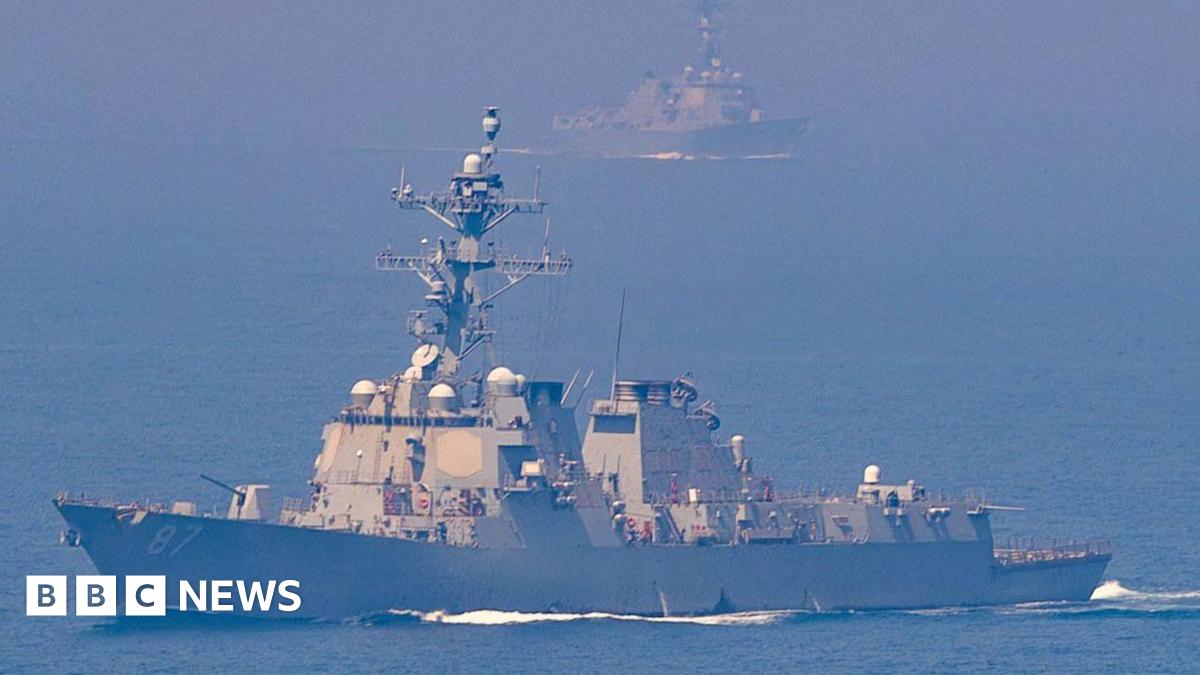
U.S. President Donald Trump confirmed that three U.S. naval destroyers transiting the Strait of Hormuz were targeted in the recent exchanges. He stated, however, that the vessels sustained no damage. President Trump characterized the incident as a "love tap" in an interview with ABC News, while also asserting that "great damage" was inflicted upon the Iranian "attackers." The U.S. Central Command (CENTCOM) issued a statement detailing that American forces intercepted "unprovoked Iranian attacks" and responded with strikes in self-defense. CENTCOM emphasized its stance, stating, "We do not seek escalation but remain positioned and ready to protect American forces."
Truce Under Threat, Diplomatic Efforts Continue
The recent hostilities have placed a four-week-old truce between the U.S. and Iran under considerable strain. President Trump has recently expressed optimism that the conflict in Iran would "be over quickly" and has continued to advocate for a 14-point memorandum of understanding with Tehran. This proposal, however, has been met with skepticism from Iran. A senior member of Iran's parliament dismissed the memorandum as a mere "wish list." Meanwhile, an Iranian foreign ministry spokesman indicated on Wednesday that the latest U.S. proposal was under consideration, with Tehran intending to convey its views through Pakistani mediators.
Economic Ripples and Market Reactions
The heightened tensions in the Strait of Hormuz, a critical chokepoint for global oil trade, have significant implications for international markets. The chief executive of Shell noted that the oil market is currently facing a deficit of nearly one billion barrels, a shortfall exacerbated daily by the ongoing conflict. In South Africa, initial hopes for de-escalation following reports of the exchange led to a jump in the Johannesburg Stock Exchange (JSE), reflecting the market's sensitivity to geopolitical stability in the region.
US Strikes Target Missile and Drone Sites
the American response targeted specific Iranian military infrastructure. The strikes were aimed at "missile and drone launch sites; command and control locations; and intelligence, surveillance and reconnaissance nodes." These actions were framed as a defensive measure against what the U.S. described as unprovoked attacks. The U.S. blockade of Iran, a key element of its policy, remains in place. President Trump reiterated that the ceasefire and blockade are ongoing, underscoring the complex and ongoing nature of the U.S. strategy towards Iran amid these escalating confrontations.
The bottom line
- A four-week ceasefire between the U.S. and Iran is severely threatened by recent military exchanges.
- Both sides claim the other initiated hostilities, with Iran accusing the U.S. of violating a truce.
- U.S. naval vessels were targeted but undamaged, while U.S. strikes reportedly hit Iranian launch and command sites.
- President Trump downplayed the incident as a "love tap" but confirmed significant damage to Iranian attackers.
- Iran's parliament has rejected a U.S. peace proposal as unrealistic.
- Geopolitical tensions in the Strait of Hormuz continue to impact global oil markets and investor confidence.

Western Cape braces for severe weather as SAWS warns of heavy rain, cold and wind

Ulster and Stormers Share Thrilling 38-38 Draw After Late Penalty Try
/file/attachments/orphans/Flooding1_287455.jpg)
Nelson Mandela Bay Reels Under Torrential Rains, Dam Levels Critical
