Nelson Mandela Bay Reels Under Torrential Rains, Dam Levels Critical
The region faces dual crises as extreme weather strains infrastructure and raises concerns over water scarcity.
/file/attachments/orphans/Flooding1_287455.jpg)
SOUTH AFRICA —
Key facts
- Nelson Mandela Bay recorded over 100mm of rain by Wednesday morning.
- More than 130mm of rain fell in Newton Park, Gqeberha, on Tuesday night.
- The South African Weather Service issued a level six warning for disruptive rain and damaging winds.
- in KwaZakhele, Motherwell, Kariega, KwaDwesi, Bethelsdorp, Missionvale, and KwaNobuhle.
- Nelson Mandela Bay Business Chamber CEO Denise van Huyssteen noted operational impacts on businesses.
- Some manufacturers closed factory doors due to adverse weather conditions.
- Stormwater drainage systems struggled to cope with the deluge in commercial hubs.
Region Drenched by Unprecedented Rainfall
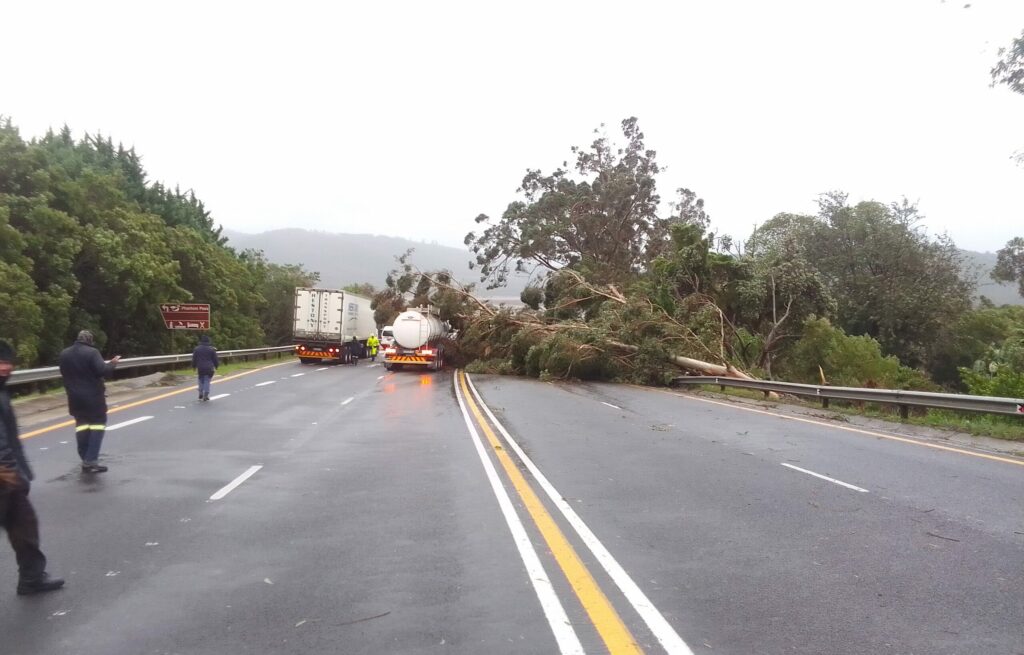
Nelson Mandela Bay is grappling with the immediate aftermath of severe weather, as more than 100mm of rain has already saturated the region by Wednesday morning. The deluge has triggered localized flooding, opened sinkholes, and caused structures to collapse across the city. The situation is compounded by forecasts predicting an additional 100mm of rain, coupled with winds exceeding 100 km/h, through Thursday night. Despite assurances from the municipality regarding its preparedness for weather-related emergencies, significant questions linger about the availability of essential resources, particularly vehicles, amidst ongoing challenges with the city's fuel contracts. The South African Weather Service (SAWS) escalated its warnings, issuing a level six alert for disruptive rain and damaging winds, a slight adjustment from the previous day's level eight warning. These conditions have placed immense strain on municipal services, infrastructure, private businesses, and the daily lives of residents. The clouds have not yet parted, and the threat of further disruption looms large over the Eastern Cape's largest metropolitan area.
Widespread Flooding and Infrastructure Strain
The heavy rainfall has overwhelmed stormwater drainage systems in key commercial and industrial areas such as Newton Park, Korsten, and Markman, leaving roads waterlogged and impassable. The extent of the flooding has been significant, with reports emerging from numerous wards including KwaZakhele, Motherwell, Kariega, KwaDwesi, Bethelsdorp, Missionvale, and KwaNobuhle. Aid organizations, including Gift of the Givers, are actively on the ground, working to manage the immediate impact of the weather-related crises. The sheer volume of water has tested the resilience of the city's infrastructure, highlighting potential vulnerabilities in its ability to cope with extreme weather events. The cumulative rainfall has already surpassed significant thresholds, with Newton Park in Gqeberha recording over 130mm on Tuesday night alone. Forecasters warn that the heaviest rainfall, between 60mm and 120mm, is expected to continue until midnight Thursday, accompanied by strong winds, particularly after 8 pm.
Businesses Report Significant Operational Disruptions
The adverse weather has had a profound effect on the business community. Many companies have been forced to issue warnings to employees, advising them to stay home to ensure their safety due to the impassable roads and hazardous conditions. The Nelson Mandela Bay Business Chamber has confirmed that numerous businesses are reporting significant impacts on their operations. Denise van Huyssteen, the chief executive of the Business Chamber, stated that damaged facilities and surrounding areas, combined with reduced employee numbers due to the heavy rain and flooding, have hampered productivity. While major manufacturers have largely managed to continue production, many have experienced higher-than-normal absenteeism. In response to the escalating risks, some manufacturers have made the difficult decision to temporarily close their factory doors. Businesses with the capacity for remote work have shifted to this model, demonstrating an adaptive approach to mitigating the effects of the ongoing adverse weather until the risks subside.
Dual Crisis: Weather and Water Scarcity
While the immediate focus is on the destructive power of the current rainfall, the region is simultaneously facing a long-standing crisis of water scarcity. The Kouga Dam, a crucial water source for the Nelson Mandela Bay metropolitan area, has been critically low for an extended period, exacerbating the impact of any disruption to water supply. The current weather event, while bringing much-needed rain, also poses a risk to the dam's water quality due to increased sediment runoff. The municipality's ability to manage its water resources effectively is under severe scrutiny, especially given the existing challenges with infrastructure and service delivery. This dual challenge underscores the vulnerability of the region to environmental pressures. The immediate need for flood relief and infrastructure repair is compounded by the persistent requirement for sustainable water management strategies. The interplay between extreme weather events and long-term resource management is becoming increasingly critical.
Looking Ahead: Resilience and Preparedness
The coming days will be critical for Nelson Mandela Bay as it navigates the ongoing weather warnings and assesses the full extent of the damage. The municipality faces the immediate task of responding to emergency calls, clearing flooded roads, and addressing structural damage. Longer-term, the events will undoubtedly prompt a re-evaluation of the region's preparedness for extreme weather and its capacity to manage essential services, such as fuel supply for emergency vehicles. The strain on businesses also highlights the need for greater resilience in the local economy. The persistent issue of water scarcity, symbolized by the low levels of the Kouga Dam, remains a pressing concern that requires sustained attention and investment in water infrastructure and conservation efforts. The current crisis serves as a stark reminder of the interconnectedness of environmental challenges and the imperative for robust planning and adaptation.
The bottom line
- Nelson Mandela Bay is experiencing severe disruption from heavy rainfall and strong winds, with significant flooding reported.
- The region's infrastructure, including roads and drainage systems, is struggling to cope with the deluge.
- Businesses are reporting operational challenges, with some temporarily closing operations.
- The extreme weather exacerbates existing concerns about water scarcity, particularly regarding the Kouga Dam's low levels.
- Municipal services are strained, raising questions about resource availability and emergency response capabilities.
- The dual crises of extreme weather and water scarcity necessitate a comprehensive approach to resilience and infrastructure development.
/file/attachments/orphans/Flooding1_287455.jpg)
/file/attachments/orphans/Flooding3_478085.jpg)
/file/attachments/orphans/Flooding4_615503.jpg)
/file/attachments/orphans/Flooding5_845474.jpg)
/file/attachments/orphans/Flooding8_800229.jpg)
/file/attachments/orphans/Flooding6_546548.jpg)

Western Cape braces for severe weather as SAWS warns of heavy rain, cold and wind

Global Internet Disruptions Surge in Q1 2026 as Governments, Conflict, and Weather Cut Connectivity
Cold Front Brings Flash Flood Threat to Drought-Stricken South Florida