Jury Finds Live Nation, Ticketmaster Illegally Monopolized Live Event Market
A Manhattan federal jury has sided with dozens of states, ruling that the entertainment giant illegally stifled competition and overcharged consumers.
SOUTH AFRICA —
Key facts
- Live Nation and Ticketmaster were found to be an illegal monopoly by a jury in Manhattan federal court.
- The jury determined Ticketmaster overcharged consumers by an average of $1.72 per ticket.
- More than 30 states pursued claims that Ticketmaster dominated venues and kept prices high.
- Live Nation CEO Michael Rapino testified during the five-week trial.
- California Attorney General Rob Bonta called the verdict a "historic and resounding victory."
- Live Nation stated the jury's verdict is not the final word and plans to appeal unfavorable rulings.
- The Department of Justice settled its antitrust lawsuit with Live Nation in March.
Monopoly Verdict Against Live Nation, Ticketmaster
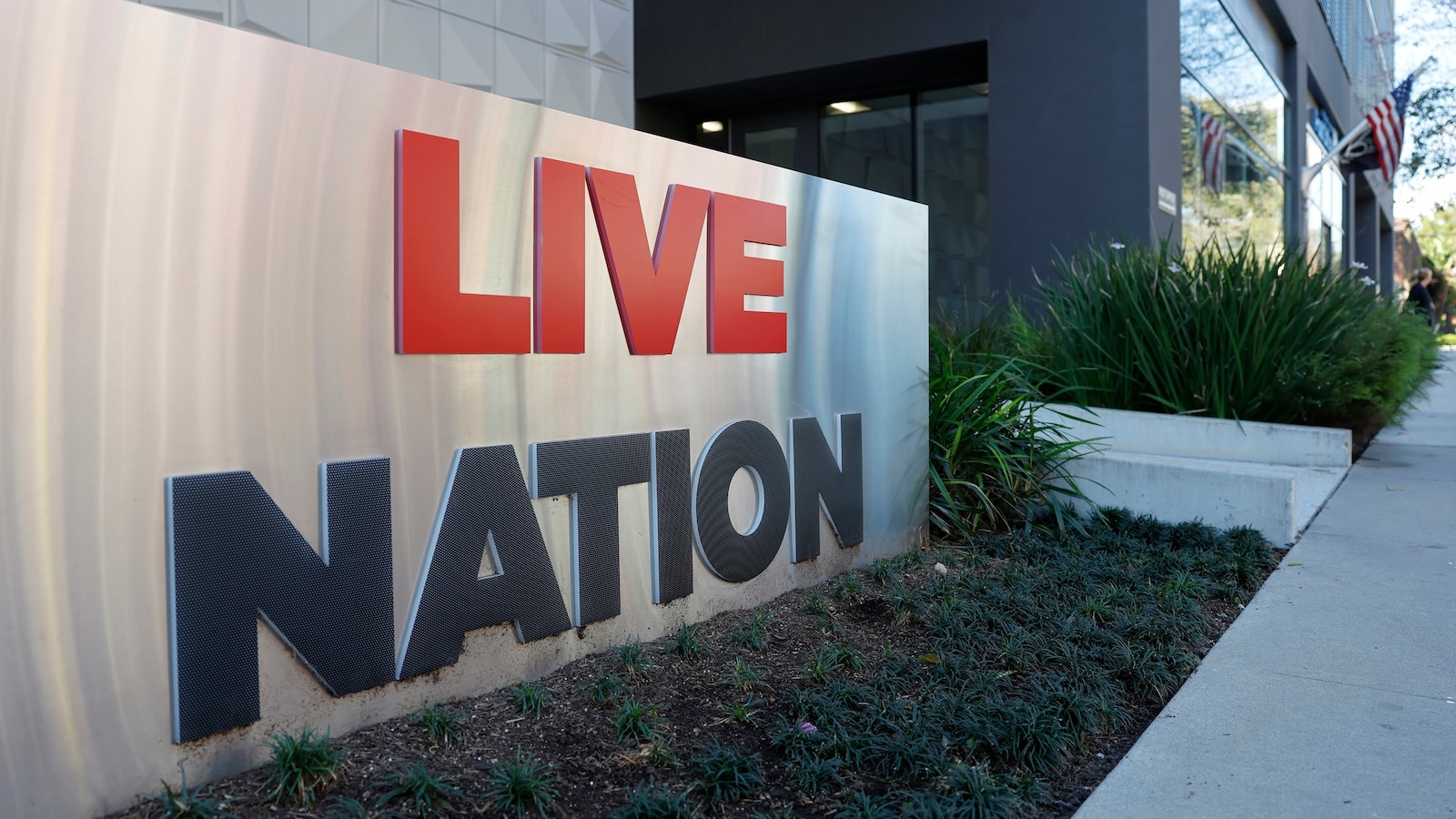
A Manhattan federal jury has determined that Live Nation and its subsidiary Ticketmaster illegally monopolized the market for live event tickets. The verdict, reached on Wednesday, found that the entertainment giant protected its dominant position through pressure and leverage, making it harder for rivals to compete. This decision represents a significant legal victory for dozens of states that argued the company stifled competition and drove up prices for consumers. The jury's finding is a direct rebuke to the company's long-standing business practices. For years, Live Nation has faced accusations of using its control over ticketing platforms and a vast network of concert venues to dictate terms to artists and inflate costs for concert-goers. The trial, which spanned five weeks, heard testimony from industry figures including Ben Lovett of Mumford & Sons and Live Nation chief Michael Rapino. Live Nation, which operates in over 50 countries and organizes more than 50,000 concerts and festivals annually, has consistently denied it operates as a monopoly. The company has argued that artists, sports teams, and venues are the entities that ultimately set ticket prices. Despite these assertions, the jury's decision suggests a widespread agreement among states that the company's integrated control over the live event ecosystem is anticompetitive.
States Unite to Challenge Ticketing Giant
The lawsuit involved a coalition of more than 30 states, including California, which pursued claims that Ticketmaster dominated major concert venues and maintained artificially high prices. California Attorney General Rob Bonta hailed the verdict as "a historic and resounding victory for artists, fans, and the venues that support them." He emphasized the broad, bipartisan nature of the coalition, stating, "red and blue states alike who understood we needed to come together to protect our consumers, businesses, and state economies from Live Nation’s illegal conduct." This collective action by the states highlights a growing frustration with Live Nation's market power. New York Attorney General Letitia James, also part of the litigation, described the suit as an effort to "restore fair competition to the live entertainment industry." The states' argument centered on the idea that Live Nation's combined control over ticketing and venue operations forced artists into unfavorable deals and ultimately harmed consumers through higher ticket prices and limited choices. While the Department of Justice reached a settlement with Live Nation in March, agreeing to a $280 million payment and certain policy modifications, a significant number of states rejected this federal resolution. They opted instead to pursue their claims independently, believing the federal settlement did not go far enough to address the alleged anticompetitive practices. This divergence underscores the depth of concern among state officials regarding the company's market dominance.
Consumer Overcharges and Potential Penalties
The jury's verdict included a specific finding regarding consumer overcharges. Ticketmaster was found to have overcharged customers by an average of $1.72 per ticket. This figure, calculated across 22 states involved in the lawsuit, could have substantial financial implications for Live Nation. If a judge orders the company to issue refunds based on this finding, Live Nation could be liable for hundreds of millions of dollars. The exact amount of damages and penalties will now be determined by the court. This potential financial reckoning adds significant weight to the jury's decision, moving beyond a mere declaration of illegality to a concrete measure of harm. Beyond direct financial penalties, the ruling opens the door to more drastic remedies. Legal experts suggest that the court could eventually order Live Nation and Ticketmaster to divest concert venues or even to break up their combined operations. Such structural changes would fundamentally alter the landscape of the live entertainment industry.
A History of Antitrust Scrutiny
The recent verdict is not the first time Ticketmaster has faced accusations of monopolistic behavior. The company has a long history of clashing with artists over its practices, notably including an antitrust complaint filed by the band Pearl Jam in the 1990s. More recently, Ticketmaster ignited widespread public backlash in 2022 for its notoriously difficult handling of ticket sales for Taylor Swift's "Eras" tour. Live Nation Entertainment, which owns or holds equity in hundreds of U.S. venues, controls bookings for these locations, further solidifying its integrated market position. This comprehensive control has been the crux of the antitrust arguments presented by the states and the federal government. The legal battles have also seen shifts in enforcement approaches. The initial lawsuit was filed by the Biden administration's Department of Justice, which later settled with Live Nation. However, the Trump administration had previously walked away from the case. It was the states' decision to continue the litigation that ultimately led to the current jury verdict, demonstrating a persistent concern about market concentration in the live entertainment sector.
Live Nation Vows to Appeal
In response to the jury's verdict, Live Nation issued a statement asserting that "the jury’s verdict is not the last word on this matter." The company indicated its intention to file a motion for judgment as a matter of law, a legal maneuver that could potentially overturn the jury's findings. The court had previously acknowledged that Live Nation's motion raised "serious issues." Furthermore, Live Nation highlighted a pending motion to strike the damages testimony upon which the jury's award was based. The court had also deferred ruling on this motion, noting "significant concerns with the damages expert’s analysis." The company clearly stated its intent to "appeal any unfavorable rulings on these motions," signaling a prolonged legal fight ahead. This defiant stance suggests that Live Nation is prepared to challenge the verdict through every available legal channel. The company's strategy appears to be focused on leveraging procedural arguments and questioning the validity of the damages assessment, aiming to mitigate or entirely avoid the consequences of the jury's decision.
Implications for the Entertainment Industry
The implications of this verdict extend far beyond Live Nation and Ticketmaster, potentially reshaping the entire live entertainment industry. The finding of an illegal monopoly could pave the way for increased competition, potentially leading to more diverse ticketing options and more favorable terms for artists and consumers. Roger Alford, a professor at Notre Dame Law School, suggested that Live Nation's past attempts at behavioral remedies have failed, increasing the likelihood of a structural breakup. "They've been making promises for decades and then breaking those promises," Alford commented, indicating that past failures may push courts towards more decisive action. As the legal process unfolds, the industry will be watching closely. The final outcome will determine whether Live Nation and Ticketmaster are forced to fundamentally alter their business model, potentially ushering in a new era of competition and fairer practices in the world of live events.
The bottom line
- A jury has found Live Nation and Ticketmaster guilty of operating as an illegal monopoly.
- The verdict follows a five-week antitrust trial brought by dozens of U.S. states.
- Ticketmaster was found to have overcharged consumers by an average of $1.72 per ticket.
- The company faces potential financial penalties, refunds totaling hundreds of millions, and possible divestitures or a breakup.
- Live Nation plans to challenge the verdict through post-trial motions and appeals.
- The ruling could lead to significant changes in competition and consumer pricing within the live entertainment industry.



PowerBall Jackpots Reach R145 Million for May 5 Draw

Jet fuel prices surge over 100% at South African airports, airlines add surcharges

Mamelodi Sundowns Reclaim League Summit After Narrow Victory