Ghana Asks AU to Probe 'Xenophobia' Claims in South Africa
Accusations of rising anti-foreigner sentiment prompt diplomatic calls for a fact-finding mission amid claims of 'fake videos'.
ZIMBABWE —
Key facts
- Ghana has formally asked the African Union to address alleged xenophobic attacks in South Africa.
- South Africa's government claims 'fake videos and images' are fueling diplomatic tensions.
- Protests against illegal immigration have occurred in South African cities.
- Nigeria has offered to repatriate its nationals due to fears of attacks.
- Kenya, Malawi, Lesotho, and Zimbabwe have warned citizens about potential dangers.
- South Africa's minister welcomed the AU discussion to address migration's root causes.
- The AU summit where the issue may be discussed is scheduled for June 24-27 in Egypt.
Continental Outcry Over South African Immigration Stance
Ghana has formally requested the African Union to convene and discuss what it terms 'xenophobic attacks' targeting foreign nationals within South Africa. This move escalates diplomatic pressure on Pretoria, which is grappling with accusations of rising anti-immigrant sentiment across the continent. The government in South Africa has pushed back, characterizing some circulating online content as fabricated. Diplomatic friction has intensified as nations like Nigeria, Kenya, Malawi, Lesotho, and Zimbabwe have issued advisories to their citizens residing in South Africa. Nigeria has even offered to facilitate the repatriation of its nationals, signaling the gravity of the concerns. These developments underscore a growing unease among African states regarding the treatment of their citizens in South Africa. South Africa's administration has publicly stated it has "nothing to hide" and has emphasized its welcoming nature. However, the persistent allegations suggest a disconnect between the government's portrayal and the experiences of some foreign nationals, fueling a complex debate on immigration and national identity.
Viral Videos Ignite Diplomatic Firestorm
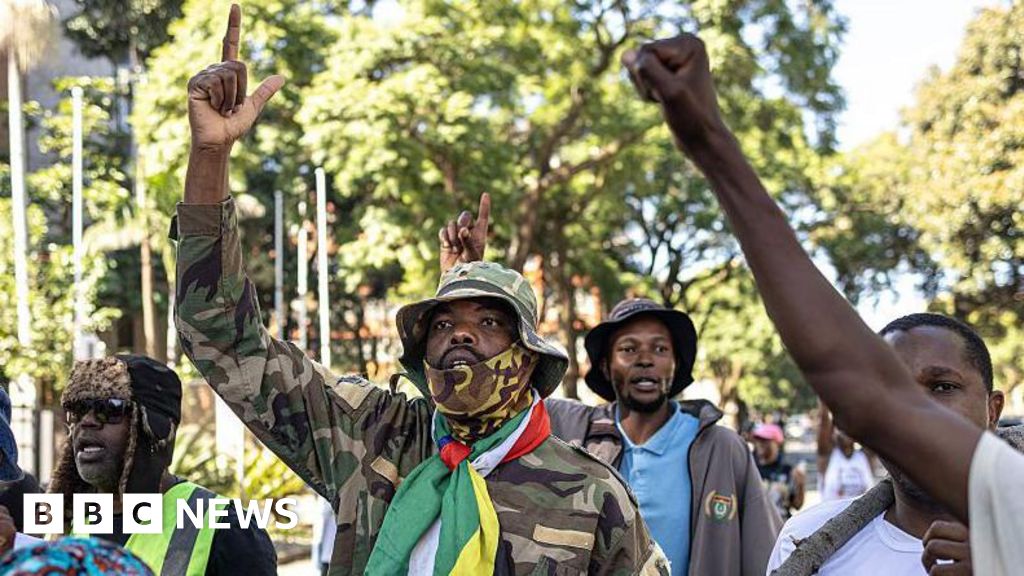
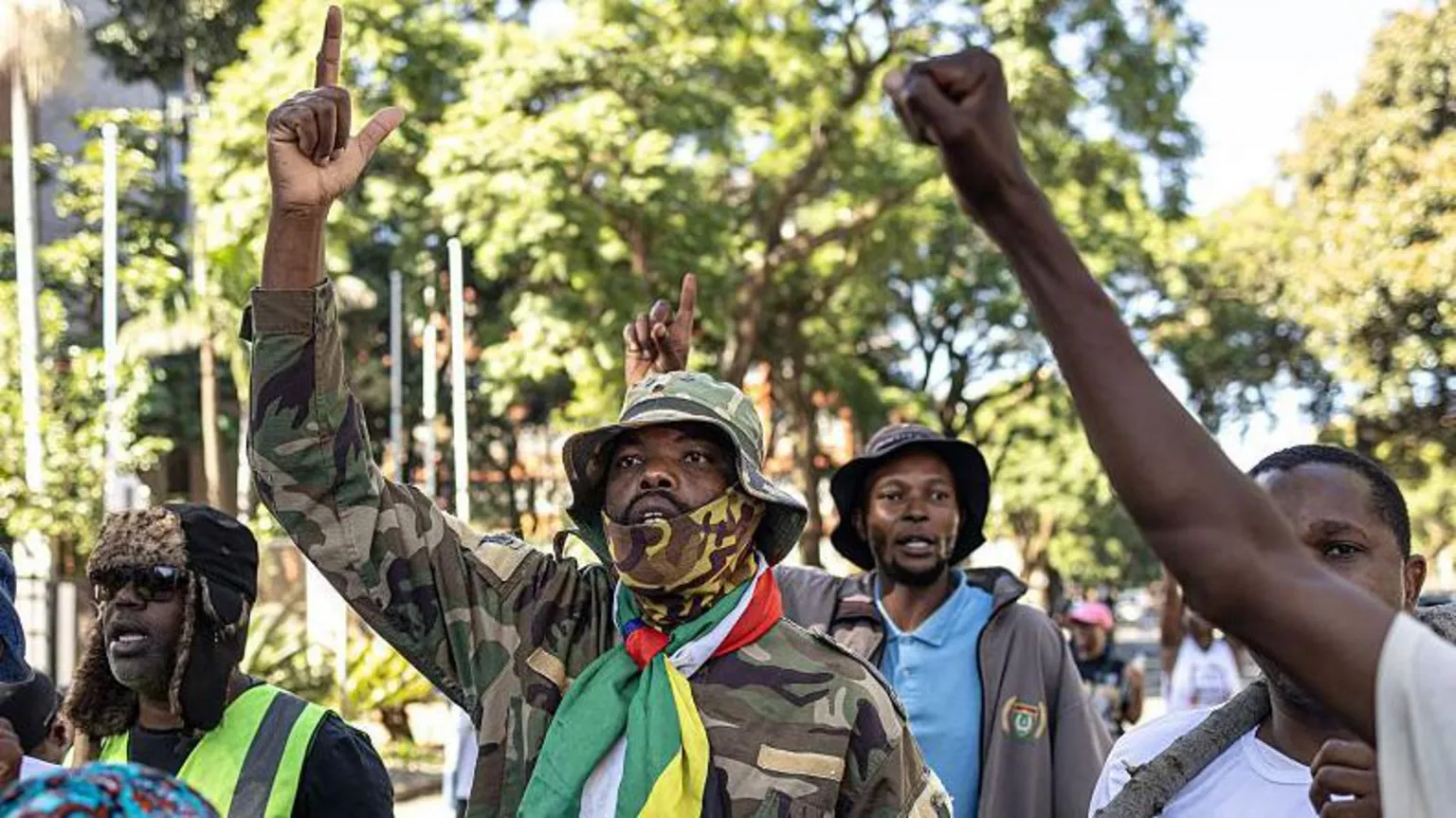
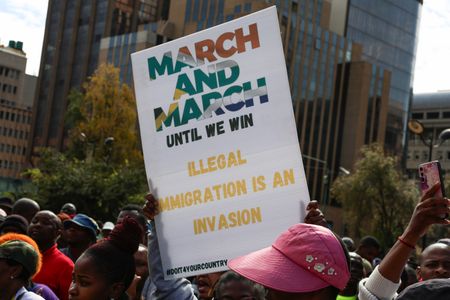
The current wave of continental concern was reportedly triggered by video clips circulating online approximately two weeks prior. These videos appeared to show vigilante groups confronting individuals perceived to be in South Africa illegally. One widely cited incident involved a Ghanaian national being challenged and told to "fix his country." These online provocations have coincided with protests by thousands of South Africans in major cities, who are demanding the mass deportation of undocumented foreign nationals. Demonstrators cite impacts on employment, housing, and crime rates as reasons for their demands. While the government acknowledges the right to protest illegal immigration, it has condemned any violence linked to such demonstrations. South Africa's International Relations and Cooperation Minister, Ronald Lamola, acknowledged that the chorus of complaints from countries like Ghana, Nigeria, Mozambique, and Lesotho has indeed damaged the nation's foreign policy and reputation. He noted that some shared videos are not real, are old footage recycled, or happened elsewhere, stating that "in the current wave, there has not been any brutal murder of anyone."
Ghanaian Minister's AU Appeal
Ghanaian Foreign Minister Samuel Ablakwa detailed his country's appeal in a post on X (formerly Twitter) on Thursday. He formally requested the African Union to address the alleged xenophobic attacks at an upcoming summit in Egypt, scheduled from June 24 to 27. Ablakwa argued that such actions constitute a clear violation of the African Charter on Human and Peoples' Rights, to which South Africa is a signatory. Furthermore, he contended that these incidents run counter to the spirit of Pan-Africanism and the objectives of the African Continental Trade Area (AfCFTA). The AfCFTA aims to foster free movement, reduce barriers, and establish a common market for the benefit of all Africans, principles that are seemingly undermined by the alleged xenophobic sentiment. Ghana's letter to the AU characterized the situation in South Africa as a "serious risk to the safety and wellbeing" of Africans and a challenge to "the shared principles of African solidarity, brotherhood, and continental unity." The nation is advocating for the AU to dispatch a fact-finding mission to the country.
South Africa Welcomes Migration Dialogue
Minister Lamola expressed that South Africa was surprised by Ghana's unilateral move to approach the AU. Nevertheless, he welcomed the opportunity, viewing it as a platform for South Africa to present its perspective on the complex issue of irregular migration. "We welcome it because we believe it will also give us that platform to deal with the push and pull factors of irregular migration in the continent," Lamola stated. He highlighted South Africa's position as a primary recipient of irregular migration in Africa, followed by countries such as Ivory Coast. This makes addressing the root causes, particularly economic factors, a necessity for a comprehensive solution. Lamola stressed that any effective approach to migration must confront the underlying "push factors" that compel individuals to leave their home countries. The South African government has identified poor political and economic governance in other nations as key drivers of this migration.
Unpacking 'Push Factors' and 'Fake News'
The South African government has been actively engaged in diplomatic efforts to mitigate the growing continental unease. President Cyril Ramaphosa's spokesperson reiterated that South Africa is a welcoming nation with "open, friendly and warm people," rejecting any characterization of the country or its populace as xenophobic. This assertion comes amidst ongoing diplomatic exchanges, including a phone call where Nigerian Foreign Minister Bianca Odumegwu-Ojukwu reportedly raised concerns about two named Nigerian nationals allegedly killed by South African security forces. Minister Lamola, however, stated that the government had investigated this specific charge and found no evidence to support it. He also noted that Nigeria's acting high commissioner to South Africa, Alexander Ajayi, had reportedly denied any such killings. This points to a broader challenge of verifying information and narratives circulating online, particularly when they involve sensitive inter-state relations. The government's stance suggests a two-pronged approach: acknowledging the right of citizens to protest illegal immigration while simultaneously refuting claims of widespread, state-sanctioned or uncontrolled xenophobic violence. The emphasis is on addressing the perceived "fake news" and tackling the fundamental drivers of migration, rather than solely focusing on the symptoms within South Africa.
Xenophobia's Lingering Shadow
Xenophobia has been a recurring and deeply rooted issue in South Africa, marked by periods of deadly violence against foreign nationals. While the current protests have been largely peaceful, with no official reports of looting or violence against migrants accompanying them, the underlying tensions remain palpable. The government's diplomatic outreach aims to reassure neighboring countries and international partners that South Africa remains committed to African solidarity and the principles of continental unity. However, the persistent accusations and the circulation of inflammatory content present a significant challenge to this narrative. The upcoming AU summit in Egypt offers a critical juncture. It provides a formal platform for South Africa to articulate its position and for other African nations to voice their concerns. The outcome of these discussions could shape regional relations and influence future approaches to migration and integration across the continent.
The bottom line
- Ghana has officially requested the African Union to address alleged xenophobic attacks in South Africa, citing risks to African nationals.
- South Africa's government refutes claims of widespread xenophobia, attributing tensions to 'fake videos' and emphasizing its welcoming nature.
- The diplomatic dispute highlights underlying issues of irregular migration, with South Africa seeking to discuss 'push factors' at the AU.
- Viral online content, including videos of vigilante groups, has significantly fueled the current diplomatic tensions.
- Nigeria, Kenya, Malawi, Lesotho, and Zimbabwe have issued warnings or offered repatriation to their citizens in South Africa.
- The African Union summit in Egypt from June 24-27 will serve as a key venue for discussing these continental concerns.
/file/attachments/orphans/ED_587680_584084.jpg)

/file/authors/17897578471971858605.jpg)
/file/attachments/orphans/ED_587680_584084.jpg)

Crystal Palace Reaches First European Final Under Glasner
Ramaphosa Denies Knowledge of Wanted Individuals at Zimbabwe Farm Visit

San Jose burglars cut through walls to steal safe packed with passports and IDs