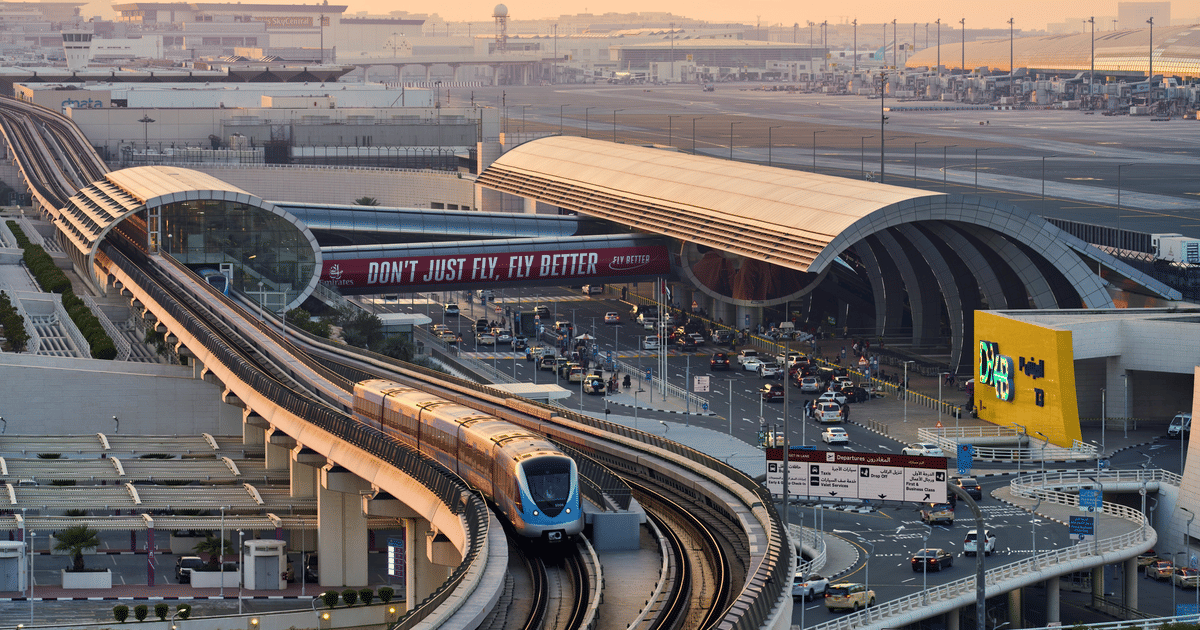
Jet Fuel Surge Forces Airlines to Cancel 13,000 Global Flights
Soaring prices linked to Middle East conflict disrupt summer travel plans and prompt fare hikes.

UAE —
Key facts
- Airlines have cancelled 13,000 flights globally in May.
- Jet fuel prices have risen more than 80 percent since late February.
- Qatar Airways cut two million seats scheduled for June through October.
- Emirates and Etihad Airways cut 700,000 and 450,000 seats respectively.
- US-based Spirit Airlines has permanently ceased operations.
- Lufthansa announced it was cutting 20,000 flights on April 22.
- Average international airfare from the US rose 16 percent by late April.
Global Air Travel Faces Turbulence Amid Soaring Fuel Costs
A significant disruption is unfolding across the global aviation sector, with airlines collectively cancelling 13,000 flights scheduled for May. This widespread reduction in services is a direct consequence of a dramatic surge in jet fuel prices, itself a ripple effect of the escalating conflict in the Middle East. The situation has cast a shadow over the upcoming summer travel season, prompting concerns among holidaymakers and forcing carriers to reassess their operational capacities. While the global impact is substantial, flights in and out of the United Kingdom are reportedly largely unaffected. British airlines secure jet fuel through advance purchases, and airports maintain robust stock levels, providing a buffer against immediate supply issues. Contingency plans are in place, and passengers whose flights are cancelled are reminded of their legal rights, including entitlement to a full refund or re-routing. However, the broader trend indicates a challenging period ahead. The elevated cost of fuel is not only leading to flight cancellations but also driving up ticket prices, making travel less accessible for many. The industry is grappling with a new reality where the cost of operations has fundamentally shifted, potentially reshaping travel habits and airline strategies.
Conflict in Middle East Fuels Jet Fuel Price Spike
The current aviation crisis is intricately linked to geopolitical tensions, particularly the conflict in the Middle East and its impact on oil markets. Jet fuel prices, primarily derived from crude oil, have seen an alarming increase of over 80 percent since late February. This surge is exacerbated by the effective closure of the Strait of Hormuz, a critical chokepoint for global oil transport, which has now approached ten weeks of restricted passage amidst an uneasy truce between the United States and Iran. Experts warn that if the conflict persists and the Strait of Hormuz remains blocked, the world could face severe fuel shortages. While a complete global depletion is not immediately imminent due to alternative supply routes and production increases in other regions, the risk of extreme price escalation is significant. Consultancy firm Energy Aspects founder Amrita Sen has indicated that prolonged conflict could deplete all available stocks, leading to unpredictable spikes in oil prices. Even if the immediate crisis subsides, the process of restoring pre-crisis fuel flow levels would take months. The current situation has already led to substantial price increases, with jet fuel prices doubling in recent months, now reportedly costing as much as regular car petrol did last year. This economic pressure is forcing airlines to make difficult decisions.
Airlines Respond with Schedule Cuts and Fare Hikes
In response to the escalating fuel costs, airlines worldwide are implementing significant schedule reductions and, in some cases, ceasing operations altogether. Data from aviation analytics firm Cirium reveals that across markets including the US, China, Japan, Australia, and much of Europe, airlines have removed 9.3 million seats from their schedules between June 1 and September 30. This represents a tangible impact on available travel options for millions of passengers. The Middle East region has been particularly hard hit. Qatar Airways alone has slashed two million seats from its schedule for June through October. Carriers based in the United Arab Emirates, Emirates and Etihad Airways, have also made substantial cuts, reducing their offerings by 700,000 and 450,000 seats, respectively. These reductions underscore the severe financial strain the industry is under. Beyond cancellations, the economic pressure is translating into higher fares. The average international airfare from the US saw a 16 percent increase by the last week of April compared to the same period the previous year, reaching $1,101. This trend is forcing travellers to book further in advance and consider full-service carriers over budget options to mitigate the risk of last-minute disruptions.
Spirit Airlines Ceases Operations Amidst Fuel Crisis
The severe financial strain imposed by soaring jet fuel prices has led to the outright collapse of at least one major carrier. US-based budget airline Spirit Airlines announced on Saturday that it would permanently cease operations, a move widely attributed to the unsustainable rise in fuel costs. This development serves as a stark warning of the fragility of airline business models when faced with such significant operational cost increases. The impact extends beyond Spirit Airlines. Other major players are also feeling the pinch. On April 22, Lufthansa announced a significant reduction of 20,000 flights from its schedule. Virgin Atlantic has indicated it can no longer absorb the higher fuel expenses and will be forced to increase fares, a sentiment echoed by IAG, the parent company of British Airways, which also announced pricing adjustments. Even budget carriers like EasyJet are implementing policies such as a "book with confidence" guarantee, promising no price increases after booking. While intended to reassure customers, such measures can also be interpreted as an acknowledgement of the volatile pricing environment and the potential for future cost escalations.
Travellers Urged to Stay Informed Amidst Uncertainty
As the aviation landscape shifts, travellers are being advised to remain vigilant and informed about their bookings. While airlines and government bodies in the UK assure that current fuel supplies are stable and contingency plans are in place, passengers are urged to continue checking directly with their airlines for the latest updates regarding their flights. Consulting the Foreign, Commonwealth & Development Office (FCDO) travel advice for the most current information is also recommended. Industry representatives are emphasizing that, for now, flights are operating as normal, and there are no immediate concerns about fuel shortages impacting schedules. Airlines UK chief executive Tim Alderslade has stated that UK airlines are planning to operate their full summer schedules, including the upcoming May half-term holidays. Similarly, Abta, the travel agents' association, has reassured the public that holidays booked for the coming months are expected to proceed as planned. Despite these assurances, the underlying economic pressures are undeniable. A poll of travel industry executives conducted in March revealed that 49% anticipated week-to-week price fluctuations. This has led some travellers to delay bookings, seeking greater clarity on pricing and flight availability. Experts suggest booking flights to the largest available airport near a desired destination, as smaller, regional routes are likely to be the first to face cancellations.
Potential for Greener Skies and Long-Term Industry Shifts
Amidst the current crisis, a potential, albeit unintended, silver lining has emerged: the possibility of reduced carbon emissions in the short term. The significant reduction in flight schedules directly translates to less fuel being burned, thereby lowering the overall carbon footprint of air travel. This temporary reprieve from emissions could offer a glimpse into a future with a less carbon-intensive aviation industry. Furthermore, the sustained pressure of high fuel costs could serve as a catalyst for accelerating the transition towards more sustainable aviation technologies. The current economic realities may intensify the drive for innovation in areas such as electric or hydrogen-powered aircraft, and the development of more efficient, sustainable aviation fuels (SAFs). The long-term viability of the industry may depend on its ability to embrace these post-fossil-fuel alternatives. However, the immediate focus remains on navigating the current turbulence. The industry faces the dual challenge of maintaining operational stability and financial health while simultaneously confronting the urgent need for decarbonization. The current crisis, while disruptive, could ultimately spur the necessary transformations for a more resilient and environmentally responsible future for air travel.
The bottom line
- Global flight cancellations have reached 13,000 in May due to soaring jet fuel prices.
- The conflict in the Middle East is a primary driver of the jet fuel price surge.
- Major airlines have significantly cut seat capacity for the summer travel period.
- Spirit Airlines has ceased operations, and other carriers are increasing fares.
- UK flights are largely unaffected due to advance fuel purchasing and contingency plans.
- The crisis may accelerate the adoption of sustainable aviation technologies.






Khaleej Times Digital Edition Replicates Print Experience for UAE Readers

Iran Drone Swarm Strikes ADNOC Tanker in Strait of Hormuz as UAE Issues Missile Alerts
Iranian Drone Strike Sets UAE Oil Refinery Ablaze, Injures Three