Emirates Rewards Staff With Generous Bonus After Record Profits
Employees receive 20 weeks' salary as the airline celebrates a year of resilience and financial triumph.
UAE —
Key facts
- Emirates Group awarded employees a 20-week salary bonus.
- The bonus payout far exceeded an initially planned 13-week performance-based reward.
- record profits before tax of Dh22.8 billion for the 2025-26 financial year.
- Revenues reached Dh130.9 billion, a 2 per cent increase year-on-year.
- Emirates retained its status as the world's most profitable airline.
- Cash assets reached an all-time high of Dh54.9 billion.
- The financial year concluded on March 31, 2026.
A Windfall for Resilience
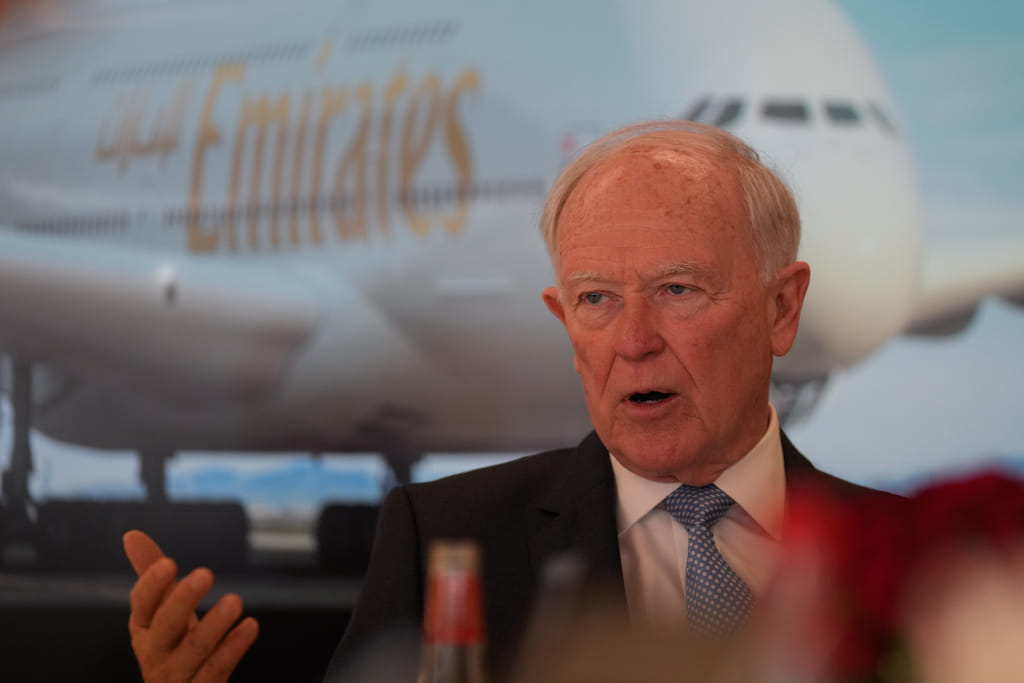
Emirates Group has surprised its workforce with a substantial bonus, awarding employees the equivalent of 20 weeks' salary. This generous payout comes on the heels of the airline group achieving record-breaking profits, significantly surpassing an initial performance-based target that had been linked to a 13-week bonus. The announcement, delivered through a deeply emotional message from Sheikh Ahmed bin Saeed Al Maktoum, Chairman and Chief Executive of Emirates Airline and Group, acknowledges the extraordinary efforts of the staff. His communication underscored a profound gratitude for their "bravery and incredible resilience" during a period described as one of the most complex and challenging in the company's history. "You were called upon during one of the most complex and challenging times in our history, and you showed up with commitment and passion," Sheikh Ahmed stated, highlighting the staff's unwavering dedication. He further lauded them as "the most extraordinary colleagues and partners any leader could wish for."
Record Financial Performance Amidst Disruption
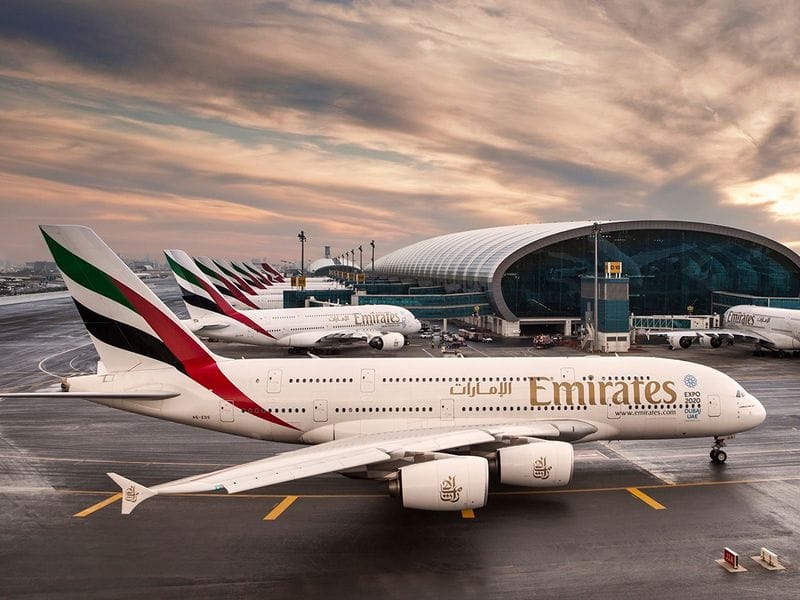
The airline group's financial year, which concluded on March 31, 2026, saw it post unprecedented results. Despite facing significant operational disruptions in the final month, Emirates not only retained its title as the world's most profitable airline but also achieved record profit before tax, amounting to Dh22.8 billion, a 7 per cent year-on-year increase. Revenues climbed to Dh130.9 billion, marking a 2 per cent rise from the previous year. This performance was underpinned by a robust EBITDA of Dh41.1 billion, reflecting strong operating profitability. The company's cash reserves also swelled to an all-time high of Dh54.9 billion, up 10 per cent from March 31, 2025. Sheikh Ahmed described the year as one of "two sharp contrasts." While the initial 11 months were dedicated to advancing strategic priorities, the period from March 1 onwards presented an "unprecedented situation" that necessitated a fight to restart hub operations. Nevertheless, the company managed to "close the year breaking almost every financial record to date."
Navigating Geopolitical Storms and Operational Challenges
The airline's remarkable financial achievements were secured despite a turbulent final month of the financial year. Regional aviation experienced chaos following geopolitical tensions in late February, which led to airspace disruptions. This event plunged the sector into uncertainty, though stability has gradually returned as airlines restored schedules and capacity. Sheikh Ahmed acknowledged the scale of safety and operational disruptions, noting that even with sophisticated contingency plans, uncertainty loomed. He emphasized that "sitting back was not an option" as thousands of customers relied on Emirates to reach their destinations, transport essential goods, and manage emergencies. He also commended the UAE leadership for their decisive actions in prioritizing traveler and resident safety, which facilitated the creation of a "safe air corridor." This enabled Emirates and dnata to marshal their resources and restart operations, with Emirates flying 58 per cent of its capacity by March 31. The cargo teams were singled out as "overnight heroes" for their tireless efforts in transporting essential supplies.
Strategic Growth and Cost Management
Emirates' revenue growth was propelled by the strategic deployment of capacity to meet demand across various markets, bolstered by network expansion and partnerships that extended its reach to over 1,700 cities beyond its direct network. The airline successfully carried 53.2 million passengers, maintaining a passenger seat factor of 78.4 per cent, with passenger yields increasing due to sustained demand. Key cost components remained fuel and employee expenses. While total operating costs saw a 2 per cent increase, a slight decrease in fuel prices helped to offset the rise in flying activity. Fuel expenses accounted for 29 per cent of operating costs, down from 31 per cent in the previous financial year. The airline's fuel bill decreased to Dh31.2 billion from Dh32.6 billion in 2024-25. This reduction occurred even as fuel uplift increased by 1 per cent due to higher flying activity, primarily because the average fuel price dropped by 7 per cent.
A Message of Defiance and Future Confidence
Addressing implicit critics who suggest Dubai and the Emirates Group are in decline, Sheikh Ahmed conveyed a message of resolute confidence. "To all critics who believe Dubai and the Emirates Group are in decline, we've heard this before and proved them wrong every time," he stated, projecting a return that is "bigger, better and bolder as we always do after a crisis." The group remains committed to its long-term vision, intending to continue taking delivery of aircraft on order and progressing with its retrofit program. This forward-looking approach signals a dedication to maintaining and enhancing its fleet and services. Sheikh Ahmed concluded by reiterating his belief in the collective future of Dubai and the Emirates Group. He urged employees to "take confidence in our resilience and our ability to bounce back, no matter what," and to "back yourself and continue to lead the way as the best professionals in the business."
The bottom line
- Emirates Group employees are receiving a 20-week salary bonus, a significant reward for their resilience.
- The airline achieved record profits of Dh22.8 billion and revenues of Dh130.9 billion for the 2025-26 financial year.
- Despite a challenging final month marked by airspace disruptions, Emirates maintained its position as the world's most profitable airline.
- The company's cash reserves reached an all-time high of Dh54.9 billion.
- Emirates attributes its success to strong operational performance, strategic capacity deployment, and effective cost management, particularly in fuel expenses.
- Leadership expressed strong confidence in the group's ability to overcome challenges and emerge stronger, dismissing any notions of decline.
Khaleej Times Digital Edition Replicates Print Experience for UAE Readers

Iran Drone Swarm Strikes ADNOC Tanker in Strait of Hormuz as UAE Issues Missile Alerts
Iranian Drone Strike Sets UAE Oil Refinery Ablaze, Injures Three