UAE Oil Flows Amidst Iran Conflict, Employing Covert Tactics
Abu Dhabi's state energy firm navigates the Strait of Hormuz using 'ghost fleet' methods to maintain critical crude exports.
UAE —
Key facts
- ADNOC moved at least 6 million barrels of crude oil in April through the Strait of Hormuz.
- Four tankers used automatic identification system (AIS) transponders switched off, a tactic known as 'ghost fleet' operations.
- Iran retaliated by striking an empty ADNOC tanker, the Barakah, with two drones on May 3.
- The UAE is the only Gulf producer actively shipping crude through the blockade.
- Crude prices surpassed $100 a barrel following a U.S. blockade of Iranian ports in April.
- ADNOC has been forced to cut exports by over 1 million barrels per day from its 2025 levels.
- China has ordered companies to disregard U.S. sanctions on Iranian oil purchases.
Oil Flows Defy Blockade with Stealth Tactics
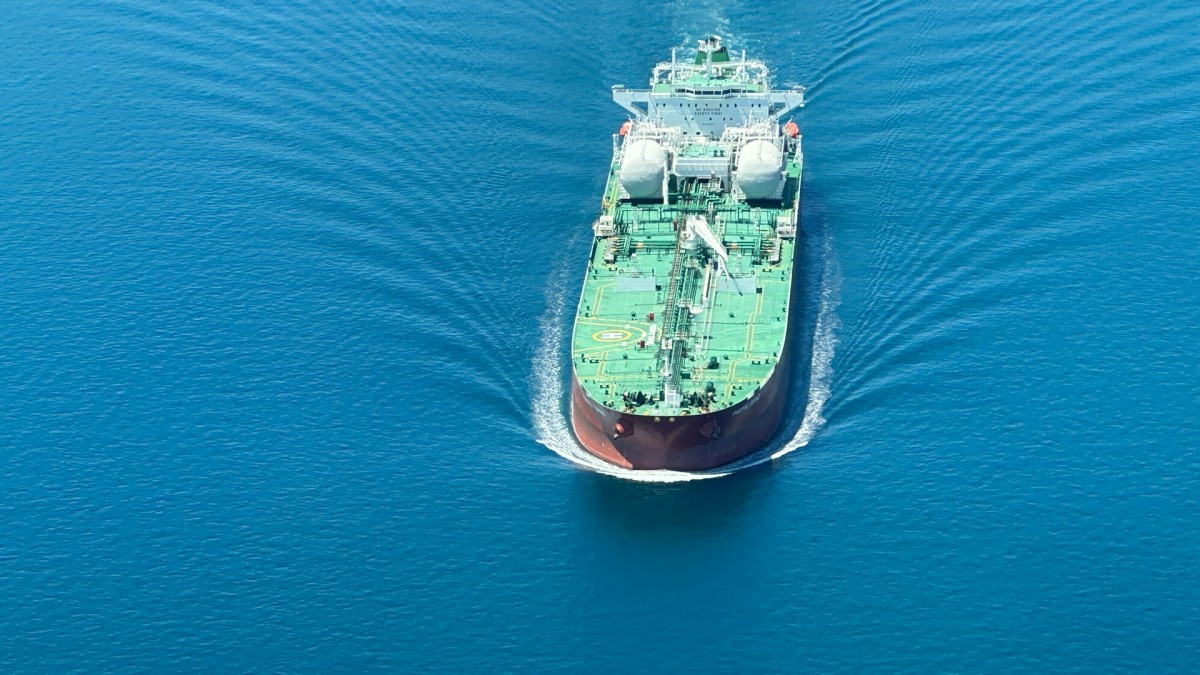
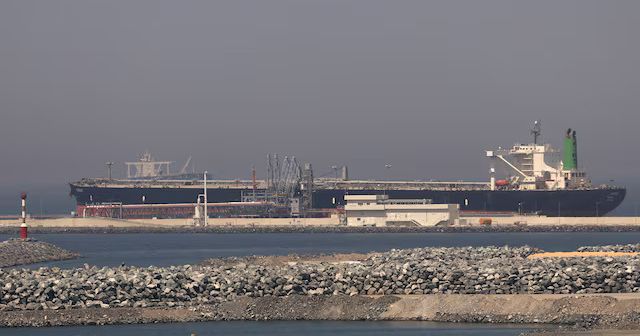
Abu Dhabi's state-owned energy giant, ADNOC, is continuing to move millions of barrels of crude oil through the Strait of Hormuz, a vital waterway currently under blockade. In April, at least six million barrels of Upper Zakum and Das crude were transported using four tankers whose automatic identification system (AIS) transponders were deliberately switched off. This maneuver, mirroring the 'ghost fleet' tactics employed by Iran to evade sanctions, underscores the lengths to which participants are going to unlock trapped supply amidst escalating geopolitical tensions. The shipments, though a fraction of pre-war export volumes, demonstrate a willingness to confront the risks posed by Iranian drones and speedboats. The UAE stands as the sole Gulf producer actively routing crude through the contested passage, while Iraq, Kuwait, and Qatar have largely halted or heavily discounted sales, and Saudi Arabia reroutes supplies via the Red Sea. This continued flow highlights the critical importance of this oil to global markets and the lengths to which nations will go to maintain it. ADNOC has indicated its intention to continue May loadings, planning ship-to-ship transfers at Fujairah and Oman’s Sohar. This strategy aims to circumvent direct transit through the most heavily contested areas, offering a degree of operational flexibility. Talks with Asian refiners for these May cargoes are reportedly ongoing, signalling sustained demand and a commitment from both producers and buyers to keep oil moving despite the heightened dangers.
Iran's Retaliation and Shifting Trade Routes
Iran's response to the blockade and perceived aggressions has been direct. On May 3, the nation retaliated by striking an empty ADNOC tanker, the Barakah, with two drones. Fortunately, no injuries were reported in the incident, but it served as a stark reminder of the volatile environment within the Strait of Hormuz. The attack occurred as the tanker was transiting the strait, underscoring the direct threat to commercial shipping. Some of the crude transported in April found its way to Asian markets through intricate logistical chains. One Very Large Crude Carrier (VLCC), the Aliakmon I, carrying two million barrels of Das crude, offloaded its cargo into storage facilities at Oman’s Ras Markaz. Two Suezmax tankers, the Odessa and Zouzou N., each loaded with one million barrels of Upper Zakum, sailed directly to South Korean refiners. These vessels are managed by Greece-based Dynacom Tankers Management. This complex web of transfers and storage highlights the ingenuity and risk-taking involved in maintaining oil exports. The deliberate disabling of AIS trackers not only obscures total ADNOC export volumes but also makes it exceedingly difficult for external observers to ascertain the precise flow of oil. This opacity is a strategic advantage in navigating a conflict zone where information is a critical component of the broader geopolitical struggle.
The Broader Impact on Global Energy Markets
The conflict, which began with U.S.-Israeli strikes on February 28 that reportedly killed Supreme Leader Ali Khamenei, has severely disrupted global energy supplies. Iran’s effective closure of Hormuz to all non-Iranian traffic has bottled up approximately a fifth of the world's oil and gas supply. This disruption, coupled with a subsequent U.S. blockade of Iranian ports in April, has propelled crude prices past the $100 a barrel mark. ADNOC has been compelled to significantly reduce its exports. the company has had to cut shipments by more than one million barrels per day from the 3.1 million barrels per day it was exporting in 2025. This reduction illustrates the substantial impact of the conflict on one of the UAE's key economic activities and highlights the fragility of global energy security when such critical chokepoints are threatened. Despite the heightened risks and reduced volumes, the willingness of participants to continue such operations suggests a deep-seated need for these supplies. The economic implications for the UAE, and indeed for Asian buyers reliant on this crude, are considerable. The continued effort to move oil, even under duress, points to the immense economic pressures at play and the strategic calculations being made by all parties involved.
China's Defiance of U.S. Sanctions
In a significant geopolitical maneuver, China has reportedly ordered its companies to disregard U.S. sanctions targeting Iranian oil purchases. This directive, issued through China’s Commerce Ministry, invokes a 2021 ‘blocking statute’ designed to prevent Chinese firms from complying with foreign sanctions deemed illegitimate by Beijing. The order specifically applies to several Chinese refiners that Washington has accused of buying Iranian crude, including independent ‘teapot’ refineries. This move represents a more explicit form of resistance to U.S. pressure on Iran’s oil exports, a key component of Washington’s sanctions campaign against Tehran. U.S. Treasury Secretary Scott Bessent has publicly accused China of helping to finance Iran through these oil purchases. This development signals a potential fracturing of the international consensus on sanctions against Iran, with China asserting its economic sovereignty. The implications for global oil markets and the effectiveness of U.S. foreign policy are substantial, suggesting a more complex and potentially protracted struggle over energy flows and international economic leverage.
European Union's Measured Response to Energy Crisis
The European Union, meanwhile, appears to be taking a more measured approach to the energy market disruptions. Draft European Commission guidelines suggest that the current impact of the war involving Iran does not warrant emergency support measures for the tourism sector. Unlike the severe impact experienced during the COVID-19 crisis, the current situation is not perceived to necessitate dedicated measures for tourism operators. These draft guidelines are expected to be shared with airlines and tourism businesses in the near future. This stance indicates that while the EU acknowledges the tensions, it does not currently view the energy market fallout as a crisis requiring extraordinary intervention. The focus remains on navigating the situation without resorting to measures that could have broader economic implications or set precedents for future crises.
The bottom line
- UAE's ADNOC is employing 'ghost fleet' tactics, disabling AIS transponders on tankers, to continue oil exports through the Strait of Hormuz.
- The conflict has driven crude oil prices above $100 per barrel, with significant implications for global energy markets.
- Iran has retaliated against perceived aggressions with drone strikes on commercial vessels.
- China has instructed its companies to ignore U.S. sanctions on Iranian oil, signaling a challenge to U.S. economic policy.
- The UAE is the only Gulf producer actively shipping crude through the blockaded Strait of Hormuz.
- The European Union does not currently see the need for emergency support measures for its tourism sector due to the conflict.




Pakistan Dominates Bangladesh in Cricket Test Series Opener

Emirates Awards 20-Week Bonus After Record Profit Amidst Regional Disruption
Iranian Drone Strike Sets UAE Oil Refinery Ablaze, Injures Three
