UAE Lifts All Airspace Restrictions, Restoring Normal Flight Operations After Regional Conflict
The General Civil Aviation Authority confirms full resumption of air navigation, as Dubai Airports moves to scale up operations following a ceasefire agreement.
UAE —
Key facts
- GCAA lifted all flight restrictions on May 2, 2026, after a comprehensive review of operational and security conditions.
- The UAE partially closed its airspace on February 28 amid the US-Israel-Iran conflict, one of eight countries to impose closures.
- Dubai International Airport handled 18.6 million passengers in Q1 2026, down 20.6% year-on-year.
- Since February 28, Dubai airports processed 6 million passengers, 32,000 aircraft movements, and 213,000 tonnes of cargo as of April 30.
- Passenger traffic at DXB in March 2026 was 2.5 million, a 65.7% drop year-on-year.
- More than 11,000 flights in the region were cancelled in the opening days of the conflict.
- Dubai Airports CEO Paul Griffiths said demand remains strong and DXB is positioned to increase capacity progressively.
- Before the conflict, DXB was expected to handle close to 100 million passengers in 2026.
Airspace Fully Reopened After Ceasefire
The United Arab Emirates has lifted all flight restrictions imposed during the recent regional conflict, the General Civil Aviation Authority announced on May 2, 2026. The regulator declared that UAE airspace has resumed its “normal status” following a detailed review of operational and security conditions conducted in coordination with national authorities. The decision marks the end of a partial airspace closure that began on February 28, when the UAE took precautionary measures amid escalating hostilities between the U.S., Israel, and Iran. The conflict triggered one of the most significant airspace disruptions in the Middle East in recent years, with at least eight countries — including Iraq, Jordan, Qatar, Bahrain, and Kuwait — imposing full or partial closures.
Dubai Airports Enters Recovery Phase
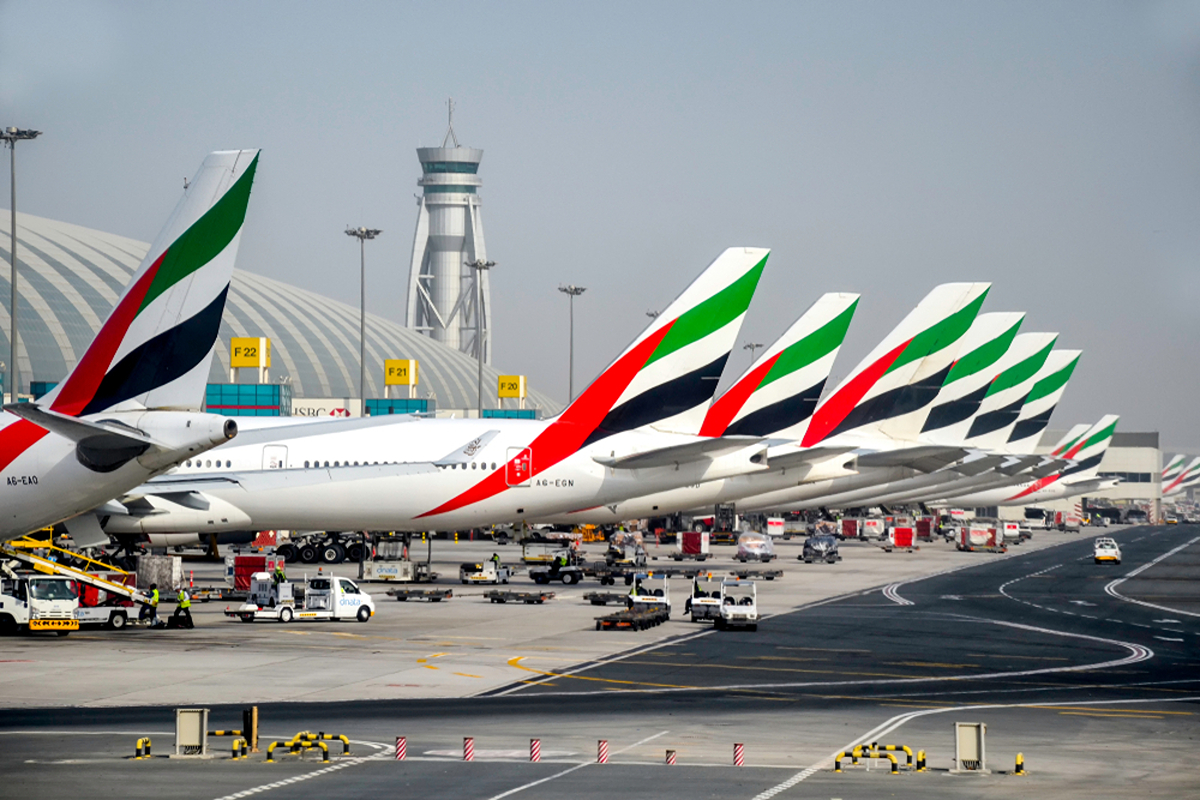
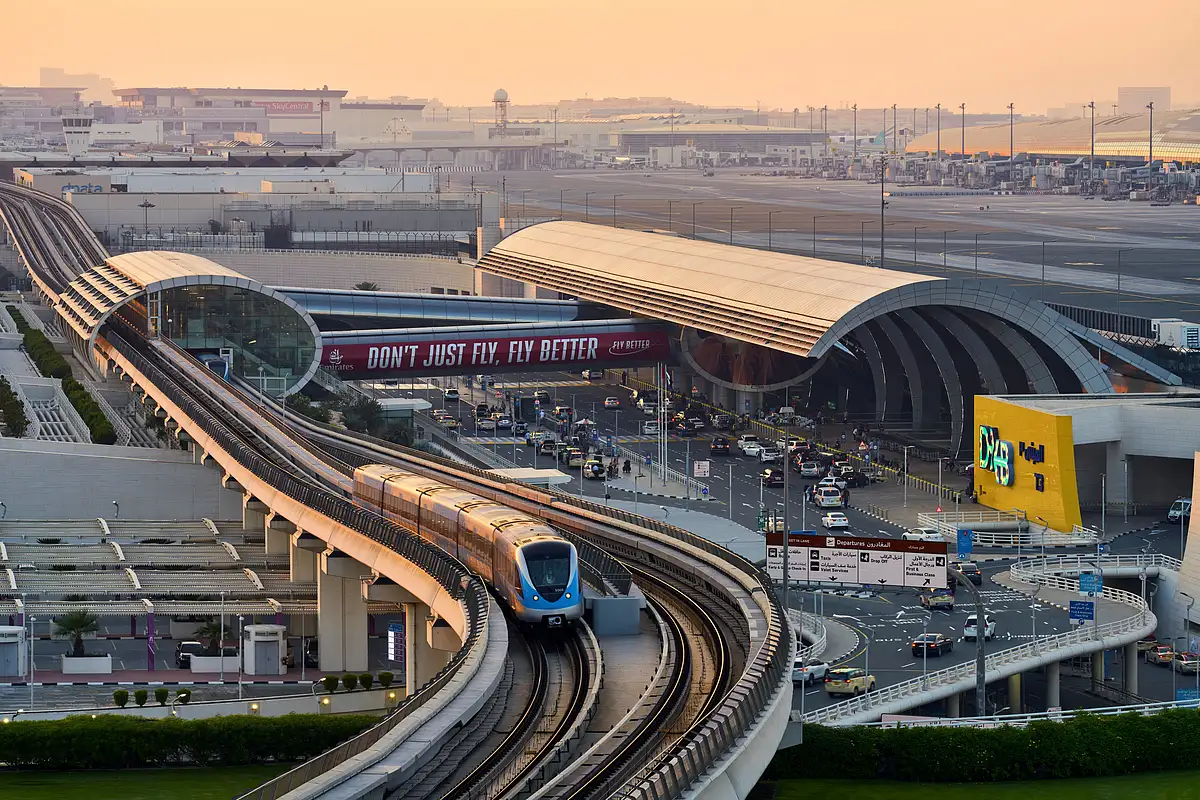
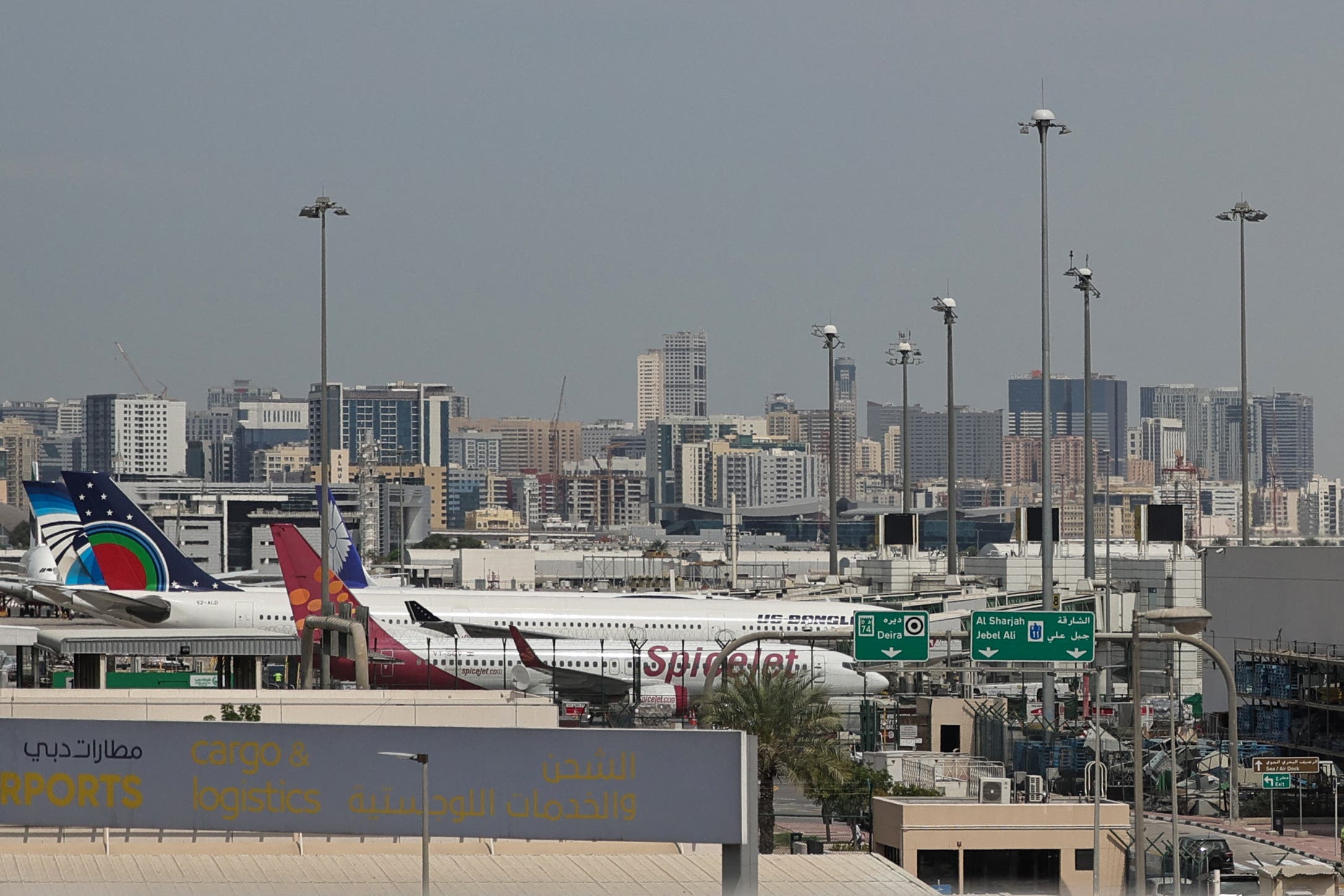
Dubai Airports said it is “moving decisively to scale up operations, increasing flight movements in line with available regional routing capacity.” The announcement came after the GCAA’s confirmation of normal air traffic, signaling the next phase of recovery for the region’s busiest aviation hub. CEO Paul Griffiths stated on Monday that Dubai International and Al Maktoum International airports will increase daily flight movements and enable airlines to progressively restore schedules. Capacity is now primarily aligned to the availability of regional flight paths outside the UAE, with “ongoing coordination to optimise flows across neighbouring airspace,” according to a statement.
Passenger Traffic Plunged During Conflict
Dubai International Airport, the world’s busiest international travel hub, recorded 18.6 million passengers in the first quarter of 2026, down 20.6% from 23.4 million a year earlier. The impact was most severe in March, when passenger traffic fell to 2.5 million, a 65.7% decline year-on-year. Despite the disruption, the airport continued to sustain global connectivity. Since February 28, Dubai’s airports have handled 6 million passengers, over 32,000 aircraft movements, and 213,000 tonnes of essential cargo as of April 30, according to the airport authority.
Carriers Halted Operations Amid Widespread Closures
The conflict forced UAE carriers Emirates and flydubai to temporarily halt all operations, while Etihad suspended all departures from Abu Dhabi. More than 11,000 flights in and out of the region were cancelled in the opening days, according to aviation data firm Cirium. The UAE initially declared a “temporary and partial” closure of its airspace in late February, before announcing a gradual reopening in March. The full restoration now follows a ceasefire agreement reached last month, which has begun to ease tensions and support a gradual normalization of aviation activity across the Middle East.
Outlook: Strong Demand but Gradual Recovery
Paul Griffiths emphasized that “demand for travel through Dubai remains strong,” and that DXB is well positioned to progressively increase capacity and support airlines and guests through a period of continued adjustment. Before the war broke out, DXB was expected to handle close to 100 million passengers this year, its operator said on February 11. The lifting of restrictions is a significant milestone for UAE hubs Dubai and Abu Dhabi, which have been operating under constraints since late February. The upheaval had restricted routes for long-haul flights between Europe and Asia, dealing a blow to a region striving to lessen its economic dependence on fossil fuels. With the ceasefire holding, the aviation sector now faces the challenge of rebuilding schedules and regaining passenger confidence.
The bottom line
- The GCAA lifted all airspace restrictions on May 2, 2026, after a ceasefire agreement eased regional tensions.
- Dubai International Airport saw a 65.7% drop in March passenger traffic year-on-year, but handled 6 million passengers since February 28.
- Dubai Airports is scaling up operations, with capacity aligned to available regional flight paths.
- More than 11,000 flights were cancelled regionally in the conflict's opening days; carriers Emirates, flydubai, and Etihad suspended operations.
- Before the conflict, DXB was on track for nearly 100 million passengers in 2026; recovery will be gradual.
- The UAE's airspace normalization is a key step in the broader Middle East aviation recovery.

UAE Lifts All Airspace Restrictions After Months of Regional Conflict

Etihad Airways to Deploy A380 on Abu Dhabi–Tokyo Route as Fleet Revival Accelerates
UAE to Witness Rare Blue Moon and Meteor Shower in May