UAE Accuses Iran of Missile and Drone Barrage on Fujairah
Attacks on eastern emirate's port and oil refinery injure three Indian nationals, escalating regional tensions.

UAE —
Key facts
- UAE accuses Iran of launching 12 ballistic missiles, 3 cruise missiles, and 4 drones on Monday.
- Attacks targeted the port and an oil refinery in Fujairah.
- Three Indian nationals were injured in the incident.
- An oil refinery at Fujairah Petroleum Industries Zone caught fire.
- Fujairah is a key oil export terminal and refuelling hub.
- The incident follows a previous drone approach from Iran on April 6.
- Iran blames "US military's adventurism" for the attacks.
Missile and Drone Assault on Fujairah
The United Arab Emirates has accused Iran of launching a significant missile and drone assault on the port and oil refinery facilities in the eastern emirate of Fujairah. The barrage, which occurred on Monday, resulted in injuries to three Indian nationals and ignited a fire at a crucial oil refinery within the Fujairah Petroleum Industries Zone. The UAE's Ministry of Defence confirmed its air defence systems had intercepted a substantial number of projectiles originating from Iran. The defence ministry stated that its forces engaged 12 ballistic missiles, three cruise missiles, and four drones. This accusation marks a serious escalation, potentially representing Iran's first direct attack on the UAE since the US-Iran ceasefire took effect on April 8. The incident has heightened concerns over regional stability and the security of vital energy infrastructure.
Fujairah's Strategic Importance Under Fire
Fujairah, situated on the Gulf of Oman, is a strategically vital location, lying approximately 70 nautical miles outside the Strait of Hormuz. Its port serves as a multipurpose deep-sea facility, a major global hub for ship refuelling, and a provider of general cargo, dry bulk, and container services. Crucially, it is also the terminus for the Habshan-Fujairah oil pipeline, also known as the Abu Dhabi Crude Oil Pipeline (ADCOP). This 380km pipeline, operational since 2012, has a capacity of about 1.5 million barrels of oil per day. Its significance has grown as it offers an alternative route for oil exports, bypassing the Strait of Hormuz. With oil exports from Fujairah reportedly rising to an average of 1.62 million barrels per day in March, up from 1.17 million in February, the port's security is paramount to global energy markets.
Escalating Tensions and Iranian Denials
The attacks on Fujairah come amidst heightened tensions surrounding the Strait of Hormuz, through which approximately 20 percent of the world's oil and liquefied natural gas supplies pass. Iran's threats to attack shipping have effectively kept the strait closed since February 28, following what Iranian state television described as "US military's adventurism." This closure has led to surging oil and fertiliser prices and fears of a global recession and food crisis. While the UAE has directly implicated Iran, Tehran has deflected blame, attributing the incidents to the actions of the US military. This divergence highlights the complex geopolitical dynamics at play, with accusations and counter-accusations potentially fuelling further instability in an already volatile region.
A Pattern of Incidents
Monday's extensive barrage is not the first time Fujairah has been the subject of an incident originating from Iran. On April 6, authorities in the emirate reported responding to an "incident" involving a drone that approached the building of the telecommunications company, du, from the direction of Iran. The specifics of whether the drone made impact and any potential consequences were not disclosed at the time, nor were any injuries reported. These repeated incidents underscore a pattern of escalating provocations. The targeting of Fujairah, a critical node in the global energy supply chain, suggests a deliberate strategy to exert pressure and disrupt maritime trade routes. The proximity of the attacks to the US's stated intention to escort ships through the Strait of Hormuz further amplifies the gravity of the situation.
Global Ramifications and Future Outlook
The closure of the Strait of Hormuz and potential attacks on energy infrastructure have sent shockwaves through global markets. Surging prices for oil and fertilisers raise the specter of a worldwide recession and a deepening food crisis, particularly impacting import-dependent nations. The attacks on Fujairah, if confirmed to be of Iranian origin, would represent a significant escalation, potentially drawing further international condemnation and response. The coming days will be crucial in determining the trajectory of this crisis. Diplomatic efforts, alongside military posturing, will likely intensify as nations assess the implications of these attacks. The resilience of alternative shipping routes, such as the Habshan-Fujairah pipeline, will be tested, and the global community will be watching closely to see how Iran and the international coalition respond to this direct challenge.
The bottom line
- intercepting a significant missile and drone attack from Iran targeting Fujairah's port and oil refinery.
- Three Indian nationals were injured, and a refinery caught fire, marking a serious escalation in regional tensions.
- Fujairah's port is a vital energy hub and a key alternative to the Strait of Hormuz, which remains effectively closed.
- Iran denies responsibility, blaming "US military's adventurism" for the incidents.
- The attacks follow a previous drone incident near Fujairah on April 6.
- The disruption to shipping and energy supplies risks global economic instability and a food crisis.



Pakistan Dominates Bangladesh in Cricket Test Series Opener

Emirates Awards 20-Week Bonus After Record Profit Amidst Regional Disruption
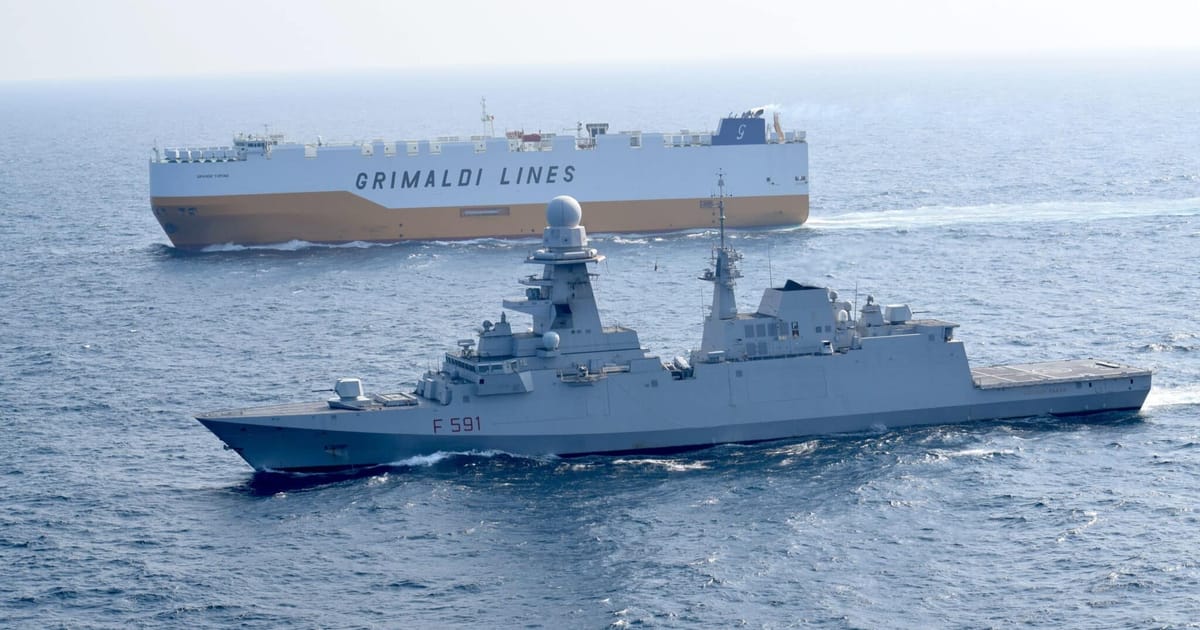
Iranian Drone Strike Sets UAE Oil Refinery Ablaze, Injures Three
