UAE Schools Poised to Reopen After Regional Tensions Stabilize
Authorities weigh return to in-person learning on May 11 following a week of remote instruction amid safety alerts.

UAE —
Key facts
- UAE schools were scheduled to potentially reopen for in-person classes on Monday, May 11.
- A week of remote learning was implemented following regional security incidents.
- On May 4, UAE air defence systems responded to multiple aerial threats, including ballistic missiles and drones.
- Schools switched to distance learning from May 5 to May 8 as a precautionary measure.
- Diplomatic talks aimed at de-escalation are reportedly ongoing.
- Schools have implemented digital supervision for remote examinations.
- International exams like IGCSEs and A-Levels were previously cancelled due to regional disruptions.
A Return to Classrooms Hangs in the Balance
Families across the United Arab Emirates await official confirmation on whether schools will resume in-person classes on Monday, May 11. The potential reopening follows a week of mandated distance learning, a measure enacted after a series of regional security incidents and safety alerts prompted a precautionary shift away from campuses. While no definitive statement had been issued by the Ministry of Education at the time of reporting, indications suggest a return to physical classrooms is increasingly probable as the situation appears to stabilize. The decision to transition all educational institutions to remote learning was a direct consequence of heightened regional tensions earlier in May. On Monday, May 4, residents received emergency alerts as air defence systems intercepted multiple aerial threats, including ballistic missiles, cruise missiles, and unmanned aerial vehicles. This prompted authorities to swiftly move all schools to distance learning from Tuesday, May 5, through Friday, May 8, prioritizing the safety and well-being of students and staff. While further alerts were issued on Tuesday, the frequency and intensity of incidents have notably decreased in the subsequent days. This stabilization, coupled with ongoing international diplomatic efforts aimed at de-escalation, forms the basis for the anticipated return to normalcy. The UAE has historically demonstrated a capacity to resume normal operations swiftly once immediate risks are assessed and managed, a pattern that may repeat should diplomatic progress continue over the weekend.
Navigating High-Stakes Exams Remotely
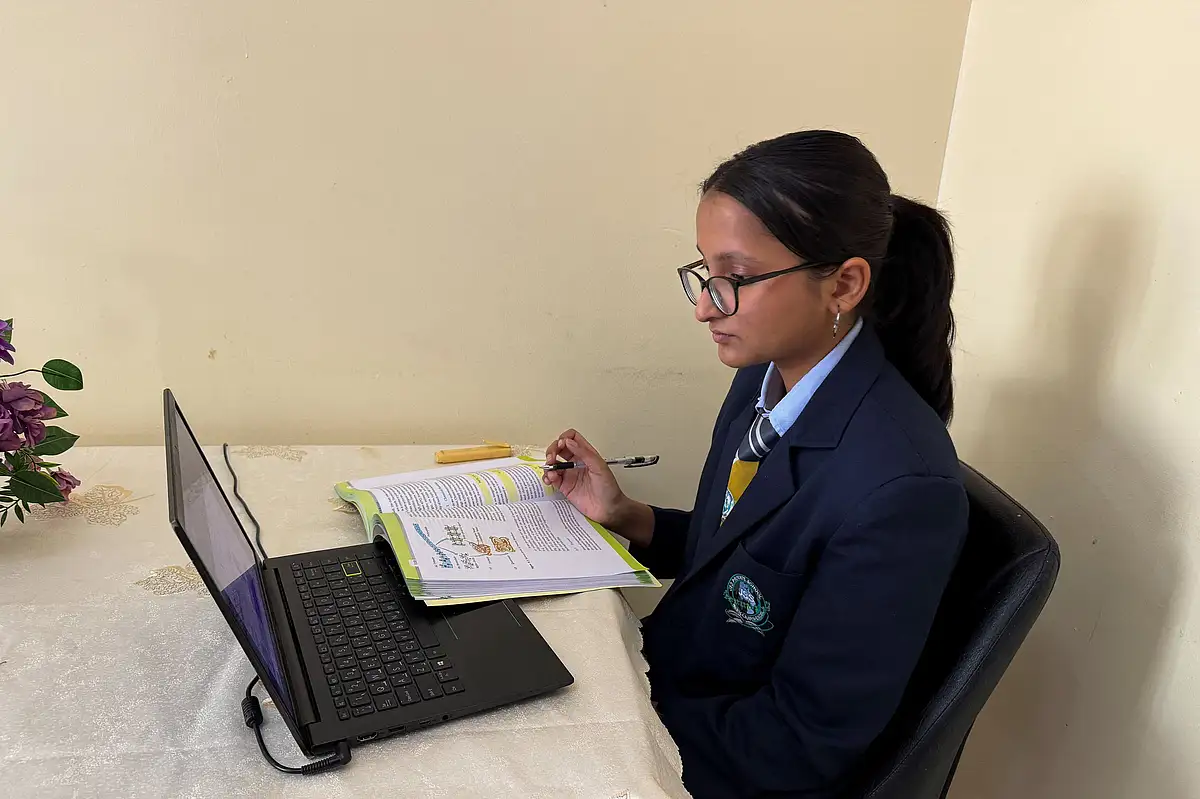
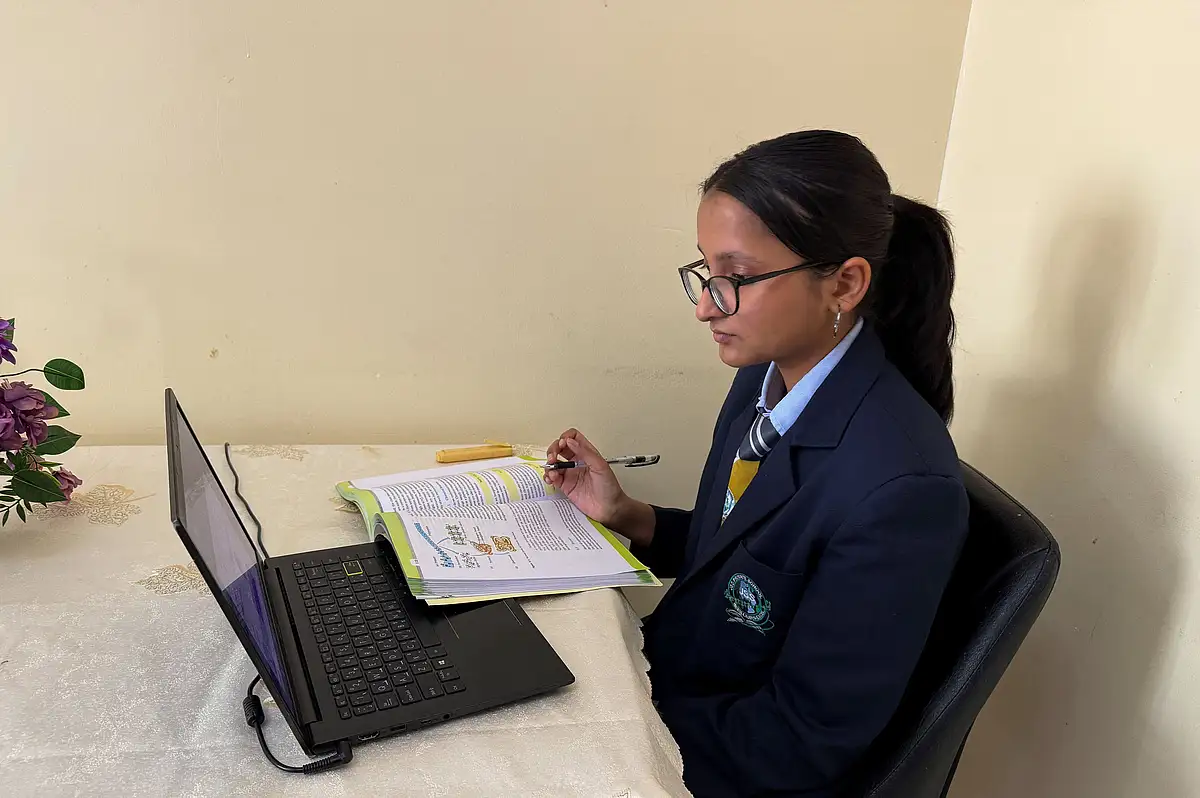
The sudden pivot to distance learning presented significant challenges, particularly for senior students facing high-stakes examinations. With external board exams such as IGCSEs and A-Levels having been previously cancelled due to regional disruptions, schools have been stepping in to conduct internal assessments to build student portfolios for external boards. These assessments, crucial for grade improvement after earlier mock exams, are now being administered online under strict digital supervision. Maintaining the integrity of these remote examinations has been a paramount concern for educational institutions. Students are required to keep their cameras on at all times, with the view encompassing their faces, hands, and writing surfaces. Teachers can initiate random room scans via laptops, and the entire session is meticulously recorded. Strict protocols prohibit the presence of headphones or mobile phones near students during these assessments. Schools have emphasized their robust online assessment policies and existing familiarity with digital platforms like Exam.net, which have facilitated a smoother transition. This preparedness, along with comprehensive training for both staff and students, has been instrumental in minimizing malpractice and ensuring the validity of outcomes submitted to external exam boards. The swift and largely seamless shift for Year 11 and Year 13 A-level students underscores the effectiveness of early planning and established systems in maintaining academic standards.
A Precautionary Shift Amidst Renewed Attacks
The directive for nurseries, schools, and universities to temporarily shut and switch to distance learning was issued as a safety measure following renewed Iranian attacks on the region. The Ministry of Education mandated this remote learning period for all educational personnel and students across public and private institutions, stating that the situation would be continuously reassessed. A similar directive from the Ministry of Higher Education and Scientific Research applied to universities, with specific exemptions for priority academic programs requiring clinical training, laboratory use, or direct practical application. These measures were enacted after UAE air defence systems intercepted four cruise missiles launched by Iran on a Monday, marking the first such attacks in weeks. The Ministry of Defence confirmed the interception of three missiles over territorial waters, with the fourth falling into the sea. The incidents were not without consequence; a drone attack resulted in injuries to three Indian citizens at the Fujairah Oil Industry Zone, necessitating hospital treatment. The UAE's Ministry of Foreign Affairs condemned these actions as an "unacceptable transgression" and a violation of international law and the UN Charter. This was not the first instance of the education sector shifting to remote learning. The government had previously mandated a similar transition at the beginning of March, coinciding with the start of the Iran war. Schools and nurseries had only recently reopened their doors on April 20, implementing stringent safety protocols. The cumulative disruption from the conflict has led to the cancellation of key GCSE and A-Level summer exams, forcing schools to rely on portfolios, coursework submissions, and teacher-predicted grades to ensure students receive fair results reflecting their academic efforts.
Diplomacy and Infrastructure: Factors for Reopening
The potential reopening of UAE schools hinges on several critical factors, not least the ongoing international diplomatic efforts to de-escalate regional tensions. Behind the scenes, negotiations involving the United States and regional actors are reportedly progressing, with renewed pressure for stability in the maritime domain. While the political implications are significant, the practical impact on reopening campuses is substantial: continued positive movement in diplomatic talks over the weekend could bolster authorities' confidence in ensuring a safe return to in-person learning. Authorities have consistently emphasized the operational readiness and effectiveness of the UAE's security infrastructure. Air defence systems have been confirmed as fully operational, and the country's security apparatus is functioning as intended. This underlying assurance of security is crucial for building confidence among parents, staff, and students. The UAE's historical tendency to resume normal operations swiftly once immediate risks are mitigated further supports the likelihood of a return to classrooms if conditions permit. However, the situation remains fluid. Should tensions escalate again, particularly with new alerts or intensified regional activity, authorities retain the option to extend distance learning. The UAE's approach has consistently prioritized caution and preparedness throughout this period of insecurity. Even with improving conditions, officials will be focused on ensuring that all members of the educational community feel secure and confident when returning to school premises.
Exam Integrity in a Digital Age
The transition to distance learning necessitated a robust approach to maintaining the credibility of academic assessments. Schools have deployed a range of digital tools and stringent protocols to ensure that remote examinations are conducted with the same level of integrity as their in-person counterparts. This has involved leveraging existing platforms and developing new strategies to mitigate the risks associated with remote assessment. Platforms such as Exam.net have proven invaluable, providing a familiar environment for both students and educators. The prior training and established familiarity with these systems have allowed for a swift and effective transition, minimizing disruption to the academic calendar. This technological infrastructure is complemented by comprehensive online assessment policies designed to uphold standards and prevent malpractice. The success of these measures relies on clear communication and consistent enforcement of rules. Students understand the requirements for maintaining focus and adhering to examination conditions, while schools are committed to ensuring that the outcomes of these remote assessments accurately reflect student abilities and efforts. This dual focus on technological capability and policy enforcement is key to navigating the complexities of education in a period of uncertainty.
The bottom line
- UAE schools were set to consider reopening on May 11 after a week of remote learning due to regional security alerts.
- The decision to close schools was a precautionary measure following interceptions of ballistic missiles, cruise missiles, and drones on May 4.
- Schools have adapted to remote learning by implementing strict digital supervision for high-stakes examinations.
- International diplomatic talks are seen as a key factor influencing the authorities' decision on reopening campuses.
- The UAE has a history of quickly resuming normal operations once immediate threats are assessed as controlled.
- Educational institutions previously shifted to remote learning in March due to the Iran conflict and had only recently reopened.


Pakistan Dominates Bangladesh in Cricket Test Series Opener
Emirates Awards 20-Week Bonus After Record Profit Amidst Regional Disruption

Iranian Drone Strike Sets UAE Oil Refinery Ablaze, Injures Three
