US KC-135 Stratotanker Declares Emergency Over Persian Gulf, Vanishes from Radar
A Boeing KC-135R aerial refueling aircraft squawked 7700 over the Strait of Hormuz before its transponder signal was lost near Qatar, triggering a search operation amid heightened Middle East tensions.
AUSTRALIA —
Key facts
- The KC-135R Stratotanker issued a 7700 distress signal over the Persian Gulf near Iran on May 5, 2025.
- The aircraft took off from Al Dhafra Air Base in the UAE and lost its transponder signal over Qatar.
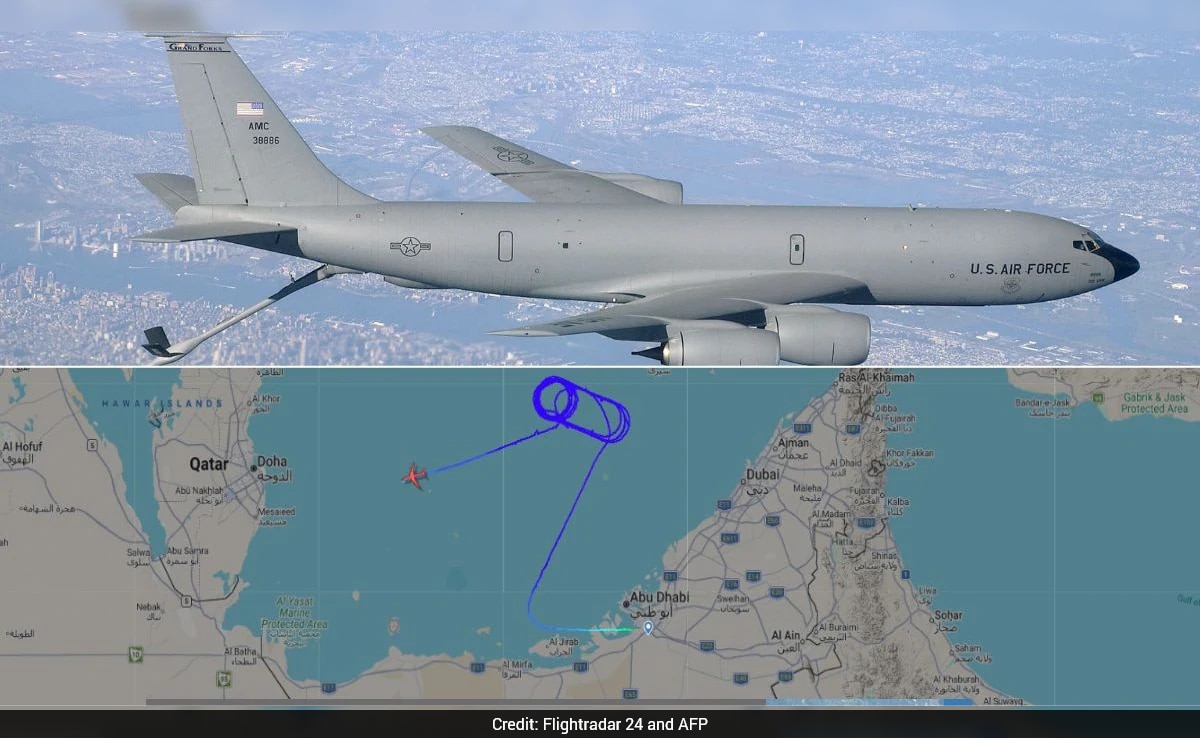
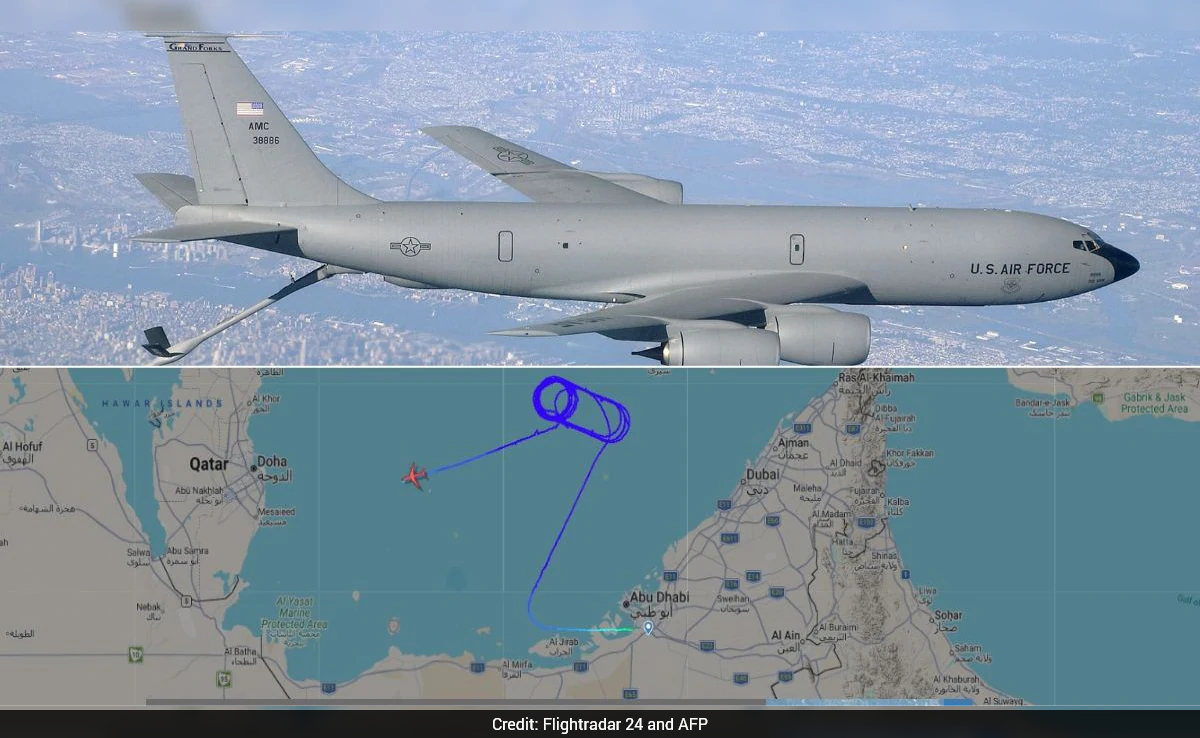
- Flight tracking data showed the plane flew in a circular pattern before beginning its descent for landing.
- H125 light utility helicopters were observed departing Al Udeid Air Base after the signal loss.
- The KC-135 has been in US Air Force service for over 60 years, based on the Boeing 367-80 design.
- In March 2025, a US KC-135 was lost in an Iranian attack in western Iraq, claimed by Iran-backed groups.
Distress Signal Over the Strait of Hormuz
A US Air Force KC-135R Stratotanker declared an in-flight emergency on Tuesday, squawking the internationally recognized 7700 transponder code while operating over the Persian Gulf near Iran. The aircraft, a Boeing-built aerial refueling tanker known as a "flying gas station," was conducting refueling operations in support of ongoing military missions when the distress signal was transmitted. Flight tracking data from Flightradar24 indicates the plane had been airborne for hours before the emergency code was issued. It then flew in a circular pattern and began a descent, altering course toward Qatar. Roughly an hour after the 7700 squawk, the aircraft's transponder signal was lost entirely, prompting concern among regional observers.
Emergency Code and Loss of Signal
The 7700 squawk is a universal emergency signal that can be triggered by a range of situations, including mechanical failure, onboard fire, medical emergency, or external threat. The exact cause of the emergency remains unclear, and no official link to hostile action has been confirmed. Following the loss of the transponder signal, H125 light utility helicopters were observed in the area, possibly departing from Al Udeid Air Base in Qatar. The loss of a transponder signal does not automatically confirm a crash, as military aircraft can intentionally disable transponders for operational or security reasons. However, the combination of a 7700 emergency code followed by signal disappearance raises the possibility of a serious incident.
No Official Statements from US or Iran
The US military has not issued any statement on the status of the aircraft or its crew. on the disappearance, citing Flightradar24 data, but Tehran has not indicated any involvement in the emergency. This incident occurs against a backdrop of heightened tensions in the region. In March 2025, the US military lost a KC-135 in an Iranian attack in western Iraq. The Islamic Resistance in Iraq, an umbrella group of Iran-backed armed factions, claimed responsibility for that attack, stating it shot down the aircraft "in defence of our country's sovereignty and airspace."
The KC-135 Stratotanker: A Critical Asset
The KC-135 Stratotanker is a four-engine military aircraft used primarily for aerial refueling. It has a cargo deck above the refueling system, allowing it to carry both passengers and equipment. The aircraft enables fighter jets, bombers, and other military planes to stay airborne longer and travel greater distances, and it also supports aircraft from the US Navy, Marine Corps, and allied nations. Based on Boeing's 367-80 design, which also led to the commercial Boeing 707, the KC-135 has been a cornerstone of US Air Force operations for more than 60 years. Hundreds of these aircraft remain in service with the US Air Force, Air National Guard, and Air Force Reserve.
Open Questions and Regional Implications
The disappearance of the KC-135 raises urgent questions about the safety of US military aircraft operating near Iran's airspace. The Strait of Hormuz is a strategically vital waterway, and any incident there can quickly escalate into a broader confrontation. Investigators will be examining whether the emergency was caused by mechanical failure, pilot error, or external interference. The presence of GPS jamming and spoofing in the area has been reported, though its relevance to this incident is not yet known. Until official confirmation arrives, the fate of the aircraft and its crew remains uncertain, and the region watches closely for any developments.
The bottom line
- A US Air Force KC-135R Stratotanker declared an emergency over the Strait of Hormuz and then vanished from radar on May 5, 2025.
- The aircraft squawked 7700 and was seen descending toward Qatar before its transponder signal was lost.
- No official statements have been released by the US military or Iran regarding the incident.
- The KC-135 is a critical aerial refueling asset that has been in service for over 60 years.
- This incident follows a previous KC-135 loss in Iraq in March 2025, attributed to Iran-backed groups.
- The combination of distress signal and signal loss suggests a serious incident, but a crash has not been confirmed.




UAE intercepts Iranian missiles as fire engulfs Fujairah oil facility

Sharks run riot as Tigers suffer 52-10 humiliation after Luai's bombshell departure announcement

Trump downplays oil spike as Iran ceasefire teeters after Hormuz clashes