In Tehran, a couple's fear of a vengeful Islamic Republic endures after war and ceasefire
Sana and Diako, speaking on condition of anonymity, describe a regime that has only tightened its grip, leaving them 'gutted' that the hardliners 'won this war'.
AUSTRALIA —
Key facts
- Sana and Diako, a middle-class educated couple in Tehran, spoke to the BBC on condition of anonymity.
- The faces of assassinated leaders and new rulers dominate public spaces in Iran.
- Protests, a war, and a ceasefire have not weakened the Islamic Republic.
- Sana was 'overjoyed' when key figures were targeted early in the US-Israeli attacks.
- The loss of Supreme Leader Ayatollah Ali Khamenei did not usher in a more amenable regime, Sana realized.
- Sana says the country has 'fallen into the hands of the Revolutionary Guards'.
- Diako wants to believe life will change; Sana says 'everything got worse'.
A regime that endures, and a mood of vengeance
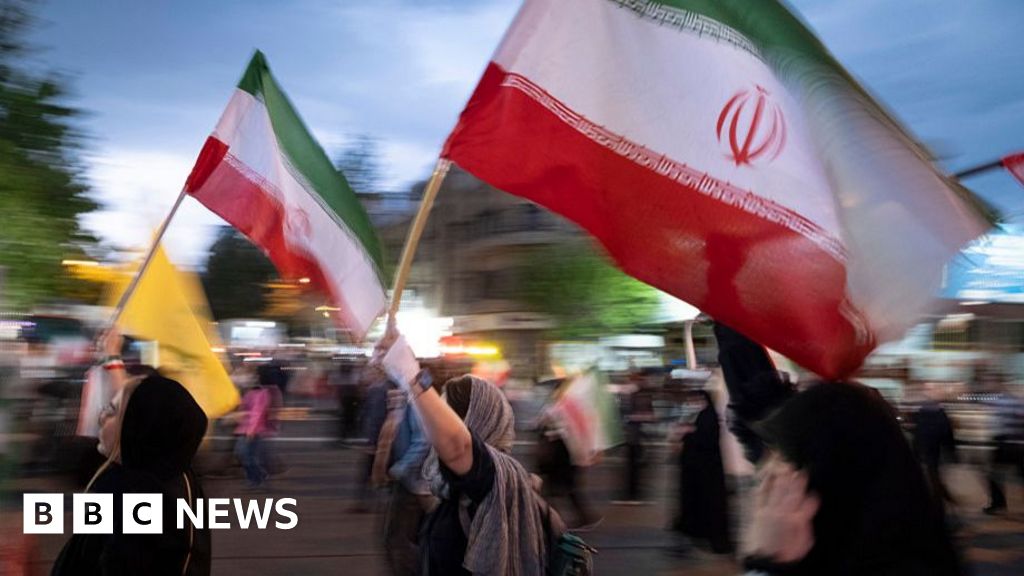
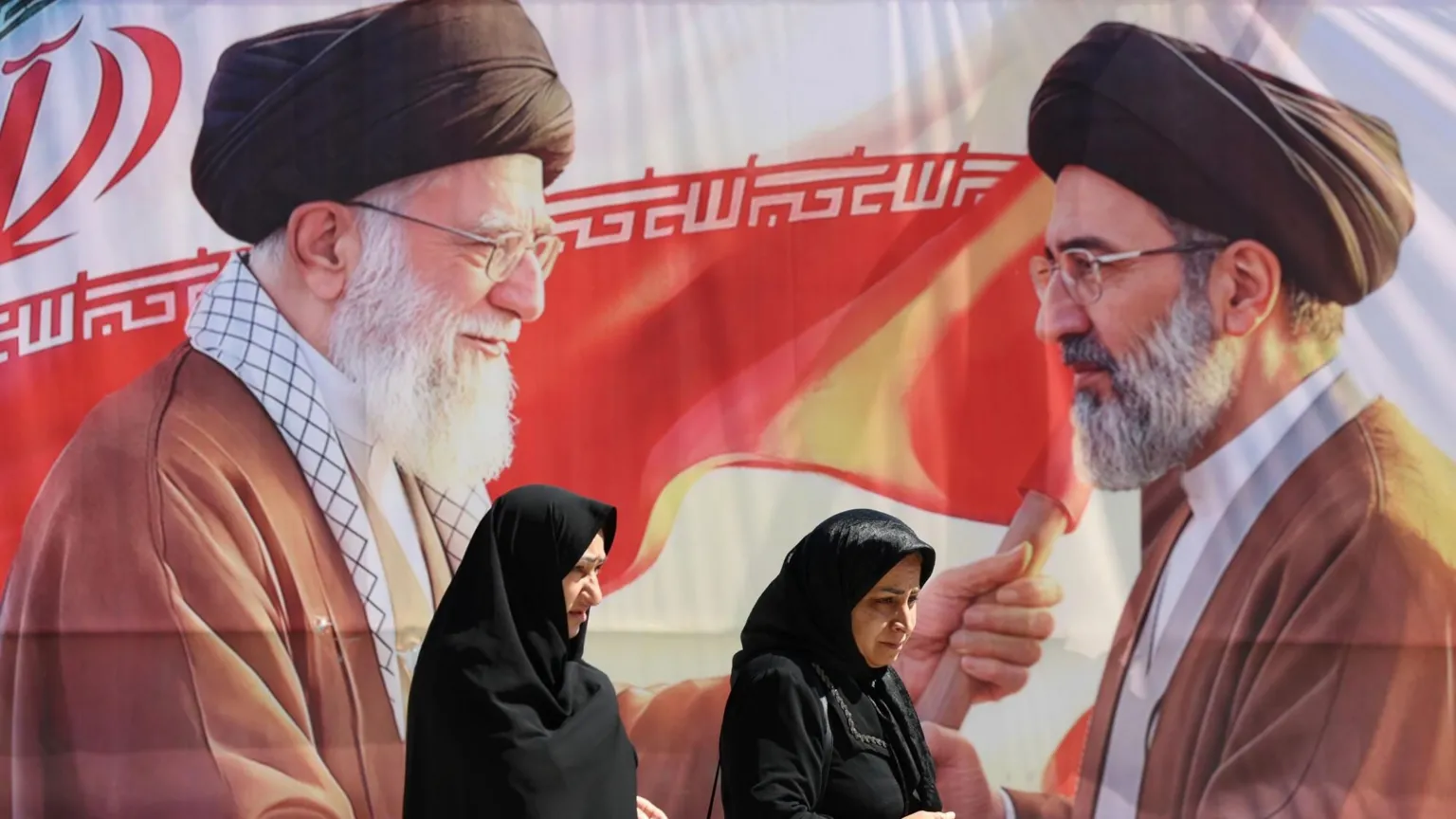
The faces of assassinated leaders and their replacements are inescapable in Iran — on streets, in cars, on television screens. Protests have flared and subsided. A war was fought, then a ceasefire took hold. Yet the Islamic Republic has not only survived;.country, it is now more deeply embedded than before and in a vengeful mood. For Sana and Diako — not their real names — a young, middle-class, educated couple living in Tehran, the reality is stark. They represent the kind of citizens who long for an end to hardline religious rule, but their hopes have been dashed.
A war that changed everything, but not as hoped
Diako wants to believe that life will improve. 'Things will change,' he says. 'It's already changed.' Sana disagrees sharply. 'Changed? It's fallen into the hands of the Revolutionary Guards. The country is a mess.' Her emotions have shifted dramatically since the United States and Israel attacked Iran. 'At the beginning, I did not want the war to happen,' she said. 'Through the middle of the war, as long as they were targeting key figures, I was genuinely overjoyed with every one of their deaths.' But as the conflict dragged on, she came to a grim realization, one that also dawned on the Trump White House: the loss of Supreme Leader Ayatollah Ali Khamenei and other senior figures did not bring a new, more compromising regime.
'So many of their people are still standing'
Sana's optimism curdled into despair. 'So many of their people are still standing. What I had imagined did not come true. Everything got worse. And we are left with the Islamic Republic. I am gutted that they won this war.' Her words reflect a broader sentiment among Iranians who had hoped that the war would break the regime's grip. The couple met the BBC's assisting journalist near a park where families were walking with their children, making the most of the ceasefire. Even in that brief moment of respite, the fear of what comes next was palpable.
The cost of speaking out
To tell Sana and Diako's story, many details that would give a sense of their characters and lives must be omitted. Such specifics, they explained, could be used by the regime to track anyone who dares speak freely to foreign media. The precaution underscores the climate of surveillance and repression that has only intensified. In Tehran, money is scarce, and the threat of a return to war hangs over daily life. The psychological toll on the population, especially children, is severe — even if the fighting stops, the damage endures.
What comes next for a gutted population
The ceasefire has brought a pause in hostilities, but for many Iranians, the internal war against dissent continues. The regime, far from being weakened, appears to have consolidated power. Sana's final verdict — 'I am gutted that they won this war' — captures the sense of defeat among those who had pinned their hopes on external intervention. Whether the Islamic Republic will now intensify its crackdown, as many fear, remains an open question. But for Sana and Diako, and countless others like them, the immediate future looks bleak: a regime more entrenched than ever, and a population left to navigate a landscape of repression and uncertainty.
The bottom line
- The Islamic Republic has not been weakened by protests, war, or the loss of senior leaders; it is more deeply embedded and vengeful.
- Middle-class, educated Iranians like Sana and Diako hoped the war would end hardline rule, but instead feel the regime has tightened its grip.
- Sana was initially overjoyed at the killing of key figures, but realized the regime's structure survived the decapitation strikes.
- Fear of surveillance forces Iranians who speak to foreign media to conceal personal details that could be used to track them.
- The psychological and economic toll of war and repression continues, even under a ceasefire, with children particularly affected.
UAE intercepts Iranian missiles as fire engulfs Fujairah oil facility

Sharks run riot as Tigers suffer 52-10 humiliation after Luai's bombshell departure announcement

Trump downplays oil spike as Iran ceasefire teeters after Hormuz clashes