Trump Shifts Tone on Iran Deal, Raising War Concerns
US President's conflicting statements on a potential peace accord inject fresh uncertainty into Gulf conflict.
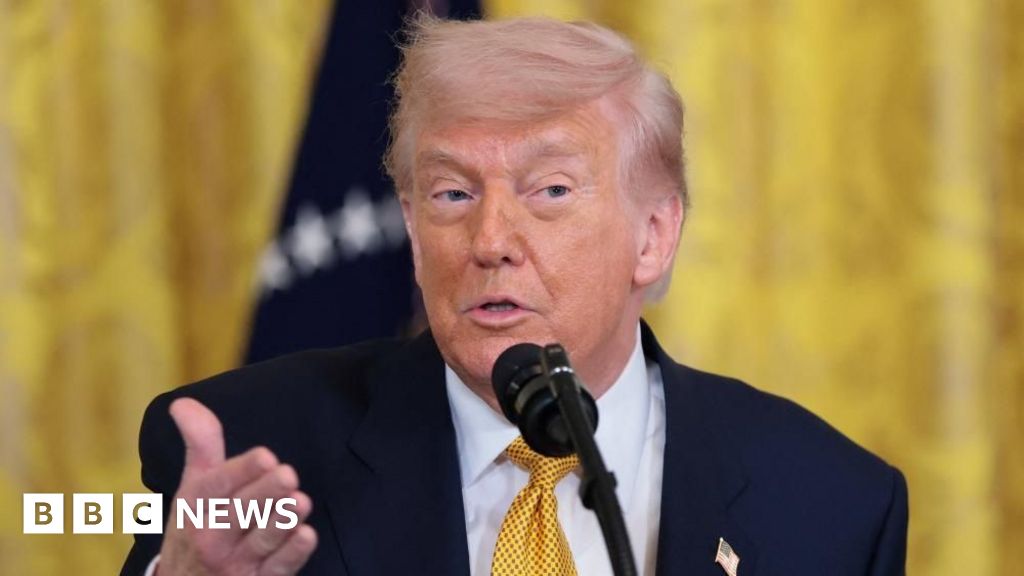
AUSTRALIA —
Key facts
- Donald Trump paused "Project Freedom" to guide ships through the Strait of Hormuz.
- US media cited officials saying a one-page memorandum to end the war was nearing finalization.
- US Secretary of State Marco Rubio stated Operation Epic Fury, strikes on Iran, was over.
- Trump later described an Iran deal as a "big assumption" and threatened renewed bombing.
- Iran's parliamentarian 14 points a "wish list".
- Peace talks were reportedly being considered for a second round in Islamabad, Pakistan.
- The proposed agreement aims to end hostilities, unblock the Strait of Hormuz, lift sanctions, and curb Iran's nuclear ambitions.
Momentum for Peace Falters Amid Conflicting Signals
Signs of a potential breakthrough in the protracted Gulf war emerged this week, buoyed by President Donald Trump's announcement of a pause on "Project Freedom," an initiative aimed at guiding ships through the Strait of Hormuz. Trump initially suggested progress had been made towards a "Complete and Final Agreement" with Iran, a statement that offered a brief respite to volatile oil markets and ignited hopes for a swift resolution. However, this optimism was quickly tempered by the US president himself, whose subsequent remarks introduced a significant note of caution. Iran confirmed it was reviewing a new proposal from Washington, a development that had been amplified by unnamed suggesting the two sides were on the cusp of finalizing a one-page memorandum intended to formally end the conflict. A source close to mediators in Pakistan, speaking to a news agency, had expressed confidence that an agreement was imminent, stating, "We will close this very soon." This sentiment underscored the prevailing belief that a diplomatic resolution was within reach, a stark contrast to the escalating tensions that had defined the war.
Trump's About-Face on 'Project Freedom'
The initial hopeful pronouncements from the White House began to unravel on Wednesday morning. Hours after posting on his social media platform that he was suspending "Project Freedom" to assess the finalization of an agreement, President Trump abruptly altered his stance. He declared that an Iran deal was a "big assumption" and issued a stark warning: if an agreement was not reached, bombing would resume at "a much higher level and intensity than it was before." This threat came less than 24 hours after US Secretary of State Marco Rubio had announced at the White House that "Operation Epic Fury," the American-led military strikes against Iran, had concluded. Later that same day, during a brief telephone interview, Trump reiterated a degree of optimism regarding an Iran deal, while simultaneously acknowledging the historical difficulty in achieving such an accord. The conflicting messages created an atmosphere of uncertainty, leaving observers to question the true state of diplomatic progress.
The Elusive Memorandum and Diplomatic Maneuvers
Reports from news outlets indicated that Washington and Tehran were indeed moving closer to a specific, albeit brief, document: a one-page, 14-point memorandum designed to bring the hostilities to a definitive end. This proposed agreement, if realized, would then pave the way for subsequent discussions on critical issues such as unblocking the Strait of Hormuz, lifting international sanctions imposed on Iran, and addressing its nuclear program. However, the path to this agreement was fraught with skepticism, even among some US officials who questioned the feasibility of a deal and the internal consensus within Iran's leadership required for its approval. The complexities of Iranian politics, with its various factions, presented a significant hurdle to any comprehensive settlement. President Trump also indicated to a news outlet that he considered it "unlikely" that US envoys would participate in a second round of peace talks, which had been tentatively scheduled to take place in Islamabad, Pakistan. This statement further complicated the diplomatic landscape, suggesting a potential withdrawal from direct engagement at a crucial juncture.
Iran's Stance: A 'Wish List' or a Trigger Ready?
From the Iranian side, the reported 14 points of the proposed memorandum were characterized as little more than a "wish list" by Ebrahim Rezaei, a parliamentarian and spokesperson for Iran's National Security and Foreign Policy Commission. Writing on a social media platform, Rezaei articulated a firm position from Tehran. He asserted that Iran maintained a readiness to escalate its military posture, stating, "has its finger on the trigger and is ready." This declaration was contingent on the Americans failing to "grant the necessary concessions," indicating that Iran expected significant compromises from Washington to move forward. The stark divergence in perspectives between the US and Iran underscored the deep-seated mistrust and the significant gap in negotiating positions, even as a potential end to the war seemed within grasp. The success of any agreement hinged on bridging these fundamental differences and securing buy-in from all parties involved.
Operation Epic Fury Concludes, But War's Shadow Lingers
The formal conclusion of "Operation Epic Fury," the military campaign led by the United States, marked a significant moment, signaling a shift from active combat to diplomatic engagement. Secretary of State Marco Rubio's announcement had offered a clear indication that the US was seeking de-escalation and a pathway toward peace. This military operation, characterized by strikes on Iranian targets, had been a central element of the US strategy in the conflict. Its cessation was intended to create space for negotiations and reduce the immediate threat of further bloodshed. Yet, the lingering threat of renewed and intensified bombing, as articulated by President Trump, cast a long shadow over these developments. It highlighted the precarious nature of the peace process and the potential for a rapid return to hostilities should diplomatic efforts falter.
The Stakes: Oil Markets, Sanctions, and Nuclear Ambitions
The implications of a resolution, or a continued conflict, extend far beyond the immediate theater of war. A successful peace agreement would not only bring an end to the fighting but also address critical global economic and security concerns. The unblocking of the Strait of Hormuz, a vital artery for global oil supply, would be a significant development for international markets. Furthermore, the lifting of sanctions on Iran and the curbing of its nuclear ambitions are central pillars of the proposed accord. These issues have been at the forefront of international diplomacy for years, and their resolution would represent a major geopolitical shift. The potential for renewed conflict, however, carries the risk of further disrupting global energy supplies, exacerbating regional instability, and potentially leading to a wider conflagration. The economic consequences of such an escalation could be severe, impacting economies worldwide.
An Uncertain Path Forward
The coming days will be crucial in determining the trajectory of the Gulf conflict. The conflicting statements from the US president have introduced a significant degree of uncertainty, making it difficult to gauge the true likelihood of a lasting peace. Iran's firm stance, coupled with internal US skepticism, suggests that the path to a comprehensive agreement remains arduous. Whether the current momentum can be salvaged or if the conflict will revert to a higher intensity of hostilities depends on the ability of both sides to bridge their differences and make the necessary concessions. The world watches with bated breath as the delicate diplomatic dance continues, with the potential for both unprecedented peace and renewed devastation hanging in the balance.
The bottom line
- President Trump's contradictory statements have created uncertainty regarding a potential peace deal with Iran.
- A one-page memorandum aimed at ending the Gulf war was reportedly nearing finalization, with Iran reviewing a US proposal.
- The proposed deal includes ending hostilities, unblocking the Strait of Hormuz, lifting sanctions, and curbing Iran's nuclear program.
- Iran has expressed skepticism about the US proposal, calling it a 'wish list' and threatening readiness for escalation.
- The US military strikes, 'Operation Epic Fury,' have concluded, but the threat of renewed bombing remains.
- The resolution of the conflict has significant implications for global oil markets, sanctions, and nuclear non-proliferation.




Pentagon Chief Insists Iran Ceasefire Holds as Hormuz Exchanges Test Truce
UAE intercepts Iranian missiles as fire engulfs Fujairah oil facility

Wemby's Blocks Under Scrutiny as Timberwolves Coach Cries Goaltend
