Pentagon Chief Insists Iran Ceasefire Holds as Hormuz Exchanges Test Truce
US Defense Secretary Pete Hegseth denies Iran controls the Strait of Hormuz after both sides trade fire, while General Dan Caine accuses Tehran of ten ceasefire violations.
AUSTRALIA —
Key facts
- US Defense Secretary Pete Hegseth says ceasefire with Iran 'is not over' despite Monday's exchanges in the Gulf.
- Iranian drones and missiles targeted commercial and US navy vessels, as well as sites in the United Arab Emirates.
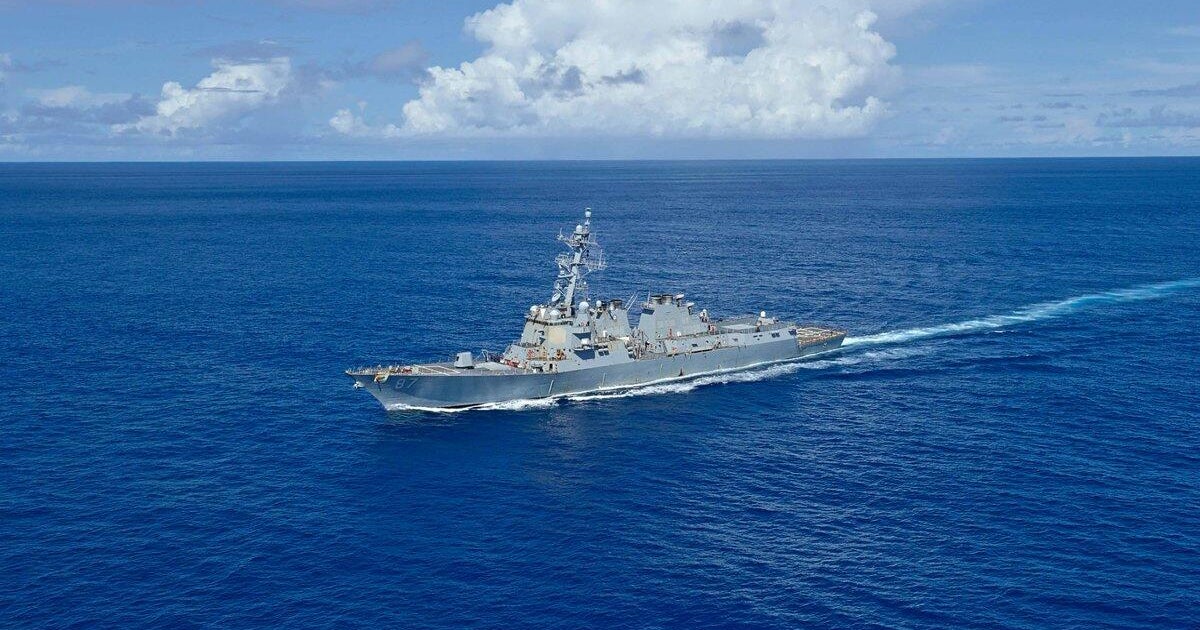
- US forces destroyed six Iranian small boats in response to the attacks.
- General Dan Caine accused Iran of firing at commercial vessels nine times and seizing two container ships since the ceasefire began.
- An oil port in the UAE, hosting a large US military base, was set ablaze by Iranian missiles.
- The Reserve Bank of Australia raised interest rates by 25 basis points to 4.35% on Tuesday, partly due to war-related economic ripples.
- Iran has declared it will now shoot US forces on sight, raising the risk of direct confrontation.
Ceasefire Under Strain After Hormuz Firefight
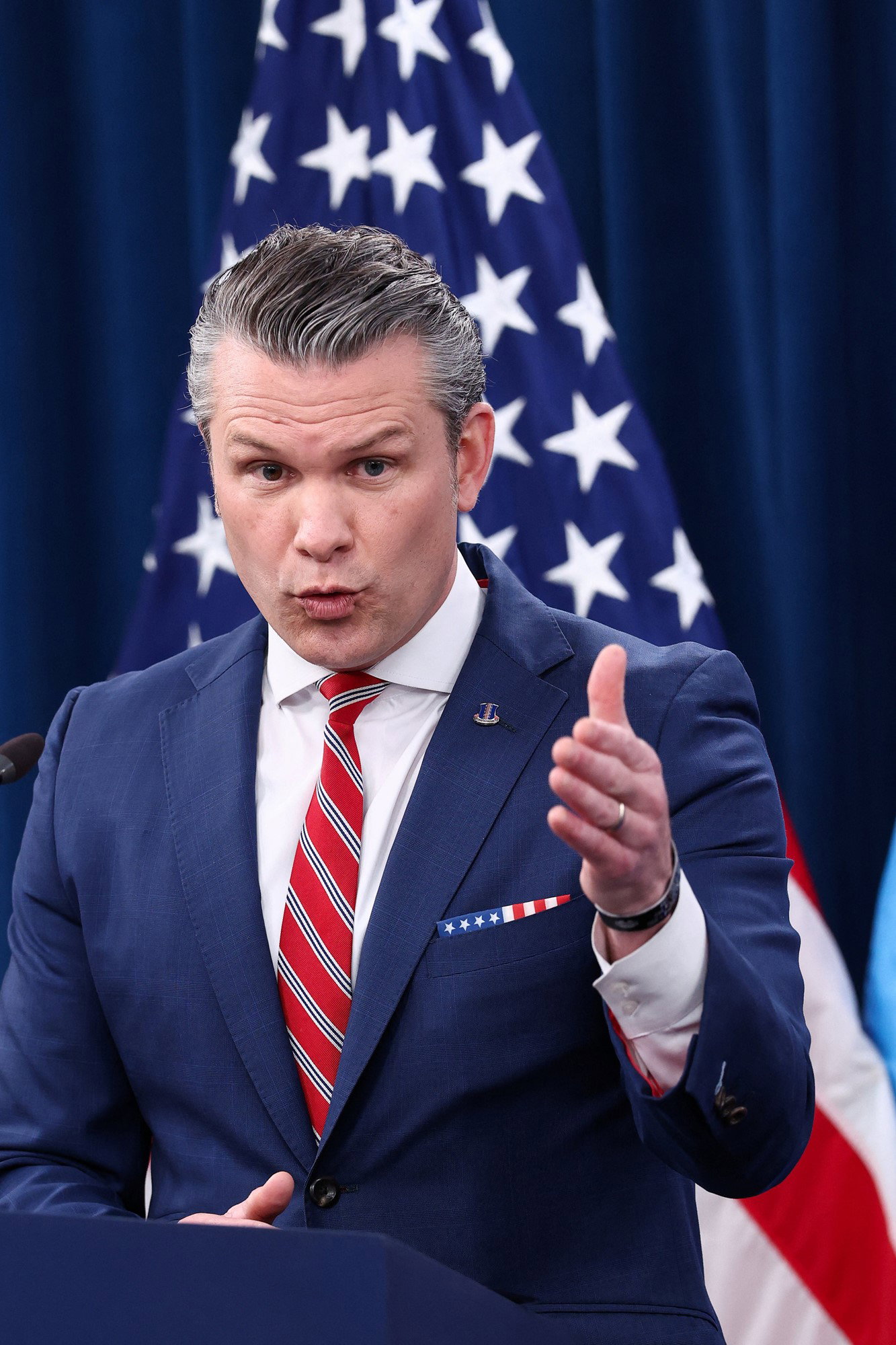
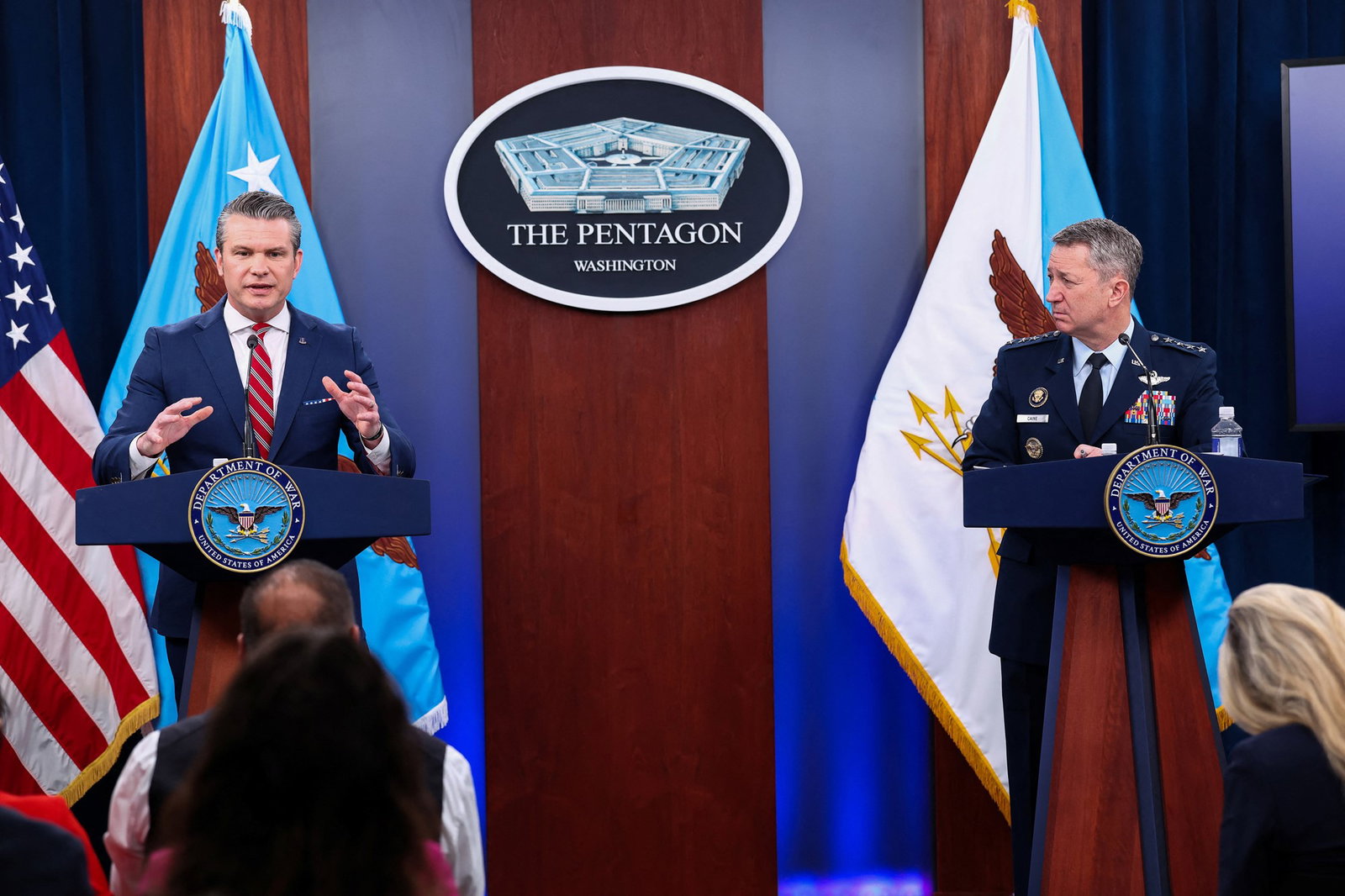
The fragile ceasefire between the United States and Iran is being tested by a series of exchanges in the Persian Gulf, with both sides launching attacks on Monday but stopping short of a full resumption of hostilities. US Defense Secretary Pete Hegseth insisted on Tuesday that the truce remains in effect, even as Iranian drones and missiles struck commercial vessels and targets in the United Arab Emirates. "The ceasefire is not over," Hegseth told reporters at a Pentagon briefing, dismissing the Iranian actions as "harassment" rather than a return to war. He denied that Iran controls the Strait of Hormuz, a critical waterway for global oil shipments, after Tehran claimed dominance over the passage. The United States said it destroyed six Iranian small boats that had attacked merchant ships, while several vessels reported explosions or fires. An oil port in the UAE, which hosts a major US military base, was set ablaze by Iranian missiles, marking the first such incident since the ceasefire was declared.
US General Accuses Iran of Ten Ceasefire Violations
General Dan Caine, Chairman of the US Joint Chiefs of Staff, accused Iran of violating the ceasefire repeatedly, alleging that Tehran had fired at commercial vessels nine times and seized two container ships since the truce took effect. He described the latest exchanges as "below the threshold of restarting major combat operations," suggesting both sides are calibrating their actions to avoid a full-scale conflict. Caine also charged that Iran is attempting to "hold the entire global economy hostage" through its actions in the Strait of Hormuz, where a significant portion of the world's oil passes. The general's remarks underscore the strategic importance of the waterway and the economic stakes involved. Hegseth added that the Iranians were "embarrassed" by the US Navy's successful escort of stranded tankers through the strait, a mission that challenged Tehran's assertion of control. "They said they control the strait. They do not," Hegseth said.
Political Calculations Behind the Truce's Survival
The US administration has a strong incentive to maintain the ceasefire narrative, as a resumption of hostilities could trigger congressional oversight. Under US law, if a conflict exceeds 60 days, the president is required to seek approval from Congress for continued military action. By insisting the ceasefire holds, the White House avoids that constitutional hurdle. President Donald Trump has also used the ceasefire to argue that he does not need congressional approval for the Iran war, telling lawmakers that the truce means the conflict is effectively over. This stance has drawn scrutiny, especially as the exchanges in the Gulf suggest otherwise. Meanwhile, a separate controversy has emerged in Florida, where a proposal to rename a major commercial airport after Trump has raised eyebrows. The plan includes a trademark agreement that could financially benefit the president, an unusual arrangement for a sitting president's name on a public facility.
Iran Issues New Warning as Tensions Escalate
Iran has escalated its rhetoric, declaring that it will now shoot US forces on sight, a warning that raises the risk of direct confrontation. The statement came after the US military's destruction of Iranian boats, which Tehran views as an act of aggression. Despite the heated language, both sides appear to be avoiding a full return to war. The exchanges on Monday, while serious, were limited in scope and did not involve large-scale strikes. Analysts suggest that both the US and Iran are testing each other's resolve while keeping the door open for diplomacy. The situation remains fluid, with the ceasefire hanging by a thread. The international community is watching closely, as any escalation could have far-reaching consequences for global oil markets and regional stability.
Global Economic Ripples Reach Australia
The war's wider ramifications continued to ripple across the world, including in Australia, where the Reserve Bank raised interest rates by 25 basis points to 4.35 percent on Tuesday. Major banks passed on the increases to mortgage holders, adding financial pressure to households already grappling with inflation. The rate hike was partly attributed to the economic uncertainty stemming from the Iran conflict, which has disrupted oil supplies and heightened volatility in global markets. The central bank's move reflects the interconnected nature of modern economies, where a distant war can directly affect domestic monetary policy. For Australian readers, the developments in the Middle East are not just a foreign policy concern but a tangible factor in their daily financial lives. The ceasefire's fragility means that further disruptions could lead to additional economic shocks.
What Comes Next: Ceasefire's Fate Uncertain
The coming days will be critical in determining whether the ceasefire can survive or whether the region slides back into open conflict. Both the US and Iran have signaled a willingness to avoid all-out war, but their actions on the ground suggest a high level of mistrust and a readiness to retaliate. General Caine's accusation of ten ceasefire violations indicates that Iran is testing the boundaries of the truce, while the US response has been measured but firm. The Pentagon's characterization of the attacks as "harassment" may be an attempt to de-escalate rhetorically, but it also risks normalizing violations that could eventually erode the ceasefire entirely. For now, the world watches as two adversaries dance on the edge of war, each trying to gain leverage without triggering a catastrophic conflict. The outcome will shape not only the Middle East but also global security and economic stability for years to come.
The bottom line
- The US-Iran ceasefire remains officially in effect but is being tested by repeated exchanges in the Persian Gulf, including Iranian attacks on vessels and US destruction of Iranian boats.
- General Dan Caine accused Iran of ten ceasefire violations, including firing on commercial ships and seizing container ships, while both sides avoid crossing the threshold into full war.
- The US has a political incentive to maintain the ceasefire narrative to avoid triggering the 60-day congressional approval requirement for armed conflict.
- Iran has escalated rhetoric, vowing to shoot US forces on sight, raising the risk of direct confrontation despite the truce.
- The conflict's economic impact is global, with Australia's central bank raising interest rates partly due to war-related uncertainty.
- The ceasefire's fate hinges on whether both sides continue to calibrate their actions below the threshold of major combat operations.




UAE intercepts Iranian missiles as fire engulfs Fujairah oil facility

Sharks run riot as Tigers suffer 52-10 humiliation after Luai's bombshell departure announcement

Trump downplays oil spike as Iran ceasefire teeters after Hormuz clashes