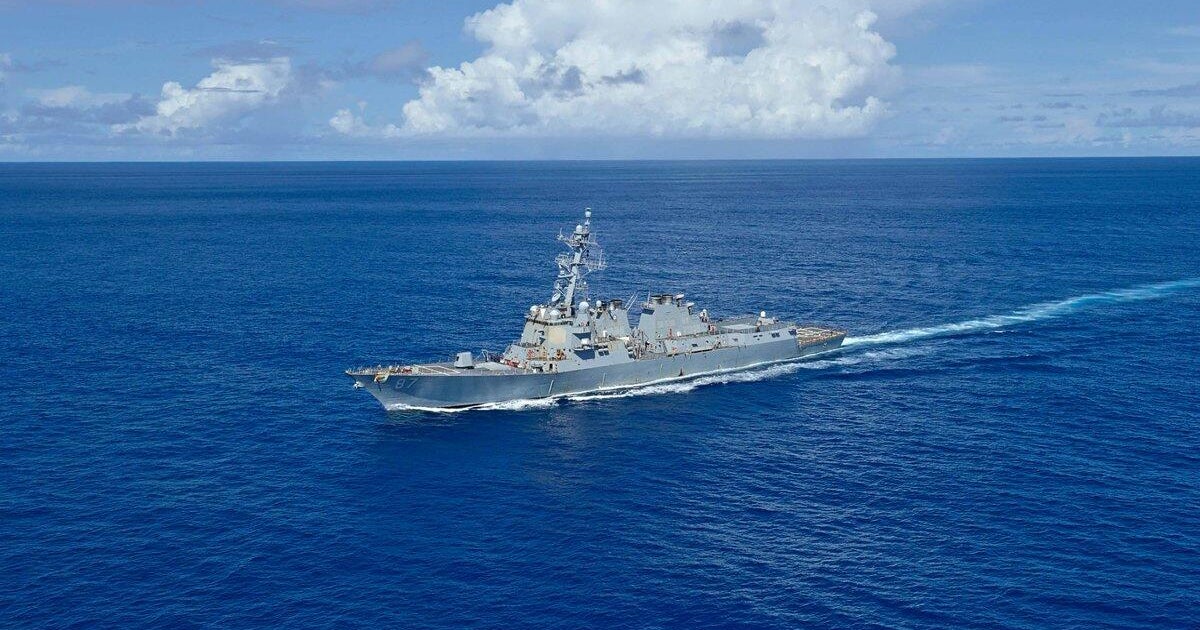
Iran warns it has 'not even started' as US-Iran ceasefire teeters after Strait of Hormuz clashes
Tehran’s parliament speaker says the current confrontation is only the beginning, while US Defense Secretary insists the ceasefire remains in effect despite new attacks on the UAE and a missile alert.
AUSTRALIA —
Key facts
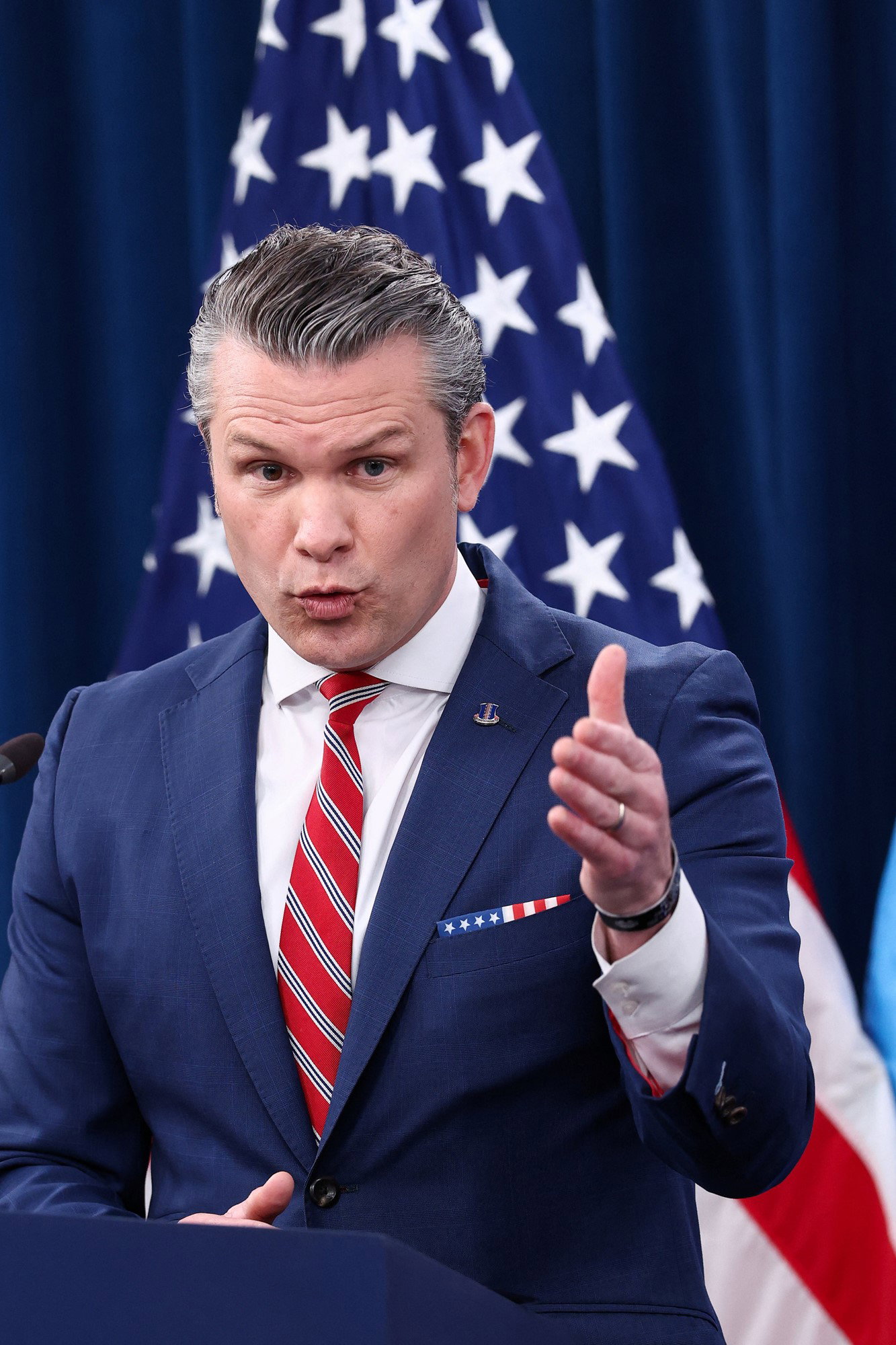
- US Defense Secretary Pete Hegseth says ceasefire with Iran is still in effect.
- Iranian drones and missiles struck the UAE for the first time since the ceasefire.
- Iran’s parliament speaker Mohammad Bagher Ghalibaf warned: 'we have not even started yet.'
- US launched 'Project Freedom' to escort two vessels through the Strait of Hormuz.
- Iran claims it fired at a US warship that 'ignored a warning'; US says no ship was hit.
- Reserve Bank of Australia raised cash rate 25 basis points to 4.35%, citing higher fuel prices from Middle East turmoil.
- Five passengers were killed in a US attack on two civilian boats, according to an unnamed Iranian military source.
- Dubai Airport flights delayed or diverted due to risk from Iranian launches.
Ceasefire under strain after new attacks on UAE and Strait of Hormuz
The fragile ceasefire between the United States and Iran, agreed last month, is facing its most severe test after a series of attacks on Monday in the Strait of Hormuz and the first Iranian strikes on the United Arab Emirates since the truce was announced. US Defense Secretary Pete Hegseth insisted on Tuesday that the ceasefire 'is not over,' even as Iranian drones and missiles targeted the UAE, prompting a missile threat alert and disrupting operations at the world’s busiest international airport. Iran’s parliament speaker and chief negotiator, Mohammad Bagher Ghalibaf, warned that Tehran has 'not even started yet,' accusing the US and its allies of endangering regional shipping. 'We know full well that the continuation of the status quo is intolerable for America,' he wrote on X, adding that the 'malign presence' of US forces in the region 'will diminish' over time.
Project Freedom: US escorts vessels through strategic waterway
The US military has been conducting what it calls 'Project Freedom,' escorting commercial vessels through the Strait of Hormuz, a vital chokepoint for global oil shipments. On Monday, the US said it had successfully escorted two US-flagged merchant vessels through the strait. Iran considers this a breach of the ceasefire agreement, which it says prohibits such operations. In response, Iran claimed it had fired missiles at a US warship near the strait after the vessel 'ignored a warning' that it was violating 'maritime rules.' The US denied that any of its ships were struck. President Donald Trump later stated that 'seven small boats' from Iran had been sunk by US forces. Iran has now warned it will shoot at US vessels on sight.
Economic fallout: Oil prices climb and central banks respond
The escalating conflict has sent oil prices higher on global markets, adding to inflationary pressures worldwide. The Reserve Bank of Australia lifted its cash interest rate by 25 basis points to 4.35 percent, explicitly citing higher fuel prices stemming from the turmoil in the Middle East. The move reflects the broader economic strain as the Strait of Hormuz blockade disrupts energy supplies. Analysts warn that the global economy is 'essentially cornered' under a blockade with no clear end. The first Russian oil shipment since the war began reportedly arrived in Japan, a sign of shifting supply routes. Meanwhile, a South Korean ship that caught fire in the Strait of Hormuz will be towed and investigated, adding to the disruption.
Civilian casualties and airport disruptions
An unnamed military source told Iranian media that five passengers were killed following a targeted US attack on two civilian boats carrying goods towards Iran. The US has not commented on the claim. The incident underscores the human cost of the confrontation, as both sides accuse each other of targeting non-combatants. Iran’s latest salvo also wreaked havoc at Dubai Airport, the base of Emirates airline. Flights were delayed or diverted due to the risk posed by Iranian launches, though services had returned to 'almost complete' operations. The UAE issued its first missile threat alert since the ceasefire, reflecting the heightened danger.
International calls for de-escalation and Hegseth’s appeal to allies
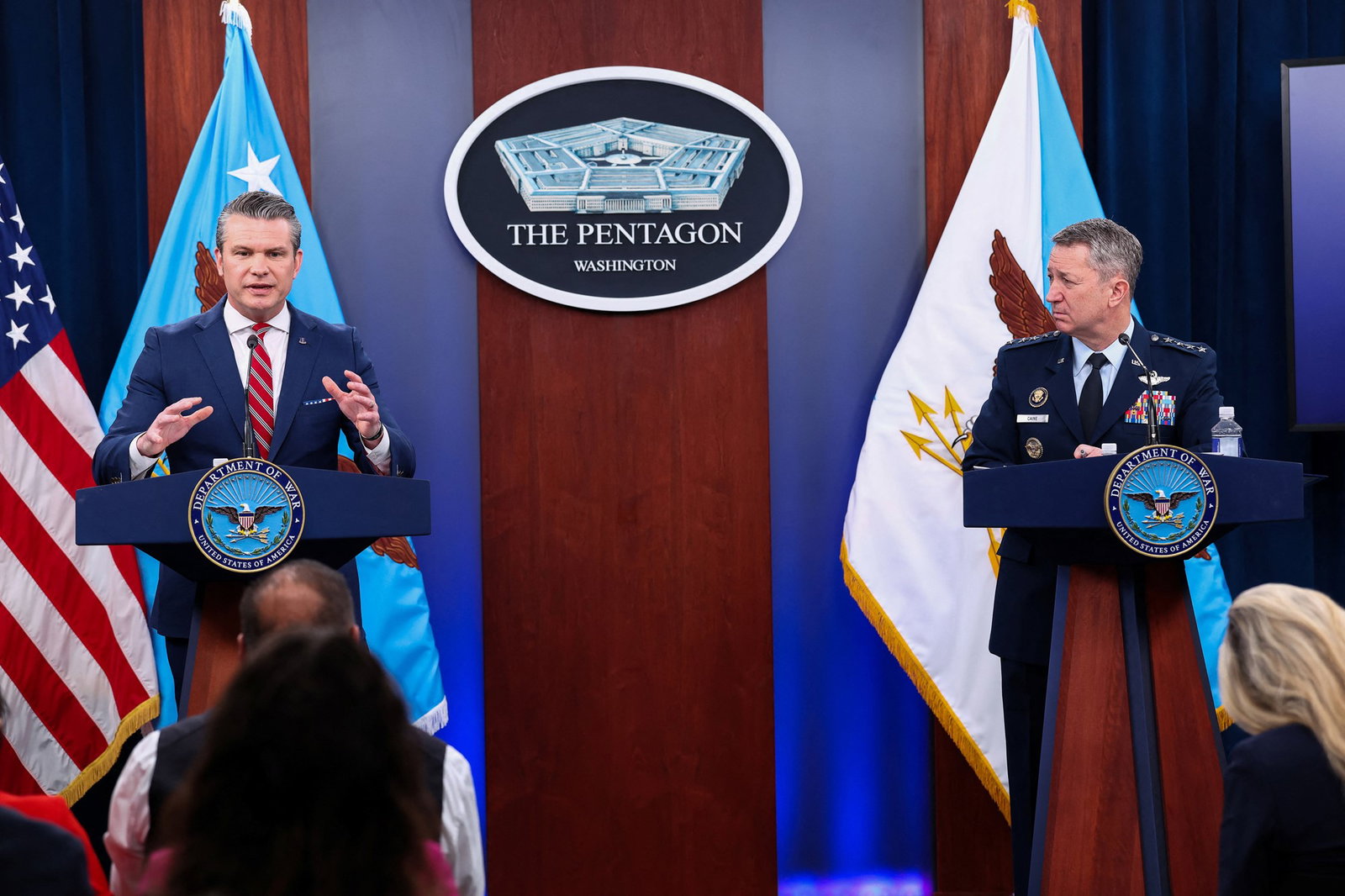
During a briefing on Tuesday, Hegseth, joined by Chairman of the Joint Chiefs of Staff General Dan Caine, called on Australia, Japan, and Europe to 'step up' their contributions to regional security. General Caine accused Iran of firing at commercial vessels nine times and seizing two container ships since the ceasefire was announced. Iran’s foreign ministry warned the US and Israel against 'any hostile move,' while Tehran’s negotiator reiterated that the current confrontation is only the beginning. The risk of a direct confrontation exploding again has intensified, with Iran sending out a new warning as the US closes in.
What comes next: Ceasefire on the brink
The ceasefire between the US and Iran appears close to collapse after a day of confusion and chaos in the Strait of Hormuz. Analysts are deliberating over the conflict’s next step, with no clear end in sight to the blockade that is shaking the global economy. Both sides have accused each other of violating the truce, and the rhetoric has escalated sharply. Hegseth’s insistence that the ceasefire is still in effect contrasts with Iran’s warnings that it has 'not even started.' The coming days will be critical in determining whether diplomacy can salvage the agreement or whether the region slides back into full-scale conflict.
The bottom line
- The US-Iran ceasefire is under severe strain after Iranian attacks on the UAE and clashes in the Strait of Hormuz.
- Iran’s parliament speaker warned that Tehran has 'not even started,' signaling further escalation.
- The US is conducting 'Project Freedom' to escort vessels through the strait, which Iran considers a ceasefire breach.
- Oil prices have risen, and the Reserve Bank of Australia raised rates, citing Middle East turmoil.
- Five civilians were reportedly killed in a US attack on boats, and Dubai Airport faced disruptions.
- International allies are being urged to step up as the risk of direct confrontation grows.



UAE intercepts Iranian missiles as fire engulfs Fujairah oil facility

Sharks run riot as Tigers suffer 52-10 humiliation after Luai's bombshell departure announcement

Trump downplays oil spike as Iran ceasefire teeters after Hormuz clashes