Mamata Banerjee Defeated in West Bengal, Refuses to Resign as Governor Weighs Dismissal
After 15 years in power, the Trinamool Congress leader loses to the BJP, calls the election stolen, and vows to stay in office, prompting legal calls for her eviction.
BANGLADESH —
Key facts
- Mamata Banerjee lost her bid for a fourth consecutive term as West Bengal chief minister to the Bharatiya Janata Party.
- Banerjee has refused to resign, claiming 100 seats were 'stolen' from her party.
- Senior advocate Mahesh Jethmalani called for her dismissal, stating she is a 'trespasser' after election certification.
- The Governor can dismiss the chief minister, who holds office at his pleasure, and could use police to evict her.
- Banerjee's defeat ends 15 years of Trinamool Congress rule, which began in 2011 by ousting the 34-year Communist government.
- The term of the West Bengal assembly ends on May 7.
- Banerjee alleged assault by Communist cadres in 1990, which shaped her political persona.
A Political Earthquake in Kolkata
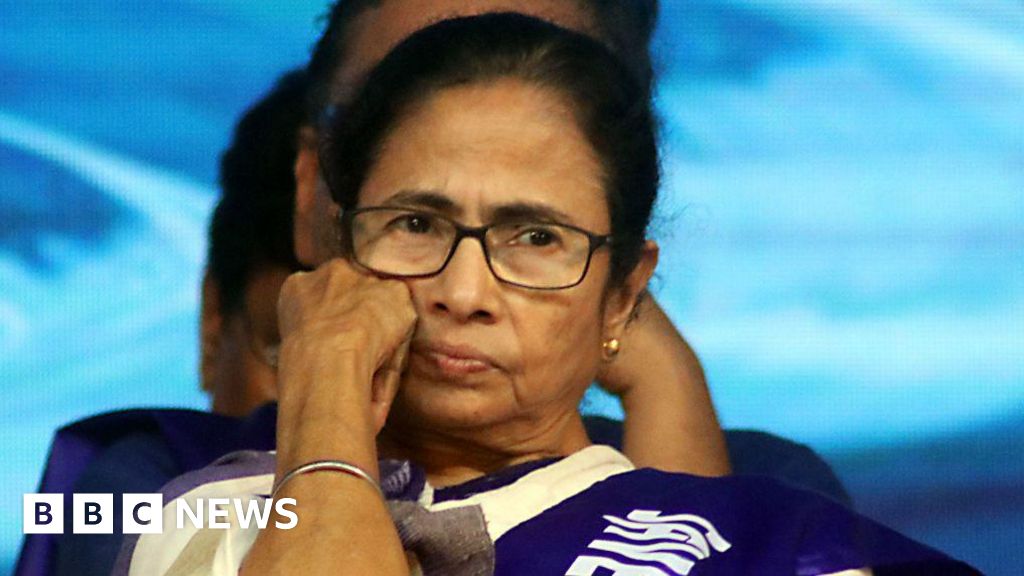
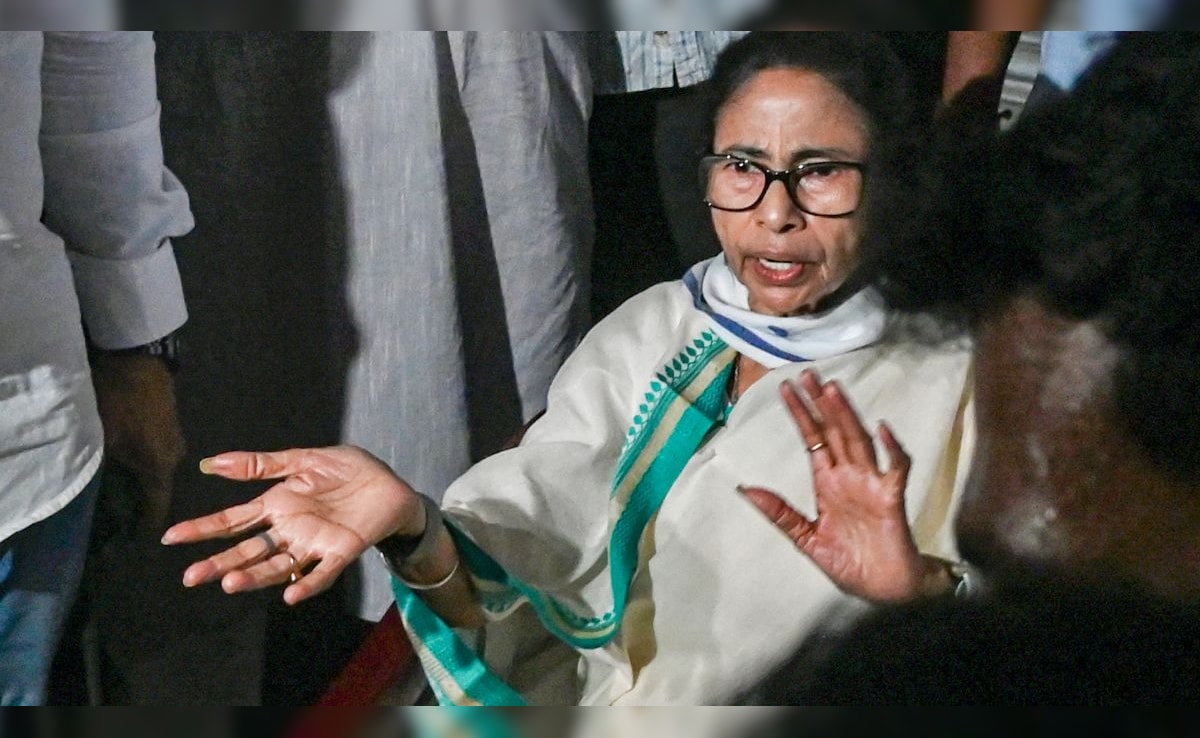
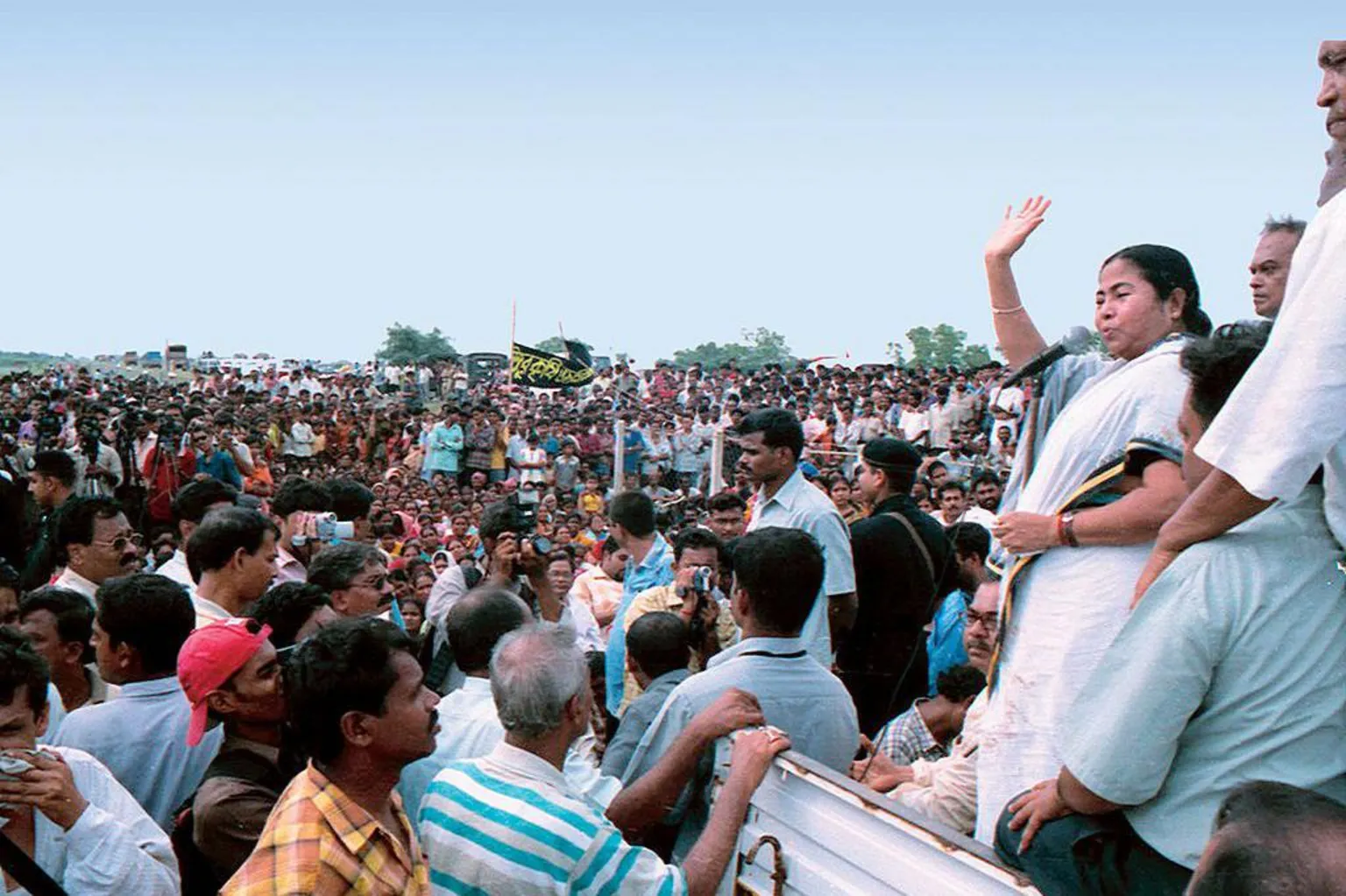
Mamata Banerjee, the firebrand populist who ruled West Bengal for 15 years, has been defeated by the Bharatiya Janata Party, ending her bid for a fourth consecutive term as chief minister. The loss throws her political future into doubt and marks the BJP's conquest of one of India's toughest electoral frontiers. Banerjee, 71, has refused to resign, telling reporters at a press conference, 'I have not lost, so I will not go to Raj Bhavan. I will not tender resignation.' She claimed that 100 seats were 'stolen' from her party, a charge that has intensified the political crisis.
Legal Calls for Dismissal and Eviction
Senior advocate Mahesh Jethmalani has called Banerjee's behaviour 'unpardonable' and a 'challenge to the whole democratic system.' In an interview, he argued that once election results are certified by the Election Commission, the chief minister ceases to hold office. 'She is a trespasser in the Chief Minister's office from now on,' he said. Jethmalani urged the Governor to dismiss Banerjee formally, stating that she holds office at his pleasure. 'If she insists on sticking like a lemming to her chair, then the Governor must unceremoniously dismiss her,' he added. He suggested that if Banerjee continues to occupy the office, the Governor could send in police to 'evict her.'
Banerjee's Unprecedented Refusal to Step Down
Banerjee's refusal to resign is an unprecedented move that could technically trigger her dismissal. The chief minister and her cabinet serve at the 'pleasure of the Governor,' and the term of the Bengal assembly ends on May 7. By staying in office after the election results were certified, she has placed herself in a legally precarious position. Jethmalani advised Banerjee to file individual election petitions if she has evidence of fraud, but warned that the courts would likely dismiss them. 'You have already been given short shrift in the Supreme Court twice before. If you want to keep making yourself a laughingstock, go ahead and do it,' he said.
The Rise and Fall of the 'Fire Goddess'
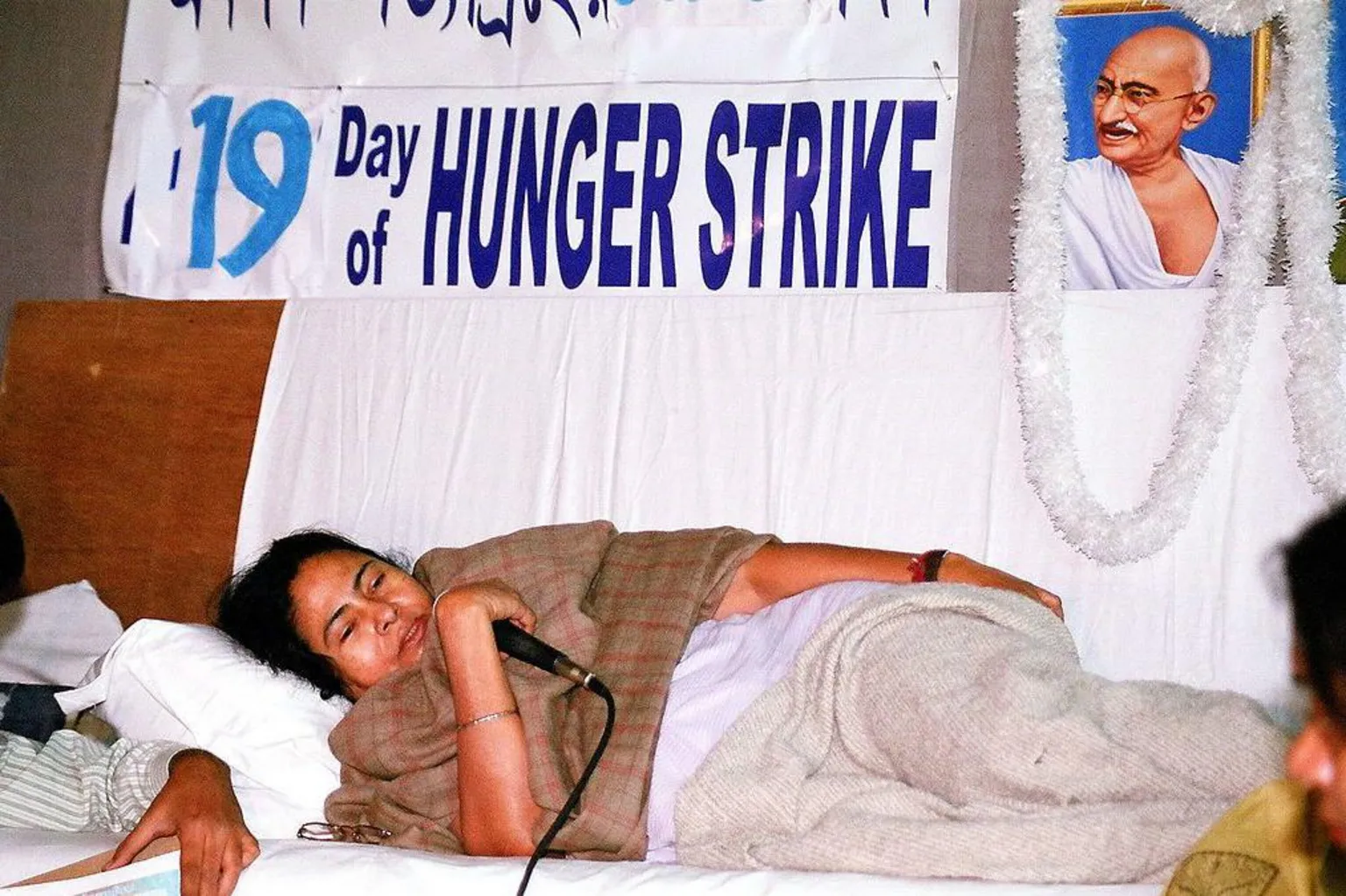
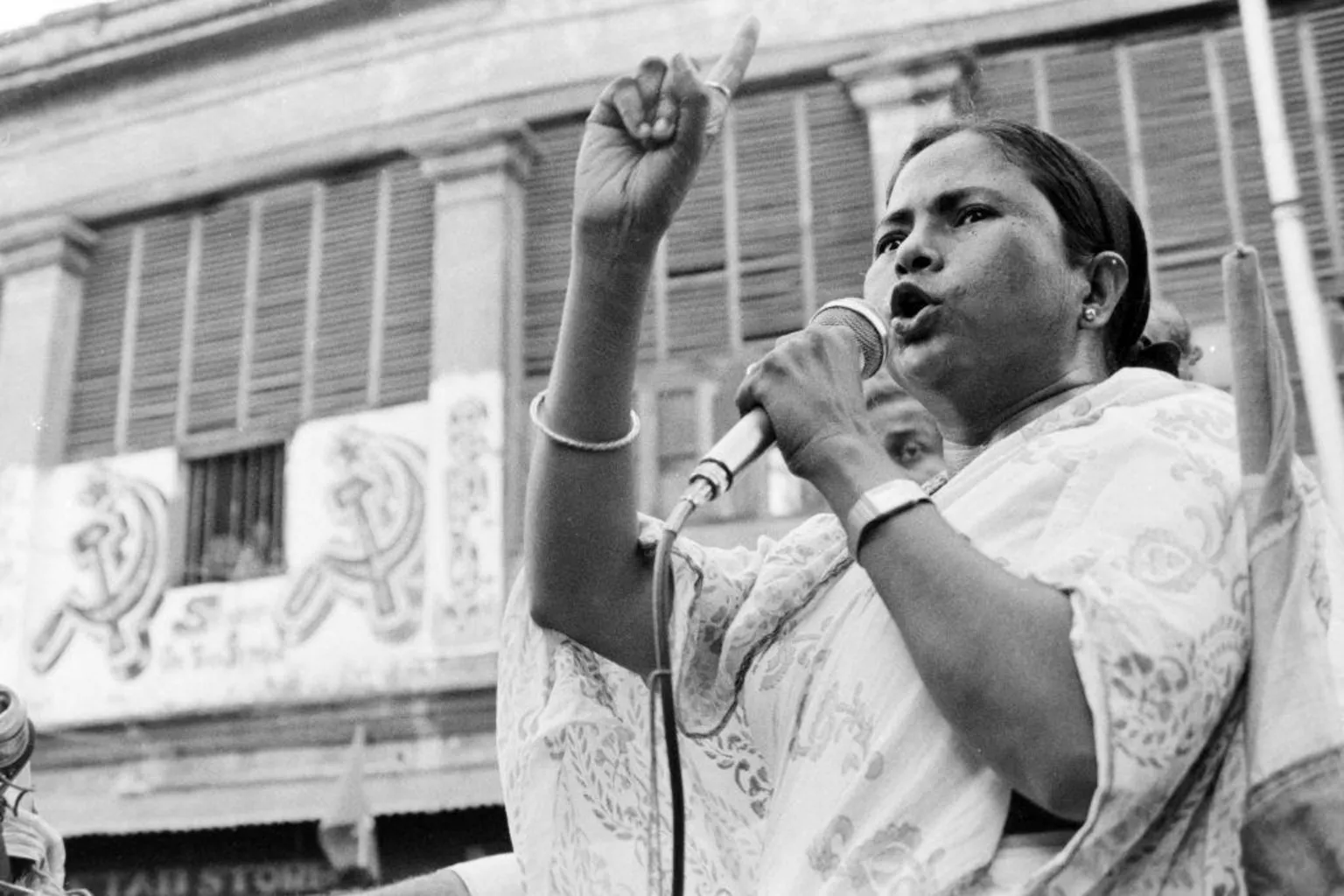
Banerjee's political career began in the student wing of the Congress party, and she became one of the state's most visible anti-communist faces. In 1990, she was allegedly assaulted by Communist cadres during a protest march and hospitalised with a fractured skull, an episode that forged her persona as a street fighter and martyr. In 2011, she defeated the Communist Party of India (Marxist) after 34 years in power, overturning a political order that had defined West Bengal. Her opposition to the Tata Motors car factory in Singur and land acquisition in Nandigram in 2007 accelerated her ascent. The New York Times called her 'the blunt instrument knocking down their own Berlin Wall,' and Time magazine named her among the world's 100 most influential people.
What Comes Next: Dismissal, Legal Challenges, or a Standoff
The Governor now faces a decision: accept Banerjee's refusal to resign and dismiss her, or allow a standoff that could escalate into a constitutional crisis. Jethmalani's call for eviction by police underscores the high stakes. Banerjee's claim of stolen seats may lead to court petitions, but legal experts doubt their viability. The BJP's victory in West Bengal, a state where it had long struggled, reshapes India's political landscape. Banerjee's future is uncertain; she could remain a opposition leader or face a diminished role. The coming days will determine whether she leaves office gracefully or is forcibly removed.
The bottom line
- Mamata Banerjee lost the West Bengal election to the BJP after 15 years in power and refuses to resign.
- Senior advocate Mahesh Jethmalani has called for her dismissal, arguing she is a trespasser after election certification.
- The Governor can dismiss Banerjee and use police to evict her if she does not vacate the office.
- Banerjee claims 100 seats were stolen, but legal experts suggest court challenges are unlikely to succeed.
- Her defeat ends an era of Trinamool Congress rule and marks a major expansion of BJP influence in eastern India.
- The term of the Bengal assembly ends on May 7, adding a deadline to the political crisis.

Al Qadsiah Stuns Al Nassr 3-1, Ending 16-Match Winning Streak in Saudi Pro League

BJP Breaks Bengal's Resistance: Modi's Party Wins Decisive Mandate in Pivotal State Election

Cristiano Ronaldo's Late Header Propels Al Nassr Eight Points Clear in Saudi Pro League Title Race
