Brent Crude Surges 5.7% to $114.28 as Strait of Hormuz Crisis Drives Global Oil Shock
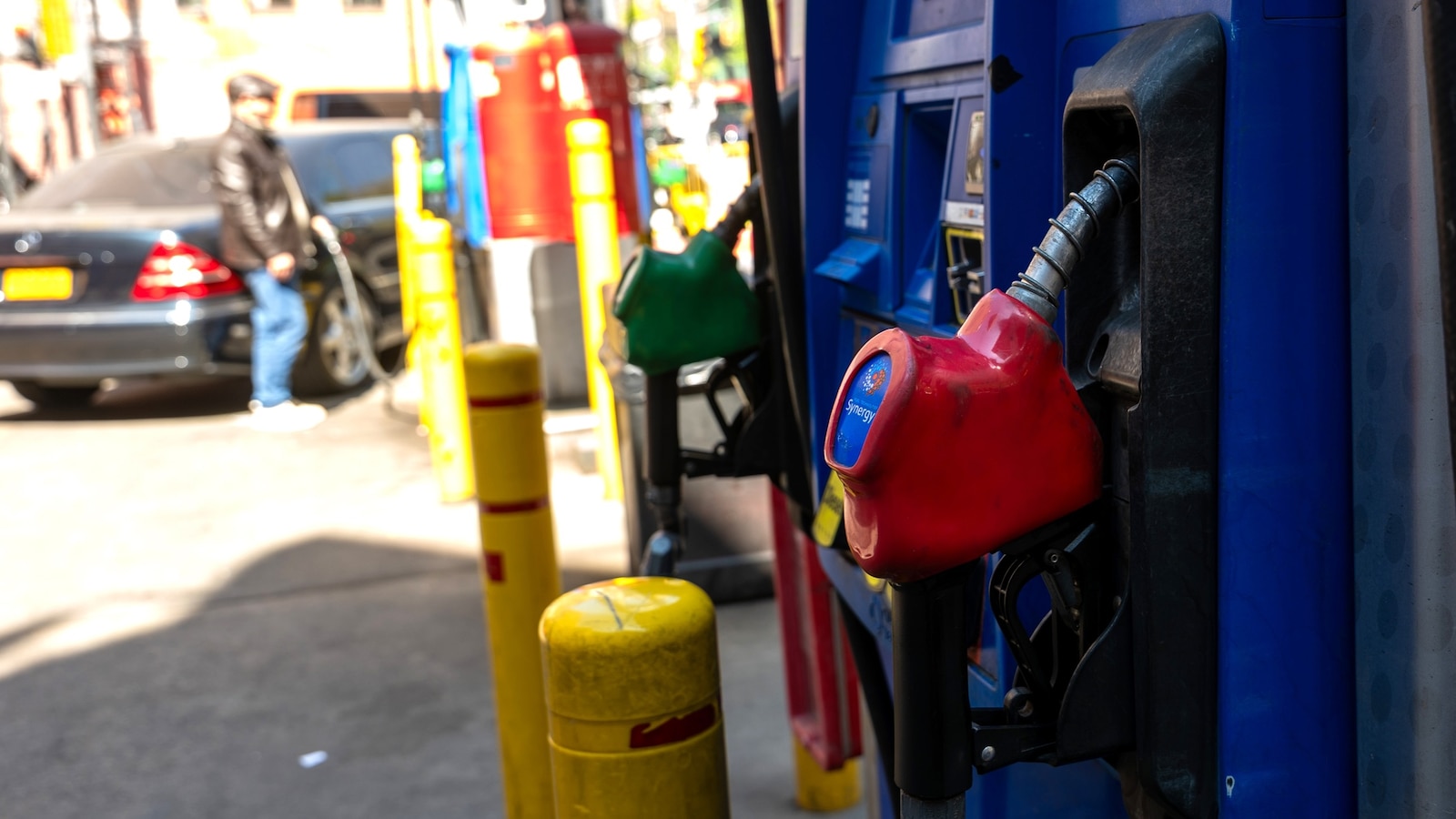
U.S. gasoline prices hit a four-year high of $4.17 per gallon, with a 28% jump since the war began, as OPEC+ nations agree to a modest production increase of 188,000 barrels a day.
CANADA —
Key facts
- Brent crude rose 5.7% to $114.28 per barrel on tensions over the Strait of Hormuz.
- U.S. average gasoline price reached $4.17 per gallon, the highest in four years.
- Gasoline prices have increased $1.19 per gallon since the war began on Feb. 28, a 28% jump.
- OPEC+ nations agreed to raise production by 188,000 barrels a day after an April 3 virtual meeting.
- MSC plans a new shipping route avoiding the Strait of Hormuz, using trucking across Saudi Arabia.
- U.S. oil futures hovered around $99 per barrel, more than 50% above pre-war levels.
- The Strait of Hormuz facilitates about one-fifth of global oil supply.
- Exxon and Chevron beat profit estimates on the war-driven oil rally.
Oil Prices Leap as Strait Closure Disrupts Global Supply
The price of Brent crude, the international standard, climbed 5.7% to $114.28 a barrel on Tuesday, as tensions over the Strait of Hormuz intensified. The spike comes amid an apparent impasse in negotiations over the U.S.-Israeli war on Iran, which has set off one of the largest global oil shocks in history. Iran's closure of the Strait of Hormuz, a maritime chokepoint that handles roughly one-fifth of the world's oil supply, has sent shockwaves through energy markets. The United States has positioned itself as the supplier of last resort, but domestic inventories are quickly depleting and American producers are struggling to keep pace with demand.
U.S. Gasoline Prices Hit Four-Year High Amid War-Driven Rally
The average price of a gallon of gasoline in the United States reached $4.17 on Tuesday, the highest level in four years.$1.19 per gallon since the war began on Feb. 28, a 28% jump in about two months. Crude oil, the main ingredient in auto fuel, accounts for more than half of the price at the pump, according to the U.S. Energy Information Administration. U.S. oil futures hovered around $99 a barrel on Tuesday, more than 50% above pre-war levels. Although the U.S. is a net exporter of petroleum, oil prices are set on a global market, meaning domestic prices move in response to worldwide supply and demand swings.
OPEC+ Agrees to Modest Production Increase as MSC Reroutes Ships
OPEC+ nations, after a virtual meeting on April 3, agreed to raise production by 188,000 barrels a day, a modest increase that did little to calm markets. The commitment came from seven countries, though details on which nations would boost output were not disclosed. Meanwhile, Mediterranean Shipping Company (MSC) announced plans for a new service linking Europe with isolated Middle East ports. The route will bypass the Strait of Hormuz by using trucking across Saudi Arabia and smaller vessels in the Persian Gulf, a logistical workaround that underscores the severity of the disruption.
Ceasefire Hopes Dashed as Negotiations Stall
Gasoline prices had reached a previous high on April 9, but a U.S.-Iran ceasefire announced a day earlier briefly put downward pressure on prices. That relief proved short-lived, as prices have moved upward in recent days amid an apparent impasse in negotiations over the war. Brent crude fell 2% to $108.14 on the day of the ceasefire announcement, trimming its gain for the week to roughly 9%. But the failure to secure a lasting resolution has reignited supply fears, with traders pricing in prolonged disruption.
Oil Majors Post Record Profits as War Fuels Rally
Exxon and Chevron both beat profit estimates in the latest quarter, riding the wave of higher oil prices driven by the conflict. The war-driven rally has boosted revenues for major producers, even as consumers face soaring costs at the pump. The United Arab Emirates announced it would leave OPEC, a move that could reshape the alliance's dynamics. The decision comes as the cartel struggles to manage member expectations amid volatile markets and geopolitical turmoil.
Outlook: Supply Constraints and Geopolitical Risks Loom
With U.S. inventories depleting and domestic producers unable to ramp up output quickly, the world remains heavily dependent on the resolution of the Strait of Hormuz crisis. The modest OPEC+ production increase of 188,000 barrels a day is unlikely to offset the loss of supply from the chokepoint. Analysts warn that if the impasse continues, gasoline prices could climb further, testing the resilience of consumers and the broader economy. The situation remains fluid, with diplomatic efforts showing little sign of progress.
The bottom line
- Brent crude surged 5.7% to $114.28 per barrel on Strait of Hormuz tensions.
- U.S. gasoline prices hit a four-year high of $4.17 per gallon, up 28% since the war began.
- OPEC+ agreed to a modest production increase of 188,000 barrels a day, insufficient to offset supply losses.
- MSC is rerouting ships to avoid the Strait of Hormuz, using trucking across Saudi Arabia.
- Exxon and Chevron posted higher profits on the war-driven oil rally.
- The U.S. is the supplier of last resort but domestic inventories are depleting rapidly.



Rare May Nor'easter Pummels Maritimes with Rain, Gusts and Snow

23 U.S. States Declare Emergencies as Winter Storm Threatens 200 Million

Flyers and Hurricanes Set for First Postseason Meeting After Four Overtime Thrillers