Ford Explores Valencia Plant Sale to Geely Amid European Restructuring
Reports suggest advanced talks for Geely to acquire part of Ford's Spanish facility, signaling a strategic shift in Europe.
CANADA —
Key facts
- Geely is reportedly in "very advanced" talks to buy part of Ford's Valencia plant.
- The deal could involve Geely producing a vehicle for Ford on its GEA platform.
- Ford is undergoing restructuring in Europe to compete with Chinese EV manufacturers.
- Geely aims to avoid EU tariffs by manufacturing within the bloc.
- SAIC Motor is also reportedly scouting manufacturing sites in Galicia, Spain.
- Ford CEO Jim Farley has warned of an "existential threat" from Chinese automakers.
- The Valencia plant is currently underutilized.
Ford in Advanced Talks to Divest Valencia Assets
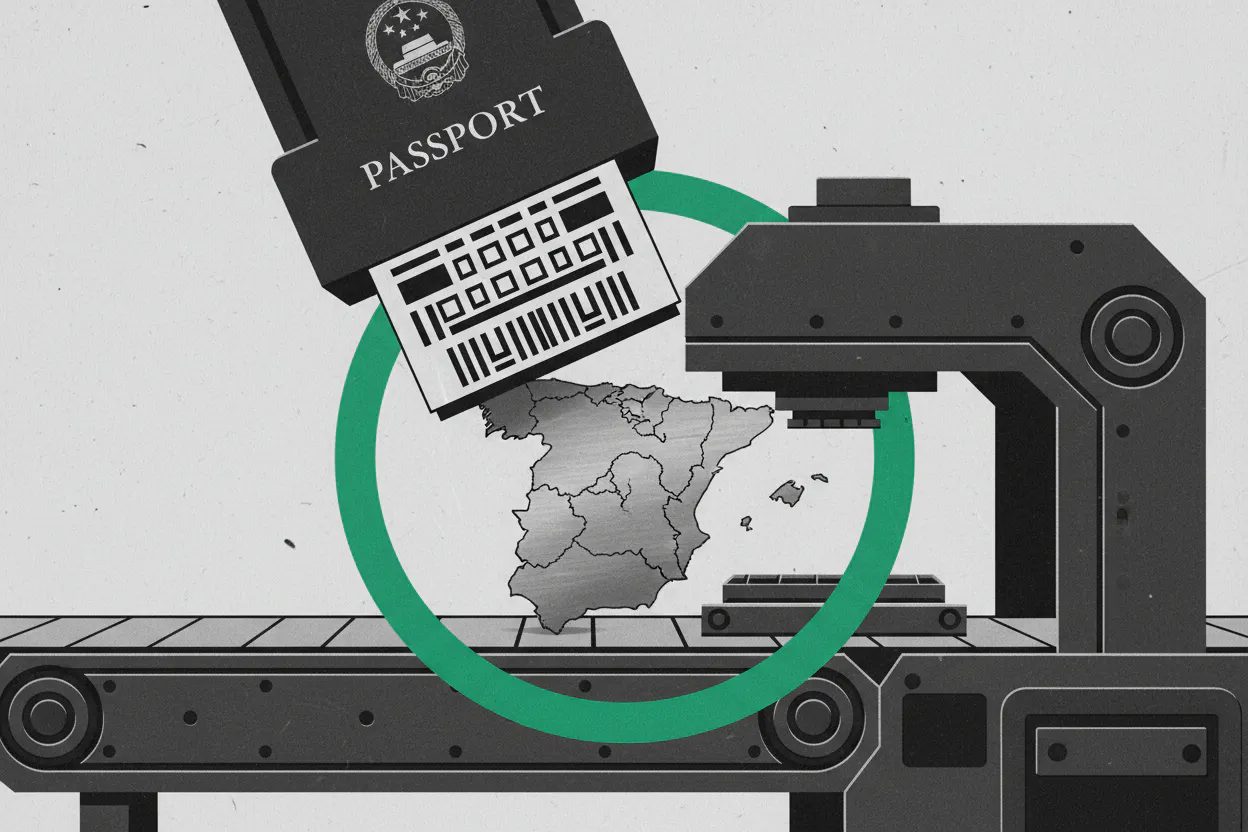
Ford is reportedly engaged in highly advanced negotiations to sell a portion of its manufacturing facilities in Valencia, Spain, to Volvo's parent company, Geely. The Spanish automotive trade publication La Tribuna de Automoción first reported that Geely, a major Chinese automaker, is poised to acquire the Body 3 vehicle assembly lines at Ford's Almussafes plant near Valencia. Sources close to the matter indicate that Geely intends to utilize the facility to produce a new vehicle, internally codenamed "135." This model is expected to feature hybrid, plug-in hybrid, and all-electric powertrains, leveraging Geely's Global Intelligent Electric Architecture (GEA) platform. These developments underscore a significant strategic realignment for Ford in Europe, as the company grapples with intense competition and seeks to enhance its market position against rapidly advancing Chinese electric vehicle manufacturers.
A "Build-for-Others" Deal with Deeper Implications
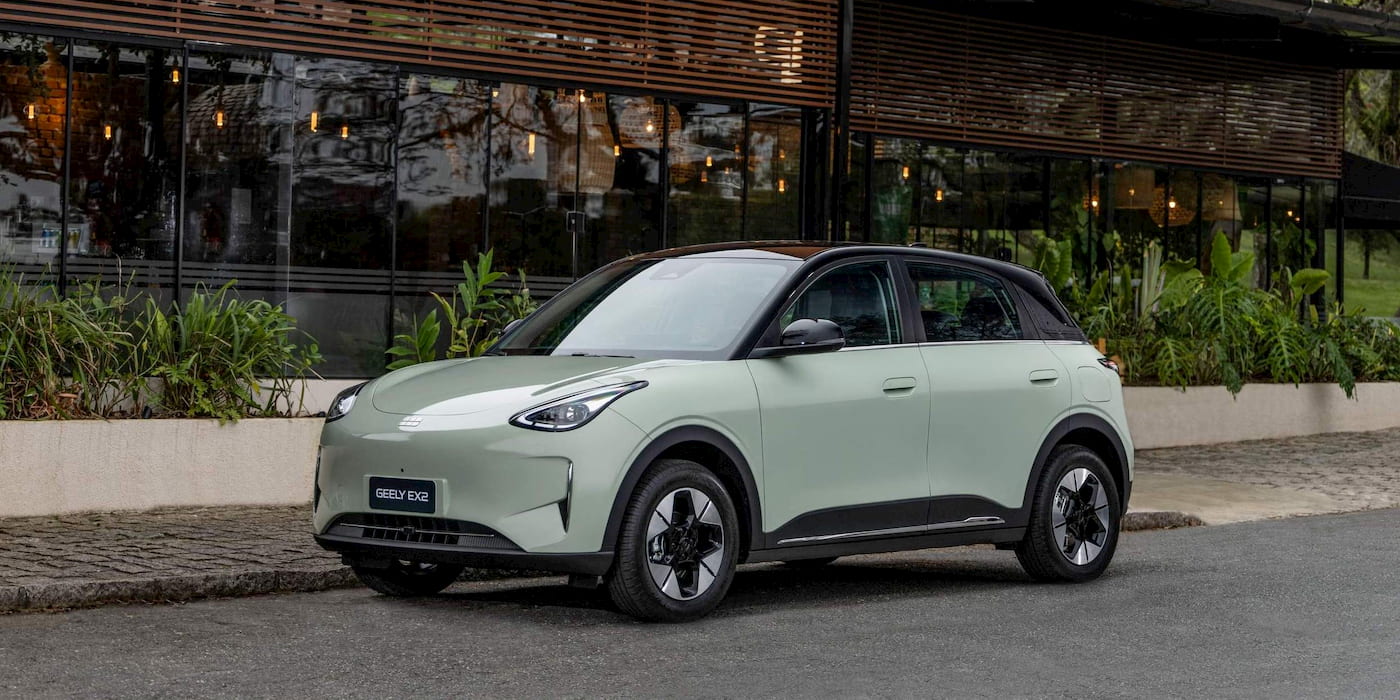
Beyond the immediate transaction, the proposed deal may encompass Geely manufacturing a vehicle for Ford itself, utilizing the same GEA platform. This arrangement could see Geely's EX2, an electric hatchback that was a top seller in China last year, produced at the Spanish site. Such a "build-for-others" agreement, where one company manufactures vehicles for another, could help revive underused factory capacity. While potentially preserving jobs and equipment, these deals can also blur traditional competitive lines in the automotive industry. Ford has remained circumspect, with a spokesperson stating, "We are constantly in talks with many companies about various topics; sometimes they materialize, sometimes they don’t." as "speculation."
Navigating Europe's Shifting Trade Landscape
The potential sale of Ford's Valencia assets to Geely is intrinsically linked to broader geopolitical and economic trends impacting the global automotive sector. As Europe tightens its trade stance and imposes stricter import rules, Chinese automakers are increasingly looking to establish manufacturing bases within the European Union. Producing vehicles inside the EU offers a strategic advantage by mitigating exposure to import tariffs, such as the 18.8% levied by the EU on Chinese electric vehicles in 2024. It also facilitates compliance with regulations that increasingly favor local production. This strategic imperative is not confined to Geely. Reports also suggest that SAIC Motor, another prominent Chinese automaker, is exploring manufacturing sites in Galicia, Spain, indicating a wider push by Chinese car giants to build a European footprint.
Ford's European Strategy: Partnerships and Cost Reduction
Ford's European operations are undergoing a significant restructuring, with a heavy reliance on partnerships to reduce costs and bolster competitiveness. The company is facing considerable pressure from Chinese EV players like BYD, which are capturing market share with lower-priced and technologically advanced vehicles. This strategy is already evident in Ford's collaborations. The electric Ford Explorer and Capri models share Volkswagen's MEB platform, and a December partnership with Renault aims to launch affordable Ford-branded EVs based on the Renault 5's Ampere platform. Ford CEO Jim Farley has repeatedly voiced concerns about the competitive threat posed by Chinese automakers, describing them as an "existential threat" to Western brands. "We know we’re in a fight for our lives," Farley stated in December, highlighting the urgency of Ford's turnaround efforts.
Regional Ambitions and Industrial Policy
The Spanish government and regional authorities are actively vying to attract foreign investment and secure supply chains within their borders. The interest shown by Geely in Valencia and SAIC in Galicia suggests that Spain is positioning itself as a key manufacturing hub for Chinese automakers looking to enter the European market. Galicia's regional leader, Alfonso Rueda, visited SAIC Motor's headquarters in Zhengzhou, China, in April, a clear effort to court investment projects. This regional engagement aligns with a broader European pattern where tariffs, industrial policies, and energy transition goals are driving manufacturing localization. Countries with suitable industrial sites and supportive policy packages are actively competing to host this new wave of manufacturing, aiming to bolster their economies and secure future industrial capacity.
Financial and Technological Stakes
For Ford, a partial divestment of the underutilized Valencia plant could provide much-needed capital infusion as it navigates its European turnaround. Simultaneously, it offers access to Geely's advanced technologies, potentially including automated driving and driver-assistance systems, which were part of earlier discussions highlighted in February. Geely, on the other hand, stands to gain significant advantages. Establishing production within the EU would allow it to bypass substantial import tariffs and gain a stronger foothold in the European market. The company's EX2 electric hatchback, a top seller in China, could become a key product in this expansion. These potential synergies highlight how location is becoming a critical competitive factor, influencing costs, pricing, and the speed at which new entrants can scale their operations within established markets.
The bottom line
- Ford is in advanced talks with Geely regarding its Valencia plant, potentially involving asset sale and manufacturing partnerships.
- The move is part of Ford's broader European restructuring strategy to counter Chinese EV competition.
- Chinese automakers are increasingly seeking to establish manufacturing bases within the EU to avoid tariffs and comply with local regulations.
- Geely aims to leverage the Valencia facility for its own vehicle production and potentially to manufacture for Ford.
- Regional governments in Spain are actively competing to attract automotive manufacturing investment.
- The deal signifies a complex interplay of corporate strategy, trade policy, and technological exchange in the global auto industry.



Céline Galipeau steps down as anchor of Radio-Canada's flagship newscast after 17 years

Flyers and Hurricanes Set for First Postseason Meeting After Four Overtime Thrillers

Iran Strikes UAE Oil Terminal in Fujairah, Shattering Truce