Democrats Probe Trump Pardons for 'Pay-to-Play' Allegations
Lawmakers seek to uncover if clemency was influenced by financial ties or intermediaries.
CANADA —
Key facts
- Congressional Democrats are investigating President Trump's pardons and commutations.
- The probe focuses on allegations of "pay-to-play dynamics" in obtaining clemency.
- Letters seeking information were sent to over a dozen recipients of executive clemency.
- Lawmakers are examining the impact of pardons on victims, citing lost restitution.
- The investigation includes scrutiny of the pardon granted to Binance founder Zhao.
- Democrats lack subpoena power but could gain it if they win midterm elections.
- The White House denies impropriety, stating a robust pardon review process.
Congressional Inquiry Targets Presidential Clemency
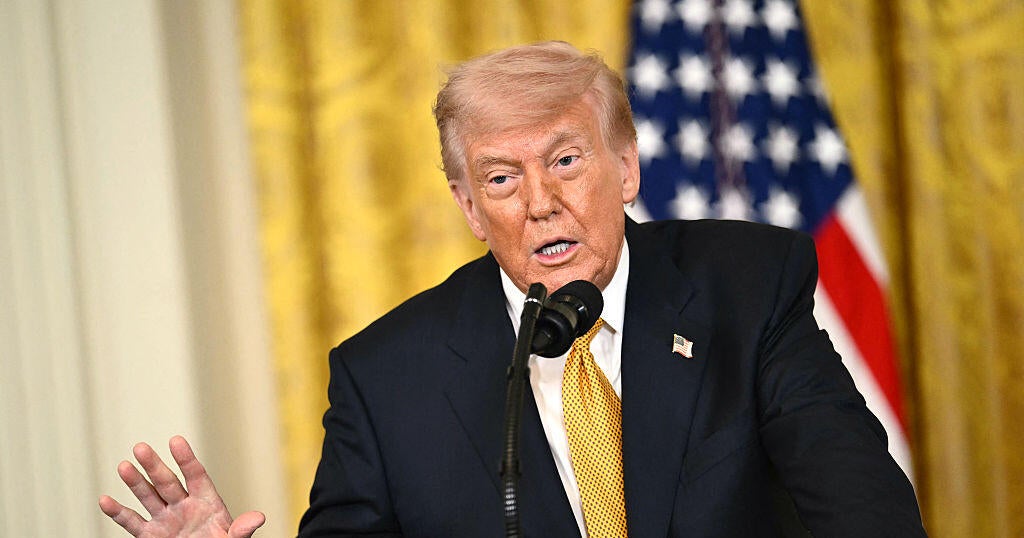
Congressional Democrats have initiated a sweeping investigation into whether President Trump's exercise of executive clemency was influenced by financial contributions or other forms of leverage. The probe, detailed in letters obtained by news outlets, centers on allegations that "pay-to-play dynamics" may have driven the issuance of pardons and commutations during his term. This inquiry signals a significant oversight effort by lawmakers seeking to understand the integrity of the presidential pardon process. On Thursday, a group of senators and representatives, including California congressmen Dave Min and Raul Ruiz, and Vermont senator Peter Welch, dispatched formal requests to more than a dozen individuals who received clemency. Their objective is to ascertain how these recipients might have secured favorable treatment from the president or his inner circle, potentially through intermediaries, financial donations, or other avenues of influence. The lawmakers are also keenly focused on the broader consequences of these clemency decisions, particularly their impact on victims of crime. The investigation highlights concerns that presidential pardons have resulted in the forfeiture of hundreds of millions of dollars in restitution and fines owed to victims, thereby undermining justice and compensation.
Examining the Influence Pipeline
The core of the congressional inquiry lies in uncovering the mechanisms through which clemency might have been sought and granted. Democrats are requesting detailed information from pardon recipients, including any contracts that show payments made to lawyers, lobbyists, social media influencers, or any other individuals who advocated on their behalf. This aims to map out the networks and financial flows potentially involved in the clemency process. Furthermore, the requests include demands for communications between recipients, or their representatives, and federal officials. Records pertaining to any donations made to Mr. Trump or affiliated organizations are also being sought. The lawmakers are endeavoring to build a comprehensive picture of the advocacy efforts and financial entanglements that may have preceded the granting of pardons and commutations. These efforts are framed within the context of presidential power. The U.S. Constitution grants the president the power to pardon, a power that the framers considered sharing with Congress but ultimately decided against. Democrats argue that Mr. Trump's actions appear to reward allies in a manner that deviates from the Supreme Court's historical characterization of executive clemency as 'an act of grace' for the 'public welfare.'
The Binance Founder Case Under Scrutiny
Among the most prominent clemency acts under examination is the pardon granted to Zhao, the founder of the cryptocurrency exchange Binance. Federal disclosures indicate that the push for Zhao's pardon was spearheaded by Ches McDowell, a lawyer and lobbyist known to be a friend of Donald Trump Jr., and Teresa Goody Guillén, an attorney representing Zach Witkoff, the son of a prominent administration official. This high-profile case serves as a focal point for the broader investigation. In their letter to Zhao, the congressional Democrats cited public reporting that detailed Binance's partnership with World Liberty Financial, a crypto company established by the Trump and Witkoff families. suggesting that Zhao and Binance played a crucial role in facilitating a substantial investment in the Trump family's crypto ventures, which reportedly propelled the Trump Stablecoin to a valuation of $2.1 billion. This specific case raises questions about potential conflicts of interest and whether financial or familial ties influenced the decision to grant clemency. The details emerging from this particular pardon are central to the Democrats' efforts to demonstrate a pattern of behavior that warrants further scrutiny.
Democrats' Limited Reach and Future Authority
Currently, the Democrats' investigation operates under a significant constraint: they are in the minority in both the House and the Senate. This position means they lack the subpoena power necessary to compel cooperation from the pardon recipients. Their requests for information are therefore voluntary, relying on the goodwill or willingness of those who received clemency to provide the requested documents and communications. However, this situation could change dramatically following the upcoming midterm elections. Should Democrats regain majority control in either chamber of Congress, their oversight capabilities would be substantially enhanced. This potential shift in power would grant them the authority to issue subpoenas, thereby compelling the production of documents and testimony related to clemency and other areas of executive action. The prospect of future subpoena power looms large over the current investigation. It suggests that while the current phase relies on voluntary cooperation, the inquiry is strategically positioned to escalate its demands should the political landscape shift, potentially leading to a more forceful examination of the clemency process.
White House Denies Allegations, Defends Process
In response to the unfolding investigation, the White House has vehemently denied any impropriety concerning the pardon of Zhao and other clemency decisions. Press secretary Karoline Leavitt stated that any individual spending money to lobby for pardons is "foolishly wasting their money," asserting that the administration maintained a "robust pardon review process." This defense suggests that the administration views the allegations as unfounded and believes its clemency decisions were made based on merit and established procedures, not undue influence. The White House's stance presents a direct counterpoint to the Democrats' suspicions of a "pay-to-play" scheme. Lawyers involved in specific cases, such as Teresa Goody Guillén, have also publicly stated that there was no quid pro quo involved in their clemency efforts, further challenging the premise of the congressional inquiry. These denials form a critical part of the narrative, setting up a potential clash between the legislative branch's oversight efforts and the executive branch's defense of its actions.
The bottom line
- Congressional Democrats are investigating President Trump's pardons for potential "pay-to-play" schemes.
- The probe seeks to determine if clemency was granted based on financial contributions or influence.
- Lawmakers are examining the impact of pardons on crime victims, citing lost restitution.
- The pardon of Binance founder Zhao, involving business ties to the Trump family, is a key focus.
- Democrats currently rely on voluntary cooperation but could gain subpoena power after midterm elections.
- The White House denies any wrongdoing, asserting a rigorous pardon review process.

France Braces for Torrential Rain, Violent Storms and Flash Floods
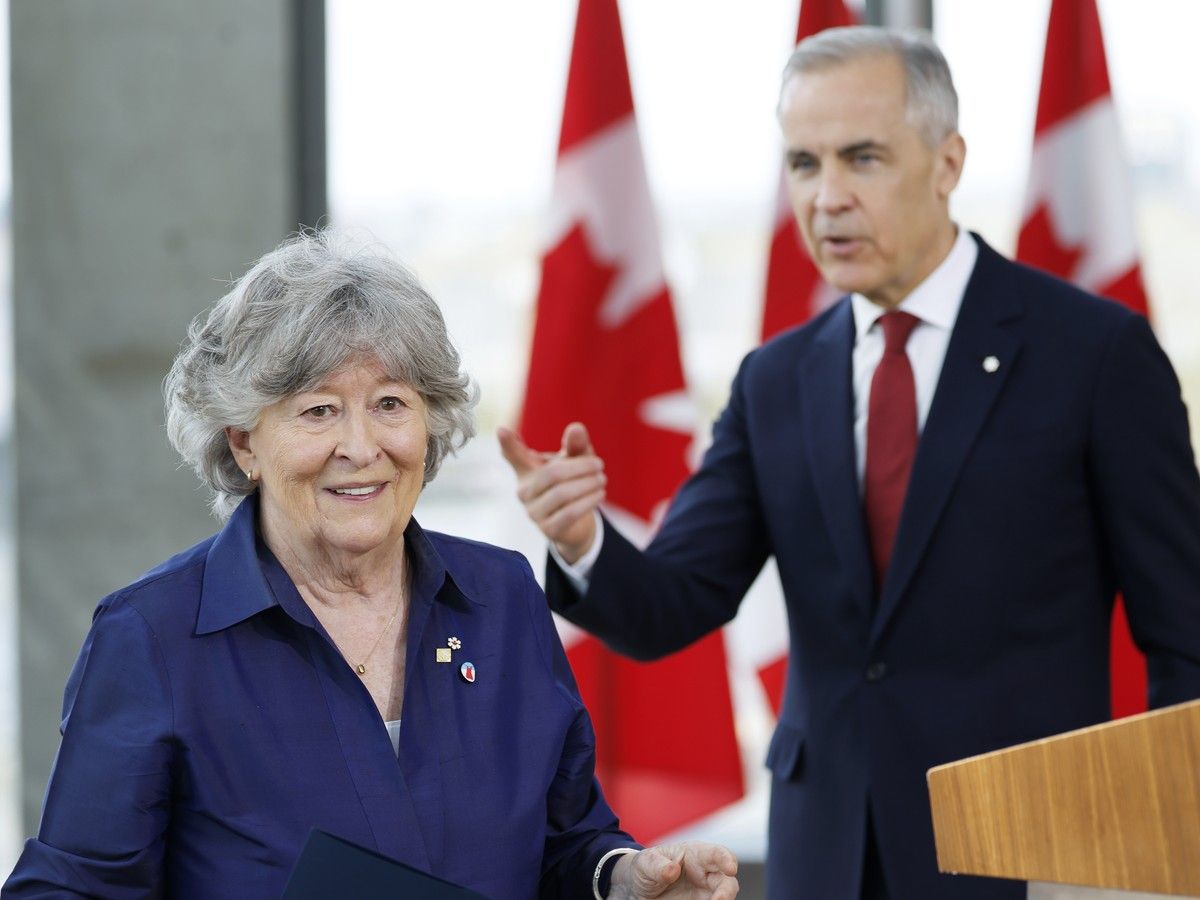
Mark Carney Appoints Louise Arbour as Canada's Next Governor General

Golden Knights Seek Improvement Against Determined Ducks in Game 2
