BBC Mistaken Identity Fiasco Becomes Viral Folk Hero Moment
A 2006 interview mix-up at BBC headquarters thrust an IT applicant into the spotlight, creating an enduring internet meme.
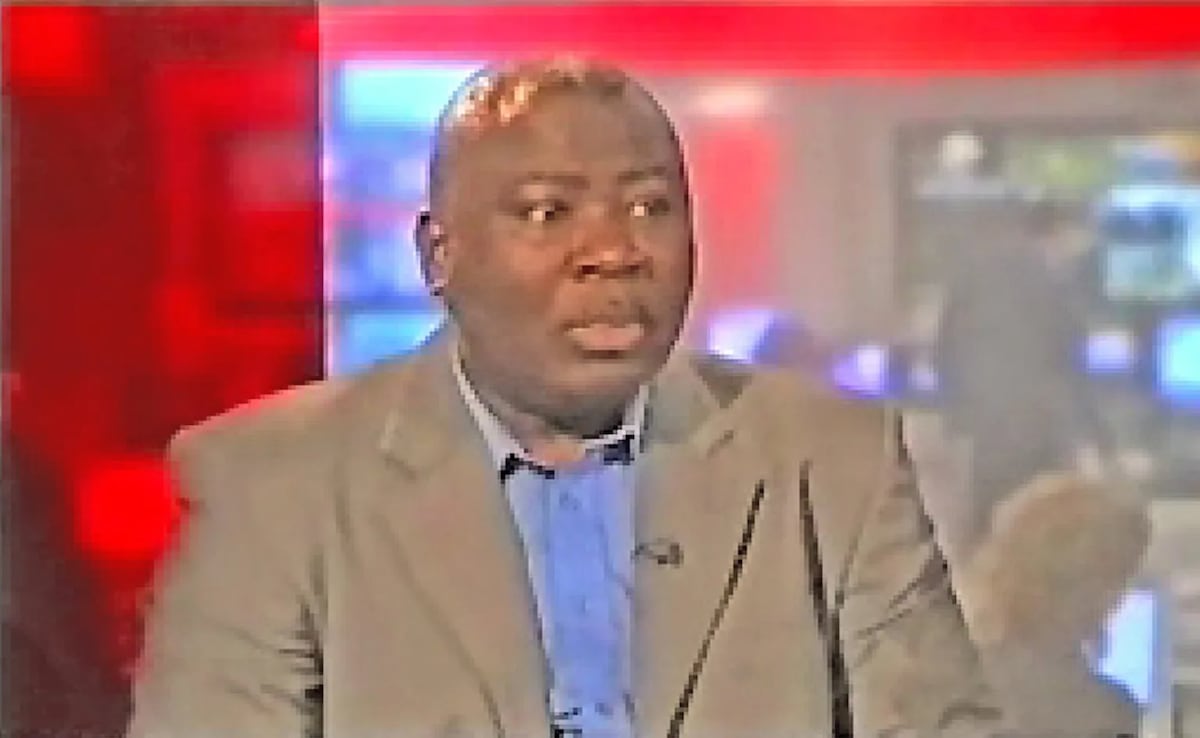
UNITED KINGDOM —
Key facts
- Guy Goma was interviewed on live BBC television in May 2006.
- Goma was at BBC headquarters for an IT job interview.
- He was mistaken for technology journalist Guy Kewney.
- Kewney was scheduled to discuss a verdict in an online music case.
- The case involved Apple and Apple Corps, The Beatles' record label.
- Anchor Karen Bowerman conducted the mistaken interview.
- Producer Elliott Gotkine mistakenly recruited Goma.
- The incident became an early viral internet moment.
A Case of Mistaken Identity on Live Television
Guy Goma found himself unexpectedly thrust into the glare of live television when he was mistakenly interviewed as an expert on a major legal case. The incident occurred in May 2006 at the BBC headquarters in London, where Goma was present for an interview for an IT position. As he was ushered into a room and asked to sit, Goma recognised the news anchor. The moment he saw his own face flicker onto screens around the room, a dawning realisation of his predicament set in. He was about to appear on air, unprepared for the topic at hand. What followed was one of the most memorable blunders in broadcasting history, a stark example of mistaken identity that has since become an enduring internet phenomenon.
The Rush to Air and the Wrong Guy
The mix-up originated with Elliott Gotkine, a producer for the British broadcaster's 24-hour news channel. Gotkine was searching for a specific guest, a technology journalist also named Guy, Guy Kewney. Kewney was slated to appear on the broadcast to offer commentary on a significant verdict in an online music case. With only minutes before going live, Gotkine approached Goma, who was waiting in the lobby, mistaking him for the intended expert. The urgency of the situation meant there was no time for verification. Goma noted the haste with which he was taken to the interview room and the immediate commencement of questioning by anchor Karen Bowerman. "I know that lady," Goma recalled thinking, but the interview had already begun. Bowerman introduced him as Guy Kewney, a name that clearly did not belong to him. Goma's face registered his confusion and struggle to respond as the live broadcast continued.
An Accidental Critique of Modern Journalism
Despite the immediate confusion, Goma recounts a moment of calm descending, urging him to relax and proceed. The interview, a pivotal moment of mistaken identity, quickly became an early viral sensation online. It served as an unintentional commentary on the high-pressure environment and rapid turnover characteristic of contemporary television journalism. As the anniversary of the event approaches, clips of the broadcast are frequently reposted, cementing its status as a cultural touchstone. Goma himself has been embraced as a sort of folk hero, resonating with anyone who has faced unexpected professional challenges. "It captures this sort of anxiety that we all have about being thrust into a role we’re not prepared for, but trying to perform competently anyway," noted Rafal Zaborowski, a senior lecturer on digital culture at King’s College London.
The Legal Case and the Tech Giants
The subject of the interview, a legal case involving online music, centred on two prominent entities: Apple, the technology giant, and Apple Corps, the record label established by The Beatles. The verdict in this case was the specific reason Guy Kewney, the intended guest, was scheduled to appear. Kewney, a technology journalist, would have been well-placed to analyse the implications of the ruling for the digital music industry and the companies involved. The case itself likely touched upon intellectual property rights and the evolving landscape of digital distribution. However, it was Goma, an applicant for a data specialist role at the BBC, who ended up providing an unintended perspective on the proceedings, albeit one born from confusion rather than expertise.
Legacy and Relatability
The accidental broadcast has transcended its origins as a simple on-air gaffe. It has evolved into a widely shared moment that speaks to universal experiences of workplace anxiety and the pressure to perform under duress. Goma's composure in an absurd situation has made him a relatable figure. His story highlights the unpredictable nature of live media and the potential for human error within demanding news cycles. The incident, amplified by the nascent power of the internet to disseminate such moments globally, continues to be a reference point for unexpected professional trials. This peculiar event, born from a simple misunderstanding, has thus secured a unique place in broadcasting lore, celebrated for its humour and its surprisingly profound commentary on modern professional life.
The bottom line
- Guy Goma was mistakenly interviewed on live BBC news in May 2006 while seeking an IT job.
- He was mistaken for technology journalist Guy Kewney, who was meant to discuss an online music case verdict.
- The mix-up was orchestrated by producer Elliott Gotkine under time pressure.
- The incident became an early viral internet moment, resonating with people's anxieties about unpreparedness.
- Goma is now seen as a folk hero for his handling of the unexpected situation.
- The event serves as a lasting example of mistaken identity and the pressures of live journalism.



Plaid Cymru Poised to Lead Welsh Assembly as Labour Faces Historic Defeat

Radio Fault Cripples Southern England Rail Network
Bradford Council Election Results Amid National Political Shifts
