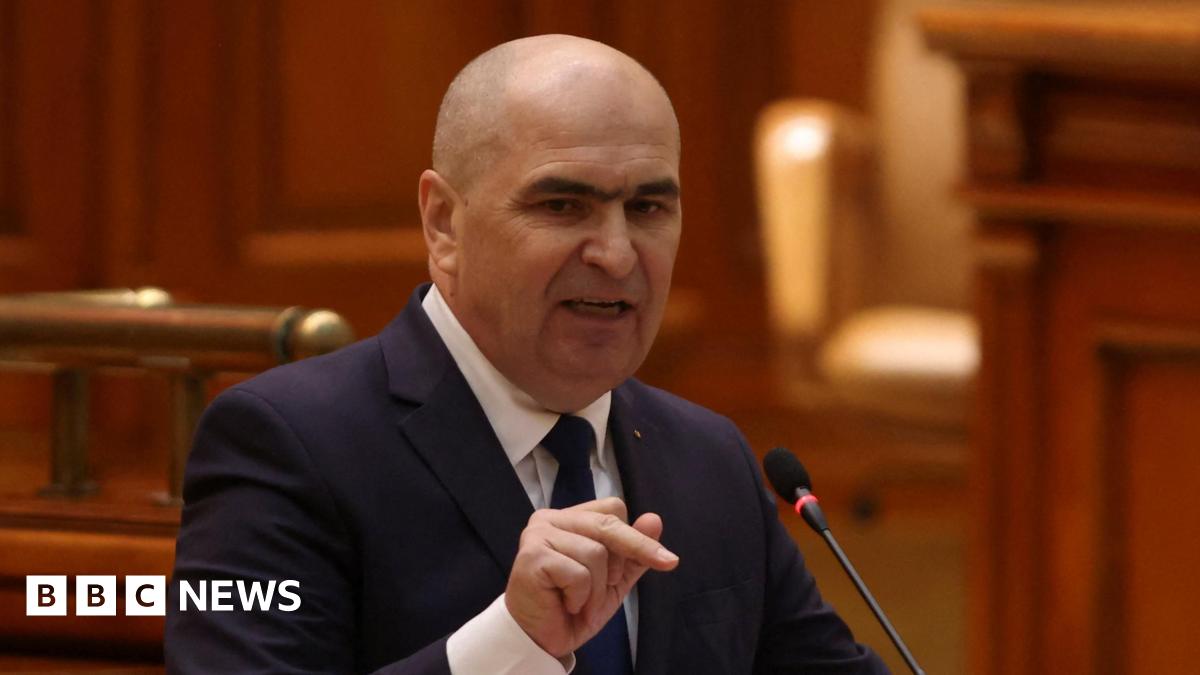
Reform UK poised for historic gains as Labour faces worst local election rout
Pollsters forecast Labour could lose up to 1,900 council seats, while Reform UK triples its representation and Plaid Cymru challenges for power in Wales.
UNITED KINGDOM —
Key facts
- Over 5,000 council seats across 136 English councils, six mayoralties, and devolved parliaments in Scotland and Wales are contested on 7 May.
- Professor Stephen Fisher of Oxford forecasts Labour will lose 1,900 councillors (74% of seats it defends), the worst local election performance for any prime minister.
- Reform UK could gain 2,260 councillors, tripling its local representation, after adding 677 seats in 2025.
- The Green Party is projected to gain 450 seats, buoyed by Hannah Spencer's February by-election win in Gorton and Denton.
- Plaid Cymru and Reform UK are in a tight race to become the largest party in the expanded 96-seat Senedd.
- The SNP is expected to win a fifth consecutive devolved election, keeping Labour out of power in Edinburgh.
- Liberal Democrats could gain 200 seats, consolidating in former Conservative remainer strongholds.
A fractured electoral map reshapes British politics
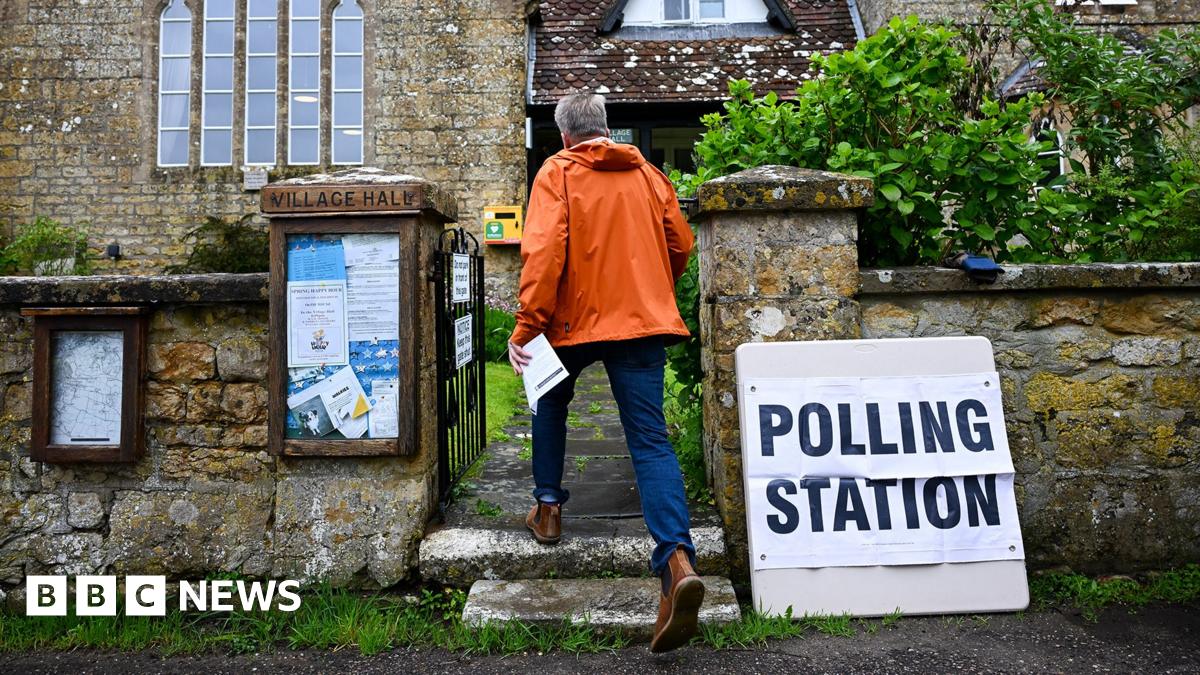
Voters across Scotland, Wales, and parts of England go to the polls on Thursday in the largest set of elections since the 2024 general election, with results expected to deliver a seismic blow to the two-party system that has dominated British politics for a century. Polling stations will open from 7 a.m. for contests covering more than 5,000 council seats in 136 English local authorities, six directly elected mayors, and the devolved parliaments in Edinburgh and Cardiff. Postal ballots have been arriving for weeks, and the final campaign sprint has been marked by parties making starkly different closing arguments. The elections are widely seen as a verdict on Prime Minister Keir Starmer's leadership, which has been under sustained pressure from poor approval ratings, internal dissent, and the fallout from the appointment of Peter Mandelson as U.S. ambassador.
Labour faces historic losses as Reform UK surges
Professor Stephen Fisher of the University of Oxford has projected that Labour will lose 1,900 councillors, a 74 percent drop in the seats it is defending. If confirmed, that would be the worst local election performance ever recorded for a governing party, surpassing even the Conservatives' losses in 1995. The Conservatives are also forecast to suffer a net loss of 1,010 seats, as their electoral coalition fractures along the Brexit fault line. Reform UK, led by Nigel Farage, is expected to gain 2,260 councillors, tripling its local representation and building on the 677 seats it won in 2025. Political scientist John Curtice described the potential outcome as a 'remarkable calamity' for both Labour and the Tories, warning that it would further erode the two-party system and provide a 'significant organisational boost' to Reform and the Greens.
Devolved elections threaten Labour's Welsh and Scottish strongholds
In Wales, Plaid Cymru and Reform UK are locked in a tight contest to become the largest party in the newly expanded 96-seat Senedd. Plaid argues it is the only party capable of defeating Reform, while Reform is confident it can top the poll by capitalising on anti-immigration sentiment. If Plaid Cymru emerges as the largest party, its leader Rhun ap Iorwerth could form the next Welsh government, ending Labour's uninterrupted dominance since devolution in 1999. First Minister Eluned Morgan has struggled to distance herself from Starmer's unpopularity, having lost the ability to blame Conservative rule in Westminster. In Scotland, the SNP is expected to win a fifth consecutive devolved election, keeping Labour in opposition in Edinburgh. Anas Sarwar, Labour's Scottish leader, has publicly repudiated Starmer, but the national brand remains a liability. The SNP benefits from a pro-independence core vote and a fragmented unionist opposition.
Greens and Liberal Democrats capitalise on discontent
The Green Party is projected to gain 450 council seats, building on momentum from Hannah Spencer's February by-election victory in Gorton and Denton, which gave the party its second MP. Co-leader Zack Polanski is not an MP but has become a prominent voice for the party's surge. The Liberal Democrats are expected to add 200 seats, consolidating their hold on affluent suburban and shire seats that were once Conservative strongholds. Their gains come largely from remainer-leaning voters who have abandoned the Tories over Brexit. Together, the four opposition parties — Reform, Greens, Lib Dems, and the SNP — are forecast to erode the combined Labour-Conservative share of council seats to levels unseen in modern British history.
Starmer's leadership under renewed threat
The prime minister has been grappling with ailing popularity for over 12 months, both for himself and his party. The slight uptick in approval following his handling of the U.S.-Iran war was virtually erased by the controversy over Peter Mandelson's appointment as ambassador to Washington. Labour's internal chatter about Starmer's future has intensified, with potential successors such as Andy Burnham and Angela Rayner seen as possible beneficiaries of a leadership challenge. Starmer has publicly pleaded with his party to 'cut out all the chat' about his future, but the scale of expected losses will likely reopen the question. Even in the best-case scenarios available from current polling, Starmer will appear as a caretaker leader of a party that struggles to define its core voters, with its traditional northern working-class base defecting to Reform and inner-London strongholds turning Green.
A symbolic fracture for the United Kingdom
If Plaid Cymru forms the next Welsh government, it would join Scotland and Northern Ireland in having first ministers whose parties are opposed to union with England. While not a death knell for the UK, it would represent a 'symbolic fracture,' as one analyst put it. Plaid's manifesto does not prioritise independence, instead framing it as part of an 'ongoing national conversation' with a vague commitment to a white paper. But a Plaid-led government could still effect systemic drift, governing from a stance of perpetual opposition and framing every UK-wide debate as a question of who can be trusted to stand up for Wales. Downing Street will find it difficult to dismiss such results as normal midterm turbulence. The two-party duopoly that defined British political competition in the 20th century has broken down everywhere except the Palace of Westminster, where Labour and the Conservatives still dominate lawmaking but appear increasingly detached from the electorate.
What comes next: counting, coalitions, and consequences
Results will begin to trickle in from Thursday evening, with most council and mayoral outcomes expected by Friday afternoon. The devolved parliament counts in Scotland and Wales will take longer, with final declarations likely over the weekend. The immediate stakes are high for Starmer: a loss of 1,000 or more council seats would likely trigger a formal leadership challenge. For the Conservatives, the question is whether the party can rebuild under a leader who can reunite its Brexit-divided base. Reform UK's Nigel Farage, who represents Clacton in the Commons but spends much of his time elsewhere, will use any gains to press for a general election. The Greens and Liberal Democrats will seek to convert local success into parliamentary breakthroughs. Beyond the numbers, these elections will test whether the fragmentation of British politics is a temporary protest or a permanent realignment. The results will shape the terrain for the next general election, which must be held by January 2030.
The bottom line
- Labour is forecast to lose up to 1,900 council seats, the worst local election performance for any governing party in history.
- Reform UK could triple its council representation to over 2,200 seats, becoming a major force in local government.
- Plaid Cymru and Reform UK are neck-and-neck in Wales, with Plaid potentially ending Labour's 27-year dominance in the Senedd.
- The SNP is set to win a fifth consecutive Scottish Parliament election, keeping Labour in opposition in Edinburgh.
- The two-party system has fractured, with Reform, Greens, and Liberal Democrats collectively winning more seats than Labour or the Conservatives in many areas.
- Starmer's leadership is under immediate threat, with internal rivals poised to capitalise on expected losses.



Dennis Taylor recalls saving Clive Everton's life as snooker legends gather for John Virgo memorial

BJP Secures Landslide Victory in West Bengal, Modi Hails 'New Dawn'
US Strikes Iranian Boats in Strait of Hormuz as Maersk Vessel Exits Under Military Protection