Humpback Whale's Fate Unknown After Costly Rescue Effort
Marine experts question the efficacy and transparency of a €1.5m operation that released a stranded whale into the Baltic.

UNITED KINGDOM —
Key facts
- A humpback whale, nicknamed Timmy, was stranded for weeks off Germany's Baltic coast.
- A privately funded operation to rescue the whale cost approximately €1.5 million.
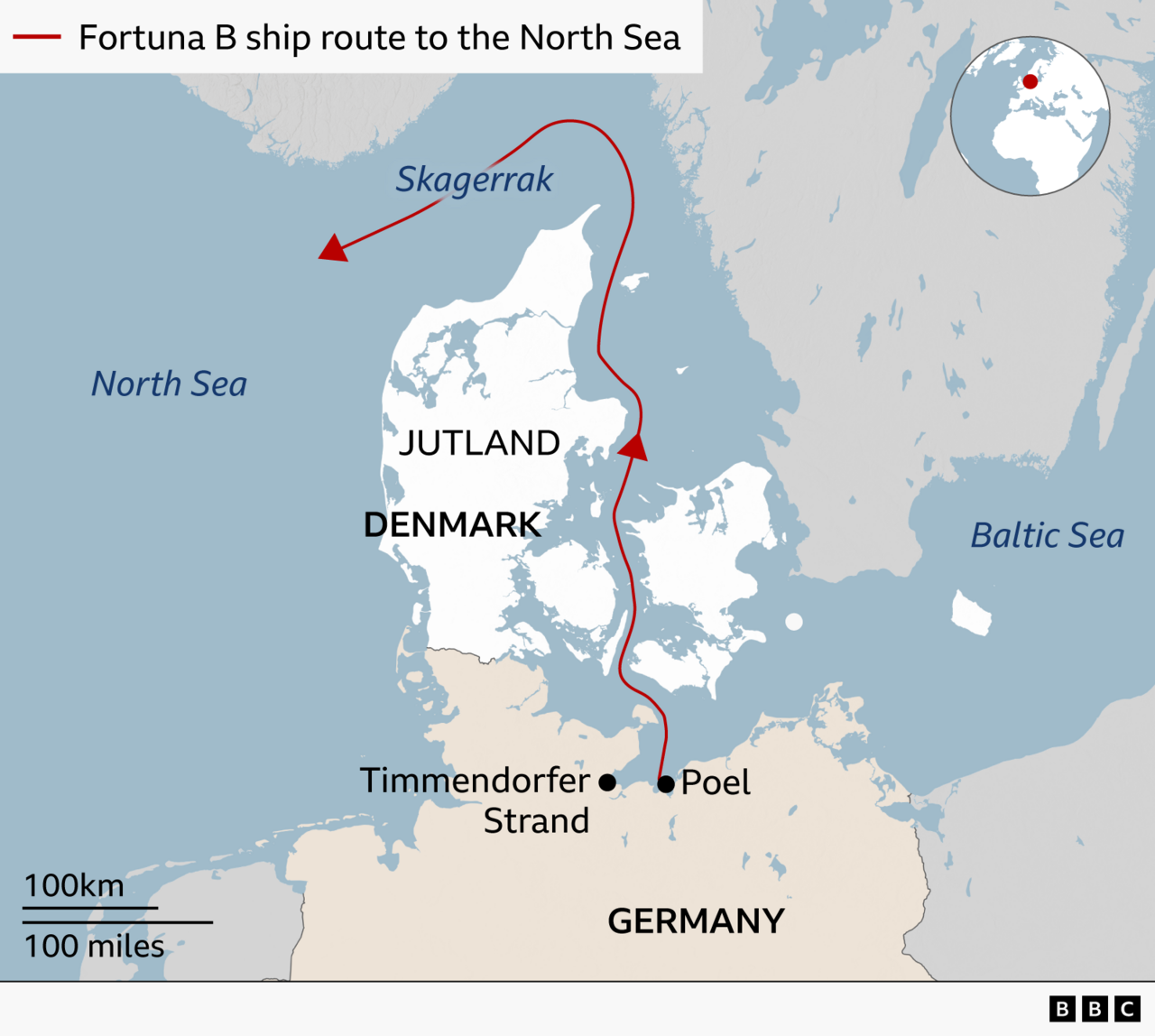
- The whale was transported by barge to waters off Denmark for release.
- A tracker fitted to the whale is reportedly not working, leaving its whereabouts and health unknown.
- Experts from the German Oceanographic Museum believe the whale is 'highly likely' dead.
- The whale was first spotted stranded on March 23 near Lübeck.
- Karin Walter-Mommert, an equestrian sports entrepreneur, co-funded the rescue.
Uncertainty Clouds Whale's Release
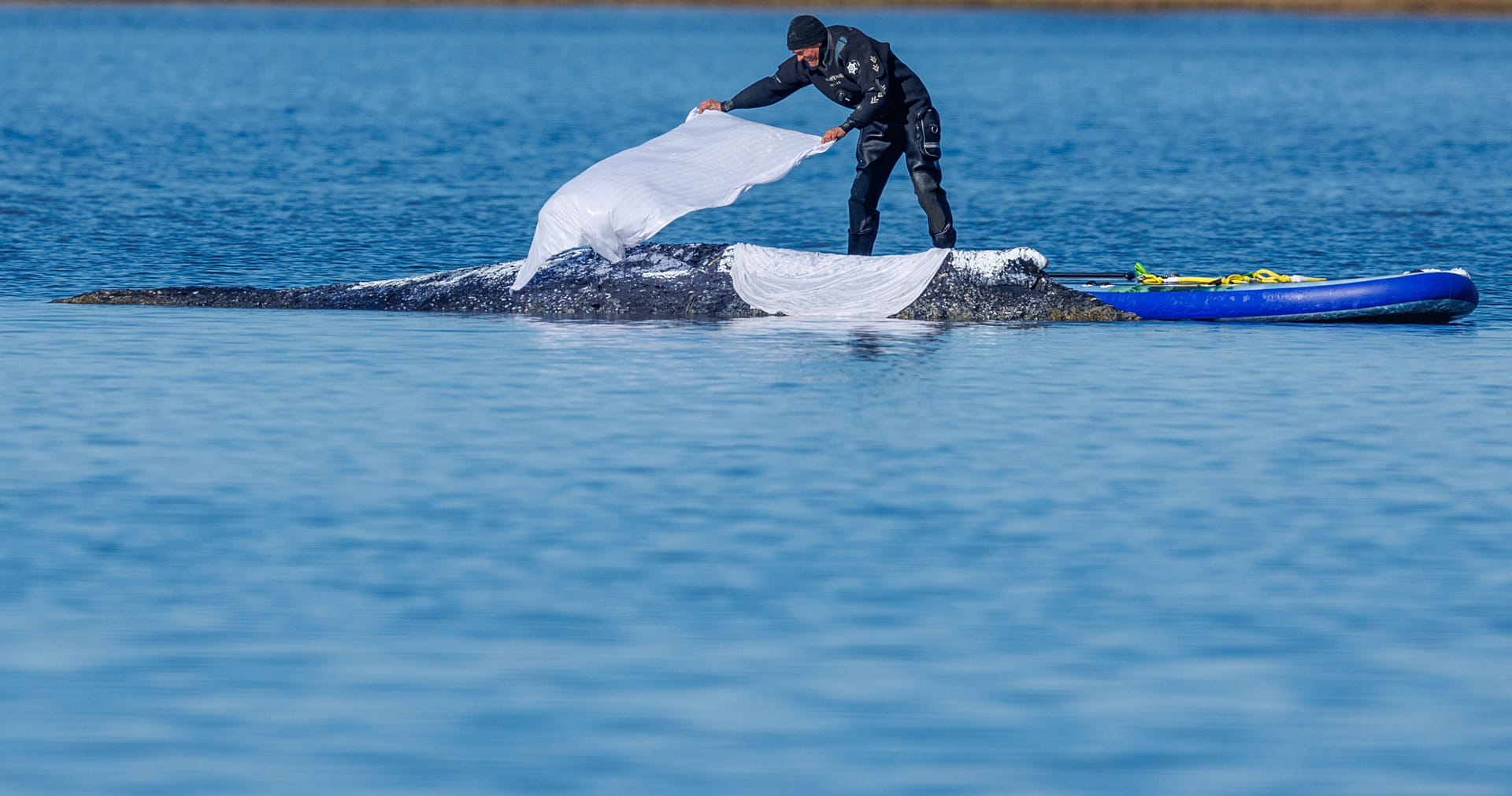
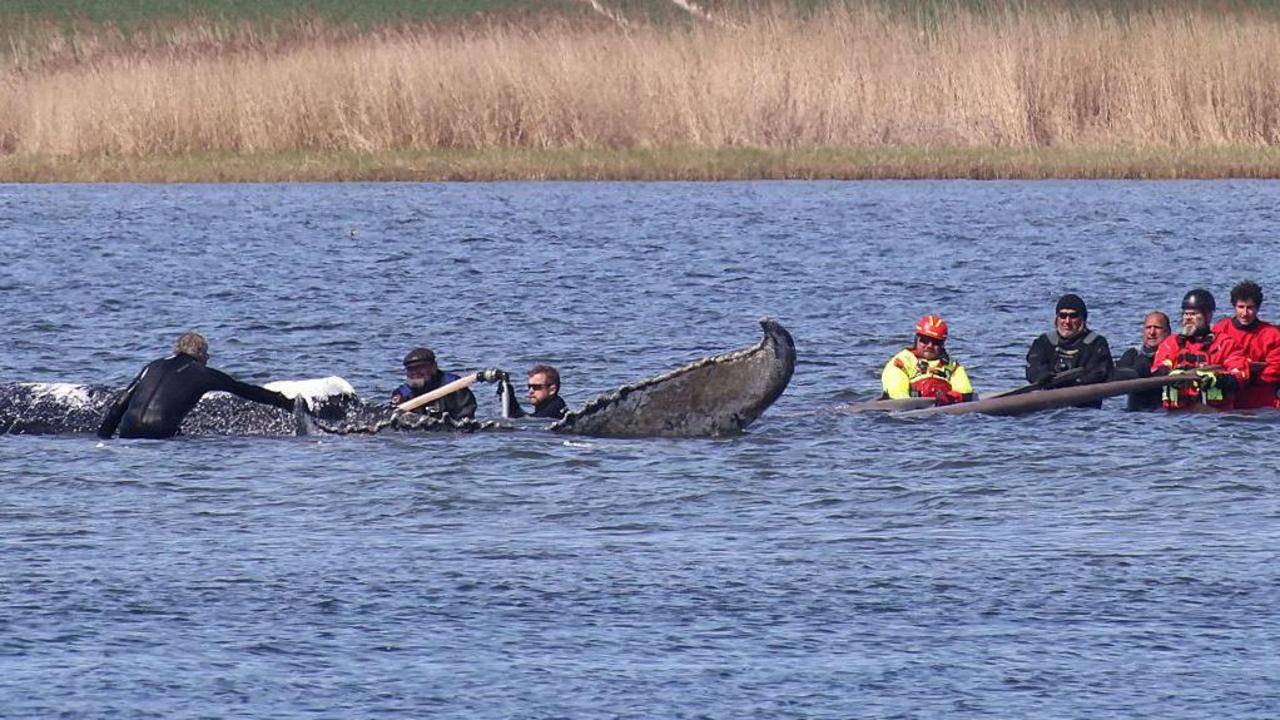
Three days after its release into the Baltic Sea, the fate of a young male humpback whale, affectionately nicknamed Timmy, remains shrouded in mystery. Marine biologists and whale experts are intensifying their criticism of the privately funded rescue operation, particularly after it emerged that a tracking device fitted to the animal is not functioning. This malfunction leaves its whereabouts and current health status unknown, casting a pall over an initiative that cost an estimated €1.5 million. The whale had become a global spectacle after becoming stranded for weeks off Germany's Baltic coast, repeatedly beaching itself on sandbanks near Lübeck and Wismar. Its plight, captured in livestreams, highlighted a desperate effort to coax it into deeper waters, an effort that ultimately led to this elaborate, privately funded rescue. The operation, spearheaded by entrepreneur Karin Walter-Mommert, owner of a significant European racehorse portfolio, aimed to transport the whale to safer waters. However, the lack of verifiable data from the tracker, which was also purported to monitor the animal's vital signs, has ignited widespread skepticism and concern among the scientific community.
Questions Swirl Around Tracker and Release
Karin Walter-Mommert confirmed that the tracker was not operational, a claim that directly contradicts earlier assertions that the device would transmit crucial information about the whale's well-being. This discrepancy has fueled doubts about the operation's management and transparency. Experts and environmental activists, including Greenpeace, have voiced strong objections to the handling of the situation. The whale was first spotted stuck on a sandbank on March 23 near Lübeck. Despite freeing itself at times, it became repeatedly stranded in shallow waters, its health visibly deteriorating. The environment minister for Germany’s Mecklenburg-Western Pomerania state ultimately sanctioned the rescue attempt, despite warnings from scientists that the ordeal might be too much for the compromised animal. Whale researcher Fabian Ritter expressed grave concerns, stating that a non-functional tracker would render the entire operation a "catastrophe, for the whale and the rescue team." He emphasized that without data, determining the whale's fate, including whether it had died, would be impossible, rendering the mission ultimately in vain.
Scientific Skepticism and Accusations of Cruelty
The German Oceanographic Museum in Stralsund issued a statement indicating their belief that the whale was "highly likely" dead. They called for the organizers of the rescue mission to release data from the tracker to allow for an assessment of the operation's merits. Their scientists had been skeptical from the outset, labeling the rescue attempts as animal cruelty and highlighting the significant risk of the whale drowning if it lacked the strength to navigate deep waters. Peter Madsen, a Danish marine biologist, described the lack of data from all stages of the operation as "unusual and ill-advised." He noted that information appeared to be deliberately guarded by a small group, including the operation's initiators and the state environment ministry, which he characterized as "very strange and unprofessional." The environment ministry itself stated it was still awaiting data and information regarding the animal's condition. Further complicating the narrative, Dr. Kirsten Tönnies, a veterinarian associated with the private initiative, claimed she was prevented from observing the whale's departure from the ship. She alleged that the marine mammal was released "totally prematurely" and "secretly," contradicting the plan to release it further west in the open North Sea. The whale was instead released approximately 70 kilometers north of Skagen, Denmark, a location situated within a busy shipping lane.
Financial Backing and Operational Details
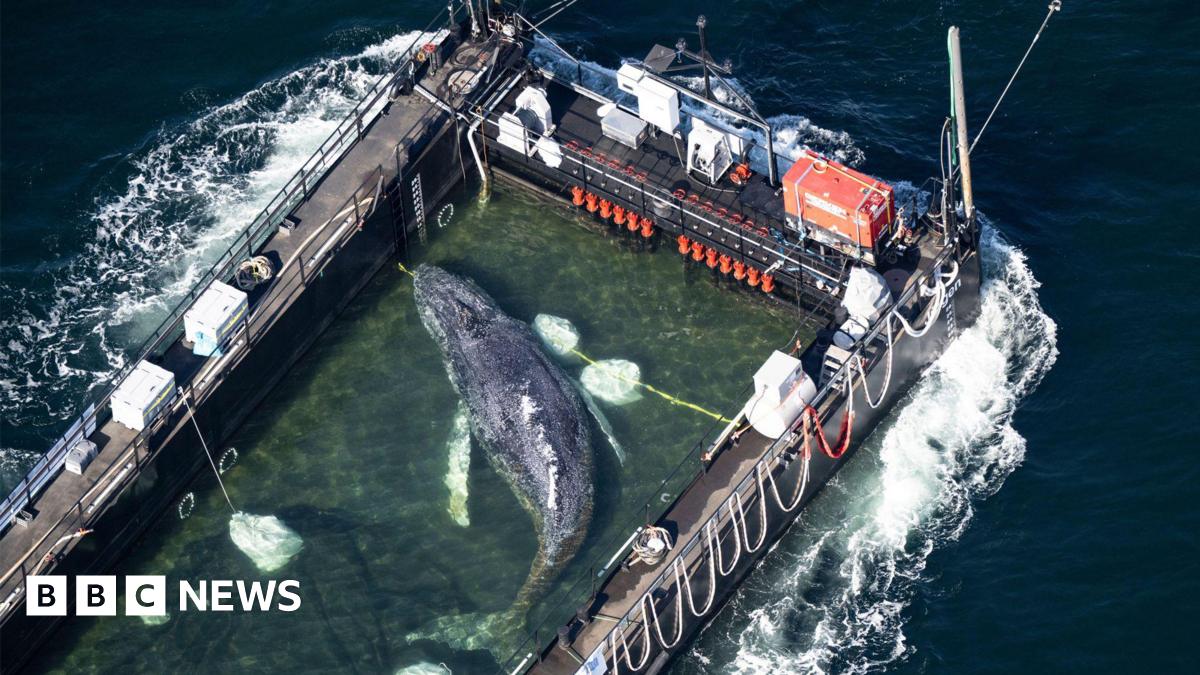
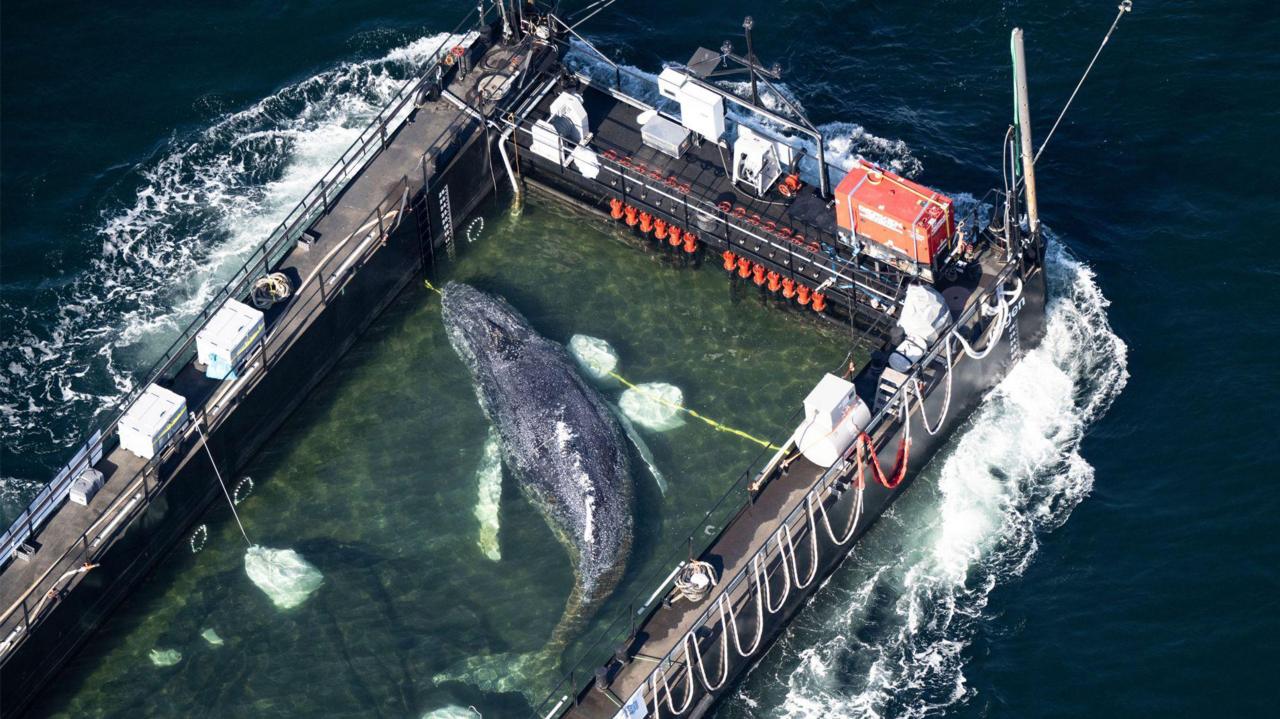
The rescue initiative, co-funded by equestrian sports entrepreneur Karin Walter-Mommert and MediaMarkt founder Walter Gunz, reportedly incurred costs of at least €1.5 million. This figure, however, does not encompass the expenses for the ships and crew involved in transporting the whale to the North Sea. The tugboat 'Robin Hood's' captain stated he was merely following instructions. The whale, estimated to weigh around 12 tonnes, was coaxed into a specially adapted, water-holding barge on a Tuesday. The mission, which began its journey through the Baltic Sea, aimed to reach the Skagerrak strait and enter the North Sea. Despite the technical challenges and rough seas, during which the whale reportedly struck the barge's walls multiple times, there was an initial mood of euphoria among the rescue team. Felix Bohnsack, the technical head of the mission, praised the involvement of various entities, including the environment ministry and the German life guards' association DLRG. However, he cautioned that they were not yet "out of the woods," a sentiment that has proven prescient given the subsequent lack of information.
Skepticism Over Long-Term Survival
Wildlife groups remain largely pessimistic about the whale's prospects post-release. The Whale and Dolphin Conservation (WDC) expressed particular concern, warning that the whale had no long-term chance of survival. The organization pointed to the skin damage the animal had sustained from prolonged exposure to the low-salinity waters of Germany's Baltic coast. For any rescue to be deemed successful, WDC stated, the whale's skin would need to fully recover, and it would need to demonstrate an independent ability to find food. These are significant hurdles for an animal whose health was already severely compromised before the operation. Even before the tracking device malfunctioned, an expert panel from the International Whaling Commission had expressed reservations, acknowledging the good intentions behind such plans but noting the animal appeared "severely compromised and unlikely to survive even if moved to deeper water." Danish authorities, meanwhile, indicated they would not intervene if the whale encountered difficulties after its release, arguing that nature should be allowed to take its course.
A Reckoning for a Costly Endeavor
The entire episode raises profound questions about the ethics and efficacy of large-scale, privately funded animal rescues, particularly when conducted with limited scientific oversight and transparency. While the intention may have been to save a life, the outcome has been a costly, opaque operation with an unknown result. The whale was last photographed swimming in the Skagerrak strait. The lack of concrete data on its condition or location leaves a void that experts are struggling to fill, leading many to conclude that the expensive endeavor may have been in vain. The incident underscores the complex challenges of wildlife intervention and the critical need for scientific rigor and public accountability in such high-stakes missions. As the situation stands, the humpback whale's journey from a shallow Baltic sandbank to the open sea represents a poignant, if ultimately concerning, chapter in conservation efforts. The lack of closure leaves a lingering disquiet, a testament to the unpredictable nature of both wildlife and human intervention.
The bottom line
- A €1.5 million private rescue operation for a stranded humpback whale has concluded with uncertainty about the animal's fate.
- A tracking device intended to monitor the whale's health and location after its release is reportedly not working.
- Marine experts express significant skepticism, with some believing the whale is 'highly likely' to have died.
- The operation, funded by entrepreneurs Karin Walter-Mommert and Walter Gunz, has faced criticism for a lack of transparency.
- The whale was released approximately 70 kilometers north of Skagen, Denmark, in a busy shipping lane.
- Wildlife conservation groups doubt the whale's long-term survival prospects due to pre-existing health issues.


Dennis Taylor recalls saving Clive Everton's life as snooker legends gather for John Virgo memorial

BJP Secures Landslide Victory in West Bengal, Modi Hails 'New Dawn'
US Strikes Iranian Boats in Strait of Hormuz as Maersk Vessel Exits Under Military Protection