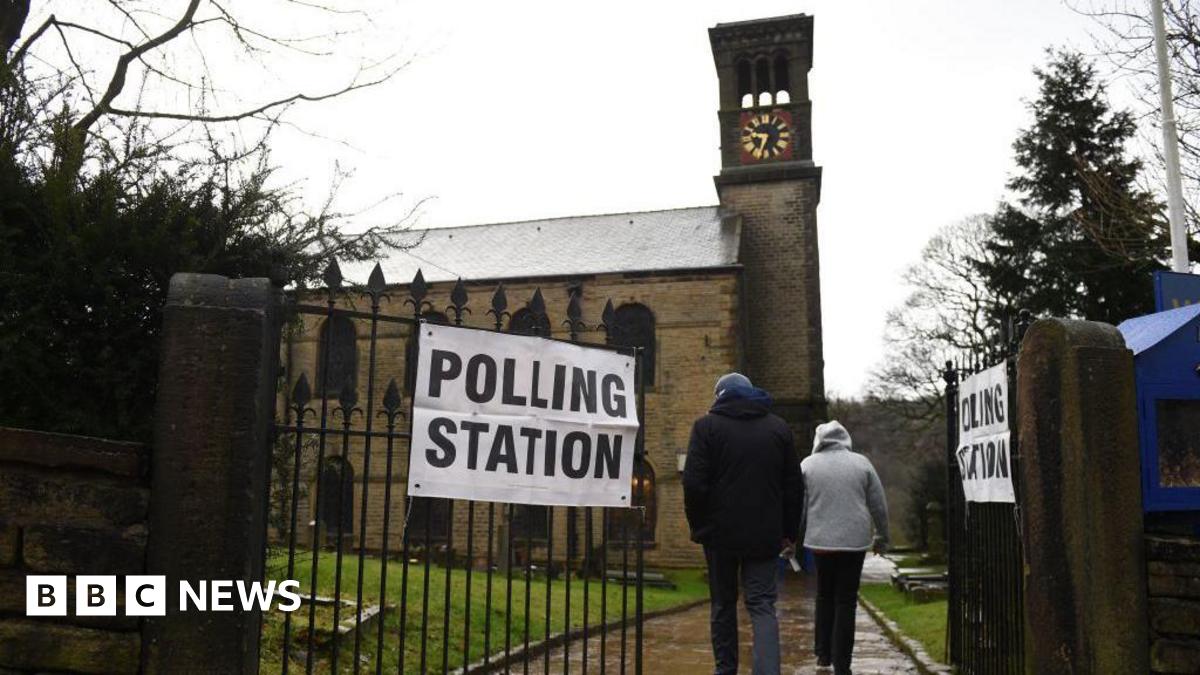
Reform UK Claims Historic Gains in Local Elections, Labour Suffers Heavy Losses
Nigel Farage hails 'reshaping of British politics' as Keir Starmer vows to stay despite electoral blow.
UNITED KINGDOM —
Key facts
- Reform UK secured hundreds of seats in England's local elections.
- The party gained control of at least five councils, including Newcastle-under-Lyme and Havering.
- Labour lost hundreds of seats, including in traditional northern strongholds.
- Prime Minister Keir Starmer vowed to continue as leader despite "tough" results.
- Local and regional elections were held across England, Scotland, and Wales on Thursday.
- Nearly 5,000 council seats were contested in 136 English councils.
- Wales elected 96 members to its Senedd under a new system.
- Scotland elected all 129 of its Members of the Scottish Parliament.
A 'Historic Shift' in British Politics
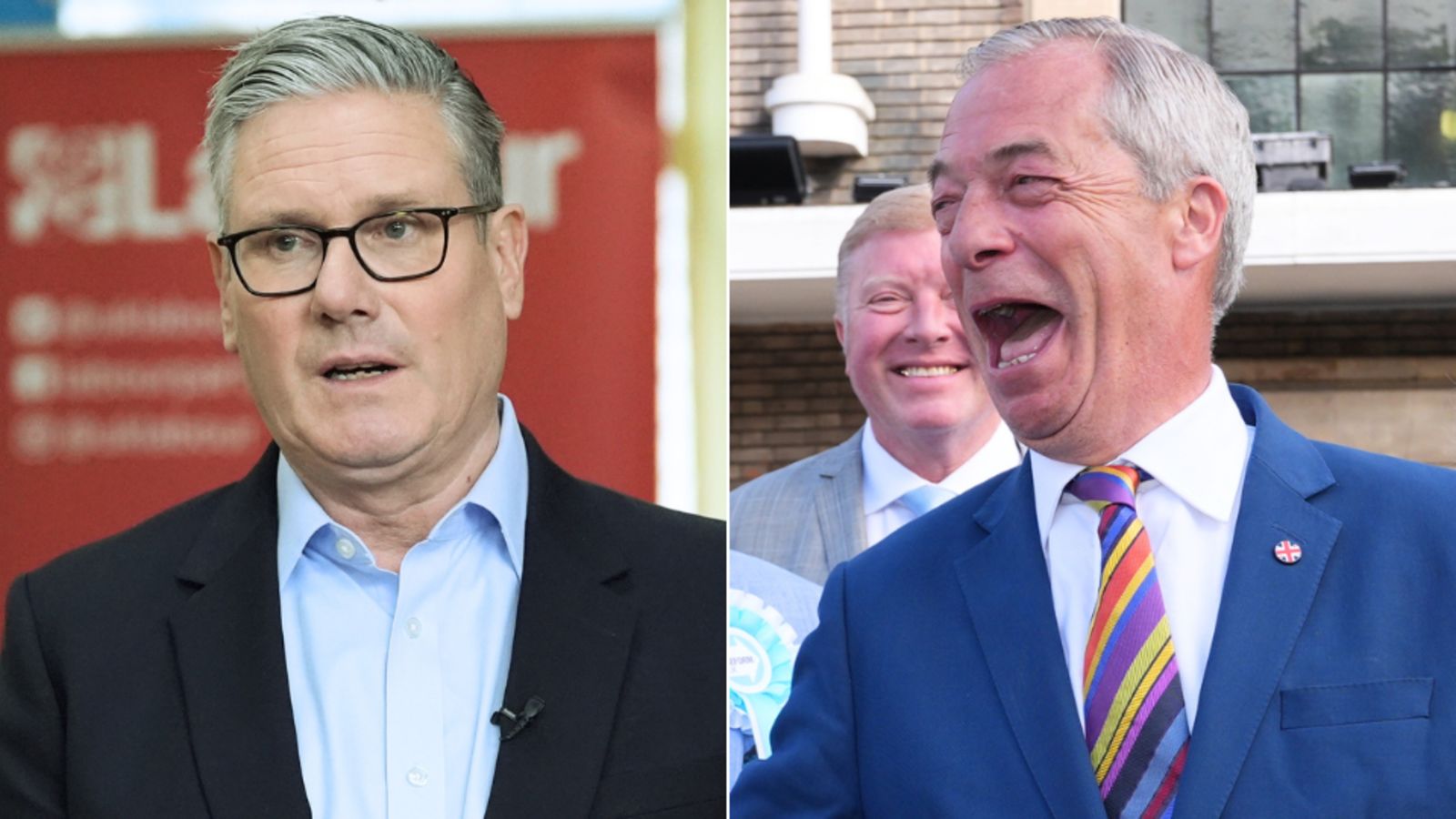
Reform UK leader Nigel Farage has declared England's local election results a "truly historic shift in British politics," as his party secured hundreds of seats nationwide and gained control of at least five councils. Among the key victories were Newcastle-under-Lyme, Havering, Essex, Suffolk, and Sunderland. Farage, speaking from Havering on Friday morning, emphasized that the gains represented a "complete reshaping of British politics in every way." These results mark a significant moment for the right-wing party, which has been campaigning on an anti-establishment and anti-immigration platform. The gains are particularly notable in former Labour heartlands and on London's outer edges, signalling a potential realignment of the electoral landscape. The broader electoral picture saw the Conservatives also suffer defeats numbering in the hundreds, while the Liberal Democrats are on track for their eighth consecutive set of local election gains. councilor gains, including securing the Hackney mayoralty with Zoe Garbett's election and Liam Shrivastava's win in Lewisham.
Labour Faces Devastating Night, Starmer Vows to Continue
The election proved devastating for the Labour Party, which lost hundreds of seats, particularly in its traditional northern strongholds. By Friday evening, Labour had lost control of over 15 local authorities, including significant losses in Southampton, Westminster, Tameside, Tamworth, Hartlepool, Redditch, Exeter, Oxford, and Wandsworth. Prime Minister Keir Starmer acknowledged the severity of the results, describing them as "tough" and stating, "there’s no sugarcoating it." He took responsibility for the outcome but firmly rejected calls to change course or step down. "Days like this don’t weaken my resolve to deliver the change that I promised," Starmer said on Friday. Despite the significant electoral mauling, Starmer insisted he would carry on as prime minister and serve out his five-year term. However, the bleak picture painted by the initial results has already sparked calls for his resignation from within the party, with some lawmakers and analysts questioning his leadership and the party's direction.
Electoral Context: Local Votes as a Midterm Referendum
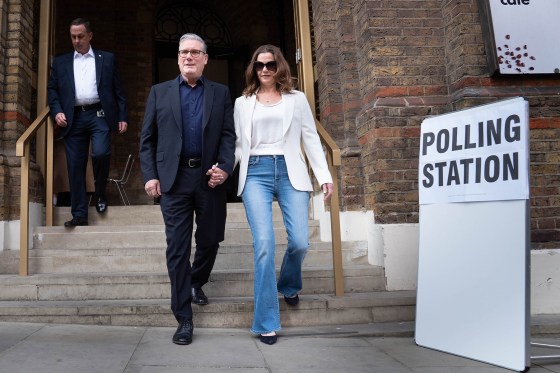
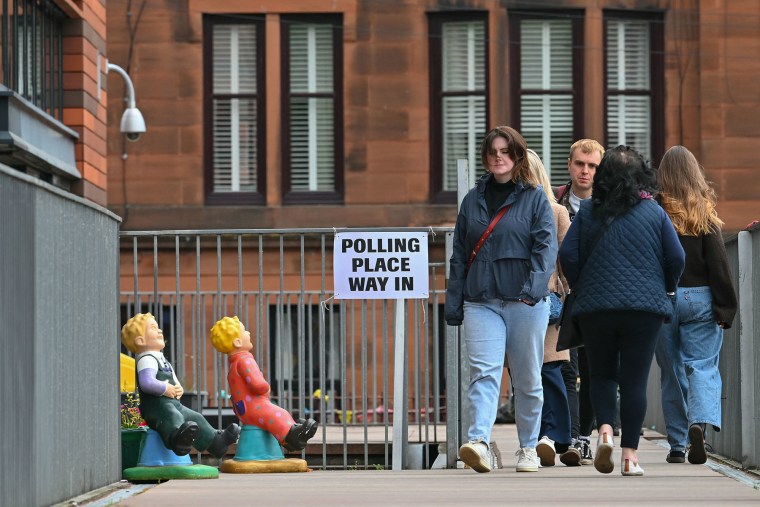
British voters cast ballots on Thursday in local and regional elections across England, Scotland, and Wales. These elections, involving the selection of approximately 5,000 local councilors and several mayors, alongside members for the semiautonomous parliaments in Scotland and Wales, are seen as the most significant electoral test since Labour's landslide victory in July 2024. Many analysts and political opponents have framed these votes as a midterm referendum on Prime Minister Starmer's leadership and his government's performance. Polls closed at 10 p.m. on Thursday, with the bulk of results expected to be declared on Friday afternoon. While some local authorities counted ballots overnight, the majority of declarations were scheduled for the following day. The elections for the devolved parliaments saw Scotland elect all 129 of its Members of the Scottish Parliament (MSPs) in Holyrood, and Wales elect 96 members to its Senedd under a new, expanded voting system. The electoral landscape has been shifting, with pollster More in Common's Luke Tryl suggesting a "total collapse of the traditional two-party system" dominated for decades by Labour and the Conservatives. The rise of Reform UK and gains by the Green Party in urban centers indicate a fragmentation of the electorate and a potential challenge to established political norms.
Challenges Facing Starmer's Government
Prime Minister Keir Starmer's popularity has reportedly declined since he assumed leadership in July 2024. His government has faced considerable challenges in delivering promised economic growth, addressing the strain on public services, and mitigating the impact of the rising cost of living. These domestic pressures have been exacerbated by international events, including the U.S.-Israeli conflict with Iran, which has disrupted oil shipments through the Strait of Hormuz. A significant point of contention during Starmer's premiership was his decision to appoint Peter Mandelson, a figure with past associations with Jeffrey Epstein, as Britain's ambassador to Washington. This appointment led to a crisis in February, with some Labour lawmakers, including Scotland's party leader, urging Starmer to resign. Despite surviving that challenge, a poor showing in these local elections could reignite internal party pressure for a leadership change. Potential challengers to Starmer's position include Health Secretary Wes Streeting, former Deputy Prime Minister Angela Rayner, and Greater Manchester Mayor Andy Burnham. Alternatively, the party might pressure Starmer to establish a timetable for an orderly leadership contest, signalling a potential transition in the party's top leadership.
The Green Party and Liberal Democrats' Performance
The Green Party has also seen notable successes in these local elections, with councilor gains across the country. Their victory in the Hackney mayoralty, with Zoe Garbett's election, and Liam Shrivastava's win in Lewisham, highlights their growing influence in urban centers and university towns. Green party representatives have described their results as a clear rejection of Keir Starmer and the traditional two-party system. In contrast, the centrist Liberal Democrats are positioned for what could be their eighth consecutive set of positive local election results. While not achieving the same level of headline gains as Reform UK, their steady progress indicates a continued appeal in certain areas. The party's performance suggests a resilience that contrasts with the significant losses experienced by the two major parties. These results collectively point towards a significant fragmentation of the political landscape in the United Kingdom. The traditional dominance of Labour and the Conservatives is being challenged by the ascendant Reform UK and the expanding Green Party, alongside the consistent gains of the Liberal Democrats.
The bottom line
- Reform UK has achieved substantial gains in local elections, securing hundreds of seats and control of multiple councils.
- The Labour Party experienced significant losses, leading to pressure on Prime Minister Keir Starmer's leadership.
- Nigel Farage hailed the results as a "historic shift" and a "reshaping of British politics."
- Keir Starmer has stated his intention to remain as Prime Minister despite the "tough" electoral outcome.
- The elections involved nearly 5,000 council seats in England and elections for the devolved parliaments in Scotland and Wales.
- The results suggest a potential breakdown of the traditional two-party system in the UK.


BBC Mistaken Identity Fiasco Becomes Viral Folk Hero Moment
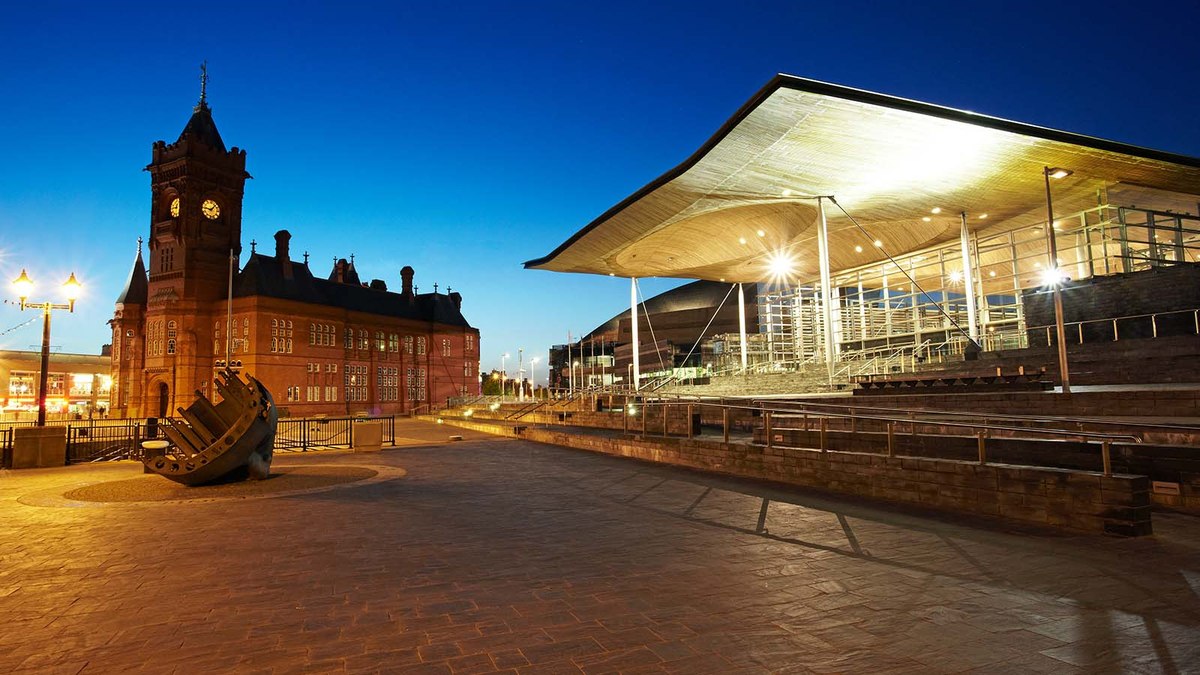
Plaid Cymru Poised to Lead Welsh Assembly as Labour Faces Historic Defeat
Radio Fault Cripples Southern England Rail Network